




Pregnancy brings enough things to keep track of. But for some women, a routine blood test around the sixth month adds something unexpected to the list gestational diabetes.
The diagnosis can feel alarming. Many women had no idea anything was wrong. They felt fine. They were eating reasonably well. And yet their blood sugar during pregnancy was higher than it should be.
The good news is that gestational diabetes when caught and managed well does not have to mean a difficult pregnancy. But understanding what it is, what it does, and what to do about it makes all the difference.
What is Gestational Diabetes?
Gestational diabetes mellitus, or GDM, is a type of diabetes that develops during pregnancy. It happens when the body cannot produce enough insulin to keep up with the demands that pregnancy places on it.
Insulin is a hormone made by the pancreas that controls blood sugar levels. During pregnancy, certain hormones naturally make the body less responsive to insulin — a state called insulin resistance during pregnancy. For most women, the pancreas compensates by producing more insulin. For some, it cannot keep up, and blood sugar rises higher than normal.
High blood sugar during pregnancy that goes unmanaged can affect both the mother’s health and the baby’s development. But with the right care, most women with gestational diabetes go on to have healthy pregnancies and healthy babies.
Is Your Pregnancy at Risk? Uncover the Hidden Dangers of Gestational Diabetes!
Gestational diabetes affects roughly 2 to 10 percent of pregnancies and is most commonly diagnosed in the second or third trimester. It is one of the most important pregnancy complications to be aware of not because it is inevitable, but because it is manageable when found early.
This article covers the causes, symptoms, diagnosis, gestational diabetes treatment options, and what to watch for so that expectant mothers can make informed decisions with their doctor throughout pregnancy.
Can Gestational Diabetes Occur Without Symptoms?
Yes and this is what makes antenatal screening so important. Many women with gestational diabetes feel completely normal. There are no obvious warning signs. Blood sugar during pregnancy rises quietly, without announcing itself.
This is why the blood glucose test during pregnancy done between 24 and 28 weeks is a routine part of prenatal care not just for women with known gestational diabetes risk factors, but for all pregnant women. Without testing, high blood sugar can go undetected long enough to cause complications for both mother and baby.
How Does Gestational Diabetes Affect Labor and Delivery?
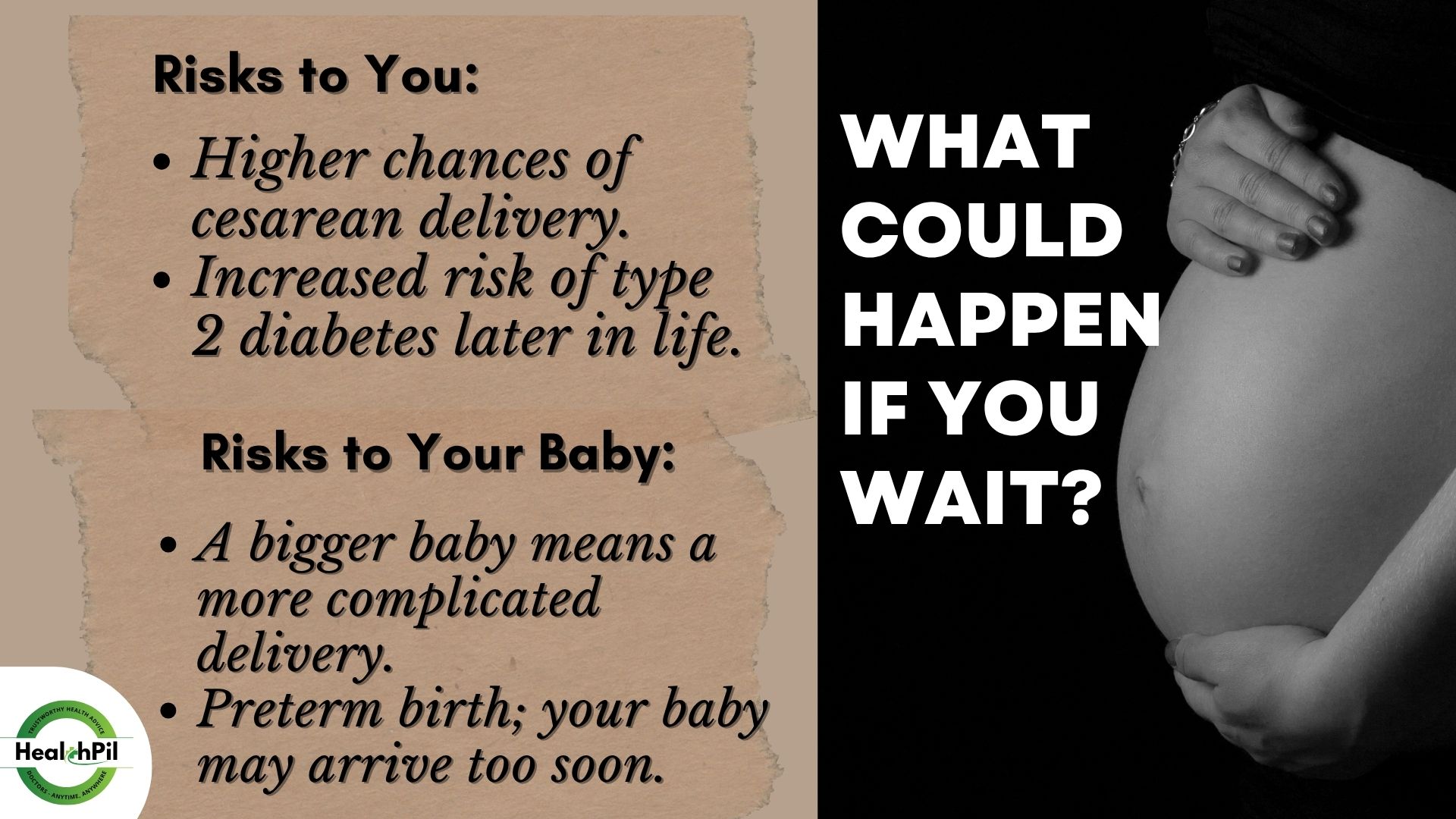
Uncontrolled gestational diabetes can lead to a larger than average baby, which increases the risk of difficult labour, shoulder dystocia where the baby’s shoulder gets stuck during delivery early induction, and cesarean delivery risk. Managing pregnancy blood sugar levels effectively throughout pregnancy helps reduce these risks and improve delivery outcomes significantly.
Most doctors aim for delivery around 39 to 40 weeks if blood sugar has been well controlled throughout pregnancy. If blood sugar has been harder to manage, or if the baby is growing larger than expected, doctors may recommend earlier delivery sometimes as early as 37 or 38 weeks to avoid complications during labour.
Can You Have a Healthy Pregnancy With Gestational Diabetes?
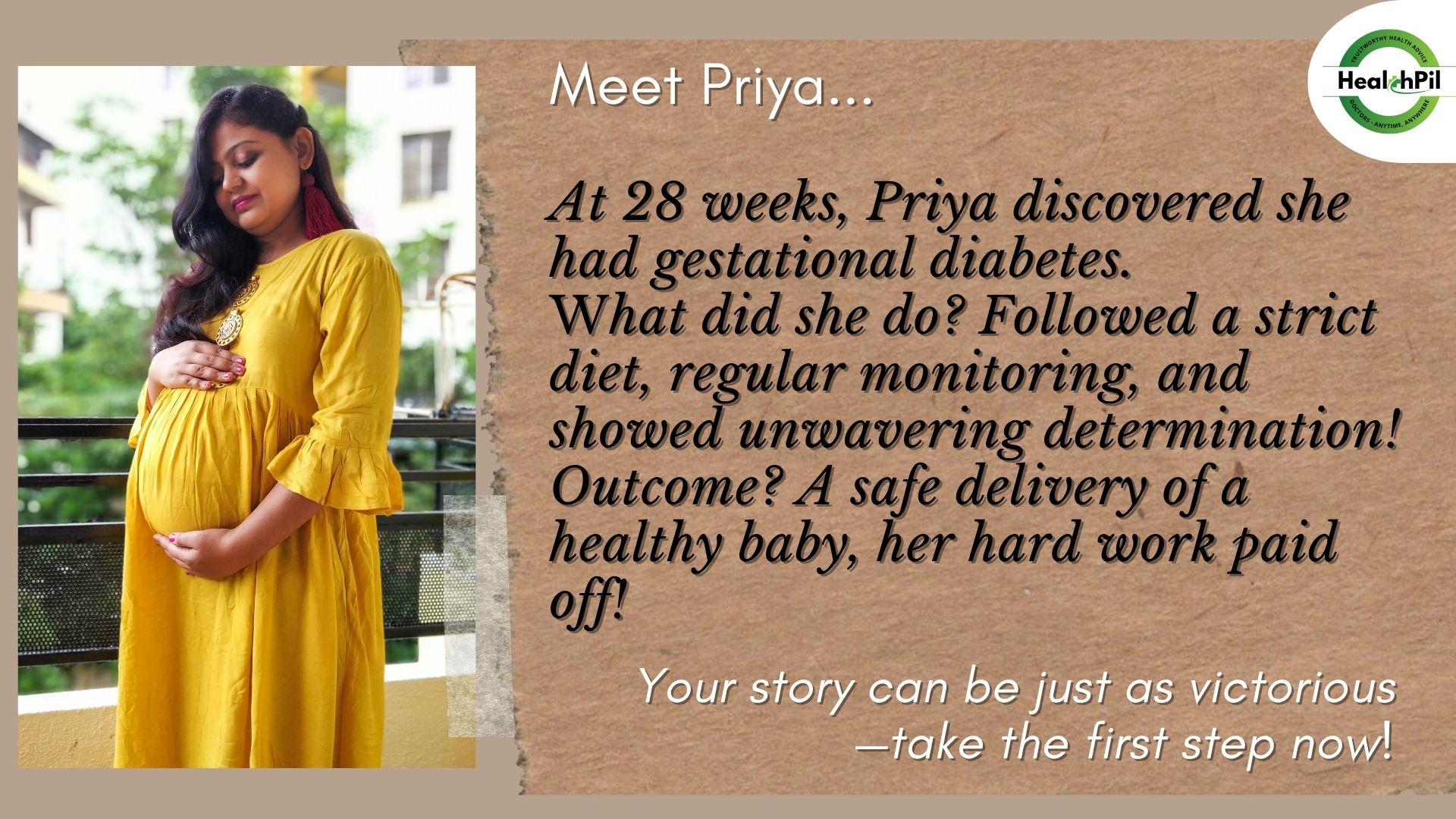
Yes. A diagnosis of GDM is not a sign that something has gone permanently wrong. With early detection, a well-planned gestational diabetes diet, regular glucose monitoring during pregnancy, appropriate exercise, and close support from a pregnancy care specialist or endocrinologist consultation, most women with gestational diabetes have healthy pregnancies and deliver healthy babies.
Blood Sugar Targets During Pregnancy
Doctors typically aim to keep pregnancy blood sugar levels within specific ranges. Fasting blood sugar should ideally stay below 95 mg/dL. One hour after meals, it should be below 140 mg/dL. Two hours after meals, below 120 mg/dL.
These targets help reduce the risk of complications for the baby and make labour and delivery safer. Blood sugar monitoring in pregnancy is how doctors track whether the management plan is working and whether any adjustments are needed.
Best Exercises for Gestational Diabetes
Exercise for gestational diabetes is one of the most effective natural tools for managing blood sugar. Physical activity improves how the body uses insulin, which helps keep glucose levels stable.
Safe options include walking, prenatal yoga, light stretching, and swimming. Aim for around 30 minutes of moderate activity on most days but always check with your doctor before starting or changing an exercise routine during pregnancy.
What Happens if Gestational Diabetes is Left Untreated?
Unmanaged gestational diabetes raises serious risks for both mother and baby. For the baby, risks include macrosomia a large baby which increases cesarean delivery risk, premature delivery, breathing problems after birth, neonatal hypoglycemia low blood sugar in the newborn and NICU care for newborn in more serious cases. There is also a higher risk of obesity risk in children born to mothers with unmanaged GDM.
For the mother, untreated gestational diabetes raises the risk of type 2 diabetes after pregnancy, high blood pressure, and complications in future pregnancies. This is why a postpartum glucose test is recommended after delivery to check whether blood sugar has returned to normal and assess future pregnancy diabetes risk.
How Often Should Blood Sugar Be Monitored?
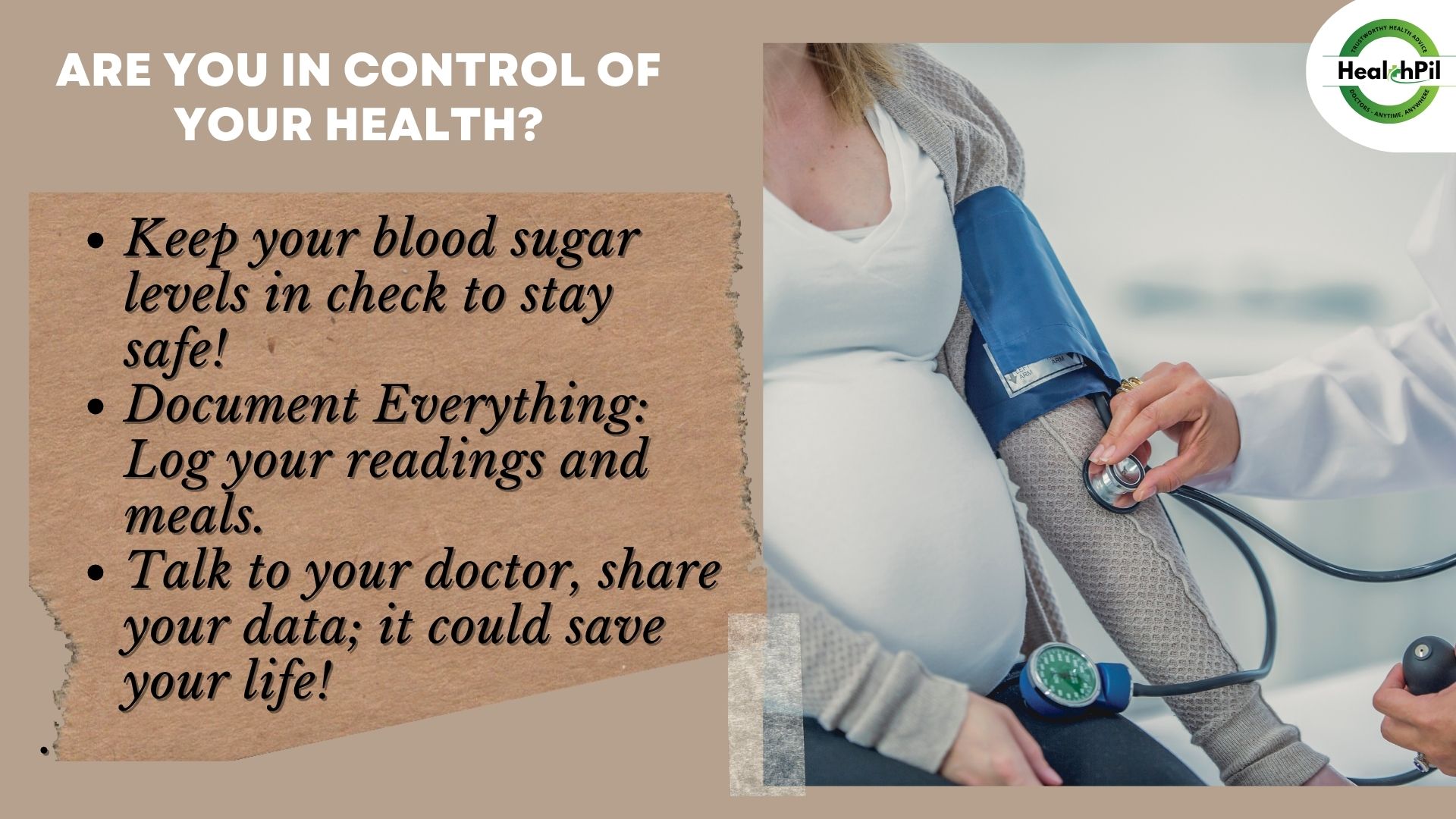
Glucose monitoring during pregnancy for women with gestational diabetes is usually done several times a day. A fasting reading first thing in the morning, readings after each main meal, and sometimes a reading before bed depending on the treatment plan.
Keeping a log of blood sugar readings alongside food intake and physical activity helps the doctor see patterns and adjust the management plan accordingly.
Emotional Health and Gestational Diabetes
A gestational diabetes diagnosis can feel overwhelming. Many mothers feel anxious, guilty, or worried about what it means for their baby. These feelings are completely understandable.
Stress management matters too stress hormones can raise blood sugar, which is why emotional wellbeing is genuinely part of managing high blood sugar during pregnancy. Talking to a counsellor, leaning on family support, connecting with other mothers going through the same thing, and keeping communication open with the healthcare team all help.
Causes and Risk Factors of Gestational diabetes
- Hormonal Changes During pregnancy, the placenta produces hormones that help the baby grow. These same hormones interfere with how the body uses insulin this is insulin resistance during pregnancy. For most women the pancreas compensates. When it cannot, gestational diabetes develops.
- Weight Gain Obesity and gestational diabetes are strongly linked. Being overweight before pregnancy or gaining significant weight during pregnancy increases insulin resistance and raises GDM risk.
- Ethnicity and Indian Risk Factor Indian women carry a much higher risk of gestational diabetes compared to women in the West. Studies show Indian women are nearly 11 times more likely to develop GDM than Caucasian women. This is linked to genetics, insulin resistance patterns common in South Asian populations, and lifestyle factors. Because of this, doctors in India often recommend earlier and more frequent screening for pregnant women even those without other risk factors.
- Family History A family history of diabetes particularly type 2 diabetes increases the likelihood of developing gestational diabetes. PCOS and gestational diabetes are also connected women with polycystic ovary syndrome already have some degree of insulin resistance even before pregnancy. This makes their body work harder to manage blood sugar once pregnancy hormones add extra strain on the pancreas. If you have PCOS, mention it to your doctor early it may mean earlier screening is needed.
- Age Women over 25 have a higher risk of developing GDM, with risk increasing further with age.
- Previous history A previous pregnancy with gestational diabetes significantly raises the chances of it occurring again. Women with this history should mention it clearly to their pregnancy care specialist at the start of each new pregnancy so monitoring can begin early.
- Recognizing Symptoms When gestational diabetes does cause symptoms, they include increased thirst, frequent urination beyond the usual pregnancy pattern, fatigue, nausea or vomiting, and blurred vision.
These symptoms overlap with normal pregnancy experiences, which is why they are easy to miss or attribute to something else. Any of these symptoms especially if they feel more intense than usual are worth mentioning to a doctor promptly.
Diagnosis of Gestational Diabetes
Screening for gestational diabetes usually happens in stages. Women with known risk factors like obesity, PCOS, or family history are often tested early, between 12 and 16 weeks. All pregnant women, regardless of risk, are tested again between 24 and 28 weeks, since this is when pregnancy hormones peak and GDM is most likely to show up. In some cases, if results were borderline or risk is high, doctors repeat testing between 32 and 34 weeks too.
The main screening test involves drinking a glucose solution, followed by a blood test an hour later to see how the body processed it. If the result is higher than normal, the next step is the oral glucose tolerance test (OGTT) a more detailed test that checks blood sugar while fasting, and again at set points after drinking the glucose solution. This confirms whether gestational diabetes is present.
The DIPSI Test India’s Own Screening Method
Many hospitals in India use a simpler test called DIPSI, developed specifically for Indian women. Unlike the standard test, DIPSI does not require fasting. A woman drinks a 75-gram glucose solution any time, regardless of when she last ate. Blood sugar is checked once, two hours later. If the reading is above 140 mg/dL, it points to gestational diabetes. Doctors often prefer DIPSI in India because it’s quicker, cheaper, and easier to follow no early morning fasting needed.
IADPSG Criteria The Detailed Version
For a more detailed diagnosis, doctors use the IADPSG method. This involves the OGTT test with three separate readings fasting, one hour after the glucose drink, and two hours after. If any of these values cross the limit, gestational diabetes is confirmed:
- Fasting: 92 mg/dL or higher
- 1 hour after: 180 mg/dL or higher
- 2 hours after: 153 mg/dL or higher
Even one high reading is enough for a diagnosis.
Prevention of Gestational Diabetes
Not always some risk factors like age or family history can’t be changed. But several things can lower the chances.
Maintaining a healthy weight before pregnancy helps. So does staying physically active in the months leading up to conception. Eating a balanced diet one with less sugar and refined carbs, even before pregnancy begins makes a real difference too.
Women with PCOS or a family history of diabetes should talk to their doctor before planning a pregnancy. Sometimes early lifestyle changes, started even a few months before conceiving, lower the risk significantly.
And if you’ve had gestational diabetes before, losing any extra weight gained during that pregnancy and staying active afterward reduces the chance of it happening again next time.
Potential Risks and Complications of Gestational Diabetes
- Macrosomia Macrosomia means the baby grows larger than average because excess blood sugar from the mother crosses the placenta and causes the baby to produce more insulin and store more fat. A large baby increases cesarean delivery risk, shoulder dystocia risk, and delivery complications.
- Preterm Birth Elevated blood sugar levels during pregnancy are linked to preterm labour. Babies born early may need NICU care for newborn until they are ready to go home.
- Low Blood Sugar (Hypoglycemia) Neonatal hypoglycemia \low blood sugar in the newborn can happen shortly after birth because the baby has been producing extra insulin in response to the mother’s high blood sugar. Once the umbilical cord is cut, that glucose supply stops but the insulin production continues temporarily.
- Increased Risk of Type 2 Diabetes Having gestational diabetes significantly increases a woman’s risk of developing type 2 diabetes after pregnancy. This is why a postpartum glucose test is recommended six to twelve weeks after delivery, and why staying aware of future pregnancy diabetes risk through healthy lifestyle habits matters long after the baby arrives.
- Preeclampsia Gestational diabetes increases the risk of preeclampsia a condition where blood pressure rises dangerously during pregnancy, sometimes along with protein in the urine. Preeclampsia can affect blood flow to the baby and, if untreated, become serious for both mother and child. This is one more reason regular blood pressure checks matter just as much as blood sugar checks during a GDM pregnancy.
- Stillbirth Risk This is hard to hear, but it needs to be said clearly. Poorly controlled gestational diabetes, especially when blood sugar stays high for long periods, can increase the risk of stillbirth. It’s rare when GDM is properly managed but it’s exactly why regular monitoring, doctor visits, and sticking to the treatment plan matter so much. This isn’t meant to scare anyone. It’s meant to explain why “just a little high” blood sugar is never something to ignore.
Management and Treatment of Gestational Diabetes
Dietary Modifications
A gestational diabetes diet focuses on balanced, low sugar diet pregnancy principles. Eat whole grains, lean proteins, vegetables, and fruits. Avoid processed sugars, white bread, and sugary drinks. A diabetic diet during pregnancy does not mean eating less it means eating in a way that keeps blood sugar stable. Smaller, more frequent meals throughout the day work better than three large ones for managing glucose levels.
A referral to a dietitian as part of an endocrinologist consultation or through a pregnancy care specialist can help create a personalised eating plan.
Regular Monitoring
Blood sugar monitoring in pregnancy is essential. Keep a log of fasting and after-meal readings, food intake, and physical activity. This data helps the diabetes specialist doctor or obstetrician adjust the management plan and catch any patterns that need attention.
Physical Activity
Exercise for gestational diabetes improves insulin sensitivity naturally. Walking after meals is one of the simplest and most effective ways to bring down post-meal blood sugar. Always confirm exercise plans are safe with the doctor before starting.
Medical Intervention
When gestational diabetes diet changes and exercise are not enough to keep blood sugar within target range, insulin injections during pregnancy may be prescribed. Insulin is safe to use during pregnancy and does not cross the placenta to the baby. The dose is adjusted regularly based on glucose monitoring during pregnancy results.
Importance of Regular Check-ups
Regular antenatal screening appointments are crucial throughout a GDM pregnancy. The doctor monitors pregnancy blood sugar levels, the baby’s growth, the mother’s blood pressure, and overall maternal health. These visits are also the right time to ask questions, review the management plan, and discuss any concerns about fetal health or delivery planning.
When to See a Doctor for Gestational Diabetes
Seek medical attention promptly if you experience excessive thirst or dehydration, frequent urination that feels beyond normal pregnancy changes, blurred vision, severe fatigue or weakness, persistent nausea or vomiting, high blood sugar readings on home monitoring, reduced fetal movement, dizziness or fainting, sudden swelling or rising blood pressure, or recurrent infections especially urinary tract infections, which are more common with high blood sugar during pregnancy.
Regular prenatal care and antenatal screening are the most important tools for catching and managing gestational diabetes before complications develop. If getting to a clinic for a follow-up is not immediately possible or if you have been recently diagnosed and want to speak to a specialist quickly an online diabetes consultation with a diabetes specialist doctor or endocrinologist is a practical option. You can discuss your glucose monitoring results, ask about gestational diabetes treatment adjustments, and get guidance on your gestational diabetes diet and exercise plan without delay.
How HealthPil can help?
HealthPil connects expectant mothers with pregnancy care specialists, diabetes specialist doctors, and endocrinologists who can support gestational diabetes management from diagnosis through to the postpartum glucose test. Book an online diabetes consultation today and get the expert guidance your pregnancy deserves.
Summary
Gestational diabetes is a serious but manageable condition. With early diagnosis through antenatal screening, a good gestational diabetes diet, regular glucose monitoring during pregnancy, appropriate exercise for gestational diabetes, and support from the right healthcare team, a healthy pregnancy outcome is absolutely achievable.
The key is not to wait. The earlier gestational diabetes is found and managed, the better the outcomes for both mother and baby.
Frequently Asked Questions
What is gestational diabetes?
Gestational diabetes is a condition in which blood sugar levels become high during pregnancy due to hormonal changes affecting insulin function.
Can gestational diabetes harm the baby?
Yes. If left untreated, gestational diabetes may increase the risk of high birth weight, premature birth, low blood sugar in newborns, and delivery complications.
Can gestational diabetes go away after pregnancy?
In most women, blood sugar levels return to normal after delivery. However, the risk of developing type 2 diabetes later in life remains higher.
What foods should I avoid with gestational diabetes?
Women with gestational diabetes should avoid sugary drinks, sweets, processed snacks, white bread, pastries, and foods high in refined carbohydrates.
Can I consult a doctor online for gestational diabetes?
Yes. Online consultations can help pregnant women connect with gynecologists, diabetologists, and nutrition experts for blood sugar monitoring, diet guidance, treatment advice, and pregnancy care from home.
References
- Rodriguez BSQ, Mahdy H. Gestational Diabetes Mellitus. StatPearls Publishing. Available at:
NCBI Bookshelf - Kunarathnam V, et al. Gestational Diabetes Mellitus. Available at:
PubMed
Disclaimer
The information provided in this article is for awareness purposes only and should not replace professional medical advice. Always consult your healthcare provider for personalized medical guidance.

Read our editorial policy