

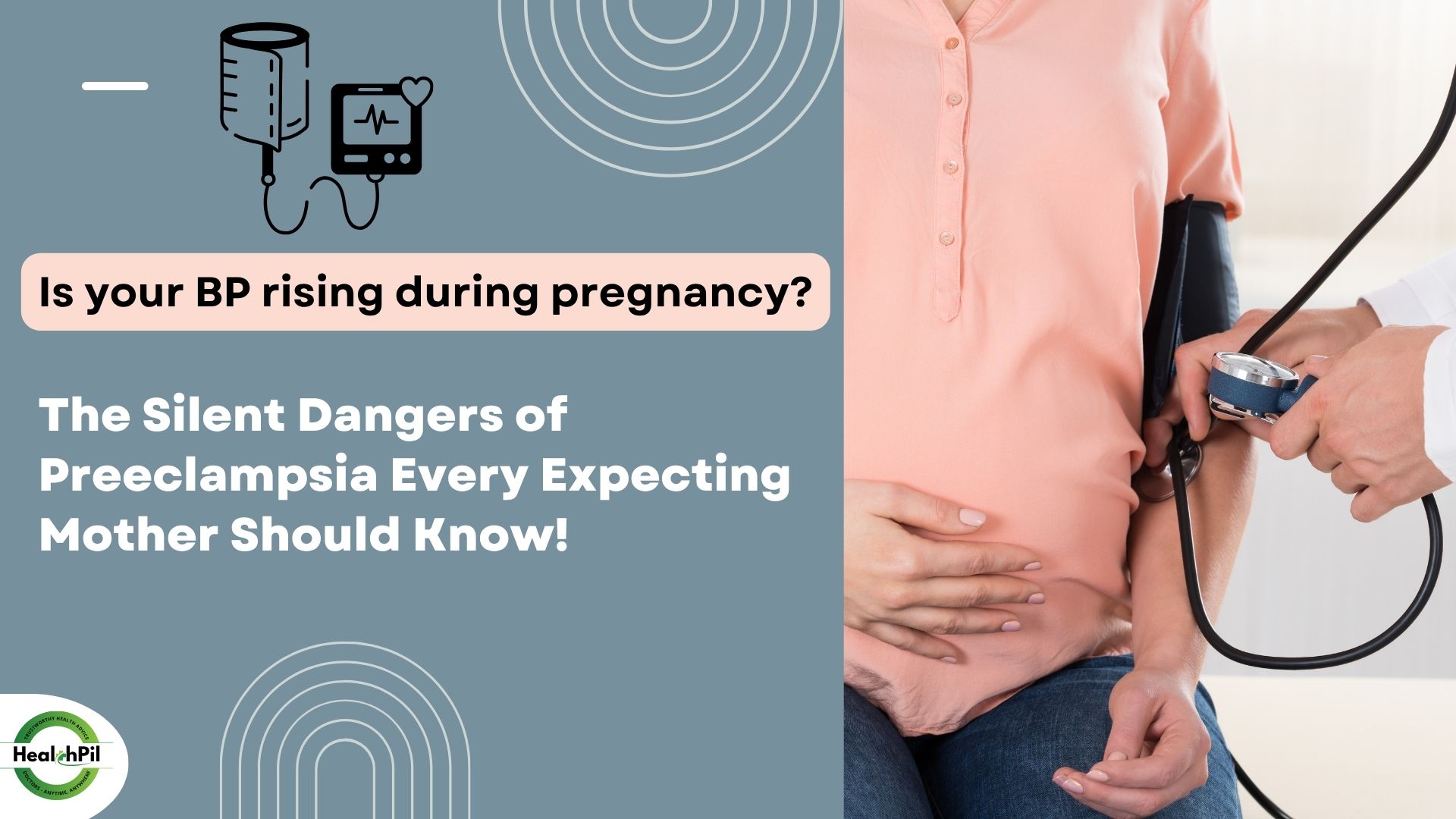

A routine prenatal checkup. The nurse wraps the blood pressure cuff around the arm, pumps it up, and frowns slightly at the reading. She takes it again. The number is still higher than it should be.
For many women, that is how preeclampsia first comes to light — not through dramatic symptoms, but through a blood pressure reading at a routine visit. There was no warning. No obvious signs. Just a number on a machine that changed everything about the pregnancy plan.
Preeclampsia is one of the most serious pregnancy complications, and one of the most important reasons why prenatal care and regular checkups are not optional. Understanding what it is, what the early signs of preeclampsia look like, and when to seek help can make a critical difference in outcomes for both mother and baby.
Who Could be at Risk for Preeclampsia?
Preeclampsia affects up to 8 percent of pregnancies worldwide and almost always develops after the 20th week. It is not limited to women with known health problems it can happen in first-time mothers with no prior history of high blood pressure and no other obvious risk factors. It’s also linked to nearly 15 percent of all preterm births babies born before 37 weeks.
That unpredictability is part of what makes preeclampsia so important to understand. Any expecting mother can develop it. This is part of why doctors take blood pressure readings so seriously at every single prenatal visit, even when everything else seems fine.
What is Preeclampsia?
Preeclampsia is a condition that develops during pregnancy when the placenta does not receive adequate blood flow. This causes problems with the mother’s blood vessels, leading to high blood pressure during pregnancy and, in many cases, protein in urine a sign that the kidneys are under stress.
Without treatment, preeclampsia can progress to eclampsia a life-threatening condition involving seizures that puts both mother and baby at serious risk. It can also lead to HELLP syndrome a severe form of preeclampsia that involves liver damage and breakdown of red blood cells.
Preeclampsia usually develops in two stages. First, blood pressure climbs above the normal range typically 140/90 mmHg or higher. Then, as the condition progresses, the kidneys start showing stress, and protein leaks into the urine. This two-stage pattern is why doctors check both blood pressure and urine at every visit one number alone doesn’t tell the full story.
Preeclampsia during pregnancy is a medical condition that needs close monitoring and, when necessary, prompt treatment.
Types of Preeclampsia
- Mild Preeclampsia Mild preeclampsia involves slightly elevated blood pressure and mild symptoms. It requires regular checkups and close monitoring but can often be managed without hospitalisation in the early stages.
- Severe Preeclampsia Severe preeclampsia is a more urgent situation. It can cause serious organ damage affecting the liver, kidneys, and other systems and may lead to seizures or placental abruption if not treated quickly.
- Early-Onset Preeclampsia Early-onset preeclampsia develops before 34 weeks. It carries higher risks for both mother and baby because the baby is still far from full-term, making delivery a more complicated decision.
- Late-Onset Preeclampsia Late-onset preeclampsia develops after 34 weeks and is more common. While still serious, outcomes are generally better because the baby is closer to being ready for delivery.
- Postpartum Preeclampsia Postpartum preeclampsia is rare but serious. It develops after childbirth sometimes within days, sometimes up to six weeks later. It needs immediate medical attention. Any new mother with severe headaches, blurred vision, or swelling after birth should seek urgent care.
- Difference Between Preeclampsia and Eclampsia Preeclampsia is characterised by high blood pressure and organ stress most commonly affecting the kidneys, shown by protein in urine. It is serious, but manageable with the right treatment.
Eclampsia is what preeclampsia becomes if it is not treated a severe condition involving seizures, where the risk to both mother and baby becomes life-threatening. The progression from preeclampsia to eclampsia is what makes early diagnosis so critical.
Causes and Risk Factors of Preeclampsia
The exact cause is not fully understood, but several factors raise the risk.
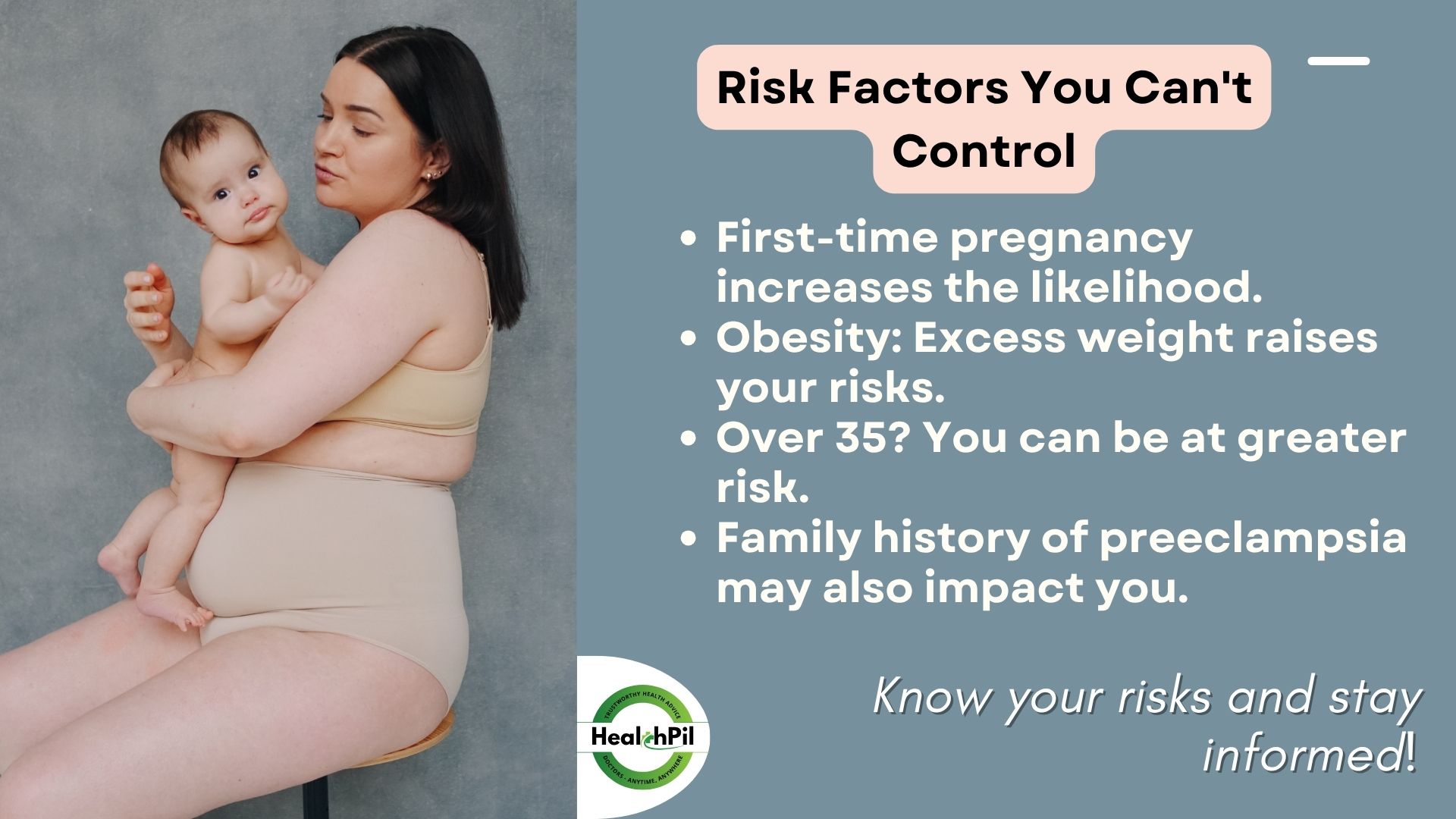
First-time pregnancy carries a higher risk the body’s immune response to the placenta is different the first time. Obesity is closely linked to pregnancy hypertension risk. Women over 35 are more susceptible. A family history of preeclampsia is a significant risk factor. Multiple pregnancies twins or more increase the risk because of the added demands on the circulatory system.
The gap between pregnancies matters too. Less than one year, or more than ten years, between pregnancies has been linked to a higher risk. Interestingly, becoming pregnant with a new partner even if it isn’t a first pregnancy overall also raises the risk slightly, likely because the body’s immune response adjusts each time.
Other risk factors include pre-existing diabetes, kidney disease, high blood pressure before pregnancy, and autoimmune conditions. High-risk pregnancy situations involving any of these need extra monitoring at every visit.
Recognizing Symptoms
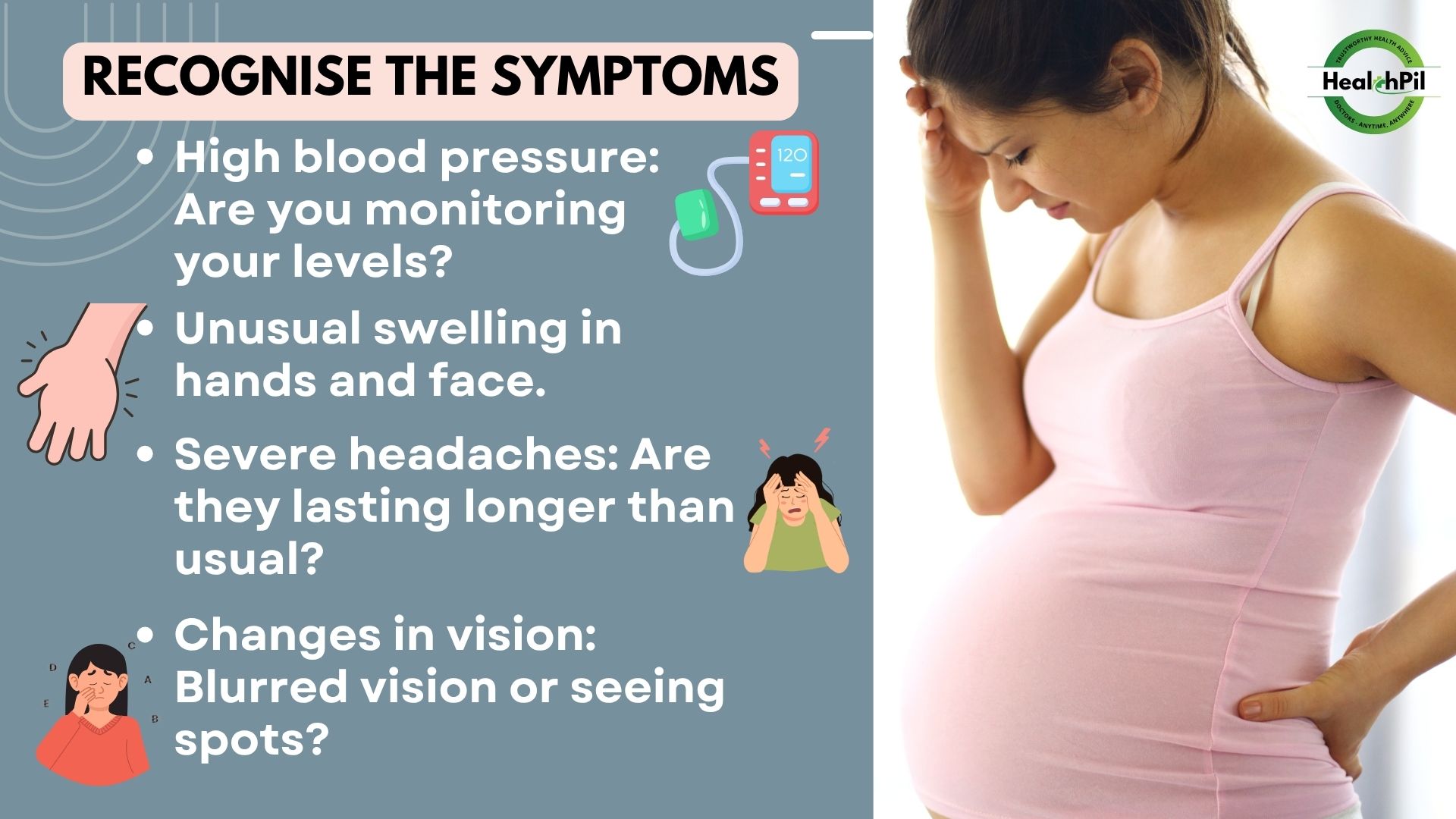
Symptoms aren’t always obvious, which is why regular blood pressure checks matter so much. But when symptoms do appear, they should never be ignored.
Signs include high blood pressure readings of 140/90 mmHg or higher, swelling particularly in the hands and face sudden and unexplained weight gain, severe headaches that don’t settle with rest, blurred vision or flashing lights, and pain below the ribs on the right side, which can indicate liver involvement.
Early signs can be subtle. Any of these symptoms, especially in combination, are a reason to contact a doctor without waiting.
When to See a Doctor
Seek immediate medical attention for severe or persistent headache, blurred vision or flashing lights, sudden swelling in the face, hands, or feet, severe pain below the right ribs, sudden weight gain, shortness of breath, decreased urine output, or high blood pressure readings on a home monitor.
These are warning signs that need urgent assessment. Do not wait to see if they pass.
If symptoms are mild and you’re unsure, an online gynecologist consultation is a practical first step. Describe your symptoms blood pressure readings if you have them, swelling, headaches, vision changes and a specialist can help you decide how quickly you need in-person care. For anything sudden or severe, go directly to hospital.
Diagnosis of Preeclampsia
Diagnosis starts with routine prenatal checkups — which is why attending every scheduled appointment matters so much. Blood pressure is measured at every visit, and urine is tested for protein. Many women feel reasonably well until the condition has already advanced, which is exactly why this routine monitoring is non-negotiable.
If preeclampsia is suspected, additional tests follow — blood tests to check liver and kidney function, clotting checks linked to HELLP syndrome, ultrasound scans to monitor the baby’s growth, and Doppler studies to check blood flow through the placenta.
Potential Risks and Complications
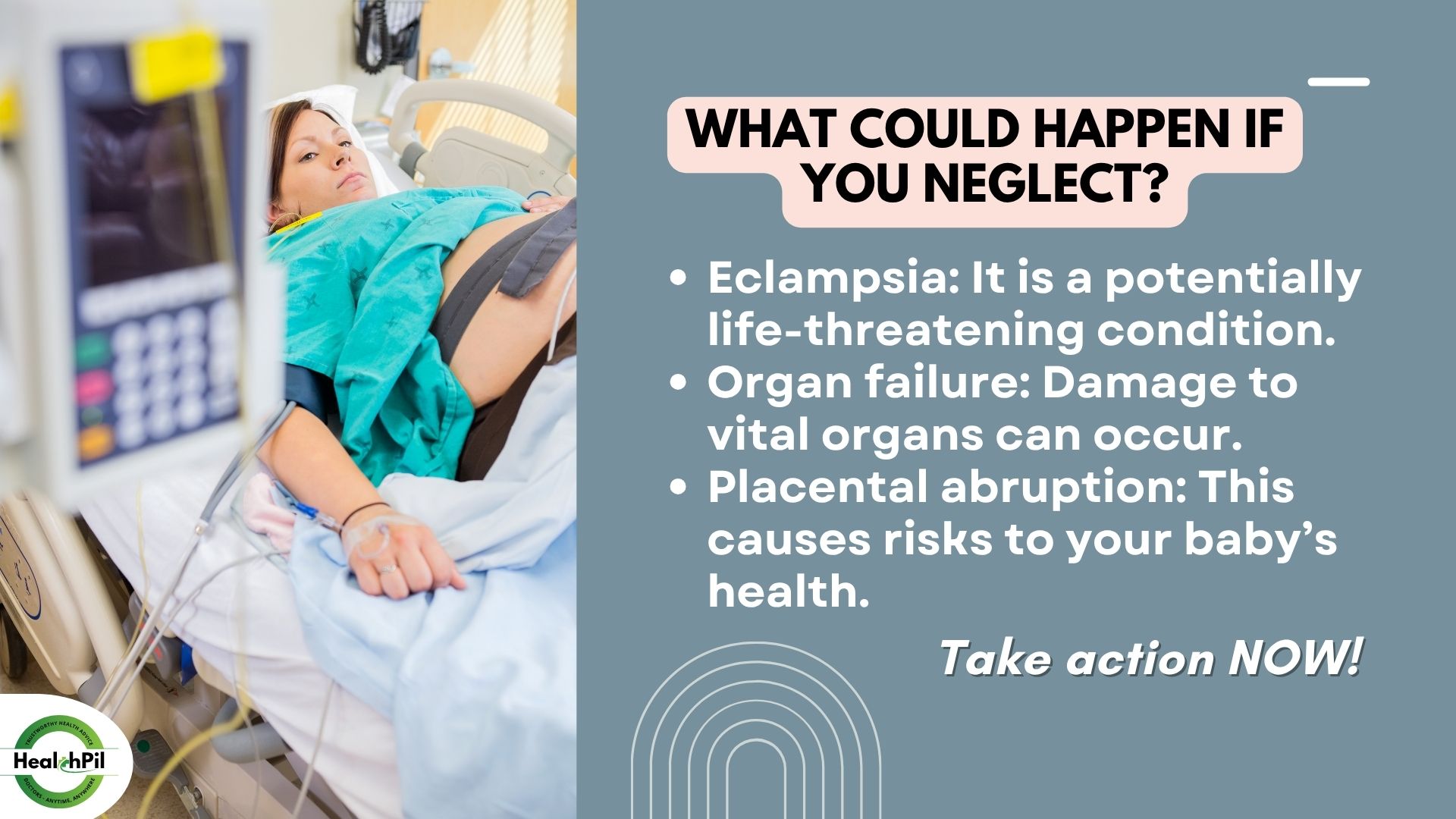
Untreated preeclampsia can progress to eclampsia life-threatening seizures for both mother and baby. It can cause organ damage affecting the liver and kidneys, sometimes leading to organ failure. Placental abruption where the placenta detaches from the uterine wall causes heavy bleeding and is a medical emergency. HELLP syndrome is another serious complication of untreated severe preeclampsia.
- Risks for the Baby Can preeclampsia harm the baby? Yes. It reduces blood flow and nutrient supply through the placenta, directly affecting growth and development.
- Foetal Growth Restriction When the placenta doesn’t get enough blood flow, the baby doesn’t receive the nutrition needed for normal growth. This is called foetal growth restriction the baby measures smaller than expected for its stage of pregnancy. It’s tracked closely through regular growth scans.
- Other risks for the baby include preterm birth since delivery is sometimes the safest option even before full-term breathing difficulties after delivery, and increased NICU admission risk.
- Long-Term Heart Health Risk for the Mother Preeclampsia doesn’t only affect the pregnancy itself. Women who have had it carry a higher lifetime risk of heart disease and stroke even years later. This risk is higher if it happened more than once, or led to a preterm delivery. It’s one more reason follow-up care after pregnancy matters, not just during it.
- Recurrence in Future Pregnancies Having preeclampsia once also raises the chances of it happening again in a future pregnancy. This doesn’t mean it will definitely return but it does mean future pregnancies need closer monitoring from the start, with the doctor aware of the history.
Management and Treatment of Preeclampsia
Treatment depends on how severe the condition is and how far along the pregnancy is.
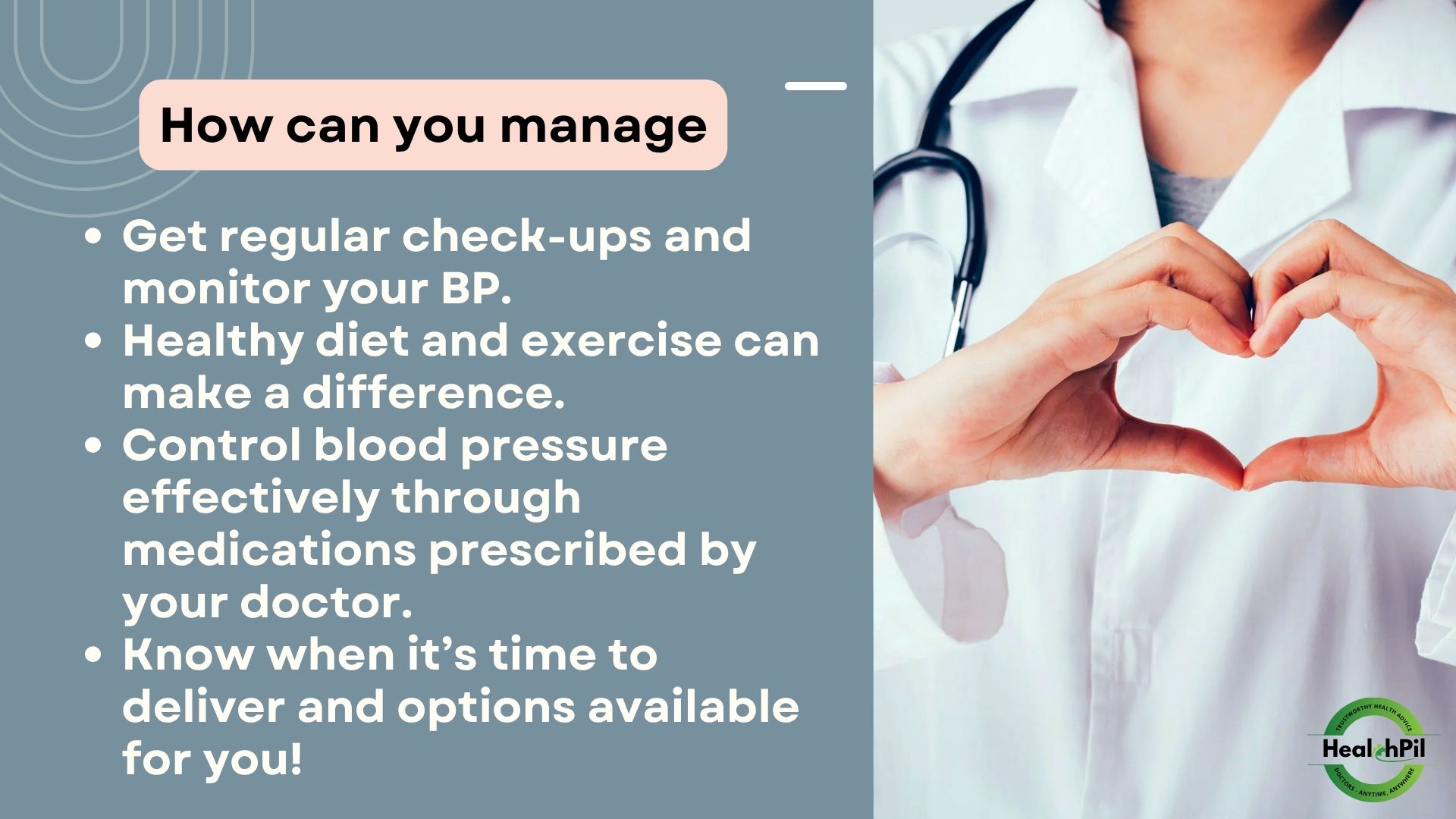
Regular checkups with blood pressure and urine monitoring are the foundation. When blood pressure needs controlling, antihypertensive medications are used. Magnesium sulfate is used in more serious cases to prevent seizures a key part of treating severe preeclampsia and HELLP syndrome.
Lifestyle adjustments matter too. A balanced low-salt diet, staying active within safe limits, managing stress, and avoiding smoking and alcohol all support maternal health.
In the most serious cases, delivery is the most effective treatment timing depends on severity and how developed the baby is. This decision is made carefully with a maternal fetal medicine specialist or obstetrician.
If early delivery becomes necessary, especially before 34 weeks, doctors often give steroid injections beforehand. These speed up the baby’s lung development, lowering the risk of breathing problems after birth.
How to Reduce the Risk of Preeclampsia
Prevention isn’t always possible some cases occur regardless of lifestyle. But certain habits reduce the risk meaningfully.
Attend all prenatal checkups without exception. Maintain a healthy weight. Follow a balanced, low-salt diet. Stay active as your doctor advises. Avoid smoking and alcohol. Manage pre-existing conditions carefully. Take prescribed supplements and medications on time.
For women at higher risk, doctors sometimes recommend low-dose aspirin, usually starting in the first trimester but only if prescribed, never on your own.
A calcium-rich diet also helps. Calcium supports healthy blood pressure, and low calcium levels have been linked to higher preeclampsia risk. Milk, curd, ragi, and sesame seeds are simple ways to add more calcium to daily meals.
How HealthPil Can Support You
HealthPil connects expecting mothers with experienced gynecologists and pregnancy care specialists for safe, timely maternal fetal medicine support. Whether you need monitoring for high-risk pregnancy, guidance on treatment for preeclampsia, or a pregnancy specialist consultation from home, HealthPil makes expert care accessible. Book an online gynecologist consultation today because when it comes to preeclampsia, early care is everything.
Summary
Preeclampsia is a serious pregnancy complication but with early detection, proper prenatal care, and the right medical support, most mothers and babies come through it safely.
Know the symptoms. Attend every prenatal appointment. Act quickly when something doesn’t feel right. And don’t hesitate to seek help in person or through an online consultation when warning signs appear.
Frequently Asked Questions
What is preeclampsia in simple words?
Preeclampsia is high blood pressure that develops during pregnancy, usually along with protein in the urine, signaling stress on the kidneys.
Can preeclampsia be cured without delivery?
No. Delivery is the only real cure. Until then, doctors manage symptoms through medication, monitoring, and lifestyle changes.
Can you deliver normally with preeclampsia?
In many cases, yes vaginal delivery is possible if the condition is mild and well controlled. Severe cases may need earlier delivery or a cesarean.
Does preeclampsia go away after delivery?
Usually, yes — blood pressure returns to normal within a few weeks. But some women develop postpartum preeclampsia, so monitoring continues after delivery too.
What foods should be avoided with preeclampsia?
In many cases, yes — vaginal delivery is possible if the condition is mild and well controlled. Severe cases may need earlier delivery or a cesarean.
Is preeclampsia hereditary?
A family history of preeclampsia does raise the risk, though it isn’t guaranteed just because a mother or sister had it.
Can I consult a doctor online for preeclampsia symptoms?
Usually, yes — blood pressure returns to normal within a few weeks. But some women develop postpartum preeclampsia, so monitoring continues after delivery too.
References
- Karrar SA, Martingano D. Preeclampsia. StatPearls Publishing. Available at:
NCBI Bookshelf - Karrar SA, Martingano D. Preeclampsia. Available at:
PubMed
Disclaimer
The information provided in this article is for awareness purposes only and should not replace professional medical advice. Always consult your healthcare provider for personalized medical guidance.

Read our editorial policy