

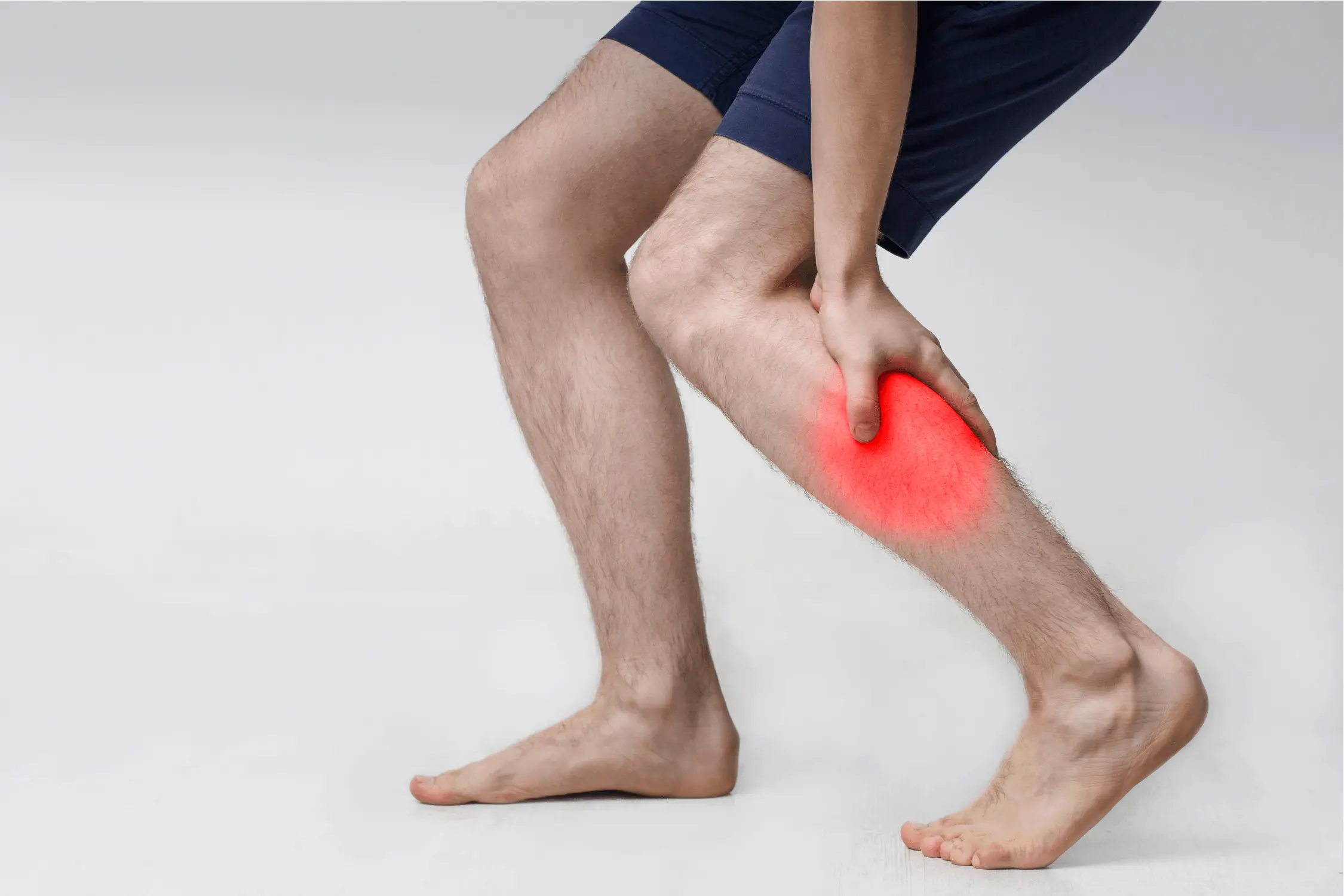
Muscle cramps are a common issue people mention in medical visits. Muscle spasms can strike with sudden intensity and cause sharp pain. They might happen during exercise, while resting, or even wake you from deep sleep. In most cases, muscle cramps are harmless, short-lived, and resolve on their own. Frequent or severe muscle cramps can sometimes signal a medical or neurological issue.
This guide covers muscle cramps, their common causes, and how to manage or prevent them at home. It also highlights red flags to watch for and when to consult a neurologist.
What Is a Muscle Cramp?
A muscle cramp is a sudden, involuntary muscle contraction. This means the muscle tightens on its own and may not relax for a few seconds to a couple of minutes.
Most people describe it as a sharp, intense tightening or “seized” sensation. The calf is the most common site, but cramps can happen in the thighs, feet, hands, abdomen, and even the back. You can sometimes see or feel the muscle knotting up under the skin.
After a cramp passes, the area may feel sore and tender for several hours. That soreness comes from the muscle fibers contracting with great force.

Common Causes of Muscle Cramps
Cramps usually result from a combination of factors. The most common ones are:
1. Dehydration
When you don’t drink enough fluids, your body can get dehydrated. This is especially true in hot weather or during intense exercise. This cuts blood flow to the muscles and messes up the mineral balance needed for normal function. The muscles become irritable and more prone to cramping.
2. Electrolyte Imbalance
Electrolytes are minerals in your blood. They help carry electrical signals. These signals control muscle contraction and relaxation. Low levels of sodium, potassium, calcium, or magnesium can disrupt signaling. This can cause muscles to contract with a sudden force or result in cramps due to a lack of control. This is a very common reason for muscle cramps, especially in people who sweat a lot or have a restricted diet.
3. Overuse and Muscle Fatigue
Exerting a muscle beyond its limits can lead to fatigue. This happens during long runs, heavy lifting, or even when standing for too long. A tired muscle is far more likely to cramp. This is why cramps are common toward the end of athletic activity and not at the beginning.
4. Poor Blood Circulation
When someone cuts off blood flow to a limb, muscles can cramp. This can happen if they sit in a weird position, have peripheral artery disease, or press on a nerve for too long. This is sometimes why cramps happen after sitting cross-legged for too long.
5. Medications
Certain commonly prescribed medications can cause cramps as a side effect.
These include:
- Diuretics (tablets for blood pressure or heart issues)
- Statins (for cholesterol)
- Asthma inhalers with salbutamol
- Some antidepressants
If cramps start or get worse after you begin a new medication, tell your doctor.
6. Nerve Related Causes
Nerve compression can happen when a nerve gets pinched in the spine. This can cause cramps or cramp-like feelings in the arms and legs. They exhibit distinct characteristics compared to regular cramps. You might also feel numbness, tingling, or weakness.
7. Pregnancy
Leg cramps are particularly common in the second and third trimesters. The expanding uterus presses on blood vessels and nerves. Also, pregnancy’s nutritional needs can lower magnesium and calcium levels. Most pregnancy-related cramps are benign but uncomfortable.
Muscle Cramps: What’s Normal and When to See a Doctor
It’s normal to get cramps after exercise or on hot days if you’re not hydrated. They usually go away on their own.
Signs that cramps are ordinary and benign
- They happen every few weeks or less.
- Exercise, dehydration, or spending a long day on your feet links them.
- They go away in a short time and leave no lasting symptoms.
- There is no associated weakness, numbness, or swelling.
- Test your cramps with your doctor if you notice these signs:
- They occur several times each week or every day.
- They occur without any obvious trigger (at rest, at night, without exertion)
- They are experiencing an increasing frequency and severity of issues.
- Muscle weakness, numbness, or tingling accompanies them.
- There is visible muscle wasting (muscles appearing smaller than before)
- They are having a significant impact on your quality of life and sleep.
Night Time Leg Cramps: Why Do They Happen?
Waking up at 2 a.m. with your calf seized in a painful knot is an experience many people know well. Nighttime leg cramps, known as nocturnal leg cramps, are common and often disruptive.
Several things contribute to them:
Sleeping with your toes pointed down (plantar flexion) shortens the calf muscle. This increases the chance of cramping.
- Reduced blood circulation during prolonged inactivity
- Declining electrolyte levels after a day of sweating or inadequate dietary intake
Nocturnal cramps are more common as we age. This happens partly because our circulation and nerve function change.
Underlying conditions, including peripheral artery disease, diabetes, chronic venous insufficiency, or spinal stenosis
Sedentary behavior sitting all day limits leg movement and circulation.
Night cramps differ from restless legs syndrome (RLS). RLS makes you feel a strong urge to move your legs. Night cramps cause painful muscle contractions. The two are sometimes confused.
Neurological Causes of Muscle Cramps
Most cramps originate in the muscle itself, triggered by the factors described above. But sometimes, the problem is in the nerves that control the muscle.
Neurological causes of cramps include
Peripheral Neuropathy
Damage to peripheral nerves can disrupt signals. These nerves are outside the brain and spinal cord. This disruption can lead to muscle cramps, especially in the feet and legs. Diabetes is the most common cause of peripheral neuropathy. The cramps in neuropathy often come with burning, numbness, or a pins-and-needles sensation.
Motor Neuron Disease (MND)
Motor neuron conditions affect the nerve cells that control muscle movement. Early signs include fasciculations, which are visible muscle twitches, and cramps. This occurrence is uncommon, yet it is crucial to recognize.
Spinal Stenosis and Nerve Compression
A slipped disc, arthritis, or a narrow spinal canal can compress spinal nerves. This can cause muscle cramps. These cramps usually happen in the legs. They often come with back pain, leg weakness, or less ability to walk.
How Neurological Cramps Are Different from Regular Muscle Cramps
Neurological cramps tend to have these distinguishing features:
- Associated neurological symptoms (numbness, tingling, weakness, changes in reflexes)
- Muscle fasciculations (visible twitching under the skin)
- Progressive worsening without a clear lifestyle cause
- Occurring at rest rather than with activity
- Accompanied by changes in coordination or balance
- Muscle wasting is visible over weeks to months
How to Prevent Muscle Cramps
The good news is that most cramps are preventable with consistent habits. Here is what actually helps:
Stay Hydrated Throughout the Day
Do not wait until you feel thirsty thirst is a late indicator of dehydration. Aim for at least 2–2.5 liters of water daily, more if you exercise or live in a hot climate. For workouts longer than an hour, use electrolyte sachets instead of plain water.
Stretch your calves on a regular basis
A simple standing calf stretch before bed can significantly reduce nighttime cramps. Hold the stretch for 30 seconds on each side. For athletes, stretching before and after workouts is essential not a nice to have.
Review your diet
Get enough potassium from bananas, sweet potatoes, beans, and spinach. Also, include magnesium sources like nuts, seeds, leafy greens, and dark chocolate.
Get calcium from these sources:
- Dairy
- Fortified plant milks
- Sardines with bones
- Leafy greens
If you have a limited diet, talk to your doctor about supplements. Magnesium is often lacking.
Do not overtrain
Increase the intensity of exercise in small increments. Sudden increases in duration or effort are a common trigger for exercise related cramps. Rest enough between sessions, and pay attention to your body when your muscles feel tired.
Avoid long periods of sitting or standing
If your job involves sitting at a desk all day, make it a habit to walk around or stretch every hour. Stand for long periods? Shift your weight and wear compression socks. They help improve circulation.
Limit alcohol and caffeine
Both are diuretics they cause your body to lose fluid and, along with it, important minerals. Most people can handle moderate consumption, but heavy intake may increase cramps.
Sleep position
If you often get cramps at night, sleep with your feet flat instead of pointing down. Some people sleep better on their backs. They place a pillow under their knees or keep the bedsheets loose around their feet. This can help them feel more comfortable.
How to Immediately Relieve a Muscle Cramp
Stretch and hold. If you have a calf muscle cramp, flex your foot upward by pulling your toes towards you. Keep the stretch tight. Keep holding even through the discomfort. Avoid massaging while the cramp is active.
Stand up and walk if you can. Walking helps restore normal nerve and muscle signals. It usually shortens cramps.
Apply heat a warm towel or heating pad on the muscle helps it relax. Heat increases blood flow to the area. Cold can work for some people, particularly after the cramp has eased.
Gentle massage After the cramp eases, a gentle massage helps. It relaxes tightness and reduces soreness.
After the cramp passes, hydrate by drinking water. If you can, eat a banana or a small snack with electrolytes.
Most cramps resolve within 2 to 10 minutes. If a cramp lasts more than 10 minutes, try stretching or walking. If it still hurts, get help. If you have severe pain that won’t go away, see a doctor.
Muscle Cramps: Red Flags and When to See a Neurologist
Occasional cramps don’t need a specialist. However, some patterns are important to watch. Consider consulting a neurologist if you experience any of the following:
Consult a neurologist for muscle cramps.
- Cramps occurring many times a week without a clear cause
- Cramps that wake you from sleep most nights
- Muscle weakness in the affected limb (difficulty walking, dropping things)
Muscle wasting one limb appears thinner than the other.
- Visible muscle twitching (fasciculations) that persists when at rest
- Numbness or tingling in the arms, legs, hands, or feet
- Cramps began after the doctor started a new medication.
- Cramps in an unusual location (face, jaw, tongue, or trunk)
- Cramps accompanied by significant pain that lingers for days
Worsening cramps in someone with diabetes, thyroid disease, or kidney disease.
When Muscle Cramps Signal an Underlying Condition
Muscle cramps can be more than cramps; they might signal something else going on in the body. A few conditions that occur often with recurrent cramps include:
Diabetes and Diabetic Neuropathy
High blood sugar can harm peripheral nerves over time. This damage often causes cramps, especially in the feet and legs. These cramps are often accompanied by burning pain and numbness.
Thyroid Disorders
An underactive thyroid (hypothyroidism) affects almost every organ system, including muscles. Muscle cramps, aches, stiffness, and fatigue are common in hypothyroidism. A simple blood test checks your TSH level. This test shows how well your thyroid is working. If needed, thyroid hormone replacement works very well.
Chronic Kidney Disease (CKD)
The kidneys regulate electrolyte balance. When kidney function gets worse, potassium and calcium levels change. This can lead to frequent muscle cramps. Sometimes, the cramps are severe. People on hemodialysis often experience frequent cramps.
Peripheral Artery Disease (PAD)
Narrowing of the arteries in the legs reduces blood supply to the muscles. This causes cramping pain, which usually arises during walking and eases with rest. We call this claudication. It’s different from regular cramps, but people can confuse them.
Hypoparathyroidism
The parathyroid glands regulate calcium levels. After neck surgery, they may under function. This causes calcium levels to drop. As a result, muscle cramps, spasms, and tetany can occur. Tetany is a painful, lasting muscle contraction.
Liver Cirrhosis
People with advanced liver disease often have muscle cramps. This likely comes from poor nutrition. It can also be due to changes in electrolyte levels and shifts in nerve signals. Cramps can be one of the more distressing symptoms of cirrhosis.
How HealthPil Can Help
When you’re dealing with something like repeated muscle cramps, it’s not always clear what’s causing it or which doctor to see. HealthPil makes it easier to find the right guidance and connect with a doctor anytime, anywhere.
Through HealthPil, you can:
• Connect with AIIMS-trained Neurologist for consultations without long waiting times
• Book specialist appointments easily, whether for a first assessment, an ongoing concern or a second opinion
• Get guidance on what tests might be relevant for your symptoms
• Receive personalized advice based on your health history and needs
Whether you are looking for reassurance about an occasional cramp or need a thorough neurological assessment, HealthPil connects you with the right doctor, quickly and conveniently.
Summary
Dehydration, electrolyte imbalance, fatigue, poor circulation, and nerve problems cover the majority of muscle cramp cases. Most are harmless and manageable at home. Frequent cramps without explanation especially with weakness, tingling, or muscle wasting need proper evaluation. Finding the root cause is what makes the difference between managing symptoms and actually solving the problem
