

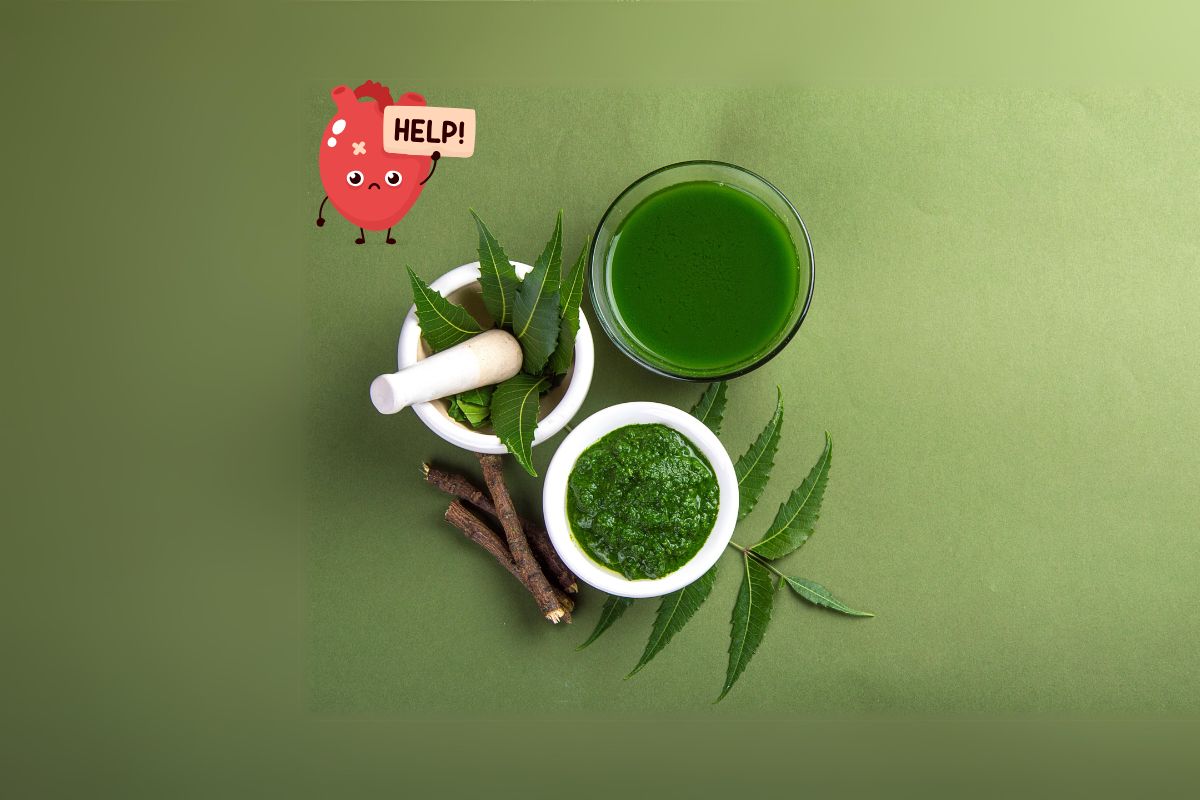
When Natural Remedies Backfire
While herbs like Arjuna in Ayurveda and Ginseng in TCM are believed to support heart health, some traditional medicines can have adverse cardiovascular effects, mainly when contaminated or used in high doses.
Case Study: Cardiac Arrhythmia from Traditional Medicine Use
A 60-year-old individual began taking Ayurvedic heart supplements, including Arjuna and a mix of unnamed herbs, after experiencing mild hypertension. Months into the regimen, he suffered from palpitations and lightheadedness. A cardiology workup revealed arrhythmia linked to an unidentified alkaloid in his supplements. Discontinuing the herbs and undergoing beta-blocker treatment helped stabilise his heart rhythm1.
Cardiovascular Risks in Alternative Therapies:
1. Hypertension and Arrhythmia:
Ginseng and other TCM herbs can act as stimulants, leading to hypertension and tachycardia. A study in the Journal of Clinical Cardiology documented 12 cases of arrhythmia linked to excessive ginseng use, highlighting the need for caution 2.
2. Heavy Metals and Oxidative Stress:
Lead and mercury in traces in herbal products damage myocardial tissue by inducing oxidative stress on the heart. A study published in Cardiovascular Toxicology found that these metals increase free radical production, leading to myocardial cell apoptosis 3.
3. Fluid Retention and Edema:
Ayurvedic compounds that promote water retention can aggravate hypertension, leading to heart strain. A review in the Journal of Hypertension described how herbs like liquorice, commonly used in TCM, can cause sodium retention, thus increasing blood pressure4.
Research and Regulatory Oversight:
● Contaminants and Cardiac Risk: Studies reveal that a significant proportion of heart-related issues in alternative medicine users come from contamination or unregulated dosages5.
● Regulatory Warnings: Be careful when using imported herbal medicines as the FDA has identified contaminants linked to cardiovascular effects in several batches.
Disclaimer:
This article provides information on potential heart risks associated with some herbal medicines. It does not intend to defame traditional practices but highlights the need for caution. Always consult with a healthcare provider, especially for heart-related issues, before starting herbal supplements.
How HealthPil Can Help:
With HealthPil, you can access cardiologists to thoroughly assess herbal supplements’ effects on heart health. We provide trusted medical guidance to support you in making safe, informed choices.

Read our editorial policy