

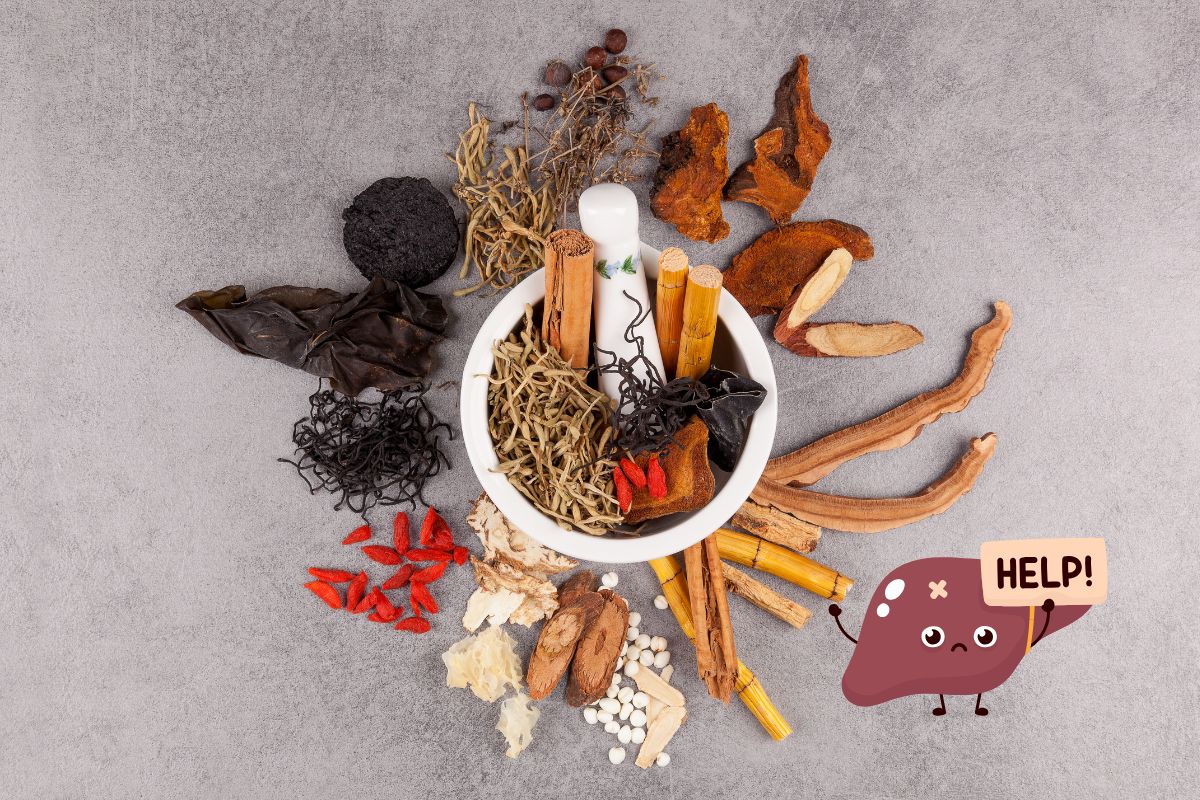
Liver Damage from Herbal Supplements
While many think of seeking herbal supplements for liver health or detox, some of these products pose severe risks to liver function. Studies have shown that contamination and misuse of certain herbs can result in liver damage and, in some cases, liver failure.
Case Study: Acute Liver Failure from Ayurvedic Detox
A 44-year-old woman presented with jaundice, abdominal pain, and nausea after using a liver “detox” regimen based on Ayurvedic herbs, including Bhumi Amla and Kutki. Blood tests showed elevated liver enzymes, and imaging revealed signs of hepatitis. Despite aggressive treatment, she required a liver transplant. The case, published in Hepatology, highlighted contamination and high alkaloid content in her supplements as contributing factors.
Mechanisms of Hepatotoxicity in Herbal Medicines:
1. Contaminants and Hepatotoxic Metals:
A Journal of Clinical Gastroenterology study found that around 30% of tested Ayurvedic products contained metals like mercury and arsenic, which accumulate in the liver and cause hepatocellular damage.
Mercury, a common contaminant, interferes with liver enzyme functions, potentially leading to hepatic necrosis in high doses.
2.Toxic Alkaloids and Herbal Compounds:
Pyrrolizidine alkaloids (PAs) present in some TCM herbs, such as Senecio, have been linked to liver toxicity. In a case series published in Liver International, patients developed hepatic veno-occlusive disease, a rare but severe liver condition, after taking TCM supplements with high PA levels.
3.Herb-Induced Hepatitis:
Certain herbs like Turmeric and Ashwagandha, while beneficial in controlled doses, have been associated with drug-induced liver injury (DILI) when used in excess. A Gastroenterology Research and Ppracticenoted that high-dose curcumin can trigger immune-mediated hepatitis.
Research and Regulatory Stances on Hepatotoxicity:
● Contamination Rates: According to a systematic review in Environmental Toxicology, 40% of herbal liver supplements contain toxins or contaminants harmful to the liver.
● Regulatory Actions: The FDA and other health bodies advise caution with unregulated herbal products for liver health. The Indian government has started tightening quality controls, although enforcement is still inconsistent.
Disclaimer:
This article educates readers on potential liver risks linked to certain herbal supplements. It does not intend to defame traditional medicine. Always consult a healthcare provider for liver issues before starting any herbal treatment.
How HealthPil Can Help:
At HealthPil, we connect you with liver specialists who can guide you in safely using herbs and supplements. Protect your liver by consulting trusted medical professionals through HealthPil.

Read our editorial policy