

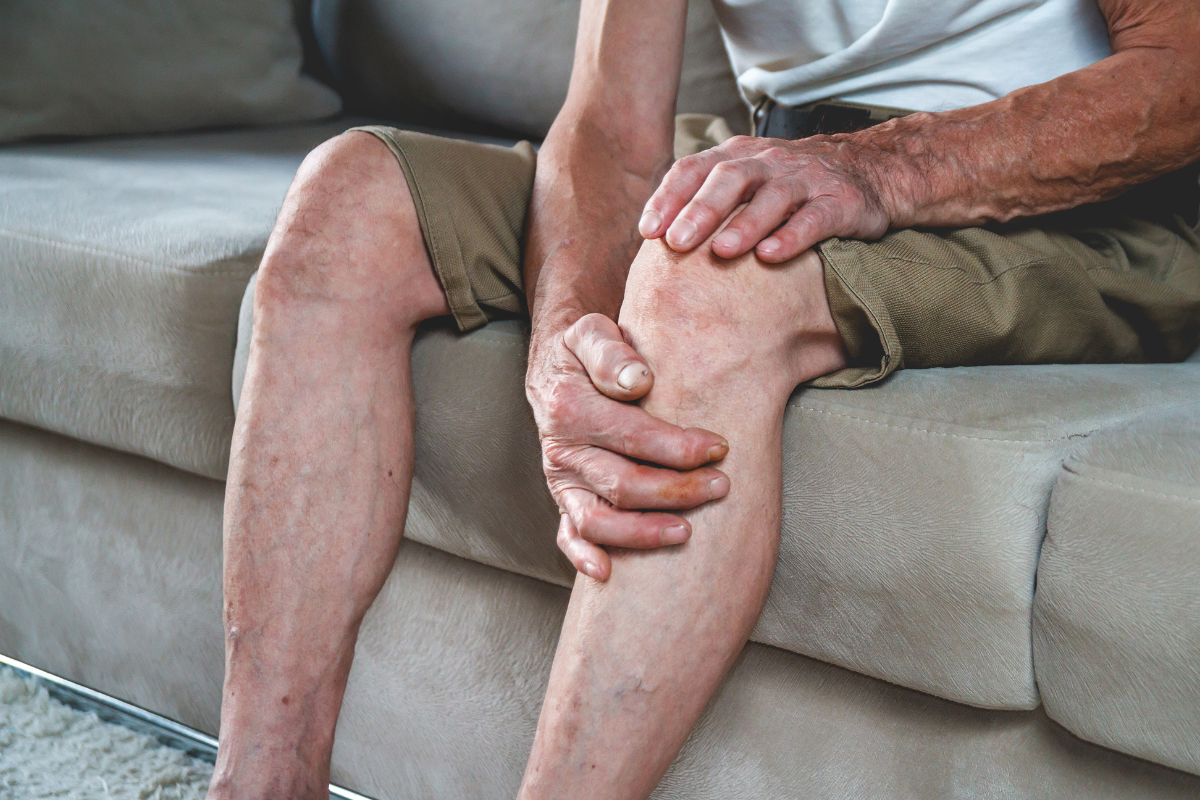
Knee osteoarthritis is one of the most common causes of chronic knee pain, particularly among middle-aged and older adults. It develops when the protective cartilage that cushions the knee joint gradually wears away, causing pain, stiffness, swelling, and difficulty with everyday activities such as walking, climbing stairs, or getting up from a chair.
Although osteoarthritis is often associated with ageing, factors such as obesity, previous knee injuries, repetitive joint stress, and genetic predisposition can also increase the risk of developing the condition. Early recognition of symptoms and timely treatment can help slow disease progression and improve quality of life.
In this article, we’ll discuss what knee osteoarthritis is, its symptoms, causes, risk factors, stages, diagnosis, treatment options, and practical prevention strategies to help maintain healthy knee joints and mobility.
What is Knee Osteoarthritis?
Think of your knee joint like a hinge. In a healthy knee, the ends of the bones are covered in cartilage a slick, rubbery tissue that lets things glide smoothly. Osteoarthritis is what happens when that “grease” and padding disappear. Without it, your bones rub directly against each other. That friction isn’t just painful; it causes inflammation and makes the joint feel “rusty” and hard to move.
Unlike rheumatoid arthritis, which is an autoimmune condition where the body attacks its own joints, osteoarthritis is a mechanical, wear-and-tear process. It’s sometimes called “degenerative joint disease” for exactly this reason. It tends to affect weight-bearing joints the most the knees, hips, and spine simply because they take the most repeated load over a lifetime.
Knee OA doesn’t just affect the cartilage either. As the condition progresses, the bone underneath can thicken, small bony growths called osteophytes (bone spurs) can form at the joint edges, and the fluid that lubricates the joint can lose some of its cushioning quality. All of this together is what makes the knee feel stiffer and less stable over time. 
Common Symptoms of Knee Osteoarthritis
It doesn’t usually hit all at once. It creeps up on you. Watch out for:
- Persistent Pain
An ache that flares up when you’re active but feels better when you sit down. As OA advances, the pain can start showing up even during rest or at night. - Morning Stiffness
That “locked” feeling when you first wake up, which typically eases within 30 minutes of moving around. Stiffness that lasts much longer than this can be a sign of a different type of arthritis, such as rheumatoid arthritis. - Swelling
A knee that looks puffy or feels warm to the touch, usually because the joint is producing extra fluid in response to irritation. - The “Grind” (Crepitus)
Hearing or feeling a clicking, popping, or grinding sound when you bend your knee. This happens because the smooth cartilage surface has roughened, so the joint no longer moves silently. - Loss of Flexibility
Finding it harder to fully straighten your leg or squat down. Many people first notice this when getting in and out of a car or sitting cross-legged becomes uncomfortable. - Reduced Walking Distance
As symptoms progress, some people find they can’t walk as far as they used to without needing to stop and rest the knee. - Joint Instability
A feeling that the knee might “give way,” particularly when going down stairs or stepping off a curb.
Causes of Knee Osteoarthritis
At its core, knee osteoarthritis is caused by the gradual breakdown of cartilage faster than the body can repair it. But a few specific mechanisms drive that breakdown:
- Mechanical Wear Over Time
Every step, squat, and stair climb puts load through the knee. Over decades, this repeated stress is simply more than the cartilage can fully recover from, especially once natural cartilage repair slows down with age. - Previous Joint Injury
A ligament tear, meniscus injury, or fracture earlier in life changes how forces move through the knee. Even after the injury heals, the joint often doesn’t distribute weight as evenly as before — which speeds up cartilage wear in specific areas, sometimes called post-traumatic osteoarthritis. - Joint Misalignment
Conditions like bow-leggedness (varus) or knock-knees (valgus) put uneven pressure across the joint surface, wearing down one side of the cartilage faster than the other. - Inflammation from Other Conditions
Underlying issues such as uncontrolled diabetes or metabolic syndrome are increasingly linked to faster cartilage breakdown, since chronic low-grade inflammation in the body affects joint tissue too.
Stages of Knee Osteoarthritis
Knee OA is a journey one you don’t want to finish. It starts with minor wear-and-tear and can end in severe joint damage. Doctors typically describe it in four stages, often based on X-ray findings:
Stage 1 — Minor
Small bone spurs may be present, but there’s little to no cartilage loss visible on imaging. Most people at this stage have no symptoms at all.
Stage 2 — Mild
X-rays show more noticeable bone spur growth, and the space between bones starts to narrow slightly. Pain typically shows up after long periods of activity or at the end of the day, and there may be some stiffness after sitting for a while.
Stage 3 — Moderate
Cartilage damage becomes clearer between the bones, and the joint space narrows further. Pain during regular activities like walking, climbing stairs, or kneeling becomes more frequent, along with stiffness after rest and visible swelling after activity.
Stage 4 — Severe
The joint space is significantly reduced, with the cartilage largely worn away in places — bone may be rubbing directly against bone. Pain and stiffness are present even during simple movements, and the joint may feel unstable or look visibly misaligned.
Catching it in the early stages is the difference between a simple exercise plan and needing a surgical intervention later in life. This is exactly why doctors emphasise not “waiting it out” when knee pain first starts.
Risk Factors for Osteoarthritis in the Knee
Why do some people get it and others don’t? It’s usually a combination of:
- The Age Factor
Naturally, joints wear down as we get older. Most people diagnosed with knee OA are over the age of 50, though it can develop earlier in those with other risk factors. - Weight
This is a big one. Extra weight puts constant, heavy pressure on your knees with every single step — research shows each extra kilogram adds several kilograms of additional load through the knee joint while walking. - Genes
If your parents had bad knees, you might be at higher risk. Genetic factors can influence cartilage quality and joint shape, both of which affect how well the knee holds up over time. - Old Sports Injuries
That ligament tear or fracture you had in your 20s can trigger OA in your 50s. This is one of the more underappreciated risk factors, since people often forget about an old injury once it’s “healed.” - Gender
Women, particularly after menopause, have a higher likelihood of developing knee OA than men — a connection researchers believe is partly linked to hormonal changes affecting joint and cartilage health. - Poor Lifestyle
High sugar diets, lack of movement, and uncontrolled diabetes all speed up joint decay. A sedentary lifestyle also weakens the muscles that support the knee, which indirectly accelerates wear. - Occupational and Repetitive Stress
Jobs or activities that involve frequent kneeling, squatting, or heavy lifting place repeated mechanical stress on the knee joint over the years.
Diagnosis of Knee Osteoarthritis
Don’t guess; get a professional opinion. Doctors usually check your range of motion and order an X-ray or MRI to see exactly how much cartilage is left. They might also test your joint fluid to make sure it’s not a different type of arthritis.
Physical Examination
The doctor checks the knee for swelling, tenderness, warmth, and how far it can bend or straighten. They’ll also observe your walking pattern, since OA often changes the way people distribute weight through the leg.
X-ray
This is usually the first imaging test ordered. It shows joint space narrowing, bone spurs, and changes in bone density — all classic signs used to confirm and stage osteoarthritis.
MRI Scan
An MRI gives a much more detailed picture of the cartilage, ligaments, and surrounding soft tissue. It’s typically used when the diagnosis isn’t clear from an X-ray alone, or when planning for a more involved treatment such as surgery.
Joint Fluid Analysis
In some cases, the doctor may draw a small sample of fluid from the knee joint to rule out other causes of joint pain, such as gout or an infection, which can sometimes look similar to OA in the early stages.
Blood Tests
While there’s no blood test that directly diagnoses osteoarthritis, doctors sometimes use blood work to rule out inflammatory types of arthritis, such as rheumatoid arthritis.
Treatment for Knee Osteoarthritis
Management isn’t a “one size fits all” deal. Most specialists will try to keep you away from the operating table as long as possible using a mix of therapy, meds, and habit changes. Treatment is generally built in stages starting conservative and moving toward more involved options only if needed.
Non-Surgical Treatment Options
1. Lifestyle Changes
Weight Loss — Dropping even 3–5 kg can take a massive amount of pressure off your joints. For someone who is overweight, this single change is often more effective than any medication.
Low-Impact Cardio — Swimming and cycling are your best friends. They get the heart pumping without pounding your knees, helping maintain fitness without adding joint stress.
Physiotherapy and Strengthening — A structured exercise programme focused on strengthening the quadriceps and hamstrings helps the muscles take on more of the load that the joint would otherwise absorb. Most people notice meaningful improvement in pain and function within a few weeks of consistent physiotherapy.
2. Medications
NSAIDs (like ibuprofen) help with the fire of inflammation and are usually the first medication tried. Topical gels or patches are great if you want relief without the side effects of pills, since they act locally on the joint rather than throughout the whole body. For more persistent pain, doctors may also consider other pain-relief medications, used carefully and typically for shorter durations.
3. Injections
Corticosteroids — A quick way to kill intense inflammation, often used during flare-ups. The relief is usually fast but temporary, lasting anywhere from a few weeks to a few months.
Hyaluronic Acid Injections — These injections may help reduce pain and improve knee movement for a limited period. However, they provide temporary symptom relief and do not reverse osteoarthritis.
Supportive Devices — Knee braces or sleeves can help redistribute load away from the more damaged side of the joint, and a walking aid can reduce strain during flare-ups.
Surgical Treatment
Arthroscopy
A minimally invasive “clean-up” of the joint, used to remove loose cartilage fragments or smooth rough surfaces. It’s generally more helpful for mechanical symptoms like catching or locking than for advanced OA pain itself.
Osteotomy
In younger patients with OA limited to one side of the knee, surgeons sometimes reshape the bone to shift weight away from the damaged area — a way to buy time before considering a full joint replacement.
Joint Replacement
When the knee is totally worn out, a partial or total replacement can give you your life back. A partial replacement resurfaces only the damaged section of the joint, while a total knee replacement replaces the entire joint surface with prosthetic components. Recovery from a total knee replacement typically takes three to six months, with physiotherapy playing a major role in regaining strength and mobility.
Complications of Knee Osteoarthritis
If you just “tough it out,” you’re asking for trouble. Untreated OA can lead to permanent joint deformity, chronic sleep loss from pain, and a point where even walking to the bathroom becomes a struggle. Other complications include:
- Reduced mobility and independence — Advanced OA can make routine tasks like getting up from a chair or climbing stairs genuinely difficult.
- Muscle weakness — As people move less to avoid pain, the muscles supporting the knee weaken further, creating a cycle that makes the joint even less stable.
- Falls risk — Joint instability and reduced strength increase the risk of falls, particularly in older adults.
- Mental health impact — Chronic pain and reduced mobility are linked to higher rates of frustration, low mood, and social withdrawal, which is often overlooked in OA care.
How Can You Prevent Osteoarthritis in the Knee?
Eat for your joints — Load up on Omega-3s (walnuts, fish) and antioxidants to fight inflammation. A diet that supports a healthy body weight also indirectly protects the joint.
Build Muscle — The stronger your quads are, the less weight your knee joint has to carry. Strength training two to three times a week is one of the most effective long-term protective habits.
Stay at a Healthy Weight — Since extra weight is one of the biggest modifiable risk factors, even small, sustained weight loss meaningfully lowers OA risk over time.
Protect Old Injuries — If you’ve had a previous ligament or meniscus injury, following through with complete rehabilitation (not just until the pain goes away) reduces the chance of post-traumatic OA later.
Warm Up and Use Good Form — Whether at the gym or during sport, warming up properly and using correct technique reduces unnecessary stress on the joint.
Early Check-ups — If your knee has been “acting up” for more than two weeks, see a pro. Catching changes early gives you far more treatment options than waiting until the pain is constant.
When to See a Doctor
You should consult a doctor if your knee pain starts affecting your daily activities, wakes you up at night, makes walking difficult, or if you notice visible changes in the shape of your knee. Other signs that warrant a visit include persistent swelling, a noticeable grinding sensation with pain, or stiffness that doesn’t ease up after your usual morning routine. Early medical attention can help prevent further complications. You can also opt for an online orthopedic consultation to get expert advice from the comfort of your home.
How HealthPil Can Help with Knee Osteoarthritis
HealthPil bridges the gap between you and the experts. We help you find the best orthopedic specialists for everything from a second opinion to a full rehab plan. You can book a consultation online or find a specialist near you in just a few taps.
Summary
Knee pain doesn’t have to be your “new normal.” Knee osteoarthritis develops gradually as cartilage wears down, but the rate at which it progresses is something you have real influence over. By catching the symptoms of OA early, understanding which stage you’re at, and making small changes today losing a little weight, strengthening the muscles around the knee, staying active with low-impact exercise you can keep your joints healthier for longer and your lifestyle active.
