




Most pregnancies follow a predictable path. Weeks pass, the belly grows, a due date sits on the calendar. And then, sometimes earlier than anyone expected the body starts preparing for labour.
Preterm labor does not always announce itself clearly. The signs can be subtle. The cramping that feels like nothing. The lower back ache that seems normal. The pressure that is easy to explain away.
But labour before 37 weeks is a medical situation that needs immediate attention. Understanding the signs, the risks, and what can be done is one of the most important things a pregnant woman can know because in preterm labour, time genuinely matters.
What is Premature Birth?
Premature birth happens when a baby is born before 37 weeks of pregnancy. Babies born this early have not had enough time to fully develop inside the womb. This can lead to low birth weight baby, breathing difficulties, feeding problems, and in some cases, long-term developmental challenges.
The earlier a baby is born, the greater the health risks tend to be. Premature baby care often in a neonatal intensive care unit is sometimes needed for weeks or even months depending on how early the birth happens.
Preterm birth is further classified by how early it happens. Late preterm babies are born between 34 and 36 weeks and generally do the best of the three groups. Very preterm babies are born between 28 and 33 weeks and need more intensive care. Extremely preterm babies are born before 28 weeks and face the highest risk of complications. The earlier the birth, the more support the baby usually needs.
What is Preterm Labor?
Preterm labor is when uterine contractions and cervical changes begin before 37 weeks of pregnancy. It affects roughly 1 in 10 births and is one of the leading causes of pregnancy complications worldwide.
Not every episode of preterm labor leads to premature birth sometimes it can be slowed or stopped with treatment. But every case of preterm labor is serious and needs medical evaluation without delay. Labor before 37 weeks is not something to monitor from home and hope settles on its own.
Preterm labor is generally defined as labor that begins between 20 and 37 weeks of pregnancy. Labor that begins before 20 weeks is classified differently and is usually referred to as a miscarriage. This 20-to-37-week window is what doctors specifically watch for when assessing preterm labor risk.
Causes and Risk Factors of Preterm labor
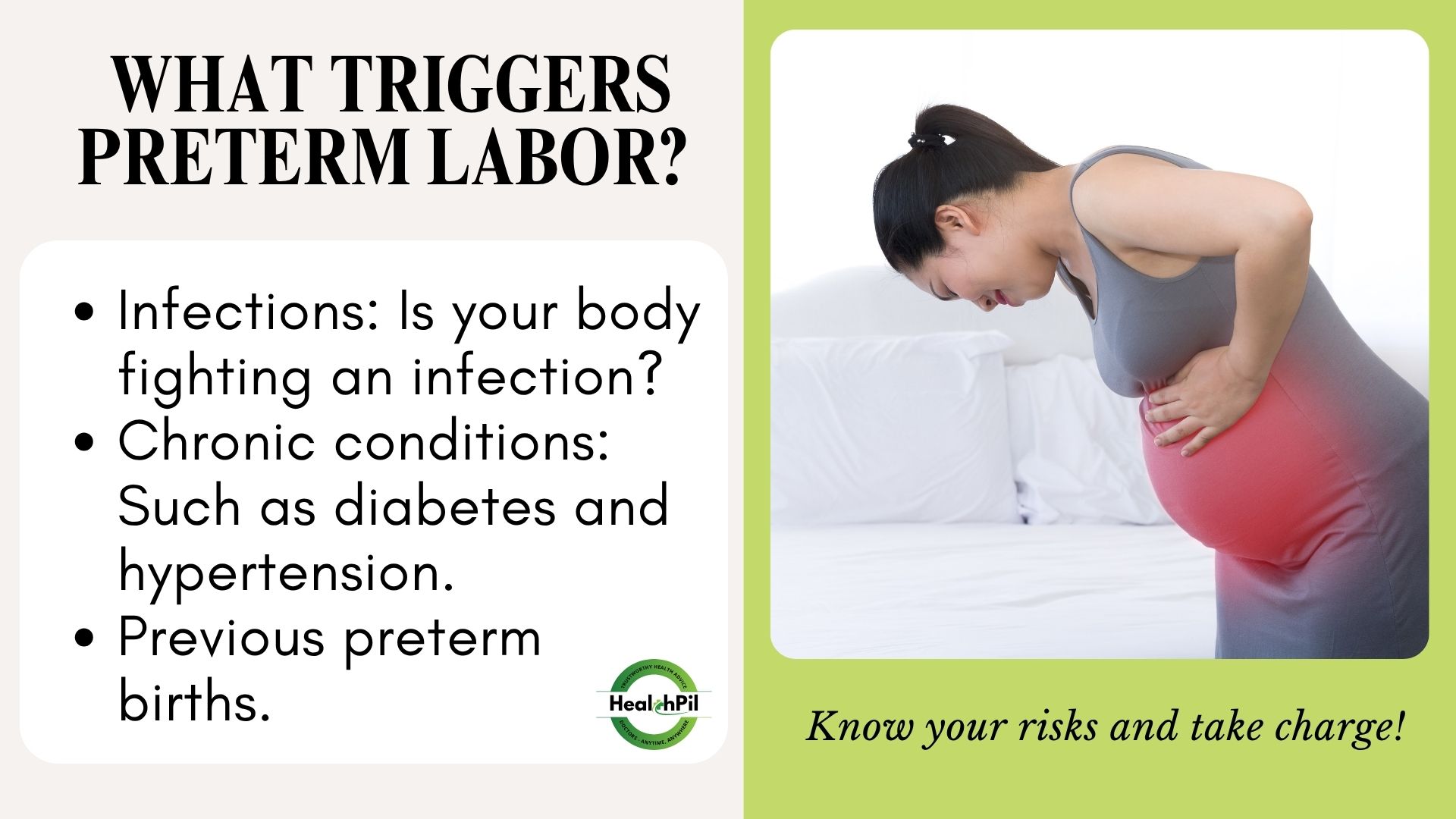
- Infections Infections during pregnancy particularly urinary tract infection pregnancyare among the most common triggers of early contractions. Bacteria from a UTI or other infection can reach the uterus and set off labour before the baby is ready. This is one reason why treating infections early in pregnancy matters so much.
- Premature rupture of membranes water breaking early can also be linked to infection and is a serious sign that needs immediate hospital assessment.
- Chronic Conditions High blood pressure during pregnancy and gestational diabetes and preterm labor are both well-established risk factors. Chronic conditions that are not well managed during pregnancy put additional stress on the body and raise the risk of early labour.
- Multiple Pregnancies Twin pregnancy risks include a significantly higher chance of preterm delivery. Multiple pregnancy complications arise partly because the uterus stretches more and is under greater pressure, which can trigger contractions earlier.
- Previous Preterm Births A history of preterm birth is one of the strongest predictors of it happening again. Women who have had preterm labor in a previous pregnancy should make sure their doctor knows this from the very beginning of their next pregnancy so closer monitoring can be arranged.
- Stress High physical or emotional stress raises the risk of early contractions. Stress hormones can trigger changes in the body that contribute to preterm labor which is why emotional health during pregnancy is not just a comfort issue but a medical one.
- Pregnancy Spacing A short gap between pregnancies less than 6 to 12 months has been linked to a higher risk of preterm labor. Doctors often advise spacing pregnancies out where possible, and this is worth discussing during preconception planning.
- IVF and Assisted Pregnancies Pregnancies conceived through IVF or other fertility treatments carry a somewhat higher risk of preterm labor, partly because they are more likely to involve twins or multiples. Extra monitoring is usually recommended for these pregnancies from early on.
- Delayed or Inconsistent Prenatal Care Starting prenatal care late, or attending checkups inconsistently, is linked to a higher risk of preterm labor. Early and regular care gives doctors the best chance to catch warning signs before they become emergencies.
Who is at Higher Risk of Preterm Labor?
Women carrying twins or multiple babies, those with a history of preterm birth, women with infections during pregnancy, those who smoke or drink alcohol, women with high blood pressure or gestational diabetes, and those experiencing high levels of physical or emotional stress all carry a higher risk of preterm labor.
Cervical insufficiency where the cervix begins to open too early is another risk factor. In some of these cases, cervical cerclage a procedure where the cervix is stitched closed may be recommended as a preventive measure.
Placenta previa and placental abruption are also serious pregnancy complications that can increase preterm delivery risk and need close monitoring throughout pregnancy.
Preterm Labor vs False Labor
False labor also called Braxton Hicks contractions is common in later pregnancy. These contractions are usually irregular, do not follow a pattern, and tend to settle with rest, a change in position, or hydration.
Preterm labor contractions are different. They become regular, come closer together over time, grow more painful, and do not stop with rest or water. They may also come with cervical changes — which is why only a doctor can confirm whether what a woman is experiencing is preterm labor or false labor. If there is any doubt, always get checked.
Can Preterm Labor Be Stopped?
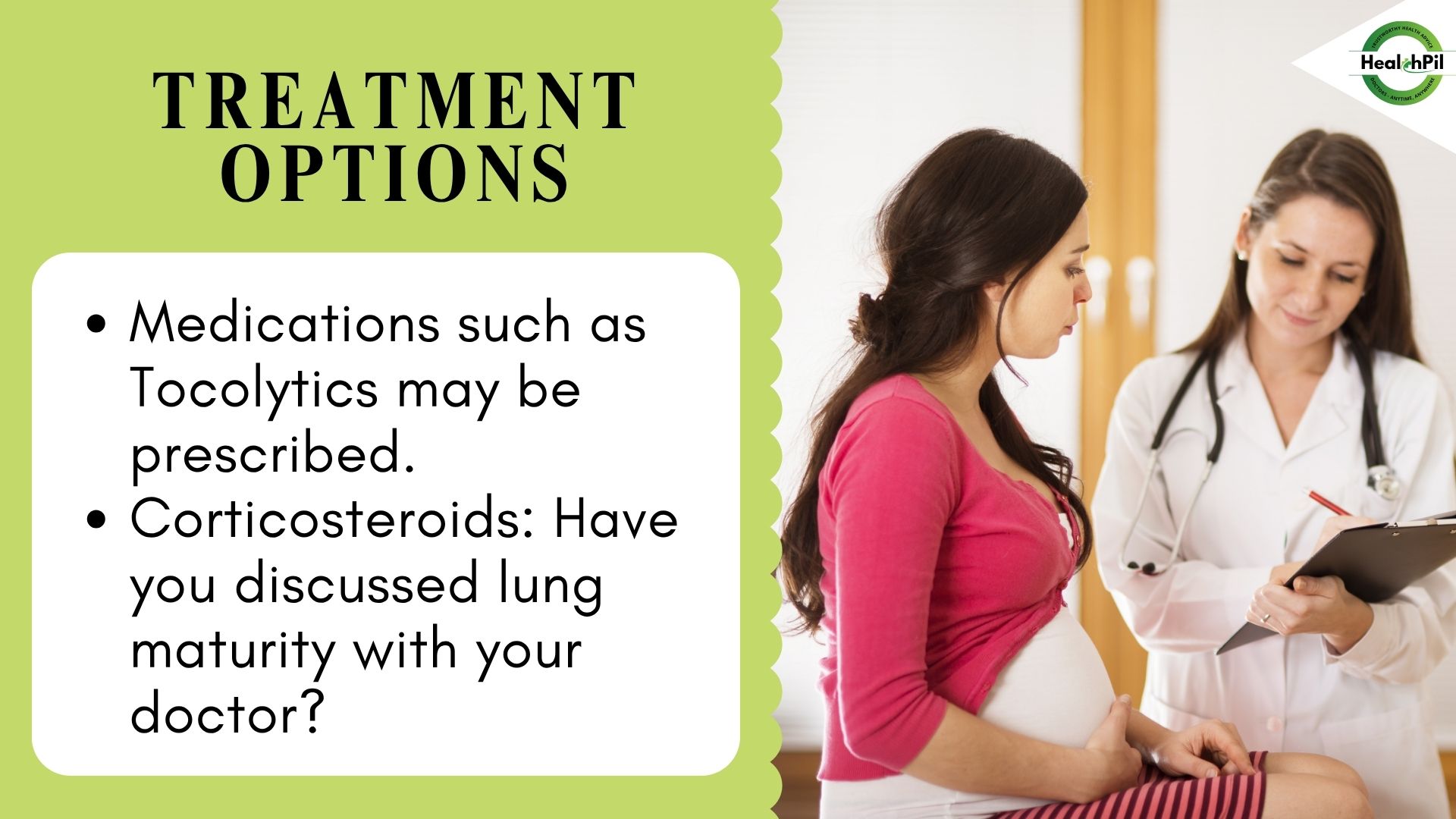
In some cases, yes doctors can slow or stop preterm labor, at least temporarily, using tocolytic medicines to reduce contractions, magnesium sulfate in pregnancy to protect the baby’s brain and reduce cerebral palsy risk, bed rest and hydration, and close hospital monitoring.
Even a few extra days or weeks in the womb can make a significant difference to the baby’s development and health outcomes. Corticosteroids for premature babies are often given when early delivery seems likely — they help speed up the baby’s lung development to reduce the severity of respiratory distress syndrome after birth.
How Does Preterm Labor Affect the Baby?
Babies born prematurely may face breathing difficulties due to underdeveloped lungs, low birth weight, feeding problems, developmental delays, vision issues including retinopathy of prematurity, hearing difficulties, and increased need for NICU care. The earlier the birth, the more likely some of these challenges are and the longer NICU care may be needed.
Risks of Preterm Labor for Mothers
Preterm labor is not only hard on the baby. Mothers face increased risk of cesarean delivery, emotional stress and anxiety, infection, and a higher likelihood of complications in future pregnancies. The psychological impact of preterm labor the fear, the uncertainty, the weeks spent in and out of hospital should not be underestimated.
Long-Term Complications of Premature Birth
Some premature babies go on to develop without any lasting difficulties. Others may face learning difficulties, delayed growth, ongoing respiratory problems, vision or hearing challenges, neurological conditions, or increased cerebral palsy risk depending on how early they were born and what complications arose.
Premature baby complications vary widely many premature babies catch up fully with the right support and care. Regular developmental follow-up after discharge from the NICU is an important part of premature baby care.
How to Prevent Preterm Labor
While preterm labor cannot always be prevented, there are real steps that reduce the risk. Attending regular prenatal care appointments, staying well hydrated, avoiding smoking and alcohol, managing stress, treating infections during pregnancy promptly especially urinary tract infection pregnancy following a healthy pregnancy diet, and keeping chronic conditions like diabetes and blood pressure well managed all matter.
For women with cervical insufficiency or a history of preterm birth, cervical cerclage or progesterone therapy may be recommended as part of preventing preterm labor.
For women with cervical insufficiency or a history of preterm birth, doctors may recommend progesterone therapy usually as a weekly injection or a daily vaginal suppository, started in the second trimester. This has been shown to lower the risk of preterm labor in women who’ve had it before. Cervical cerclage, where the cervix is stitched closed, may also be recommended in certain cases, sometimes alongside progesterone therapy.
Recognizing Symptoms
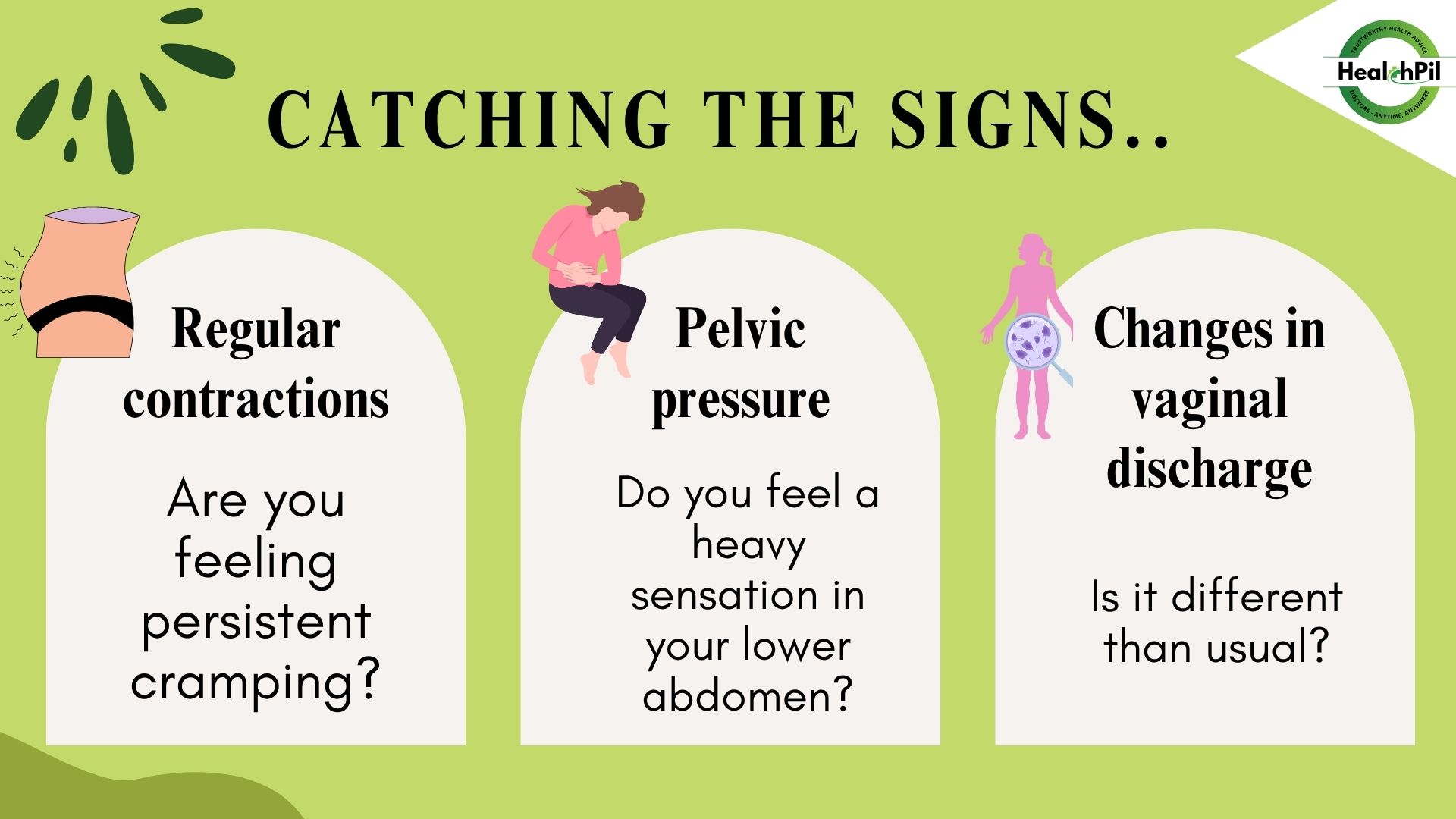
The signs of preterm labor are not always dramatic. Key symptoms include regular contractions or cramping that come at consistent intervals, lower back pain during pregnancy that is persistent and does not ease, pelvic pressure during pregnancy or a feeling of heaviness, changes in vaginal discharge during pregnancy particularly if it increases or changes character and abdominal cramps with or without diarrhoea.
Any one of these symptoms before 37 weeks especially in combination should be reported to a doctor or midwife immediately. Early labor symptoms are easy to explain away. That is what makes them dangerous.
Diagnosis of Preterm Labor
Preterm labor diagnosis involves a physical examination, monitoring of contractions, and an ultrasound to check cervical length a shortened cervix is a warning sign of approaching labour. A fetal fibronectin test may also be done this test checks for a protein that, when present between 24 and 34 weeks, suggests the membranes may be preparing for labour and delivery is more likely in the coming weeks.
Potential Risks and Complications of Premature Birth
- Premature Birth Preterm delivery before 37 weeks means the baby has less time to develop. The earlier the birth, the greater the health challenges the baby may face from breathing and feeding to long-term development.
- Low Birth Weight Low birth weight baby is a common consequence of premature birth. Babies who weigh less than 2.5 kg at birth need careful monitoring and often specialised premature baby care in the NICU.
- Respiratory Distress Syndrome Respiratory distress syndrome is one of the most serious complications of premature birth. Premature babies’ lungs are not fully developed, making it hard for them to breathe independently. Corticosteroids for premature babies given to the mother before delivery when preterm labour is expected help speed up lung maturity and reduce the severity of this condition.
- Long-term Health Issues Some premature babies develop longer-term challenges including learning difficulties, developmental delays, cerebral palsy risk, retinopathy of prematurity, and other neurological conditions. Regular follow-up care after NICU discharge is essential for monitoring development and getting early support in place where it is needed.
- Necrotising Enterocolitis A premature baby’s gut is often not fully developed, which can lead to necrotising enterocolitis a serious condition where part of the intestine becomes inflamed or damaged. In some cases, surgery is needed. Doctors watch closely for feeding intolerance and abdominal swelling in premature babies as early warning signs.
- Patent Ductus Arteriosus Before birth, a blood vessel near the heart called the ductus arteriosus normally closes on its own. In premature babies, it sometimes stays open this is called patent ductus arteriosus. If left untreated, it can strain the heart and lead to heart failure. Doctors monitor for this closely and treat it with medication or, rarely, a small procedure.
- Neonatal Jaundice A premature baby’s liver may not be mature enough to process bilirubin efficiently, leading to jaundice a yellowing of the skin and eyes. Most cases are mild and treated with phototherapy, but severe, untreated jaundice can lead to a rare but serious brain complication called kernicterus.
- Body Temperature Regulation Premature babies have less body fat and thinner skin, making it hard for them to maintain a stable body temperature on their own. This is why incubators are used in the NICU to keep the baby warm until they’re developed enough to regulate their own temperature.
- Anaemia of Prematurity Frequent blood tests combined with rapid growth needs can lead to low red blood cell counts in premature babies. In some cases, a blood transfusion may be needed to support healthy development.
- Kidney Immaturity A premature baby’s kidneys may not be fully ready to balance fluids and electrolytes properly. Doctors monitor urine output and blood chemistry closely in the NICU to catch any imbalance early.
Management and Treatment of Preterm labor
- Medical Intervention Tocolytic medicines are used to slow or temporarily stop contractions, giving the baby more time to develop. Magnesium sulfate in pregnancy is used both to reduce preterm labor contractions and to protect the baby’s brain from injury. Corticosteroids for premature babies are given when early delivery looks likely within the next week they accelerate lung development and reduce respiratory distress syndrome risk significantly.
- In cases of cervical insufficiency, cervical cerclage may be performed earlier in pregnancy to prevent premature opening of the cervix.
- Lifestyle Modifications Bed rest may be recommended depending on the situation. Staying well hydrated helps because dehydration can trigger contractions. Avoiding physical strain, stress, and any known risk factors becomes the immediate focus.
- Regular Monitoring Frequent prenatal care check-ups are essential once preterm labor has been identified or risk factors are present. The doctor will monitor contraction patterns, fetal fibronectin test results, cervical length on ultrasound, and the baby’s growth and wellbeing through regular scans.
When to See a Doctor
Seek immediate medical attention if you have regular contractions before 37 weeks, severe lower back pain during pregnancy, pelvic pressure that feels different from normal, vaginal bleeding at any stage, water breaking early, or reduced fetal movement.
These are emergency pregnancy symptoms that need hospital assessment not a phone call or a wait-and-see approach.
If you are experiencing mild preterm labor symptoms and are unsure whether they are serious, an online gynecologist consultation can help you get an initial assessment quickly. Describe your symptoms how regular the contractions are, whether there has been any bleeding or fluid leakage, and how far along the pregnancy is and a doctor will advise whether you need to go in immediately or whether close monitoring at home is appropriate for now.
Emotional Health During Preterm Labor
Preterm labor is frightening. The uncertainty of not knowing whether the baby will arrive weeks too early, the hospital visits, the monitoring all of it takes a real toll. Fear, anxiety, and feelings of helplessness are common and completely understandable.
Family support matters enormously during this time. So does honest communication with the healthcare team. Asking questions, understanding what is happening and why, and knowing what to watch for at home all help mothers feel less powerless in a situation that feels very much out of their control.
Counselling or speaking to other mothers who have been through preterm labor can also help enormously.
Summary
Preterm labor is serious but knowledge and early action make a real difference. Knowing the signs of preterm labor, attending regular prenatal care appointments, treating infections during pregnancy promptly, managing risk factors, and acting quickly when something feels wrong are all things within a mother’s control.
The goal is always a healthy baby and a safe delivery. With the right care and support, most women who experience preterm labor go on to deliver babies who do well.
Frequently Asked Questions
What week is considered preterm labor?
Labor that starts before 37 weeks of pregnancy is considered preterm labor.
Can stress trigger preterm labor?
High levels of emotional or physical stress may increase the risk of preterm labor.
Can preterm labor be prevented?
Although it cannot always be prevented, healthy habits and regular prenatal care may reduce the risk.
How long can doctors delay preterm labor?
In some cases, doctors may delay labor for a few days or weeks depending on the mother’s and baby’s condition.
Can I consult a doctor online for preterm labor symptoms?
Yes. Online consultations can help pregnant women quickly connect with gynecologists for guidance, symptom evaluation, and timely medical advice.
References
- Jenkins SM, Mackeen AD. Preterm Labor. StatPearls Publishing. Available at:
NCBI Bookshelf - Jenkins SM, Mackeen AD. Preterm Labor. Available at:
PubMed
Disclaimer
The information provided in this article is for awareness purposes only and should not replace professional medical advice. Always consult your healthcare provider for personalized medical guidance.

Read our editorial policy