

A first-time mother sits across from her doctor at her eight-week appointment and asks the question almost every pregnant woman eventually asks “What should I actually be eating?”
It sounds simple. But pregnancy nutrition is one of those topics where everyone has an opinion, family members offer conflicting advice, and the internet makes it more confusing than it needs to be.
The truth is straightforward. A healthy pregnancy diet does not require expensive supplements, complicated meal plans, or giving up everything you enjoy. It requires the right foods, in the right balance, with a few important things to avoid. This guide covers all of it.
Why Nutrition Matters
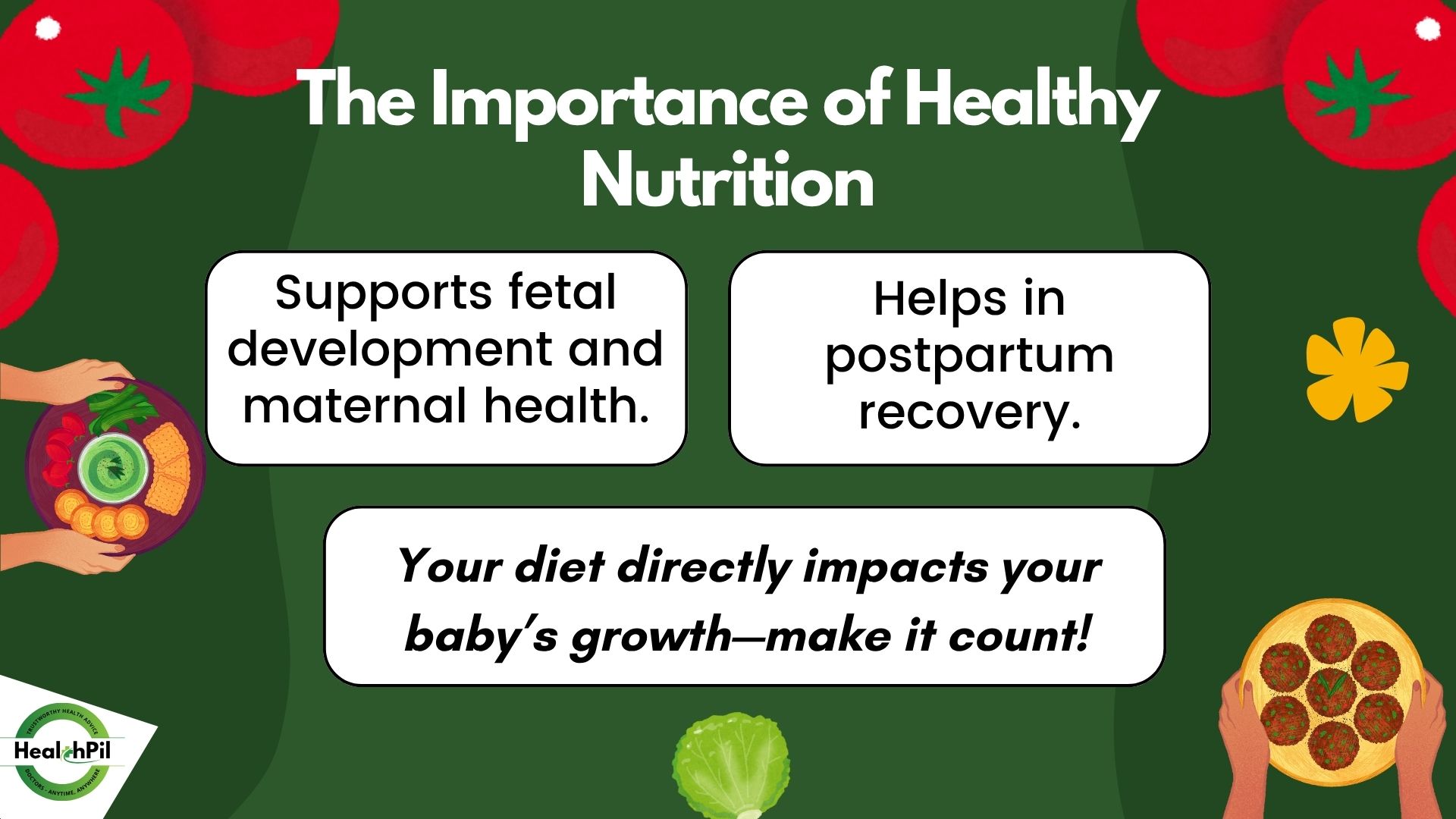
Pregnancy nutrition is not just about the mother feeling well though that matters enormously. Every nutrient a mother consumes directly supports fetal development nutrition, from the baby’s brain and spine in the earliest weeks to bone and organ development through each trimester.
Good prenatal nutrition helps prevent pregnancy complications, supports healthy baby development diet goals, reduces the risk of birth defects, and prepares the body for labour and postpartum recovery. It also supports maternal health during pregnancy keeping energy levels up, reducing common discomforts, and lowering the risk of anaemia, gestational diabetes, and high blood pressure.
What Should a Pregnant Woman Eat Daily?
A balanced diet during pregnancy means eating across all major food groups every day. Fresh fruits and vegetables, whole grains, dairy products during pregnancy, lean proteins, and omega 3 foods during pregnancy should all feature regularly.
Eating small and frequent meals works better than three large ones it keeps energy stable, helps with nausea in early pregnancy, and prevents blood sugar from spiking. Drinking enough water through the day is equally important and often overlooked.
A practical pregnancy food guide starts here: eat real food, eat enough of it, and make variety the goal rather than perfection.
Key Nutrients for a Healthy Pregnancy
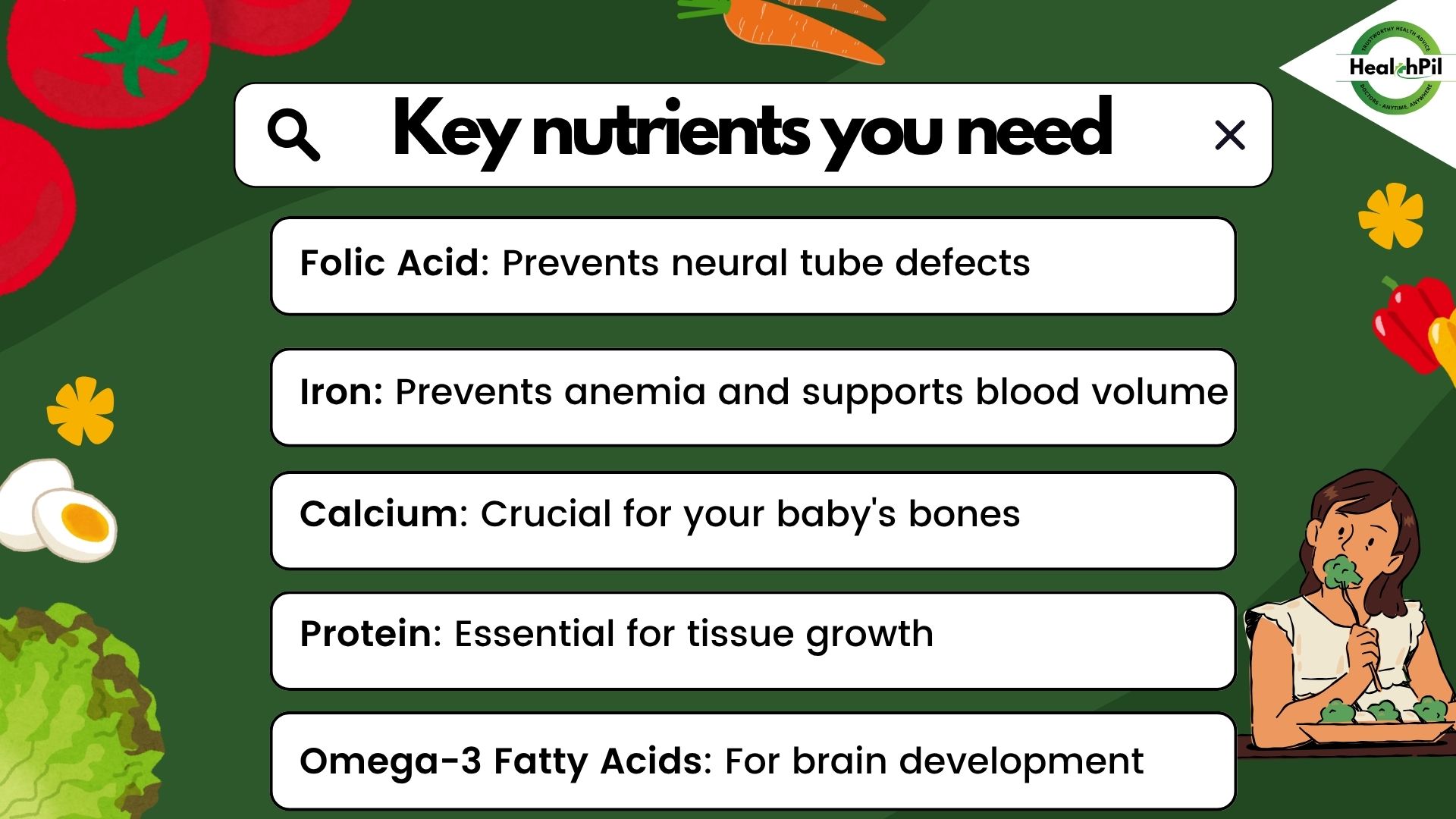
- Folic Acid Folic acid during pregnancy is one of the most critical nutrients, especially in the first few weeks. It plays a direct role in preventing neural tube defects serious birth defects affecting the brain and spine. The recommended amount is around 600 mcg daily. Good sources include leafy greens during pregnancy, fortified cereals, and beans. Most doctors also recommend a folic acid supplement, especially before and during the first trimester.
- Iron Iron rich foods for pregnancy are essential because blood volume increases significantly during pregnancy and the baby needs iron for development. The daily requirement goes up to around 27 mg. Lean meats, legumes, spinach, and other leafy greens during pregnancy are all good sources. Iron from plant sources is absorbed better when eaten alongside vitamin C-rich foods. Low iron levels don’t just cause fatigue during pregnancy they’ve also been linked to a higher risk of postpartum depression after delivery. This is one more reason iron levels are checked regularly through pregnancy, and why supplementation matters even for mothers who feel otherwise fine.
- Calcium Calcium rich foods during pregnancy support the baby’s bone and teeth development. If the mother does not consume enough calcium, the baby draws it from her bones which is not good for either of them. Aim for around 1000 mg daily through dairy products during pregnancy, fortified plant milks, and leafy greens.
- Vitamin D Vitamin D works closely with calcium to build the baby’s bones and teeth. It’s needed in smaller amounts around 600 IU daily but deficiency is common, especially for women who get limited sun exposure. Good sources include sunlight exposure, fortified milk, and fatty fish like salmon. Many doctors check vitamin D levels early in pregnancy and recommend a supplement if levels are low.
- Zinc Zinc plays a quiet but important role in the baby’s growth and in supporting the mother’s immune system through pregnancy. Good sources include meat, dairy, nuts, and whole grains. Most women get enough through a varied diet, but it’s one more reason a balanced plate matters more than any single “superfood.”
- Protein Protein foods during pregnancy are needed for tissue growth both the mother’s and the baby’s. Around 71 grams per day is the general recommendation. Lean meats, fish, eggs, beans, nuts and seeds during pregnancy, and dairy are all strong sources.
- Fiber Fiber during pregnancy helps with one of the most common complaints constipation, which happens as hormones slow down digestion. Aim for around 25 to 30 grams daily. Whole grains, fruits with skin on, vegetables, and legumes are all good sources. Adding fiber gradually, along with plenty of water, works best increasing it too quickly can actually cause bloating.
- Omega-3 Fatty Acids DHA during pregnancy a type of omega-3 fat is one of the most important nutrients for foods for fetal brain development. It supports the baby’s brain and eye development throughout pregnancy. At least 200 mg of DHA daily is recommended. Omega 3 foods during pregnancy include fatty fish like salmon, walnuts, chia seeds, and flaxseeds.
Pregnancy Diet by Trimester
First Trimester Diet (Weeks 1–12)
The first trimester diet is where the foundation gets set. Baby’s brain, spinal cord, and major organs begin developing in these early weeks. Folic acid and iron are particularly critical right now.
First trimester foods to focus on include leafy greens, citrus fruits, whole grains, eggs, dairy products, and nuts and seeds during pregnancy. The first trimester diet chart does not need to be complicated — small, regular meals that are easy on the stomach work best when nausea is an issue.
For month 1 pregnancy diet and month 2 pregnancy diet, the emphasis is on folic acid, iron, and staying hydrated. Month 3 pregnancy diet adds more focus on protein as the baby’s development accelerates.
Tips: eat smaller meals more frequently to manage nausea, stay hydrated, avoid processed junk foods, and start prenatal vitamins if not already taking them.
Second Trimester Diet (Weeks 13–27)
The second trimester is when many women feel better and appetite returns. The baby grows rapidly during this phase, increasing the need for calcium, protein, and healthy calories overall.
Pregnancy lunch ideas and pregnancy dinner ideas for this stage should include milk, curd, and paneer, lean meats and legumes, a wide variety of fruits and vegetables, and healthy snacks during pregnancy like dry fruits and nuts. This is also a good time to focus on iron rich foods for pregnancy and increasing fibre to prevent constipation a common issue in the second trimester.
Third Trimester Diet (Weeks 28–40)
The third trimester diet focuses on the baby’s weight gain and brain development. DHA during pregnancy becomes even more important in these final weeks as the baby’s brain undergoes rapid development.
Pregnancy superfoods for this stage include iron-rich foods like spinach and beans, omega 3 foods during pregnancy like walnuts and salmon, and protein-rich foods. Staying well hydrated during pregnancy is critical. Eating lighter, more frequent meals helps with the heartburn and bloating that become common as the baby takes up more space.
Indian Foods That Are Healthy During Pregnancy
An Indian pregnancy diet is naturally rich in many of the nutrients needed during pregnancy which is reassuring for mothers wondering whether they need to change everything about how they eat.
Healthy Indian foods for pregnancy include dal and khichdi excellent sources of protein, iron, and fibre, roti made with whole wheat, paneer and curd for calcium, coconut water for natural hydration during pregnancy, seasonal fruits, dry fruits like almonds and raisins as healthy snacks during pregnancy, and vegetable soups and sabzis packed with vitamins and minerals.
An Indian meal plan for pregnancy does not need to look very different from how most Indian families already eat it just needs to be mindful of balance, portion, and avoiding foods to avoid during pregnancy.
Foods That Help Baby’s Brain Development
Certain foods for fetal brain development deserve special attention throughout pregnancy. Foods rich in omega-3 fatty acids, DHA, choline, and healthy fats actively support the baby’s brain and nervous system.
These include salmon and other low-mercury fish, walnuts, eggs, dairy products during pregnancy, and chia seeds and flaxseeds. Including these regularly as part of a healthy baby development diet gives the developing brain the building blocks it needs particularly in the third trimester.
Foods to Include in Your Diet
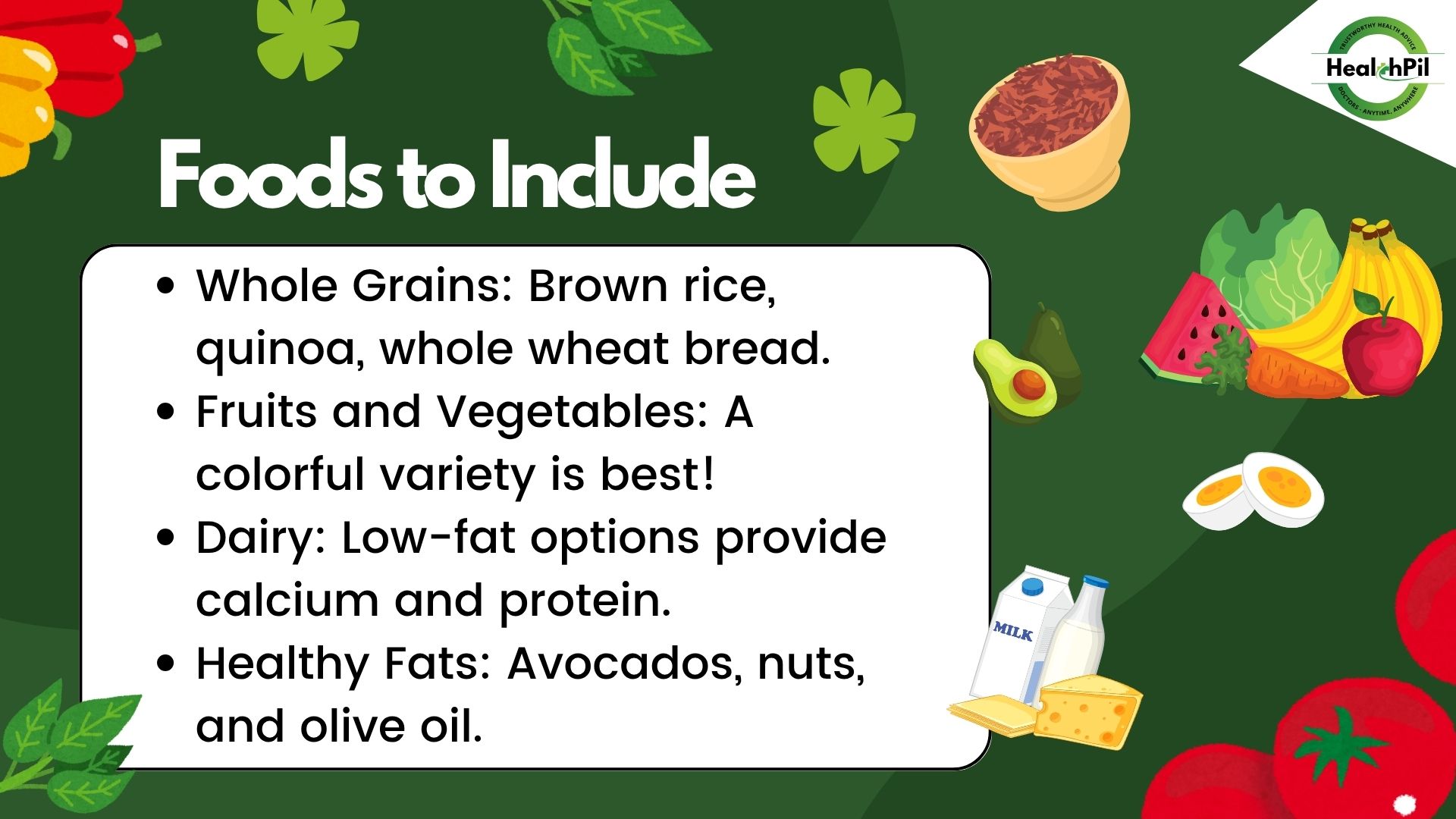
Whole grains like brown rice, oats, and whole wheat bread provide fibre and sustained energy. Fruits and vegetables in a variety of colours ensure a broad range of vitamins and minerals. Dairy products during pregnancy supply calcium and protein. Healthy fats from avocado, nuts, and olive oil support overall health and fetal development nutrition. And protein foods during pregnancy from eggs, legumes, lean meat, or dairy should feature in every meal as part of a balanced diet during pregnancy.
Foods to Avoid
Some foods are not safe during pregnancy. Here’s what to skip.
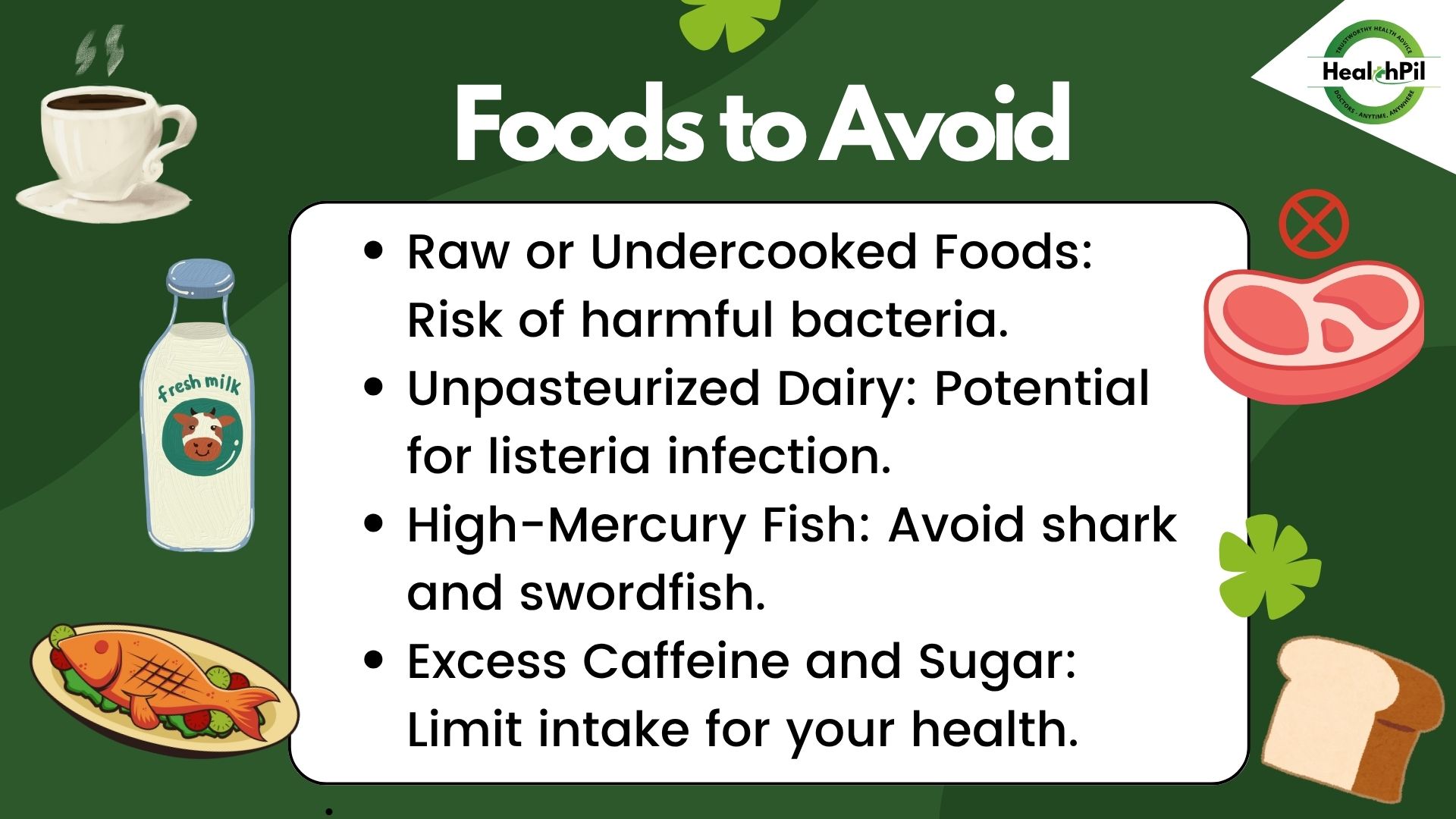
- Raw meat, raw eggs, and raw seafood. These can carry harmful bacteria. They can make you very sick.
- Unpasteurised milk and cheese. These can carry a bacteria called listeria. It’s dangerous for the baby.
- Big fish like shark and swordfish. They have high mercury. Mercury can hurt the baby’s brain.
- Liver and organ meat. These have too much vitamin A. Too much vitamin A can cause birth defects. A tiny bit once in a while is okay. Just don’t eat it often.
- Unwashed fruits and vegetables. Dirt can carry a germ called Toxoplasma. It can hurt the baby’s brain and eyes. So wash your fruits and veggies well. And cook your meat fully.
- Coffee and tea. Keep it under 200 mg a day. That’s about one cup of coffee.
- Alcohol. Do not drink any alcohol during pregnancy. Even a little can harm the baby. It can cause lifelong problems. This is called fetal alcohol syndrome. No amount is safe.
- Sugar and junk food. Too much can cause unhealthy weight gain. It can also make your blood sugar go up and down.
Common Pregnancy Cravings: What’s Safe and What’s Not?
Pregnancy cravings are driven by hormonal changes and are extremely common. Most of the time they are harmless. Fresh fruits, yoghurt, dry fruits, and homemade snacks are all safe and nutritious options to reach for.
The cravings worth being careful about include excessive sugary foods, processed snacks, soft drinks, and excess caffeine. Occasional treats are completely fine the goal is balance, not perfection. Maintaining moderation supports healthy pregnancy weight gain diet goals and keeps blood sugar stable.
Common Pregnancy Diet Myths
There’s no shortage of advice during pregnancy and not all of it is accurate. A few myths worth clearing up:
Myth: You need to eat for two.
Fact: Calorie needs increase only modestly, especially in the second and third trimesters. It’s about eating smarter, not doubling portions.
Myth: Spicy food causes miscarriage.
Fact: Spicy food may cause heartburn or discomfort, but it doesn’t harm the baby or cause miscarriage.
Myth: Exercise is unsafe during pregnancy.
Fact: Walking, prenatal yoga, and other moderate activity are generally safe and often recommended, unless a doctor advises otherwise for a specific reason.
Checking facts with a doctor rather than relying on family advice or the internet saves a lot of unnecessary worry.
Sample One-Day Pregnancy Meal Plan
A simple pregnancy meal plan for one day, based on an Indian pregnancy diet:
- Breakfast — Oatmeal with fresh fruits and milk
- Mid-Morning Snack — Dry fruits and coconut water
- Lunch — Roti, dal, mixed vegetable sabzi, and curd
- Evening Snack — Fruit salad or boiled corn
- Dinner — Vegetable khichdi with salad
- Bedtime — A glass of warm milk
This is a practical pregnancy weekly meal plan starting point that covers protein, calcium, iron, fibre, and healthy fats across the day. Pregnancy breakfast ideas, pregnancy lunch ideas, and pregnancy dinner ideas do not need to be complicated simple, home-cooked food done consistently is what matters.
Healthy Weight Gain During Pregnancy
Pregnancy weight gain diet is not about eating as much as possible or restricting heavily it is about gaining the right amount through nutrient-dense choices.
The right amount of weight gain depends on the mother’s starting weight. Women who were underweight before pregnancy are generally advised to gain around 13 to 18 kg. Those at a normal weight typically aim for 11 to 16 kg. Overweight women are usually guided toward 7 to 11 kg, and women in the obese range toward 5 to 9 kg. These numbers vary from woman to woman, so it’s worth discussing your specific target with your doctor at an early appointment.
Too little weight gain can affect the baby’s growth. Too much raises the risk of gestational diabetes, high blood pressure, and a difficult delivery. Tips for healthy weight gain include eating nutrient-dense foods and avoiding empty calories from junk food, staying physically active as advised by the doctor, and attending regular prenatal care check-ups to track progress.
Signs of Poor Nutrition During Pregnancy
Poor nutrition during pregnancy does not always show up in obvious ways. Signs to watch for include extreme fatigue, frequent dizziness, hair fall, general weakness, anaemia, and unhealthy or unexpected weight loss or gain.
These are signs that the body is not getting enough of what it needs. A pregnancy nutrition consultation with a doctor or dietitian can help identify the gap and correct it.
Hydration is Key
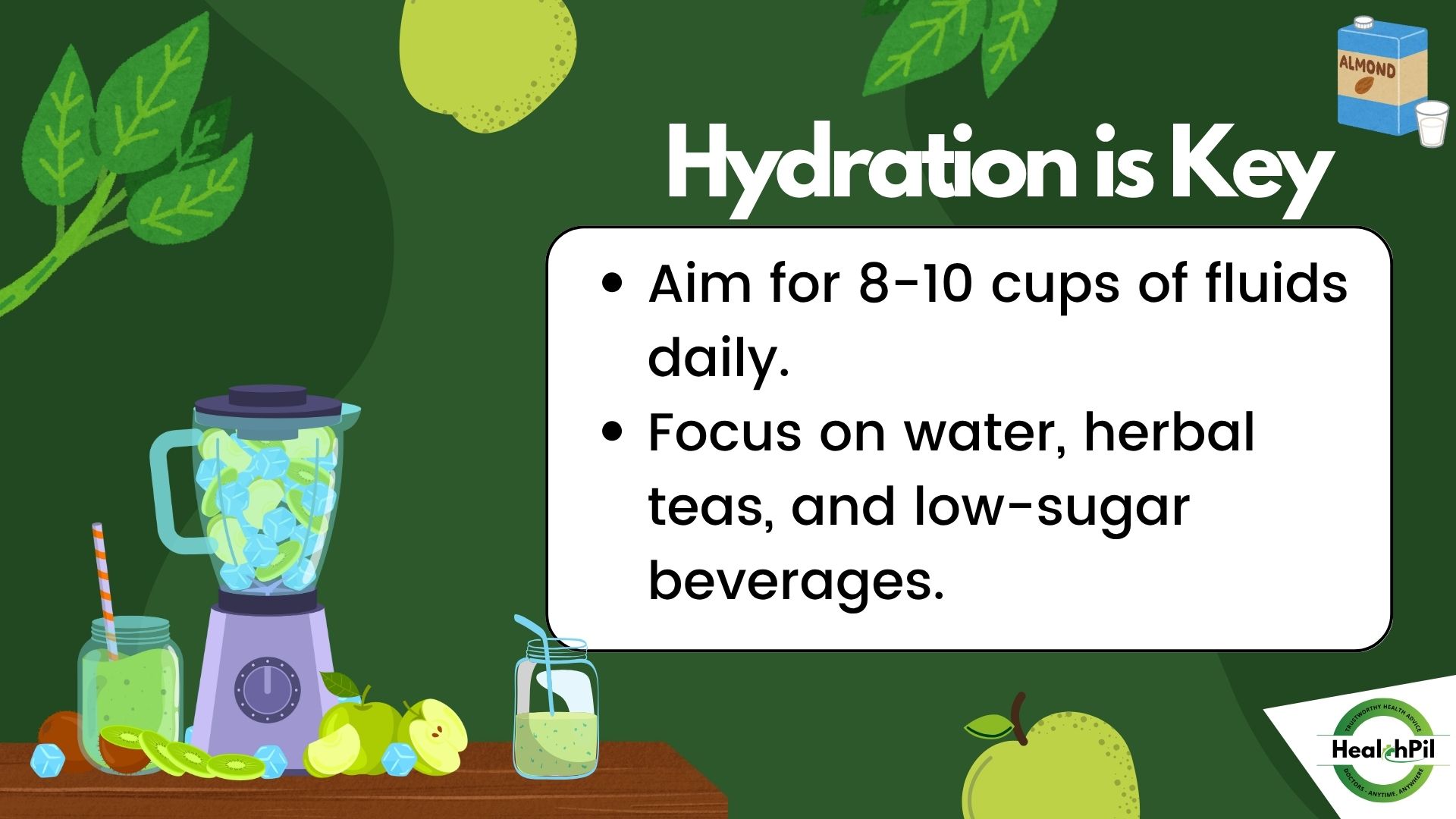
Hydration during pregnancy is as important as food. Aim for 8 to 10 cups of fluids a day, mostly water, with herbal teas and low-sugar drinks making up the rest. Hydration for pregnant women keeps amniotic fluid levels healthy, helps reduce constipation and urinary tract infections, and supports overall maternal health during pregnancy.
Coconut water, buttermilk, and fresh fruit juices without added sugar are all good hydration options that also provide nutrients.
Tips for Maintaining a Healthy Pregnancy Diet
Eat small and frequent meals throughout the day. Include protein in every meal. Drink enough water daily. Limit processed and sugary foods. Take prenatal supplements as prescribed especially folic acid, iron, and calcium. Do not skip meals. Include fruits and leafy greens during pregnancy every day. And follow the pregnancy food list your doctor or nutritionist recommends based on your specific needs.
Pregnancy health tips for nutrition come down to one thing: consistency. Small, steady healthy choices every day add up to the biggest impact over nine months.
When to See a Doctor
Seek medical attention immediately if you experience severe vomiting or dehydration, sudden weight loss, persistent dizziness or weakness, swelling in the hands, feet, or face, difficulty eating or drinking, high blood sugar levels, reduced baby movement, or severe abdominal pain.
If you have questions about your pregnancy nutrition guide, are unsure whether your diet is meeting the baby’s needs, or want personalised advice on your Indian pregnancy diet or prenatal nutrition plan, an online gynecologist consultation is a practical and accessible option. A pregnancy care specialist can review your diet, recommend specific foods for fetal brain development, and advise on supplements all without needing an in-person visit.
How HealthPil can help?
HealthPil connects expectant mothers with pregnancy care specialists and nutrition experts for personalised guidance on healthy eating for expecting mothers. Whether you need a pregnancy meal plan, advice on fetal development nutrition, or support managing pregnancy-related health concerns, book an online gynecologist consultation today and get expert care from home.
Summary
Pregnancy nutrition does not need to be complicated. A balanced diet during pregnancy, built around whole foods, key nutrients, and good hydration during pregnancy, provides everything most mothers and babies need to thrive.
Focus on the basics folic acid during pregnancy, iron rich foods for pregnancy, calcium, protein, and omega 3 foods during pregnancy. Eat regularly, stay hydrated, avoid unsafe foods during pregnancy, and check in with your doctor throughout. The rest takes care of itself.
Frequently Asked Questions
1. What foods should pregnant women avoid?
Pregnant women should avoid raw or undercooked meat, high-mercury fish, alcohol, unpasteurized dairy products, and processed junk foods.
How can I ensure I get enough nutrients?
Pregnant women should aim to drink around 8–10 glasses of water daily to stay hydrated.
3. Which fruits are best during pregnancy?
Bananas, oranges, apples, avocados, berries, and pomegranates are excellent choices during pregnancy.
4. Can I follow an Indian diet during pregnancy?
Yes, a balanced Indian diet with dal, roti, vegetables, fruits, and dairy products can support a healthy pregnancy.
5. Can I consult a doctor online for pregnancy nutrition advice?
Yes, HealthPil can connect you with healthcare professionals for online pregnancy and nutrition consultations.
References
- Marshall NE, Abrams B, Barbour LA, et al. The Importance of Nutrition in Pregnancy and Lactation. Available at:
PMC - Marshall NE, Abrams B, Barbour LA, et al. The Importance of Nutrition in Pregnancy and Lactation. Available at:
PubMed
Disclaimer
The information provided in this article is for awareness purposes only and should not replace professional medical advice. Always consult your healthcare provider for personalized medical guidance.


Read our editorial policy