

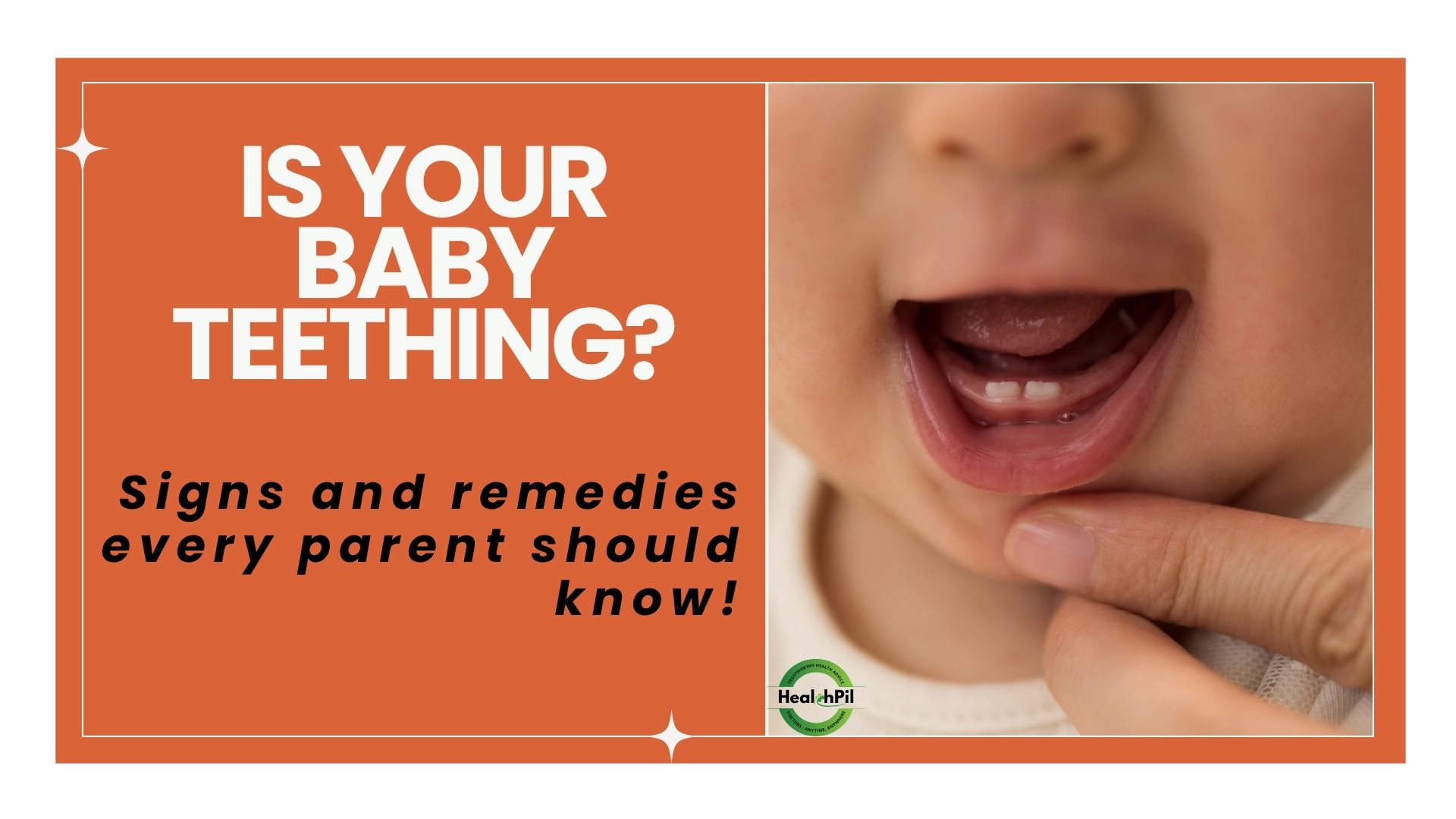
One day your baby is all smiles and giggles. The next, they’re inconsolable, drooling through their third bib of the morning, and chewing on anything they can get their hands on including your finger.
Welcome to teething. One of the most universal and most misunderstood milestones of babyhood.
The good news is that baby teething, while uncomfortable for your little one and exhausting for you, is completely normal. And knowing what to expect, what actually helps, and what doesn’t, makes the whole experience significantly more manageable for everyone involved.
What Is Teething?
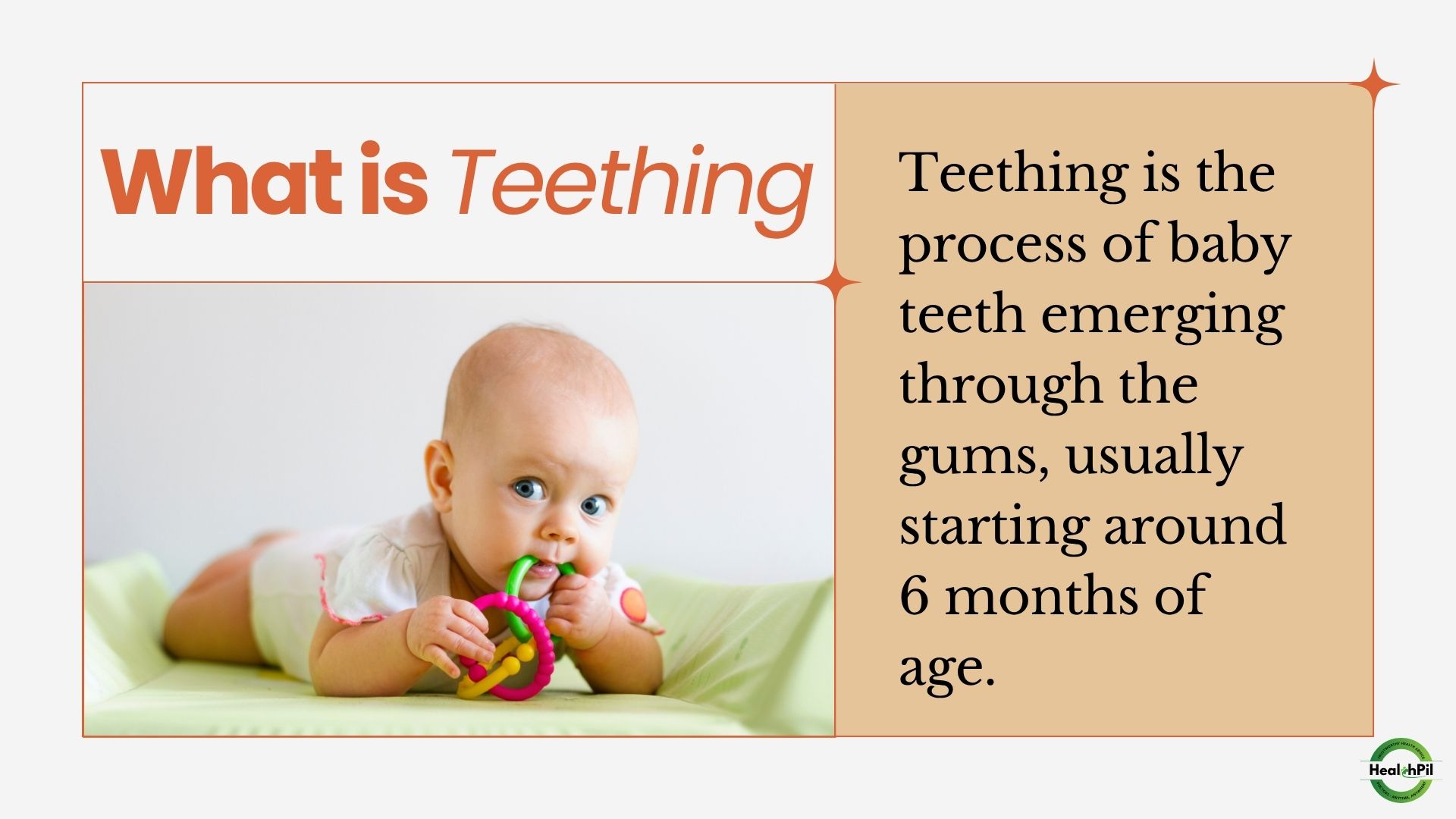
Teething is the process of primary teeth eruption baby teeth pushing up through the gum tissue and breaking through the surface. These are also called milk teeth or baby teeth, and every single one of them has to make that journey.
Most babies have 20 primary teeth in total, and the process of getting all of them takes roughly the first two to three years of life. Baby dental development is a gradual, staged process not a single event which is why teething can feel like it goes on forever.
When Do Babies Start Teething?
Baby teething age varies more than most parenting books suggest. While the average is around 6 months, the normal range is wide: some babies cut their first tooth as early as 3 months, others not until after their first birthday. Both ends of that spectrum are normal.
The teething timeline typically follows a predictable order, even if the exact timing varies:
- Lower central incisors (bottom front teeth) usually the first to arrive, typically between 6 and 10 months. These are the teeth parents notice first.
- Upper central incisors (top front teeth) follow shortly after, usually between 8 and 12 months.
- Lateral incisors the teeth on either side of the front teeth, upper and lower, typically arriving between 9 and 16 months.
- First molars baby molars coming in usually happens between 13 and 19 months. Molars are larger and can be more uncomfortable than the front teeth.
- Canines the pointed teeth, typically between 16 and 23 months.
- Second molars the final set, usually arriving between 23 and 33 months, completing the full set of 20 primary teeth.
Understanding teething stages and this eruption order helps parents know roughly what’s coming next and why some phases feel harder than others.
A few things influence exactly when teething starts family history plays a role, so does overall nutrition, and premature babies sometimes begin a little later than the average timeline. None of this means anything is wrong; it’s simply natural variation.
Signs of Teething: What to Watch For
Every baby experiences teething differently. Some sail through it with barely a fuss. Others find it genuinely miserable. Most fall somewhere in between.
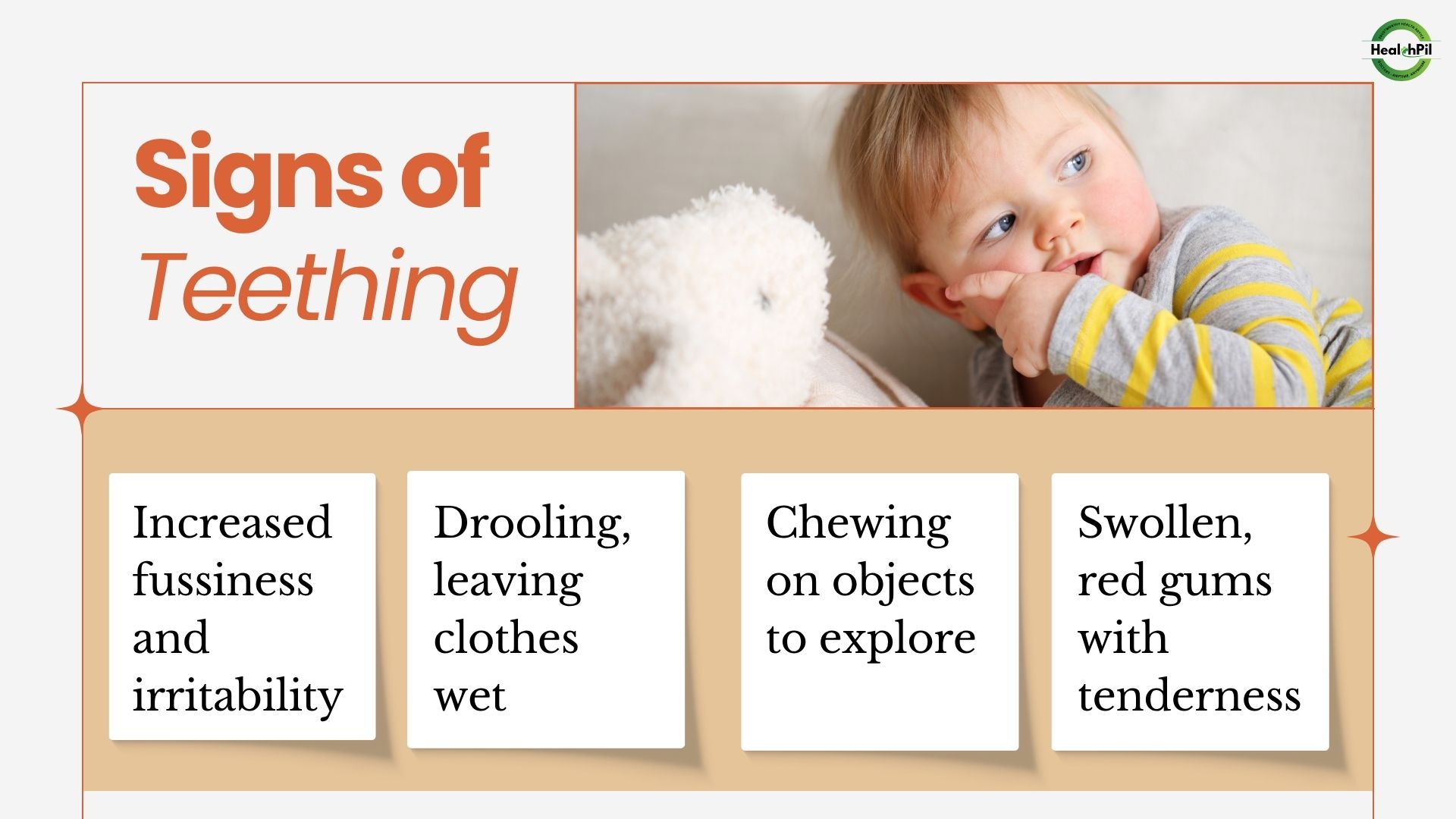
Common teething symptoms parents should know:
- Excessive drooling is one of the earliest and most consistent signs. Baby drooling increases significantly as the salivary glands respond to the stimulation of teeth pushing through the gums. Keep a bib on and change it regularly to prevent drool rash in babies the skin irritation that develops around the mouth, chin, and neck when saliva sits against sensitive skin for too long.
- Swollen or red gums look for swollen gums in babies in the area where a tooth is about to emerge. The gum may look slightly bluish or feel firm to the touch just before a tooth breaks through.
- Baby chewing on objects teething babies chew on everything. Fingers, toys, cot rails, your shoulder. This isn’t bad behaviour. It’s instinct the pressure of chewing against sore gums in babies genuinely provides relief.
- Fussiness and teething and irritability more crying, less settling, more difficulty being comforted. A fussy baby during teething isn’t manipulating you. They’re in genuine discomfort, and they need your patience.
- Baby sleep changes during teething are extremely common. Teething and sleep problems tend to peak when a tooth is actively pushing through. Expect more night waking, more difficulty settling, and a baby who seems fine during the day but falls apart at bedtime.
- Mild loss of appetite sore gums make feeding uncomfortable. Some babies pull off the breast or bottle more frequently, or eat less solid food during active teething phases.
- Pulling on ears or rubbing cheeks teething pain can sometimes radiate toward the ears and cheeks, causing babies to tug at their ears or rub their face. This is often mistaken for an ear infection, but if there’s no fever, discharge, or other illness signs alongside it, it’s usually just referred teething discomfort. If you’re unsure, it’s still worth a quick check with your paediatrician to rule out an actual ear infection.
The Teething Fever Myth What Parents Should Know
This one is important, because it causes a lot of unnecessary worry and unnecessary delay in getting help when it’s actually needed.
Teething does not cause high fever. The teething fever myth is persistent, but the medical consensus is clear: normal teething may cause a very slight rise in temperature at most 0.5 to 1 degree above normal but it does not cause a true fever above 101°F (38.3°C).
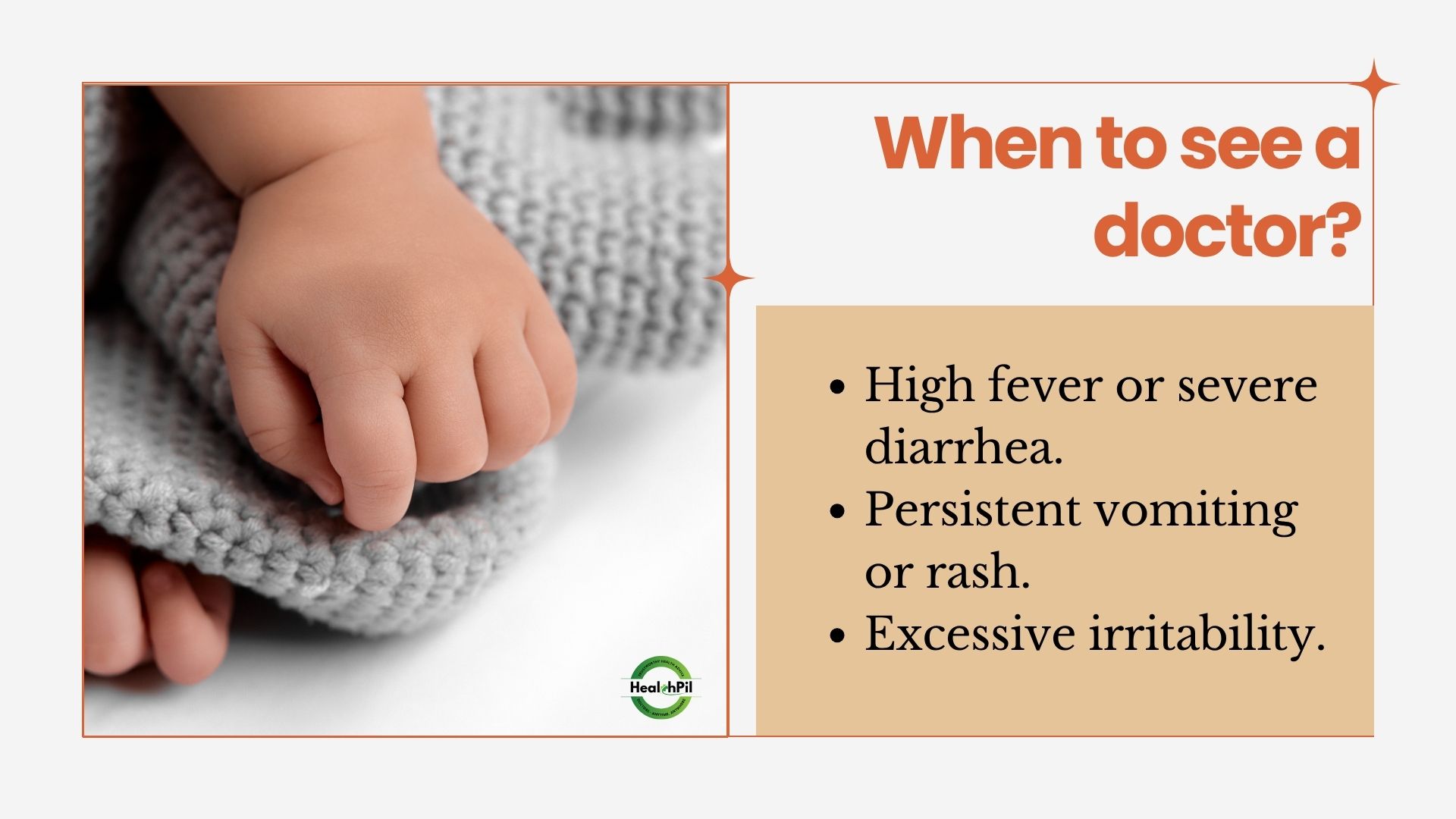
If your baby has a high fever, persistent diarrhoea, vomiting, a rash, or signs of infection during the teething period, these are not caused by teething. They indicate another illness that needs medical attention. Don’t attribute real symptoms to teething and delay getting them checked.
Similarly, teething and irritability that is severe and cannot be soothed, refusal to eat or drink for an extended period, or anything that simply doesn’t feel right these warrant a call to your paediatrician.
How to Soothe a Teething Baby: What Actually Works
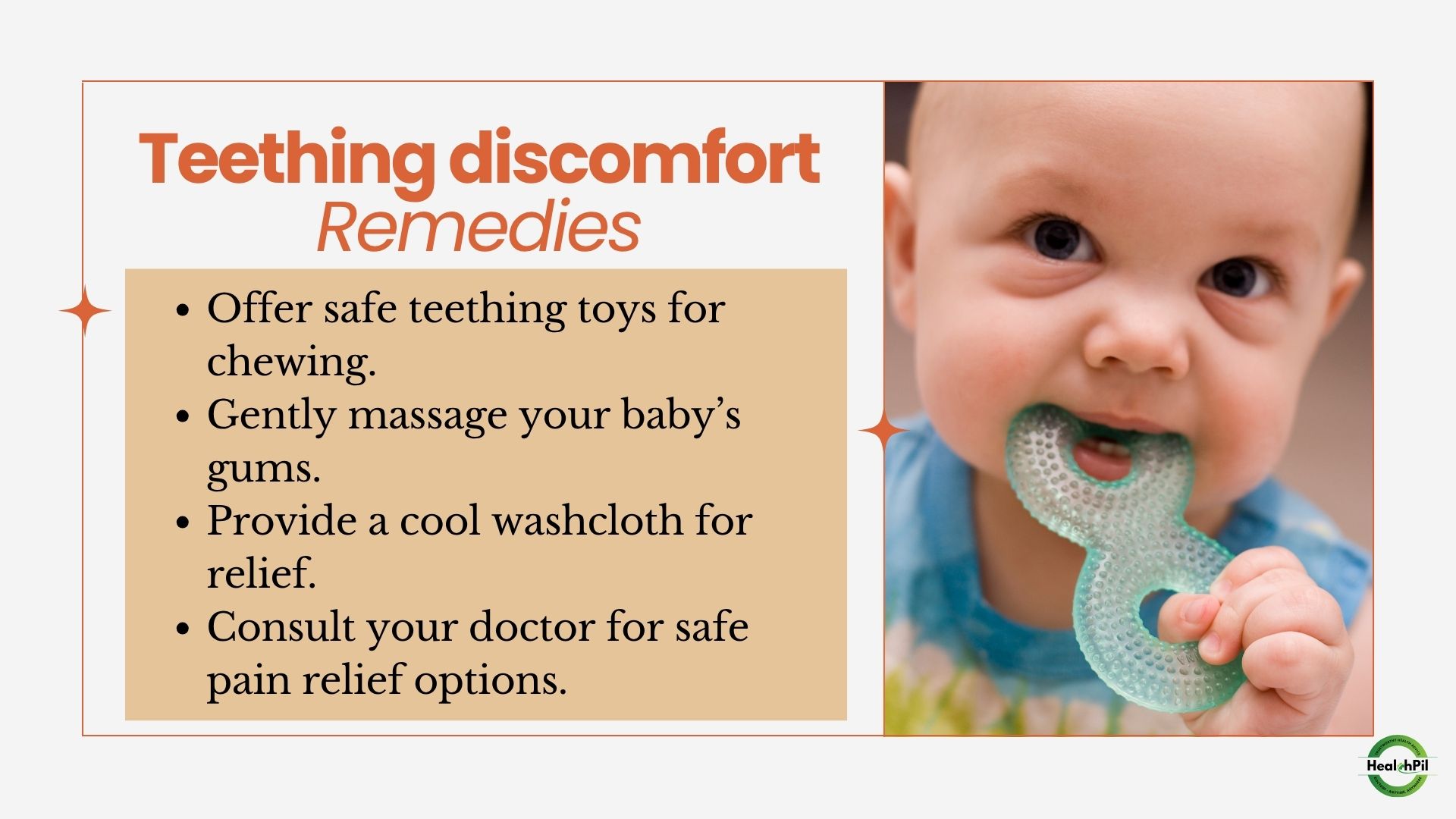
There is a lot of teething advice out there, and not all of it is helpful or safe. Here is what the evidence and medical guidance actually supports for teething pain relief:
- Chilled teething ring one of the most effective safe teething remedies. Cool (not frozen) teething rings provide the combination of gentle pressure and cold that soothes sore gums in babies most reliably. Put the teething ring in the refrigerator not the freezer, as frozen teethers can be too hard and damage delicate gum tissue. A chilled teething ring is the go-to recommendation for good reason.
- Best teething toys look for toys made from non-toxic, BPA-free materials that are firm enough to provide pressure but soft enough not to cause damage. Good teething toys for babies are designed specifically for this purpose, with textured surfaces that feel good against swollen gums. Avoid toys with small parts, liquid-filled teethers that could leak, or anything with hard protrusions.
- Gum massage for teething using a clean finger or a damp piece of gauze, gently rub along the gum line where the tooth is pushing through. The counter-pressure from a gum massage for teething is genuinely soothing, and it has the added benefit of getting your baby used to having their mouth touched good preparation for future infant dental care.
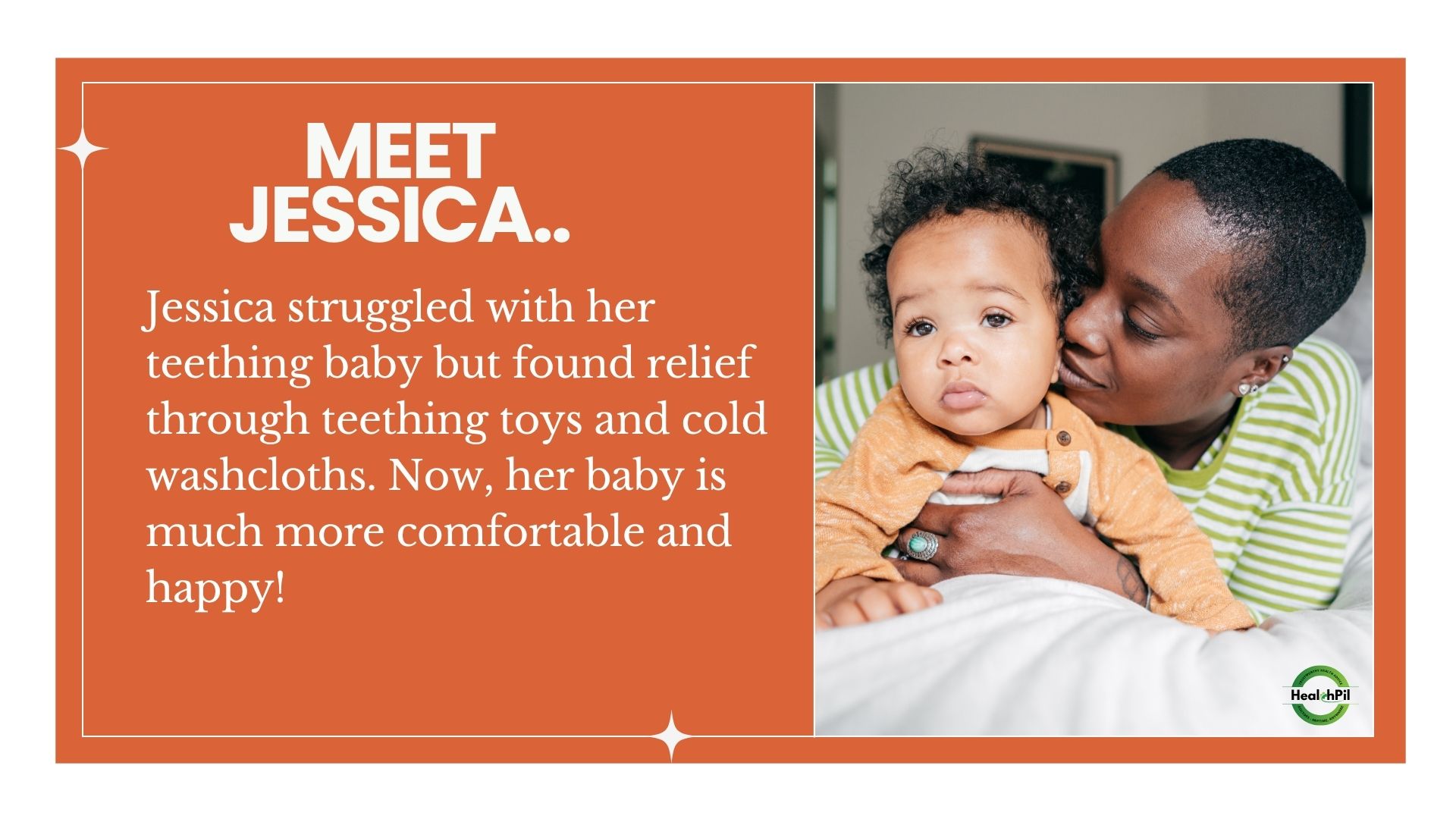
- Cold washcloth for teething a clean, damp washcloth cooled in the refrigerator gives babies something to chew on that also provides cold relief. It’s one of the simplest natural teething remedies and works particularly well for younger babies who aren’t ready for teething rings yet.
- Distraction don’t underestimate how effective this is. A teething baby who is engaged in play, being held, or exploring something interesting is not focused on gum discomfort. Quality interaction with a parent is genuine teething support for parents and babies alike.
- Pain relief medication when needed for particularly difficult nights or active eruption phases, paracetamol (acetaminophen) or ibuprofen appropriate for your baby’s age and weight can be used. Always follow dosage guidelines and consult your healthcare provider if you’re unsure. Infant dental care doesn’t require powering through unnecessary pain.
What to Avoid: Unsafe Teething Remedies
Not everything marketed as teething help for parents is actually safe. Some popular products carry real risks:
- Teething necklaces and bracelets amber, wooden, or silicone teething necklaces are a strangulation and choking hazard. Multiple safety organisations including the FDA and AAP advise against them. No evidence supports their effectiveness, and the risks are real.
- Benzocaine-based teething gels products containing benzocaine (a local anaesthetic) are not recommended for children under two. Benzocaine can cause a rare but serious condition called methemoglobinaemia, which reduces the blood’s ability to carry oxygen.
- Alcohol-based remedies rubbing alcohol or whisky on the gums is an old home remedy with no place in modern baby care. Alcohol is toxic for babies in even small amounts.
- Frozen teethers as mentioned, freezing (rather than chilling) teething rings makes them too hard and can bruise delicate gum tissue.
Stick to safe teething remedies that are recommended by paediatric dental care and medical professionals.
Baby Oral Health During Teething
The arrival of teeth is also the beginning of baby oral health habits that will matter for years to come.
- Start cleaning teeth as soon as they appear use a soft, age-appropriate infant oral care toothbrush or a clean damp cloth to gently wipe the first teeth twice a day. No toothpaste is needed until around 18 months, and then only a rice-grain sized amount of low-fluoride paste.
- Avoid putting your baby to sleep with a bottle milk pools around the teeth during sleep and can cause early decay. This matters from the first tooth.
- First dental visit pediatric dental care guidelines recommend a baby’s first dental check-up around the time the first tooth appears, or by their first birthday. Early child dental health checks establish healthy habits and catch any concerns early.
- Healthy baby teeth are not just about appearances. Primary teeth hold space for permanent teeth and play a crucial role in speech development, chewing, and jaw development.
Teething and Baby Oral Hygiene: Building Good Habits Early
Baby oral hygiene starts earlier than most parents realise. Even before the first teeth arrive, wiping the gums with a damp cloth after feeds helps prevent bacteria build-up and gets your baby comfortable with mouth care.
Once teeth appear, a consistent twice-daily routine begins building the infant oral care habits that support healthy baby teeth and, eventually, healthy adult teeth. These early habits matter children who have consistent tooth-care routines from infancy carry those patterns forward.
When to Consult a Doctor for Teething
Most teething is manageable at home with the remedies above. But consult your paediatrician if:
Your baby has a fever above 101°F (38.3°C). There is persistent diarrhoea or vomiting. Your baby is refusing to eat or drink. Irritability is severe and cannot be soothed after reasonable attempts. There is a rash that is spreading or looks infected. Your baby has no teeth by 18 months. You notice any unusual appearance in the gums, or are concerned about the tooth eruption order.
An online consultation with a paediatrician is a practical first step for any teething concerns accessible from home, without the effort of a clinic visit when you’re already sleep-deprived and managing a miserable baby.
How HealthPil Can Help
HealthPil connects parents with experienced paediatricians and infant dental care specialists who can answer questions about teething symptoms, safe teething remedies, baby oral health, and child dental health all through online consultations from the comfort of home.
Whether you need reassurance that what you’re seeing is normal, guidance on safe pain relief, or advice on starting infant oral care properly expert support is just a few clicks away. Book your online consultation with HealthPil today.
Summary
Baby teething is uncomfortable, unpredictable in timing, and inevitable for every child. The teething timeline varies widely between babies, and symptoms range from mild drooling to significant sleep disruption. Knowing the real signs of teething, understanding which safe teething remedies actually work, recognising the teething fever myth for what it is, and starting baby oral hygiene habits from the first tooth these are the things that make this stage manageable. Your baby will get through it. So will you.
Frequently Asked Questions
When does teething usually start?
Teething typically begins around 6 months, but can vary from baby to baby.
How long does the teething process last?
Teething can last until your child is about 3 years old, as all primary teeth emerge.
Can teething cause fever?
While mild temperature increases may occur, high fever is not typical and may indicate an illness.
Is it safe to use home remedies for teething?
Many home remedies are safe, but always consult your healthcare provider before trying new methods.
What are the signs of a tooth infection?
Look for persistent swelling, redness, or pus around the gums, along with fever or extreme discomfort.
References
- Macknin ML, Piedmonte M, Jacobs J, Skibinski C. Symptoms Associated with Infant Teething: A Prospective Study. Available at:
PubMed - Wuni A, Iddrisu M, Angliengmene AA, et al. Knowledge and Management Practices of Infant Teething Symptoms Among Mothers in a Tertiary Facility in Ghana. Available at:
PMC
Disclaimer
The information provided in this article is for awareness purposes only and should not replace professional medical advice. Always consult your healthcare provider for personalized medical guidance.

Read our editorial policy