

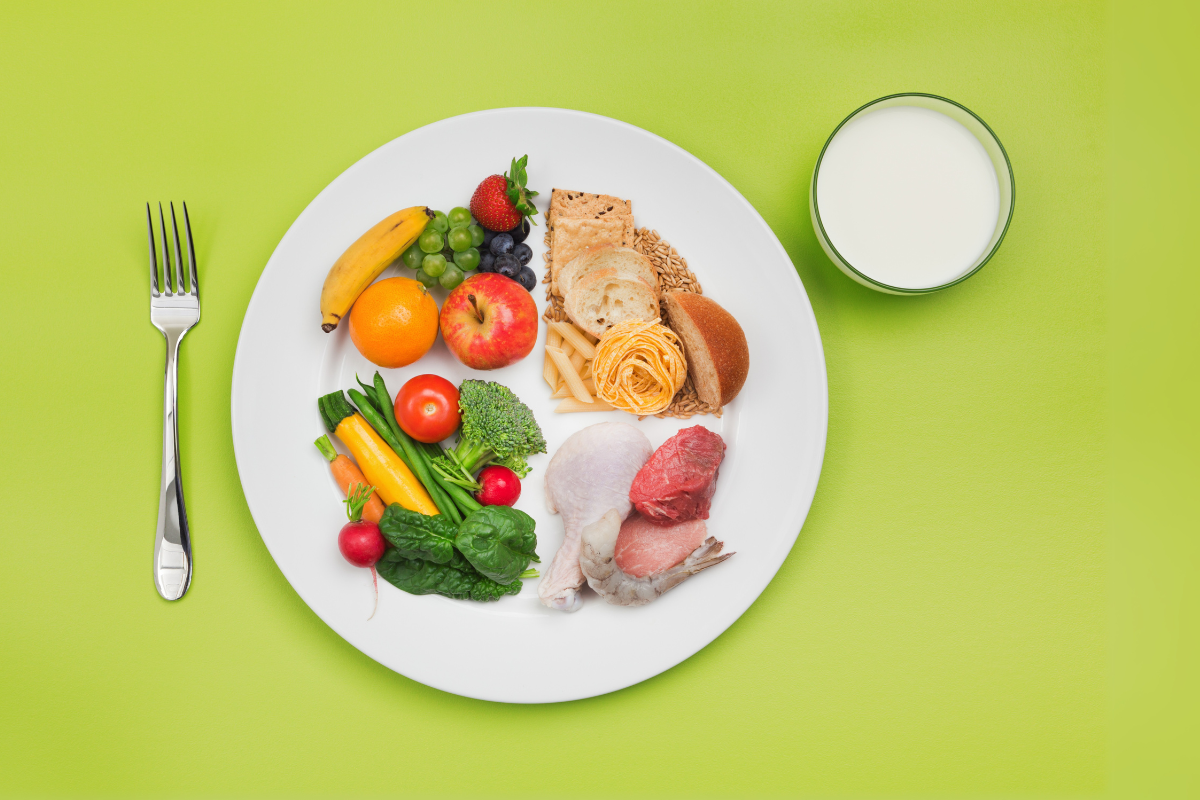
Ask ten people what a balanced diet actually means, and you’ll probably get ten different answers. Some think it’s about eating less. Some think it’s about cutting carbs. Others just assume “healthy” means salad every day.
Here’s the truth a balanced diet isn’t about restriction at all. According to the Indian Council of Medical Research’s (ICMR) 2024 guidelines, it’s about including the right mix of different food groups, in the right proportions, so your body gets everything it actually needs. No single food does that alone not even the healthiest one you can think of.
This guide breaks down what a balanced diet really includes, what ICMR 2024 specifically recommends for Indian households, and practical ways to build one without overcomplicating your daily meals.
What Is a Balanced Diet?
A balanced diet gives your body the right ratio of macronutrients protein, fats, and carbohydrates along with the micronutrients, meaning vitamins and minerals, it needs to function well. It supports growth and development, keeps your brain working properly, and keeps your immune system strong.
Since no single food contains everything your body needs, balanced nutrition comes from eating a genuine variety of foods across different groups not from any one “superfood” or restrictive plan.
Key Elements of a Balanced Diet
A properly balanced meal includes:
Adequate calories to meet your daily energy needs. Protein for growth, tissue repair, and immune function. Healthy fats for brain health and steady energy. Fibre-rich foods for digestive health. And a wide range of vitamins and minerals for the countless metabolic processes running in your body every day.
ICMR 2024 Guidelines for a Balanced Diet
1. Diversity in food choices
Choose a range of foods across categories to make sure you’re actually covering your nutritional bases. This means at least two to three types of cereals or millets daily, a mix of pulses, beans, or legumes for protein and fibre, and good-quality protein sources like nuts, seeds, fish, and dairy.
2. Building a healthy meal
A balanced meal should include non-starchy and green leafy vegetables, whole grains — at least 50% of your daily cereal intake should be unpolished or minimally processed — protein from pulses, beans, nuts, seeds, or fatty fish, at least 30g of fruit daily for vitamins and antioxidants, and fermented foods like yoghurt or curd for gut health.
3. Snacks and beverages
Go for healthy snacks vegetable or fruit salads with nuts or seeds, roasted chickpeas, or boiled beans and avoid ultra-processed foods and sugary drinks.
4. Limiting harmful additives
Keep salt under 5g a day. Avoid added sugar, or cap it at 25g daily. Use healthy cooking oils, and restrict total oil intake to 25–30g a day.
5. Physical activity and sunlight
Regular physical activity helps your body actually use the nutrients you’re eating. And getting some sunlight exposure supports natural vitamin D synthesis — something a lot of indoor, desk-bound lifestyles fall short on.
The Plate Method: A Simple Visual Guide
If percentages and grams feel like too much to track, there’s a simpler way to think about balanced meal planning the plate method.
Picture your plate divided into sections. Half of it filled with vegetables and fruits. A quarter with protein dal, paneer, chicken, fish, or eggs. And the remaining quarter with whole grains or starches, like brown rice, roti, or millets.
This visual approach skips the need for calorie counting altogether, and naturally builds in variety which is really the whole point of a balanced diet in the first place.
Sample One-Day Indian Balanced Diet Plan
Here’s what a genuinely balanced day might look like, Indian-style:
- Breakfast — Vegetable poha or moong dal cheela, with a glass of milk
- Lunch — Two rotis, a bowl of dal, a green vegetable sabzi, and a small bowl of curd
- Evening snack — A handful of nuts and a seasonal fruit, or roasted chana
- Dinner — Brown rice or millet, dal, and a mixed vegetable curry
This is just one version the actual combination matters less than making sure whole grains, protein, vegetables, and healthy fats all show up regularly across your day.
Nutrients of Concern for Vegetarians
For vegetarians, a couple of nutrients need a bit of extra attention specifically long-chain omega-3 fatty acids (EPA and DHA) and vitamin B12, both of which are naturally more abundant in animal foods.
A few strategies help close this gap. Flaxseeds, chia seeds, walnuts, and dark green leafy vegetables provide plant-based omega-3s. And fortified foods or a B12 supplement can cover what a vegetarian diet alone often misses.
Why Do We Need a Balanced Diet?
- Supports growth and development. This matters enormously during childhood, adolescence, pregnancy, and breastfeeding stages where nutritional demands are genuinely higher.
- Prevents malnutrition. A balanced diet protects against both undernutrition and the excess weight gain that comes from relying too heavily on processed, calorie-dense foods.
- Improves immune function. Nutrients like vitamin C, vitamin D, and zinc play a direct role in keeping your immune system responsive.
- Optimises brain health. Omega-3s and antioxidants, both part of a well-rounded diet, support cognitive function memory, focus, and learning.
- Enhances longevity. A varied, nutrient-rich diet lowers the risk of chronic disease over time, which genuinely improves quality of life as you age.
Benefits of a Balanced Diet
Beyond the basics, a consistently balanced diet supports a surprising range of things:
- Weight management — helping regulate calorie intake without triggering the overeating that often follows restrictive dieting.
- Heart health — healthy fats and reduced processed food intake support better cholesterol and lower inflammation.
- Gut health and digestion — fibre-rich foods and fermented foods like curd keep digestion running smoothly.
- Bone health — calcium, vitamin D, and magnesium, spread across a varied diet, protect bone strength over the years.
- Better sleep quality — nutrient-rich eating patterns are genuinely linked to more consistent, restorative sleep.
- Healthier skin — proper hydration and a good mix of vitamins and antioxidants show up in skin health too, often before anywhere else.
Factors Affecting Your Balanced Diet
A few things shape how realistic “balanced” looks for any individual:
- Age — nutritional needs shift meaningfully through childhood, adulthood, and older age.
- Activity level — someone training for a marathon needs a very different calorie and protein intake than someone with a largely sedentary routine.
- Health conditions — diabetes, hypertension, or kidney disease often require specific dietary adjustments.
- Cultural and regional preferences — an Indian balanced diet naturally looks different from a Western one, and that’s completely fine — balance isn’t about a fixed menu.
- Economic constraints — budget genuinely shapes food access, which is exactly why the myths below matter.
Common Myths About Balanced Diets
Myth: “A balanced diet is expensive.”
Fact: Whole grains, seasonal vegetables, lentils, and local fruits are both affordable and nutritious. You don’t need imported or exotic ingredients.
Myth: “All fats are unhealthy.”
Fact: Healthy fats from nuts, seeds, and fatty fish are essential for brain and heart health. It’s the fried, ultra-processed fats that deserve the caution.
Myth: “Vegetarian diets don’t have enough protein.”
Fact: Vegetarians can get plenty of protein from pulses, beans, dairy, and nuts — often more affordably than meat-based sources.
Myth: “Raw foods are always better than cooked foods.”
Fact: Cooking methods like steaming and stir-frying can actually preserve nutrients while improving digestibility.
Myth: “Skipping meals aids weight loss.”
Fact: Regular meals keep energy levels steady and support better metabolism, which usually prevents the overeating that follows a skipped meal.
Healthy Eating Habits as per ICMR Guidelines
Include non-starchy vegetables and leafy greens at every meal. Use whole grains instead of refined ones. Combine cereals with pulses for a more complete protein profile. Add nuts and seeds like flaxseeds and chia seeds three to four times a week. Avoid ultra-processed and HFSS (high fat, sugar, and salt) foods. And stick to two to three meals a day, rather than constant snacking.
Practical Tips for a Balanced Diet
- Plan your meals. A simple weekly menu with a mix of cereals, proteins, and vegetables saves you from last-minute, less-healthy choices.
- Opt for seasonal produce. Seasonal fruits and vegetables are cheaper, fresher, and genuinely more nutrient-dense than out-of-season alternatives.
- Cook smart. Steaming, pressure cooking, or baking preserve more nutrients than deep-frying does.
- Add colour to your plate. Different coloured foods carry different antioxidants and nutrients the more variety, the better the coverage.
- Hydrate wisely. Water, herbal teas, or coconut water are far better daily choices than sugary beverages.
How HealthPil Can Help
At HealthPil, we help you turn general guidelines into a genuinely personalised diet plan one built around your lifestyle, health goals, and food preferences, not a generic chart. Our nutrition experts offer:
Custom diet plans built to fit your specific needs, whether that’s weight management, a medical condition, or simply eating better day to day. Online dietitian consultation with qualified nutritionists for practical, one-on-one guidance.
Summary
A balanced diet means eating a genuine variety of foods whole grains, pulses, vegetables, fruits, healthy fats, and dairy in the right proportions, following ICMR 2024 guidelines for Indian households. The plate method offers a simple visual way to build this without counting calories. Beyond weight management, a balanced diet supports heart health, brain health, gut health, bone strength, immunity, and even sleep and skin quality. Vegetarians should pay particular attention to omega-3s and vitamin B12. Age, activity level, health conditions, and budget all shape what balance looks like for you individually — there’s no single template that fits everyone. If you’d like a diet plan built around your specific needs, book an online dietitian consultation with HealthPil today.
FAQs :-
1. What foods make up a balanced diet?
A balanced diet includes whole grains, pulses and legumes, non-starchy vegetables, fruits, healthy fats, dairy or fortified alternatives, and adequate water across most meals of the day.
2. What are the ICMR 2024 guidelines for a balanced diet?
ICMR 2024 recommends diverse food choices, at least 50% whole grains in daily cereal intake, 30g of fruit daily, limiting salt to under 5g and added sugar to under 25g daily, and staying physically active.
3. Can a balanced diet help with weight management?
Yes. By regulating calorie intake and reducing reliance on processed foods, a balanced diet supports steady, sustainable weight management rather than restrictive, short-term dieting.
4. Is a balanced diet expensive to follow?
No. Whole grains, seasonal vegetables, lentils, and local fruits are affordable and provide excellent nutrition without needing imported or specialty ingredients.
5. How can vegetarians get enough protein and omega-3 in a balanced diet?
Vegetarians can get protein from pulses, beans, dairy, and nuts, and omega-3s from flaxseeds, chia seeds, walnuts, and leafy greens. A B12 supplement or fortified foods often help too, since B12 is mainly found in animal products.
6. What is the plate method, and how does it help with balanced meal planning?
The plate method visually divides your plate into halves and quarters half vegetables and fruits, a quarter protein, and a quarter whole grains making balanced meal planning simple without calorie counting.
7. Should I consult a dietitian for a personalised diet plan?
Yes, especially if you have a medical condition, specific fitness goals, or dietary restrictions. An online dietitian consultation can help translate general guidelines into a plan that actually fits your life.
References
- Cena H, Calder PC. Defining a Healthy Diet: Evidence for the Role of Contemporary Dietary Patterns in Health and Disease. Available at:
PMC - Cena H, Calder PC. Defining a Healthy Diet: Evidence for the Role of Contemporary Dietary Patterns in Health and Disease. Available at:
PubMed
Disclaimer:
This article is meant for informational purposes only and is not a substitute for professional medical advice. Please consult a dietitian or healthcare provider for personalised dietary recommendations.

Read our editorial policy