

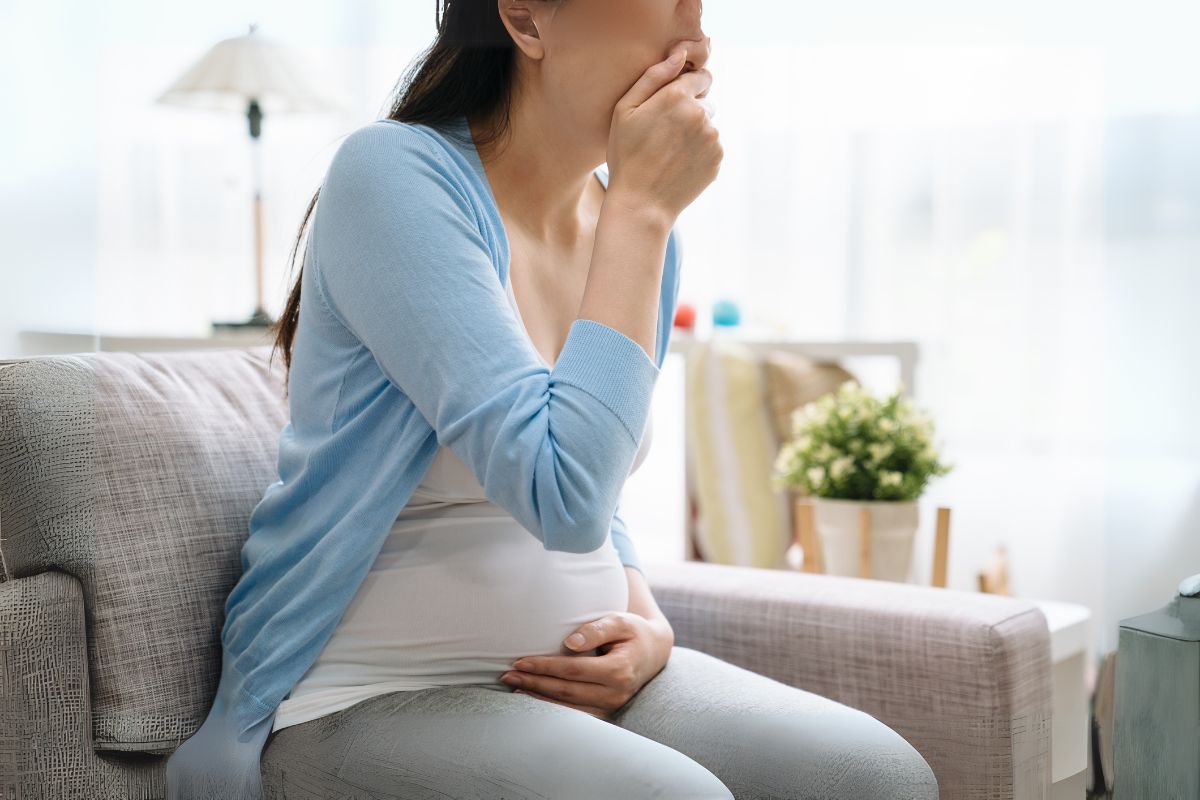
One day you’re crying at a dog food ad. The next day you’re laughing so hard you can’t breathe. Then your stomach turns and you’re running to the bathroom. Sound familiar? This isn’t random. It’s hormones.
Pregnancy hormones control almost everything that happens in your body right now. They cause the mood swings. They cause the morning sickness. They cause the tiredness that hits you out of nowhere. In this guide, you’ll learn what each hormone does, how it changes trimester by trimester, and what you can do to feel a little more in control.
What Are Hormones, and Why Do They Spike So Much in Pregnancy?
Hormones are chemical messengers. They travel through your blood and tell your body what to do. During pregnancy, your body makes way more of certain hormones than it ever has before. This helps your baby grow. It also gets your body ready for birth and breastfeeding.
These hormonal changes during pregnancy affect nearly every system in your body your mood, your skin, your digestion, even your eyesight.
The Main Pregnancy Hormones and What They Do
Let’s break down each hormone in plain terms.
hCG (Human Chorionic Gonadotropin)
This is the hormone home pregnancy tests look for. Your placenta starts making hCG right after the fertilized egg attaches to your uterus. hCG levels during pregnancy rise fast in the first few weeks, then peak around week 10, and slowly drop after that.
Rising hCG hormone during pregnancy is the main reason behind nausea and vomiting in early weeks. If your hCG levels shoot up quickly, morning sickness often feels worse.
Estrogen During Pregnancy
Estrogen helps your uterus and placenta grow. It also helps your baby’s organs develop. You will make more estrogen during one pregnancy than in your entire life outside of it.
Estrogen during pregnancy keeps rising and hits its highest point in the third trimester. It’s also behind that so-called “pregnancy glow,” since it increases blood flow to your skin.
Progesterone During Pregnancy
Progesterone keeps your uterus calm so it doesn’t contract too early. It also loosens your ligaments and joints to make room for your growing belly.
High progesterone during pregnancy is why you feel so sleepy in the first trimester. It also slows down digestion, which is why bloating, gas, and constipation show up so often.
Relaxin Hormone During Pregnancy
Relaxin loosens the ligaments around your pelvis. This helps your body get ready for labour. But it can also make your joints feel wobbly or achy, especially in your hips and lower back.
Oxytocin During Pregnancy
Oxytocin is often called the “love hormone.” It rises sharply during labour and helps your uterus contract. It also plays a big role in bonding with your baby after birth.
Prolactin During Pregnancy
Prolactin prepares your breasts to make milk. Levels rise steadily through pregnancy and surge right before and after delivery.
FSH and LH The Hormones That Got You Pregnant in the First Place
Before conception, two hormones set the stage: follicle-stimulating hormone (FSH) helps eggs mature, and luteinizing hormone (LH) triggers ovulation. Once the egg is fertilized, hCG, estrogen, and progesterone take over to support the pregnancy.
Pregnancy Hormones at a Glance
Hormone | What It Does | Common Effects |
hCG | Confirms and supports early pregnancy | Nausea, vomiting, morning sickness |
Estrogen | Grows the uterus and placenta | Mood changes, skin changes, breast growth |
Progesterone | Maintains the pregnancy | Fatigue, bloating, constipation |
Relaxin | Loosens pelvic ligaments | Joint looseness, pelvic ache |
Oxytocin | Triggers labour contractions | Contractions, bonding |
Prolactin | Preps breasts for milk | Breast growth, milk production |
Hormonal Changes in the First Trimester (Weeks 1–12)
This is when hormonal fluctuations during pregnancy hit hardest. hCG levels shoot up fast. Progesterone climbs too. Together, they cause:
- Morning sickness during pregnancy nausea that can strike any time of day, not just morning
- Fatigue during pregnancy a deep tiredness that no amount of coffee fixes
- Mood swings during pregnancy sudden shifts between joy, anxiety, and irritability
- A metallic taste in your mouth
- Increased sensitivity to smells
Hormonal changes in early pregnancy are usually the most intense of the whole nine months. Many women say the first trimester is the hardest part, purely because of how fast these hormones move.
Hormonal Changes in the Second Trimester (Weeks 13–26)
Good news for most women, nausea eases up here. But estrogen and progesterone keep climbing, so new symptoms show up:
- Heartburn during pregnancy, as progesterone relaxes the valve between your stomach and food pipe
- Constipation during pregnancy, as digestion slows down further
- Breast changes during pregnancy your breasts grow, veins become visible, and the areola darkens
- Skin changes during pregnancy the “pregnancy glow,” along with darkening of the nipples and a dark line down your belly (linea nigra)
- Hyperpigmentation during pregnancy, including patches of darker skin on the face known as melasma or the “mask of pregnancy”
Increased blood volume also kicks in during this stage, which can cause mild swelling in your legs and feet.
Hormonal Changes in the Third Trimester (Weeks 27–40)
As your due date gets closer, the hormone mix shifts again:
- Relaxin hormone during pregnancy rises further, loosening your pelvis and sometimes causing more joint discomfort
- Oxytocin during pregnancy starts increasing, which can trigger Braxton Hicks contractions — practice contractions that prepare your body for real labour
- Prolactin during pregnancy surges, making your breasts fuller and more tender, sometimes leaking a bit of early milk called colostrum
Third trimester pregnancy hormones are really your body’s final countdown to labour and breastfeeding.
How Pregnancy Hormones Affect Your Whole Body
Mood and Emotional Changes
Pregnancy hormones and emotional changes go hand in hand. Rising and falling estrogen and progesterone directly affect brain chemicals that control mood. This is completely normal, even when it feels overwhelming.
Sleep Changes
Pregnancy hormones and sleep changes are closely linked. High progesterone makes you sleepy early on. Later, physical discomfort, frequent bathroom trips, and anxiety can make sleep harder to come by.
Digestive Changes
Progesterone slows the movement of food through your gut. This leads to bloating, gas, constipation, and that “too full” feeling, even after small meals.
Skin and Hair Changes
Hormonal shifts can cause:
- Hyperpigmentation on the face, nipples, and belly line
- Stretch marks during pregnancy, especially on the belly and breasts, caused by both stretching skin and hormone-driven changes in skin elasticity
- Hair changes during pregnancy — many women notice thicker, fuller hair during pregnancy, followed by more shedding a few months after birth
- Nail changes — nails may grow faster but also become more brittle
Blood Volume, Swelling, and Blood Pressure
Pregnancy hormones and increased blood volume go together. Your blood volume can rise by 40–50% during pregnancy. This extra fluid can cause swelling in your hands, feet, and face. It can also affect your blood pressure, so regular checkups matter.
Body Temperature
Pregnancy hormones and body temperature are connected too a slightly higher body temperature is often one of the earliest signs of pregnancy, and it stays a bit elevated throughout.
Breastfeeding Prep
Pregnancy hormones and breastfeeding are deeply linked. Prolactin builds your milk supply. Oxytocin helps release that milk once your baby starts feeding.
Hormones That Prepare the Body for Labour
As labour approaches, three hormones take the lead:
- Oxytocin triggers contractions
- Relaxin loosens the pelvis so your baby can pass through
- Prolactin gets your breasts ready for the first feed
What Happens to Pregnancy Hormones After Delivery?
Once the placenta is delivered, estrogen and progesterone drop sharply within days. This sudden drop is one reason many women feel emotional or teary in the first week after birth (often called the “baby blues“).
Meanwhile, prolactin stays high to support breastfeeding, and oxytocin continues to help with bonding and milk release.
If sadness, anxiety, or low mood lasts more than two weeks after birth, or feels severe, it’s important to speak with a doctor. This could be a sign of postpartum depression, which is treatable and nothing to feel ashamed of.
How to Manage Hormonal Changes During Pregnancy
You can’t stop these hormonal shifts but you can make them easier to live with.
- Eat small, frequent meals. This helps with nausea, bloating, and blood sugar swings.
- Keep ginger nearby. Ginger tea or ginger candy can calm morning sickness.
- Stay hydrated. Water helps with fatigue, headaches, and constipation.
- Move your body gently. Short walks or prenatal yoga (with your doctor’s okay) can ease mood swings and improve sleep.
- Prioritize rest. Nap when you can. Your body is doing a lot of work right now.
- Watch your diet for heartburn. Skip spicy and fried foods; eat smaller portions more often.
- Support your skin. Use a gentle moisturizer and daily sunscreen to reduce pigmentation and itching from stretch marks.
- Wear a supportive bra. This eases breast tenderness as your breasts grow.
- Talk about your feelings. Share what you’re going through with your partner, family, or a friend. You don’t have to carry it alone.
- Be patient with yourself. Forgetfulness, mood swings, and low energy are hormonal, not a personal failing.
How HealthPil Can Help
If you have concerns about hormonal changes or unusual symptoms during pregnancy, you can consult a qualified gynecologist online through HealthPil for personalized guidance based on your symptoms and pregnancy.
When Should You Speak With a Doctor?
Most hormonal changes during pregnancy are normal. But some symptoms need medical attention right away:
- Severe vomiting that stops you from keeping food or water down
- Severe or ongoing pain in your belly or pelvis
- Sudden or serious swelling in your hands, feet, or face
- Bad headaches or changes in your vision
- Extreme tiredness that stops you from doing daily tasks
- Sadness, anxiety, or mood changes that feel too hard to manage
- Any symptom that feels unusual or worries you
If any of these sound familiar, don’t wait it out. Book an online consultation with a qualified gynecologist through HealthPil for guidance made just for you and your pregnancy.
Summary
Pregnancy causes major hormonal changes that affect almost every part of the body. hCG rises rapidly in early pregnancy and is strongly associated with nausea and morning sickness, while estrogen and progesterone support the uterus and pregnancy but can also contribute to fatigue, mood changes, bloating, constipation and other symptoms. Relaxin helps prepare the pelvis for labour, while oxytocin supports contractions and bonding, and prolactin prepares the breasts for breastfeeding
FAQ Section:
Why do I feel so emotional during pregnancy?
Hormonal changes, especially when estrogen and progesterone fluctuate, can affect mood regulation, leading to emotional ups and downs.
Can I manage hormonal changes with diet?
Yes! A balanced diet rich in nutrients, including fruits, vegetables, and lean proteins, can help control hormones and reduce tiredness and nausea.
How can I reduce the swelling in my feet during pregnancy?
Elevating your feet, wear comfortable shoes, and avoid standing for long periods to reduce swelling. Staying hydrated and limiting your salt intake may also help.
When do pregnancy hormones start affecting the body?
Hormonal changes begin immediately after conception but become more noticeable in the first trimester, with the greatest impact occurring between weeks 6 and 12.
How can I deal with pregnancy-induced acne?
Gently cleanse your skin with a mild, pregnancy-safe facial cleanser. Avoid harsh chemicals or acne medications that could affect your pregnancy. Consult with a dermatologist for safe treatment options.
Disclaimer:
The information provided in this article is for educational purposes only and is not intended to serve as medical advice. Always consult a qualified doctor for proper diagnosis and treatment. HealthPil can help in connecting you to specialists for your condition.

Read our editorial policy