

Pregnancy is supposed to be a happy time. And for many women it is but it is also exhausting in a way that is hard to describe until you are living it.
The tiredness that sets in from the very first weeks is not like normal tiredness. It is deep, persistent, and does not always lift after a full night’s sleep. Add to that the emotional weight of growing a baby, managing daily life, and navigating hormonal changes — and pregnancy fatigue becomes one of the most common and least talked-about experiences of the entire nine months.
And then after the baby arrives, for some women, something else sets in a sadness that does not lift the way it should.
This article covers both. Pregnancy fatigue what causes it, how it changes by trimester, when it is not normal, and how to manage it. And postpartum depression what it is, how to recognise it, and where to get help.
Understanding Postpartum Depression: A Journey to Healing
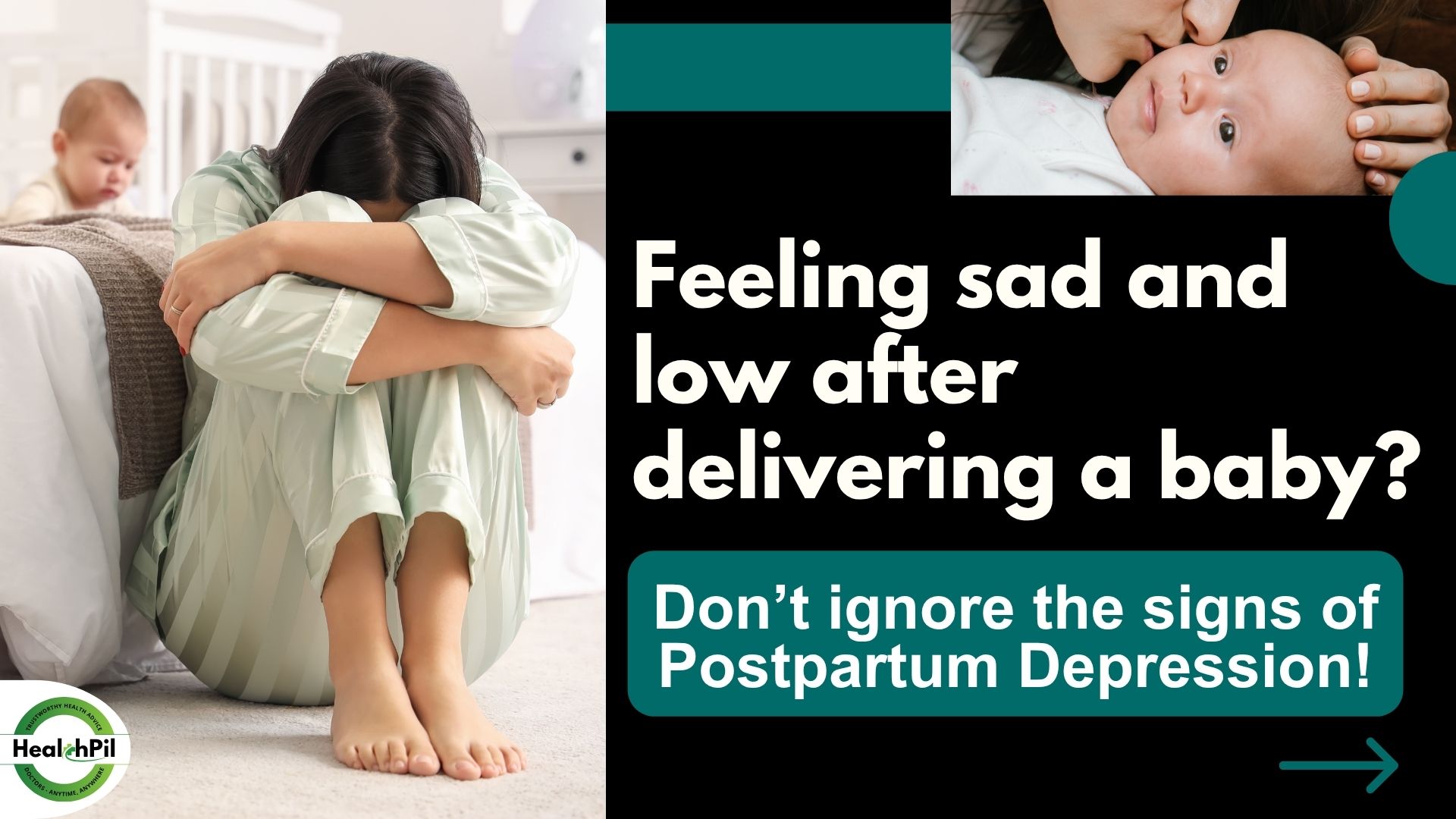
Postpartum depression affects around one in seven women after giving birth. That is not a small number. Yet many women do not speak about it because of stigma, because they do not recognise what they are experiencing, or because they feel they should just push through.
Understanding both pregnancy fatigue and postpartum depression helps women and their families respond to what is actually happening not what they think should be happening.
What is Postpartum Depression?
Postpartum depression is a serious mental health condition that develops after childbirth. It is not the same as baby blues those common mood swings and low moments that most women experience in the first week or two after delivery and that usually settle on their own.
Postpartum depression is more intense, lasts longer, and affects a woman’s ability to care for herself and her baby. It needs professional support not willpower, not waiting, not silence.
Symptoms of Pregnancy Fatigue
Pregnancy fatigue feels different from ordinary tiredness. It can arrive before most women even know they are pregnant and for many, it never fully goes away until after delivery.
Common pregnancy fatigue symptoms include persistent tiredness that does not improve with rest, low energy during pregnancy even after a full night’s sleep, difficulty concentrating, mood swings, dizziness during pregnancy, irritability, and feeling sleepy during pregnancy throughout the day. Physical exhaustion after completing simple daily tasks is also common things that felt easy before pregnancy can feel draining now.
Some women also experience headaches, weakness during pregnancy, and shortness of breath alongside fatigue. These symptoms, when persistent or severe, are worth discussing with a doctor. Recognising pregnancy fatigue symptoms early helps manage energy levels before exhaustion becomes unmanageable.
Symptoms of Postpartum Depression
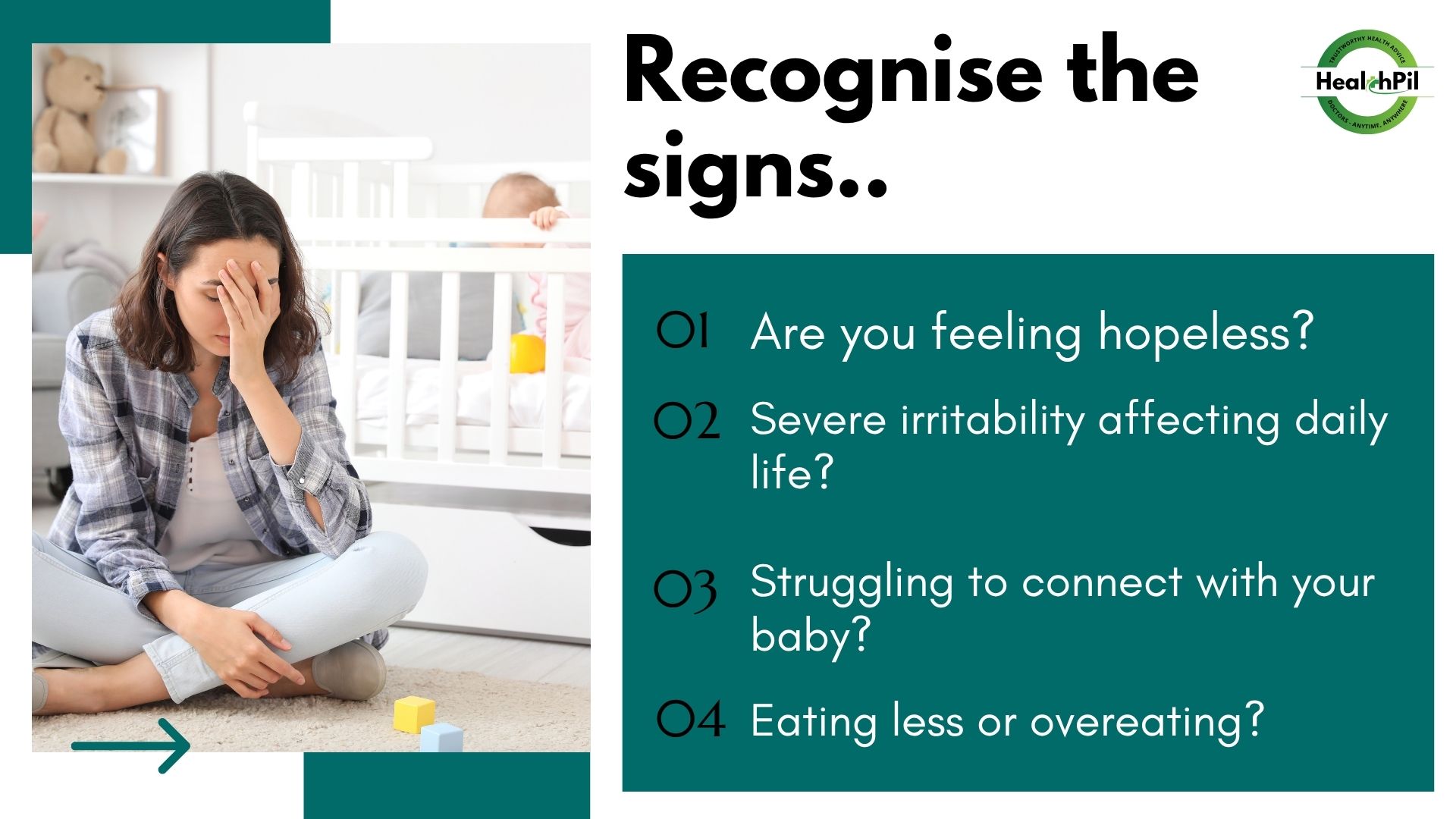
Postpartum depression symptoms can vary from woman to woman, but the most common signs include persistent sadness or hopelessness that does not lift, loss of interest in things that previously brought joy, severe mood swings or irritability, difficulty bonding with the baby, changes in appetite or sleep that go beyond normal newborn disruption, extreme fatigue during pregnancy that continues or worsens after delivery, and in serious cases, thoughts of self-harm or harming the baby.
Any of these symptoms especially if they are present most of the time for more than two weeks need medical attention. They are not signs of weakness or failure. They are signs of a health condition that responds well to treatment.
How Pregnancy Fatigue Changes by Trimester
- First Trimester First trimester fatigue is often the most severe. Rising progesterone levels, morning sickness fatigue, and the body’s rapid adjustment to pregnancy all contribute to why pregnant women feel tired so intensely in those early weeks. Severe tiredness during early pregnancy is extremely common many women feel they could sleep at any point in the day, even after a reasonable night’s rest. Pregnancy fatigue in first trimester often catches women off guard because the pregnancy may not yet be visible.
- Second Trimester Second trimester energy levels typically improve as hormones stabilise and nausea decreases. Many women describe this as the most comfortable phase of pregnancy. However, some continue to experience fatigue and weakness during pregnancy due to daily responsibilities, work pressures, and ongoing physical changes. Low stamina during pregnancy can persist even when the worst of the early symptoms has passed.
- Third Trimester Third trimester exhaustion and tiredness often return with more intensity. The baby is heavier, sleep becomes more disrupted, back pain and leg cramps affect rest quality, and frequent nighttime urination means full nights of sleep become rare. Pregnancy body changes in the final weeks place increasing demand on energy reserves. Pregnancy sleep problems are almost universal by this stage.
When is Pregnancy Fatigue Not Normal?
Most pregnancy tiredness is normal. But extreme fatigue during pregnancy particularly when it is sudden, severe, or accompanied by other symptoms can sometimes indicate an underlying health condition.
Contact a healthcare provider if fatigue is unmanageable, getting worse rather than better, or accompanied by fever, chest pain, dizziness during pregnancy, shortness of breath, fainting, heavy bleeding, or inability to carry out daily activities. These are signs that something beyond normal pregnancy fatigue may need investigation.
Common Health Conditions Linked to Pregnancy Fatigue
- Anemia Anemia during pregnancy particularly iron-deficiency anemia is one of the most common causes of fatigue during pregnancy. Reduced iron means less oxygen reaching the body’s tissues, causing tiredness, dizziness, weakness, and pale skin. Can anemia cause fatigue during pregnancy? Absolutely and it is one of the first things doctors check when a pregnant woman reports extreme exhaustion.
- Gestational Diabetes Gestational diabetes can cause excessive tiredness, increased thirst, and frequent urination during pregnancy. Fatigue from gestational diabetes is linked to blood sugar instability which is also why best foods for pregnancy fatigue focus on steady, low-sugar energy sources rather than processed snacks.
- Thyroid Disorders Both underactive and overactive thyroid conditions affect metabolism and energy levels during pregnancy, leading to fatigue, mood changes, and weight fluctuations. Thyroid function is part of routine prenatal health monitoring for this reason.
- Prenatal Depression Pregnancy fatigue and hormonal changes can overlap with prenatal depression where persistent tiredness comes alongside sadness, hopelessness, anxiety, or loss of interest in daily life. Emotional stress during pregnancy amplifies physical fatigue, and the two can become difficult to separate without professional assessment.
- Infections Pregnant women are more vulnerable to infections like urinary tract infections, which cause weakness during pregnancy and contribute directly to lack of energy during pregnancy. Any signs of infection during pregnancy should be treated promptly.
Causes and Risk Factors of PPD
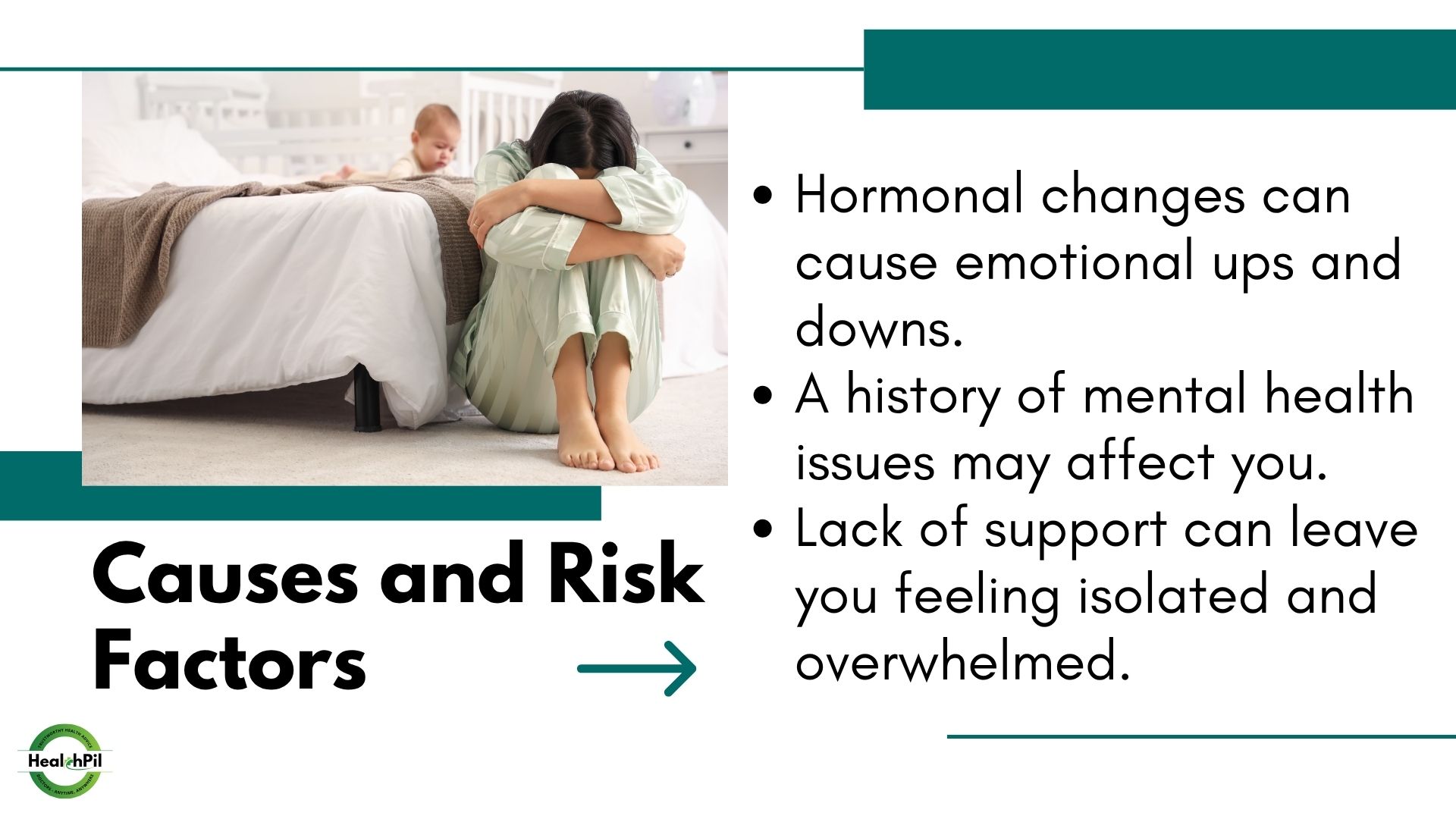
Postpartum depression develops from a combination of factors. Hormonal changes during pregnancy drop dramatically after delivery, affecting mood significantly. Emotional stress during pregnancy anxiety about parenting, feeling inadequate, or relationship strain contributes. A prior history of depression or anxiety increases risk. And lack of practical and emotional support from a partner, family, or friends is one of the most significant risk factors for postpartum depression.
How is Postpartum Depression Diagnosed?
Unlike pregnancy fatigue, postpartum depression cannot be diagnosed with a single blood test. Doctors diagnose it by understanding a mother’s symptoms, emotional wellbeing, and how these symptoms are affecting her daily life and ability to care for herself and her baby.
Diagnosis usually includes:
- Edinburgh Postnatal Depression Scale (EPDS): A widely used 10-question screening tool that helps identify women at risk of postpartum depression.
- A detailed discussion about mood, sleep, appetite, anxiety, and bonding with the baby.
- Physical examination when needed.
- Blood tests such as thyroid function tests, complete blood count, or vitamin B12 and vitamin D levels may be advised to rule out medical conditions like thyroid disease or anaemia that can cause similar symptoms.
Early diagnosis allows treatment to begin before symptoms become severe and significantly improves recovery.
Treatment Options for Postpartum Depression
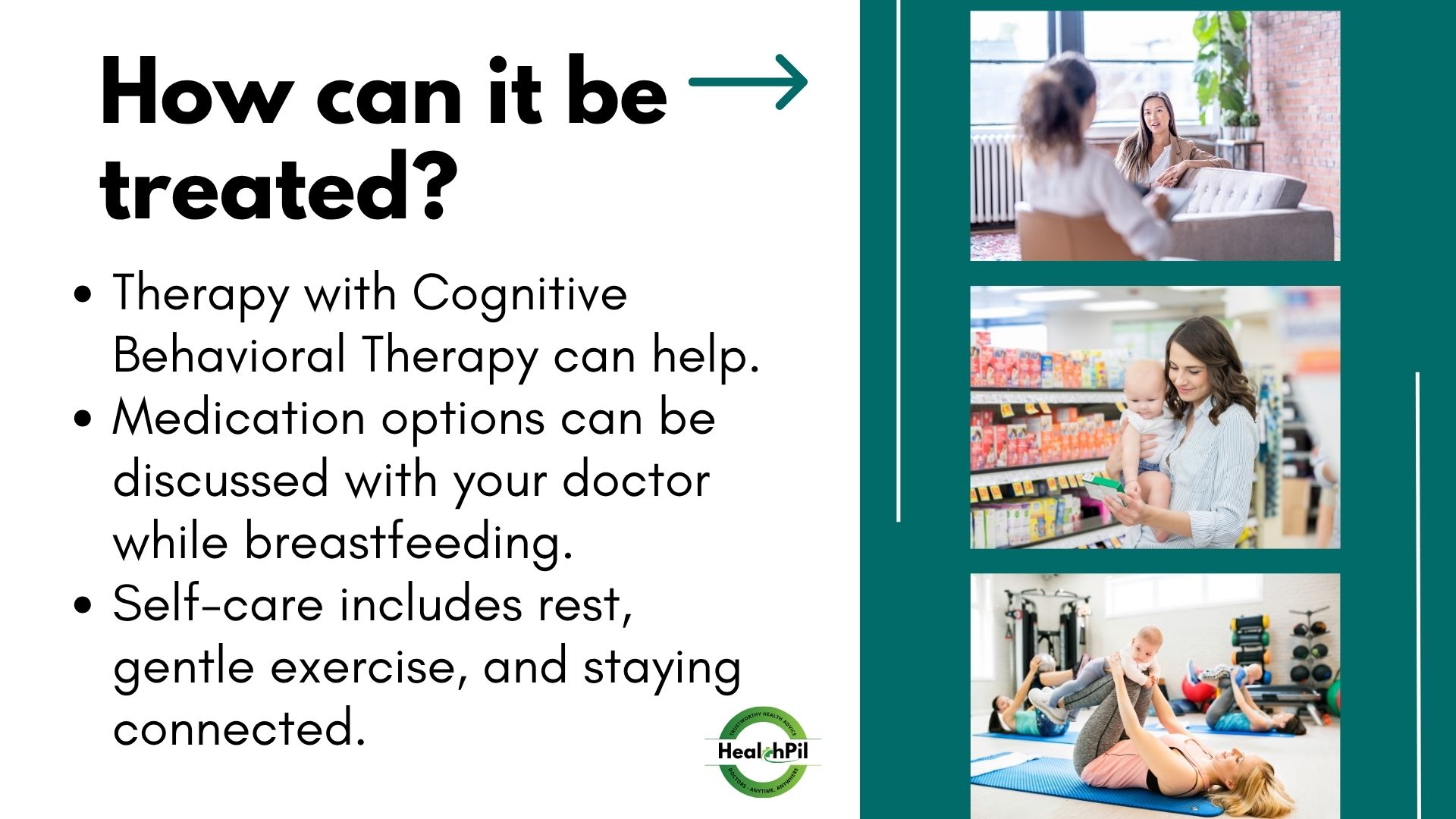
- Therapy Cognitive Behavioural Therapy is one of the most effective treatments for postpartum depression. It helps identify and change negative thought patterns that are maintaining the depression. Support groups connecting with other mothers who have experienced PPD offer a different but equally valuable kind of support. Feeling understood and less alone changes the experience of recovery significantly.
- Medication Some antidepressants are safe to use while breastfeeding and can meaningfully reduce postpartum depression symptoms. A doctor will guide the right choice based on individual circumstances and breastfeeding status.
- Self-Care tips Rest whenever possible sleep deprivation amplifies every symptom of postpartum depression. Light physical activity like walking genuinely helps mood and energy. Staying connected with trusted people talking openly about how you feel rather than performing wellness matters. Pregnancy self-care and postpartum self-care are not extras. They are part of recovery.
Postpartum Psychosis: A Medical Emergency
Postpartum psychosis is different from postpartum depression. It is a rare but serious mental health emergency that usually develops within the first two weeks after childbirth.
Symptoms may include:
- Seeing or hearing things that are not real (hallucinations)
- Strong false beliefs (delusions)
- Severe confusion
- Extreme mood changes
- Agitation or unusual behaviour
- Thoughts of harming yourself or your baby
Unlike postpartum depression, postpartum psychosis requires immediate emergency medical treatment, often including hospital admission. With early treatment, most women recover well.
Anyone showing these symptoms should be taken to the nearest emergency department immediately rather than waiting for a routine appointment.
Can Fathers Get Postpartum Depression?
Yes. Postpartum depression can also affect fathers. Research shows that some new fathers experience depression during the first year after their baby’s birth.
Risk factors include:
- Sleep deprivation
- Financial stress
- Relationship changes
- Previous depression or anxiety
- Lack of family support
Symptoms often include persistent sadness, irritability, anger, fatigue, loss of interest in daily activities, and withdrawing from family members.
Like mothers, fathers also benefit from early counselling, emotional support, and professional treatment when needed.
Best Foods to Reduce Pregnancy Fatigue
What a pregnant woman eats directly affects her energy levels throughout the day. Best foods for pregnancy fatigue include iron-rich foods like spinach, beans, lentils, lean meat, and fortified cereals which help prevent anemia and support oxygen transport. Whole grains provide steady, lasting energy without blood sugar spikes. Fruits, vegetables, nuts, dairy, and protein-rich foods all contribute to pregnancy nutrition that supports stamina. Energy boosting foods during pregnancy are those that maintain blood sugar steadily not sugary snacks that cause a rise followed by a crash.
Eating smaller, frequent meals is one of the most practical tips to reduce tiredness during pregnancy. It keeps blood sugar stable and prevents the dip in energy that comes from going too long without eating.
Lifestyle Tips to Boost Energy During Pregnancy
Simple healthy pregnancy habits make a real difference to how pregnancy fatigue feels day to day. Maintain a consistent sleep schedule as much as possible. Avoid overexertion. Take regular breaks. Wear comfortable clothing that does not restrict breathing. Practice deep breathing. Stay in well-ventilated spaces. Ask family members for help reducing unnecessary load is one of the most underrated pregnancy wellness tips available. Managing emotional stress during pregnancy actively reduces physical exhaustion.
Dehydration and pregnancy fatigue are closely linked can dehydration cause pregnancy fatigue? Yes. Staying hydrated throughout the day is one of the simplest pregnancy fatigue remedies with immediate impact.
Can Postpartum Depression Be Prevented?
Postpartum depression cannot always be prevented, but the risk can often be reduced through early planning and support.
Helpful steps include:
- Tell your doctor if you have a previous history of depression, anxiety, or postpartum depression.
- Attend all prenatal and postnatal check-ups.
- Build a strong support system before delivery.
- Prioritise rest and accept help from family members.
- Maintain healthy nutrition and light physical activity during pregnancy.
- Seek medical advice early if mood changes begin during pregnancy.
Women at higher risk may benefit from closer monitoring after childbirth.
What Happens If Postpartum Depression Is Left Untreated?
Without treatment, postpartum depression can affect the health of the mother, the baby, and the entire family.
Possible complications include:
- Difficulty bonding with the baby
- Poor breastfeeding or feeding routines
- Delayed emotional, language, and behavioural development in the child
- Relationship and marital problems
- Persistent depression lasting months or years
- Increased risk of self-harm or suicide in severe cases
The earlier treatment begins, the better the recovery for both mother and baby.
Preparing for Your Appointment
Before meeting your doctor, it helps to note down:
- When your symptoms started
- How long they have been present
- Changes in sleep or appetite
- Difficulty bonding with your baby
- Previous history of depression or anxiety
- Medicines or supplements you are taking
- Any questions you would like to ask
This information helps your doctor understand your condition more accurately and decide on the most appropriate treatment.
How HealthPil can help?
HealthPil connects pregnant women and new mothers with experienced gynecologists and prenatal health specialists for guidance on pregnancy fatigue management, postpartum depression support, and personalised pregnancy wellness care. Book an online consultation today and get the expert support that makes the difference.
When to See a Doctor
Consult a healthcare provider if pregnancy fatigue becomes severe, persistent, or suddenly worsens. Seek immediate medical attention for chest pain, difficulty breathing, fainting, fever, vaginal bleeding, severe dizziness, or inability to carry out daily activities. These may indicate conditions like anemia during pregnancy, gestational diabetes, thyroid disorders, infections, or prenatal depression that need prompt attention.
For postpartum symptoms persistent sadness, difficulty bonding with the baby, or thoughts of self-harm seek medical help urgently. Postpartum depression is a medical condition and needs professional treatment.
If getting to a clinic is not immediately possible, an online consultation for pregnancy fatigue or postpartum depression is a practical first step. Describe your symptoms honestly how long they have been present, what they feel like, and how they are affecting daily life. A doctor will advise on the next step.
Summary
Pregnancy fatigue is one of the most common and most underacknowledged experiences of pregnancy. It is real, it is physical, and it needs to be managed rather than pushed through silently. Knowing what causes it, how to manage it across each trimester, when to get help, and how to support energy through nutrition and lifestyle all of this makes the experience more manageable.
And for the mothers who find that after the baby arrives something darker settles in postpartum depression is not a personal failing. It is a health condition. It is treatable. And support is available in person, or through an online consultation from home.
Frequently Asked Questions
Is extreme fatigue normal during pregnancy?
Yes, fatigue is very common during pregnancy, especially during the first and third trimesters due to hormonal and physical changes.
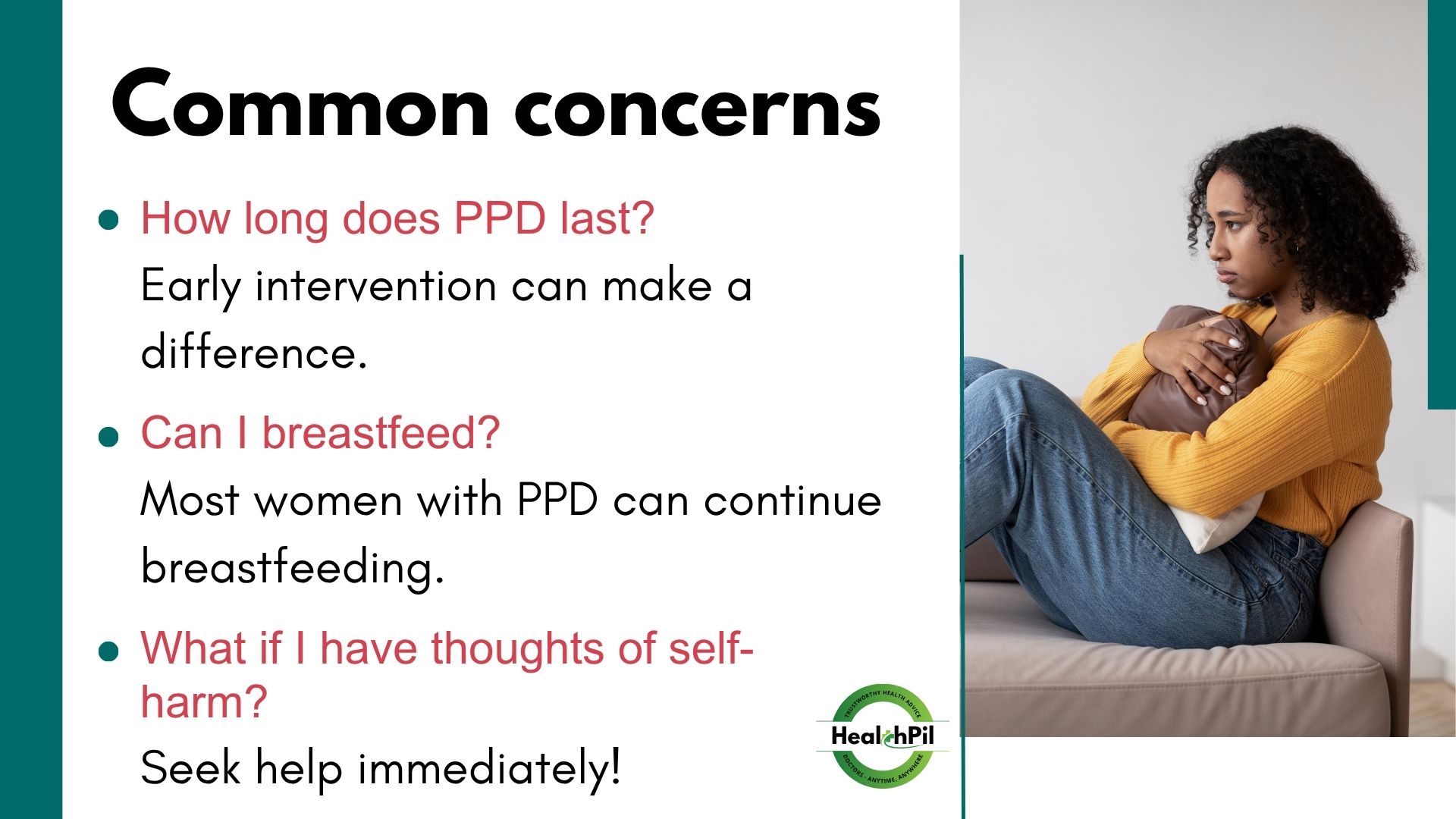
Can I still breastfeed if I have PPD?
Yes, most women with PPD can continue breastfeeding. Consult your healthcare provider for advice.
What should I do if I have thoughts of self-harm?
Seek immediate help from a healthcare professional or contact emergency services.
Is postpartum depression the same as postpartum psychosis?
No, postpartum psychosis is a more severe condition that requires immediate medical attention and is rarer than PPD.
How can I help a friend who might have PPD?
Encourage them to seek help, listen without judgment, and offer support in practical ways.
References
- Carlson K, Mughal S, Azhar Y, Siddiqui W. Perinatal Depression. StatPearls Publishing. Available at:
NCBI Bookshelf - Khatri A, et al. Postpartum Depression: Risk Factors, Diagnosis, and Current Management. Available at:
PMC
Disclaimer
The information provided in this article is for awareness purposes only and should not replace professional medical advice. Always consult your healthcare provider for personalized medical guidance.

Read our editorial policy