

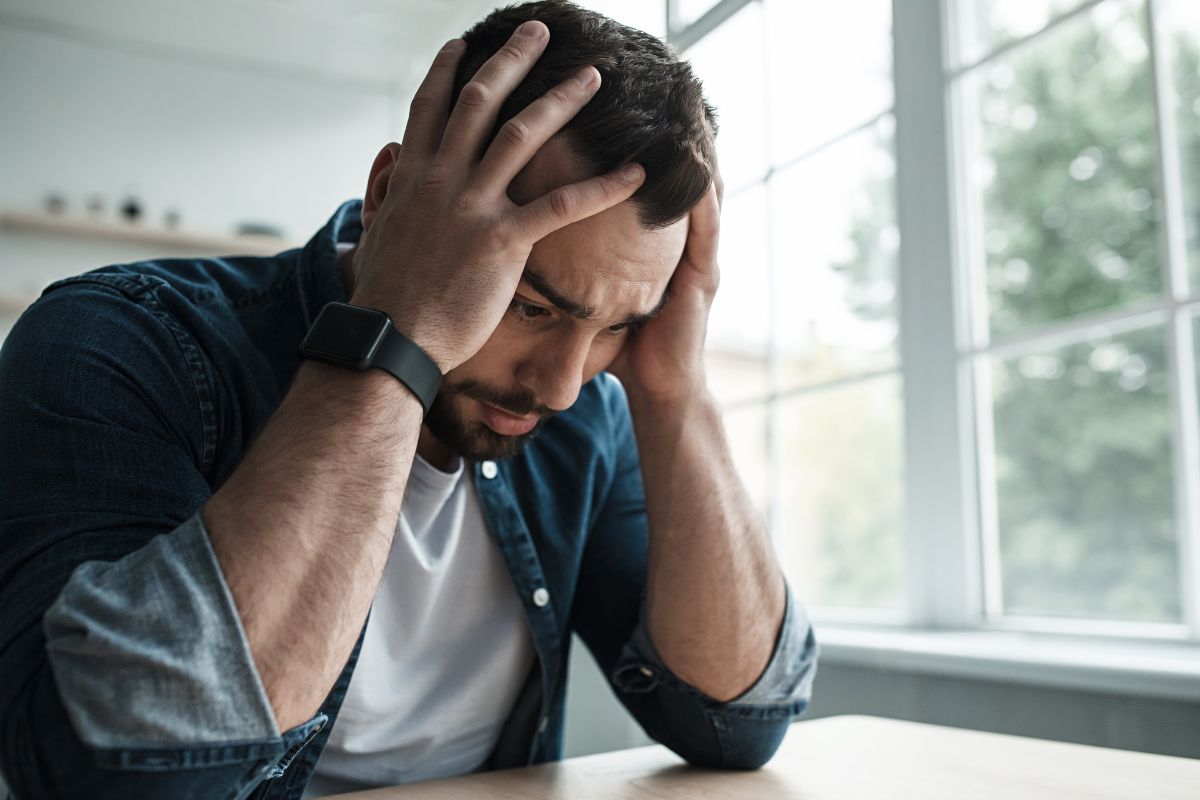
Everyone knows the feeling your heart races before a big exam, your stomach knots up before a job interview, or you can’t sleep the night before a medical test. That’s anxiety, and in small doses, it’s actually useful. It sharpens your focus and gets your body ready to perform. But when that feeling doesn’t switch off when it shows up without a clear reason, sticks around for weeks, and starts eating into your work, sleep, and relationships it stops being ordinary nervousness and starts looking like something that needs proper attention: an anxiety disorder.
Anxiety disorders are among the most common mental health conditions in the world, touching people of every age and background. The reassuring part is that they respond very well to treatment. With the right diagnosis, a mix of therapy, lifestyle changes, and when needed medication, most people get their sense of calm and control back.
What Is Anxiety?
What is anxiety, exactly? At its core, it’s your body’s built-in alarm system the natural response to stress or a sense of danger. It switches on the “fight-or-flight” response: your heart beats faster, your muscles tense up, and your senses sharpen so you can react quickly to whatever’s in front of you.
Feeling anxious now and then is completely normal. Public speaking, travelling somewhere new, starting a job, sitting an important exam these are all situations where a bit of nervous energy is expected, even helpful.
Anxiety crosses into medical territory when:
- It shows up frequently without any obvious trigger
- It lasts for weeks or months rather than hours or days
- It becomes genuinely hard to control
- It starts interfering with your work, studies, relationships, or daily routine
- It causes real emotional or physical distress
When anxiety behaves this way, it’s often a sign of an underlying anxiety disorder and that’s a medical condition, not a personality trait or a weakness.
Anxiety vs Normal Stress
People often use “stress” and “anxiety” interchangeably, but they’re not quite the same thing, even though the symptoms can look similar.
Normal Stress | Anxiety Disorder |
Usually has a clear trigger | May occur without any obvious reason |
Improves once the stressful situation ends | Persists even after the trigger disappears |
Temporary | Long-lasting |
Usually manageable | Difficult to control |
Doesn’t significantly affect daily life | Can interfere with work, school, sleep, and relationships |
Knowing the difference matters, because an anxiety disorder left untreated tends to get worse over time rather than resolve on its own the way ordinary stress does.
Types of Anxiety Disorders
“Anxiety” isn’t a single condition it’s an umbrella term covering several distinct disorders, each with its own pattern of symptoms and its own treatment approach.
1. Generalized Anxiety Disorder (GAD)
Generalized Anxiety Disorder (GAD) is one of the most commonly diagnosed anxiety conditions. People with GAD experience ongoing, excessive worry about everyday things — work, health, money, family — even when there’s little real reason for concern. Common symptoms of this type include constant worrying, restlessness, difficulty concentrating, muscle tension, fatigue, and trouble sleeping.
2. Panic Disorder and Panic Attacks
Panic disorder involves sudden, repeated panic attacks that seem to come out of nowhere. An anxiety attack in this form can bring on a racing heartbeat, chest pain, sweating, shortness of breath, dizziness, trembling, a frightening sense of losing control, and even a fear of dying. It’s worth knowing that although a panic attack can feel like a medical emergency in the moment, it’s highly treatable, and most people learn to manage or prevent them with the right care.
A quick clarification people often ask about: “anxiety attack” isn’t an official clinical term the way “panic attack” is but in everyday language, people use it to describe a build-up of intense anxiety, whereas a panic attack tends to hit suddenly and peaks within minutes.
3. Social Anxiety Disorder (Social Phobia)
Social anxiety disorder, sometimes called social phobia, involves an intense fear of being judged, embarrassed, or criticised in social settings. People with this condition often avoid public speaking, social gatherings, meeting new people, interviews, or even eating in front of others and over time, this avoidance can genuinely limit education, career growth, and relationships.
4. Specific Phobias
Specific phobias are an intense, often irrational fear of a particular object or situation — heights, flying, needles, spiders, darkness, or enclosed spaces are common examples. What sets a phobia apart is that people usually recognise the fear is excessive, yet still feel compelled to avoid the trigger.
5. Agoraphobia
Agoraphobia is the fear of being somewhere that escape or help might be difficult if a panic attack strikes — crowded places, shopping malls, public transport, or travelling alone are typical triggers. In severe cases, agoraphobia can become so limiting that a person avoids leaving home altogether.
6. Separation Anxiety Disorder
Though it’s more commonly recognised in children, separation anxiety can affect adults too — an excessive fear of being apart from loved ones, paired with persistent worry that something bad will happen to them.
7. Obsessive-Compulsive Disorder (OCD)
Obsessive-Compulsive Disorder (OCD) is closely related to the anxiety disorders and involves intrusive, unwanted thoughts (obsessions) that drive repetitive behaviours or mental rituals (compulsions) aimed at reducing the anxiety those thoughts cause. Common examples include repeated checking, excessive cleaning, or counting rituals — behaviours that offer only brief relief before the anxious thought returns.
8. Post-Traumatic Stress Disorder (PTSD)
Post-Traumatic Stress Disorder (PTSD) can develop after experiencing or witnessing a traumatic event. It often brings intrusive memories or flashbacks, heightened anxiety, avoidance of reminders of the trauma, and a nervous system that stays on high alert long after the danger has passed.
9. High-Functioning Anxiety
High-functioning anxiety isn’t a formal diagnosis, but it describes something very real: people who appear calm, organised, and successful on the outside while privately battling constant worry, perfectionism, and an inner sense of dread. Because they keep meeting deadlines and showing up for responsibilities, this type of anxiety often goes unnoticed and untreated for years.
Signs and Symptoms of Anxiety
Anxiety symptoms show up on two fronts the emotional and the physical and the mix looks different from person to person.
Emotional Symptoms
- Excessive worrying
- Persistent fear
- Feeling nervous or on edge
- Restlessness
- Irritability
- Feeling overwhelmed
- Difficulty concentrating
- Racing thoughts
- A nagging sense that something bad is about to happen
- Trouble making decisions
Physical Symptoms
Because anxiety triggers the body’s stress response, the signs of anxiety are often physical, not just emotional:
- Rapid heartbeat and palpitations
- Chest tightness
- Shortness of breath
- Excessive sweating
- Trembling or shaking
- Muscle tension
- Fatigue
- Dizziness
- Dry mouth
- Nausea and stomach discomfort
- Headaches
- Frequent urination
- Sleep problems
These physical symptoms often mimic heart conditions or other physical illnesses so closely that many people end up in a cardiologist’s office or an emergency room before anxiety is even considered as the explanation.
What Causes Anxiety?
There’s rarely a single answer to “what causes anxiety” most cases develop from a combination of biological, psychological, and environmental factors working together.
Genetics: Anxiety often runs in families, so having a close relative with an anxiety disorder can raise your own risk.
Stressful Life Events: Major changes job loss, financial strain, divorce, bereavement, relationship breakdowns, or academic pressure are common triggers.
Childhood Trauma: People who experienced emotional neglect, abuse, bullying, or other traumatic childhood experiences are statistically more likely to develop anxiety as adults.
Brain Chemistry: Neurotransmitters like serotonin, dopamine, GABA, and norepinephrine play a central role in regulating mood, and imbalances among them are linked to several anxiety disorders.
Medical Conditions: Some health issues can either mimic or worsen anxiety, including thyroid disorders, heart disease, diabetes, chronic pain, respiratory illnesses, and hormonal changes which is why doctors often run tests to rule these out first.
Lifestyle Factors: Everyday habits contribute too excessive caffeine, alcohol misuse, smoking, drug use, poor sleep, physical inactivity, an unhealthy diet, and excessive screen time can all intensify stress and anxiety.
Anxiety Risk Factors
Certain people face a higher likelihood of developing an anxiety disorder. Anxiety risk factors include:
- Family history of anxiety
- Being female (anxiety disorders are diagnosed more often in women)
- Childhood trauma
- Chronic, ongoing stress
- Existing mental health conditions, including depression and anxiety occurring together
- Chronic medical illnesses
- Substance misuse
- Poor social support
- Major life transitions
Recognising these risk factors early gives people a chance to seek support before symptoms escalate.
How Is Anxiety Diagnosed?
Anxiety diagnosis starts with a thorough medical and psychological evaluation your doctor or mental health professional will talk through your symptoms, personal and family medical history, lifestyle, and any recent stressful events. Because certain physical conditions can produce symptoms that look just like anxiety, additional tests are often used to rule those out first.
This typically involves:
- A physical examination
- A mental health assessment
- Blood tests, if needed
- Thyroid function tests
- A heart evaluation, if chest pain or palpitations are present
- Screening questionnaires designed specifically for anxiety disorders
Getting an accurate diagnosis matters because it determines which type of anxiety disorder you’re dealing with — and that, in turn, shapes the treatment plan that will actually work.
Anxiety Treatment: What Actually Helps
Anxiety treatment isn’t one-size-fits-all it depends on how severe your symptoms are, which type of anxiety disorder you have, and your overall health. Most people see real improvement through a combination of psychotherapy, lifestyle changes, and medication when it’s genuinely needed.
1. Cognitive Behavioural Therapy (CBT)
Cognitive Behavioural Therapy (CBT) is widely regarded as one of the most effective treatments available for anxiety. It works by helping people identify unhelpful thought patterns, challenge them, and gradually replace anxious behaviours with healthier coping responses. CBT is particularly effective for GAD, panic disorder, social anxiety disorder, and specific phobias.
2. Exposure Therapy
Exposure therapy is often used for panic disorder, phobias, and social anxiety disorder. Under a therapist’s guidance, a person is gradually and safely exposed to the situations or objects they fear, which over repeated sessions reduces the intensity of the anxious response.
3. Anxiety Medication
For moderate to severe cases, doctors may prescribe anxiety medication to help manage symptoms. Common options include:
- Selective Serotonin Reuptake Inhibitors (SSRIs)
- Serotonin-Norepinephrine Reuptake Inhibitors (SNRIs)
- Anti-anxiety medications
- Beta-blockers, used in specific situational cases like performance anxiety
Any medication for anxiety should only be taken under the guidance of a qualified healthcare professional — self-medicating or adjusting doses without supervision can do more harm than good.
Lifestyle Changes That Help Reduce Anxiety
Alongside professional treatment, day-to-day habits make a genuine difference in how anxiety feels and how often it flares up.
Exercise for Anxiety: Regular physical activity releases endorphins that lift mood and lower stress. Aim for at least 30 minutes of moderate exercise on most days of the week.
Get Enough Sleep: Poor sleep and anxiety feed into each other in a loop a consistent sleep schedule helps break that cycle.
Eat a Balanced Diet: A diet rich in fruits, vegetables, whole grains, lean protein, and omega-3 fatty acids supports overall brain health and emotional regulation.
Cut Back on Caffeine and Alcohol: Too much caffeine can heighten nervousness, a racing heart, and restlessness, while alcohol may offer short-term relief but often makes anxiety worse afterward.
Practice Relaxation Techniques: Simple daily practices can calm an overactive nervous system, including deep breathing exercises, mindfulness meditation, yoga, and progressive muscle relaxation.
Build a Strong Support System: Talking openly with trusted family, friends, or a support group reduces the sense of isolation that often comes with anxiety.
Anxiety Coping Strategies for Difficult Moments
When anxiety spikes in the moment before a meeting, during a panic attack, or in the middle of a sleepless night a few grounded anxiety coping strategies can help bring things back under control:
- Slow, deep breathing (in for four counts, hold for four, out for six)
- The 5-4-3-2-1 grounding technique naming five things you can see, four you can touch, three you can hear, two you can smell, and one you can taste
- Stepping away from the triggering situation briefly, if possible
- Reminding yourself that the physical sensations, however intense, will pass
- Reaching out to someone you trust rather than facing it alone
These aren’t substitutes for professional treatment, but they’re useful tools to have on hand alongside it.
Can Anxiety Be Prevented?
Anxiety can’t always be prevented outright, but certain habits genuinely lower your risk and build emotional resilience over time. For anxiety prevention, it helps to:
- Manage stress effectively as it arises, rather than letting it build up
- Exercise regularly
- Get adequate, consistent sleep
- Limit caffeine, alcohol, and nicotine
- Practise mindfulness and relaxation techniques
- Maintain healthy, supportive relationships
- Seek help early, at the first signs rather than waiting for a crisis
- Follow a generally balanced lifestyle
Possible Complications of Untreated Anxiety
Left unaddressed, anxiety disorders tend to spread their impact well beyond the initial symptoms:
- Depression
- More frequent panic attacks
- Sleep disorders
- Poor performance at work or school
- Strained relationships
- Substance misuse, often as an attempt at self-medication
- Social isolation
- A general decline in quality of life
- A higher risk of developing other mental health conditions
Getting help early is one of the most effective ways to prevent this kind of downward spiral.
When to See a Doctor for Anxiety
Occasional anxiety is a normal part of life, but persistent symptoms shouldn’t be brushed aside. It’s time to book an online consultation with a mental health professional if you’re experiencing:
- Anxiety that lasts for several weeks or months
- Excessive worry that disrupts your daily life
- Frequent panic attacks
- Sleep difficulties caused by anxious thoughts
- Trouble concentrating at work or in school
- Anxiety that’s straining your relationships
- Physical symptoms like chest tightness, a racing heart, or shortness of breath
- Anxiety that isn’t improving with self-care alone
- Feelings of hopelessness or intense emotional distress
Getting evaluated early rather than waiting for things to become unmanageable makes a real difference to how quickly and completely you recover.
How HealthPil Can Help
At HealthPil, we connect you with qualified mental health professionals who can evaluate your symptoms, provide an accurate diagnosis, and build a personalised treatment plan around your specific needs. Whether you’re dealing with persistent worry, panic attacks, social anxiety, or any other anxiety-related symptoms, you can book an online consultation with experienced doctors and mental health specialists from the comfort of your home and get the right support for your mental well-being.
Summary
Anxiety is a common mental health condition that touches your thoughts, emotions, and physical health all at once. Occasional anxiety is a normal, even useful, response to stress but persistent or excessive anxiety may point to an underlying anxiety disorder that deserves professional care. With early diagnosis, the right treatment, healthier daily habits, and consistent support, most people manage their anxiety successfully and go on to lead full, productive lives.
Frequently Asked Questions (FAQs)
1. What are the early signs of anxiety?
Common early signs include excessive worrying, restlessness, irritability, difficulty concentrating, a rapid heartbeat, sweating, and disrupted sleep.
2. Can anxiety go away without treatment?
Mild anxiety may ease up with lifestyle changes and better stress management, but persistent or severe anxiety usually needs professional evaluation and treatment to fully resolve.
3. What is the best treatment for anxiety?
It varies by individual, but Cognitive Behavioural Therapy (CBT), lifestyle changes, relaxation techniques, and medication when necessary are the most commonly effective combination.
4. How do I know if I have an anxiety disorder?
If your anxiety lasts for several weeks, and it’s affecting your work, studies, relationships, or daily activities, it’s worth consulting a healthcare professional for a proper evaluation rather than waiting it out.
5. What's the difference between a panic attack and an anxiety attack?
A panic attack tends to strike suddenly and peaks within minutes, often with intense physical symptoms. What people casually call an “anxiety attack” usually builds more gradually and is tied to a specific worry or stressor, though the two can feel similar in the moment.
References
- Chand SP, Marwaha R. Anxiety. StatPearls Publishing. Available at:
NCBI Bookshelf: https://www.ncbi.nlm.nih.gov/books/NBK470361/ - Szuhany KL, Simon NM. Anxiety Disorders: A Review. Available at:
PubMed: https://pubmed.ncbi.nlm.nih.gov/36573969/
Medical Disclaimer:
This article is for general health awareness and education only. The information provided here does not constitute medical advice, diagnosis, or treatment. Always talk to a qualified healthcare professional if you have medical concerns. Do this before changing your health routine. If you are experiencing a medical emergency, call your local emergency services immediately

Read our editorial policy