


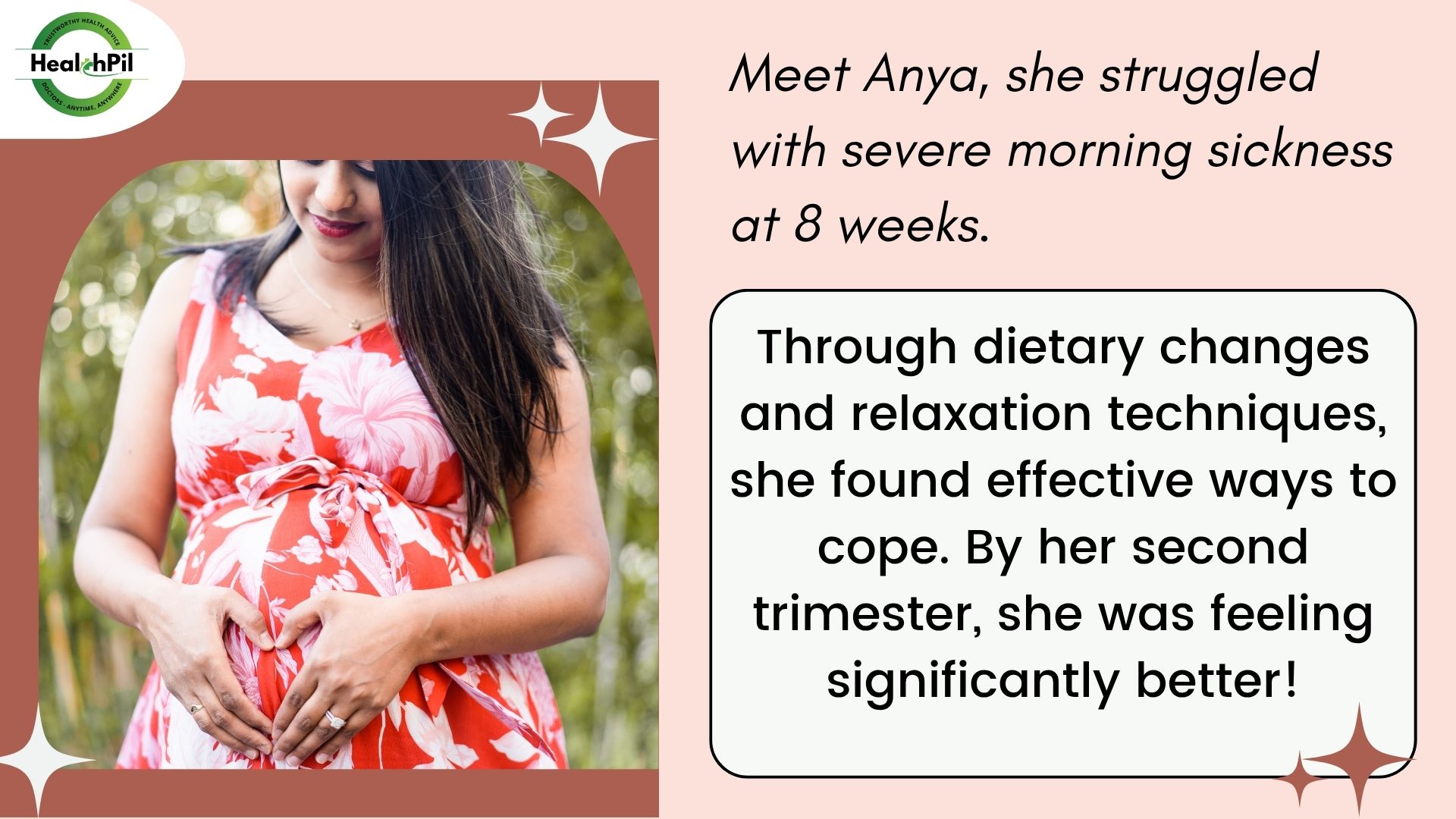

It starts before the alarm goes off. A wave of nausea that hits before your feet even touch the floor. Some mornings it passes quickly. Other days it stays through breakfast, through the commute, through a full working day and the word “morning” starts to feel like a cruel joke.
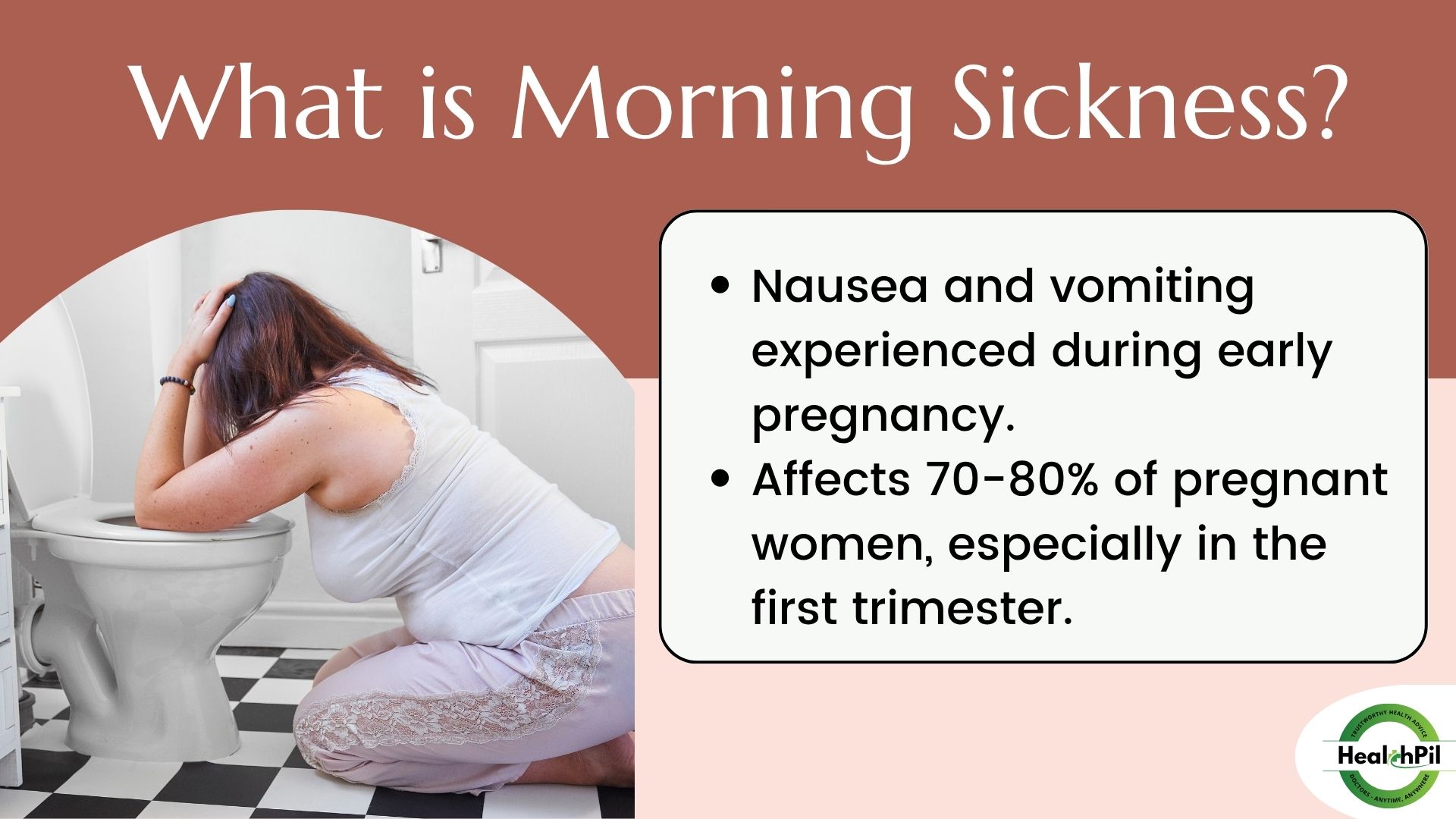
Nausea and vomiting of pregnancy, commonly called morning sickness, affects around 70 to 80 percent of pregnant women. It is one of the most common early pregnancy symptoms and for many women, one of the most exhausting. The good news is that it is manageable and understanding what causes it, what helps, and when to seek medical support makes a real difference.
Here’s something that might help on the harder days some research links mild morning sickness to a lower chance of early miscarriage, since it’s tied to rising pregnancy hormones doing their job. This isn’t true for every woman, and its absence doesn’t mean anything is wrong either but for many women in the thick of it, it can help to know that the nausea is often a sign the pregnancy is progressing as it should.
Managing Morning Sickness Effectively
Morning sickness during pregnancy is not just an inconvenience. For some women it is mild and passes quickly. For others it disrupts sleep, work, meals, and daily life for weeks. Managing it well through diet, rest, home remedies, and medical support when needed is one of the most practical things an expectant mother can do for herself in the first trimester.
This article covers everything from causes and first trimester pregnancy symptoms to the best foods, home remedies for pregnancy nausea, and when symptoms cross the line into something that needs urgent attention.
What is Morning Sickness?
Morning sickness is the nausea and vomiting of pregnancy collectively known in medical terms as NVP that most pregnant women experience, particularly in the early months. Despite the name, pregnancy nausea can happen at any time of day. Morning sickness at night is just as common as morning sickness at morning, and for many women it is an all-day experience.
The severity varies widely. Some women feel mildly queasy for a few weeks. Others deal with severe nausea in pregnancy that makes it almost impossible to eat or function normally. Where a woman falls on that spectrum has nothing to do with how strong she is — it is largely driven by hormones and individual biology.
Types of Morning Sickness
- Mild Morning Sickness Occasional nausea with little or no vomiting. Manageable with dietary changes and rest. Most women in this category find that eating small frequent meals pregnancy and avoiding triggers keeps symptoms under control.
- Moderate Morning Sickness Frequent nausea that affects appetite and starts to interfere with daily activities. Food aversion during pregnancy becomes more significant, eating becomes harder, and fatigue during pregnancy deepens. Still typically manageable at home but worth discussing with a doctor.
- Severe Morning Sickness (Hyperemesis Gravidarum) Hyperemesis gravidarum is a serious condition where extreme vomiting during pregnancy leads to dehydration during pregnancy, significant weight loss, nutritional deficiencies, and sometimes hospitalisation. It is not just bad morning sickness it is a medical condition that requires proper treatment. Women with hyperemesis gravidarum cannot keep food or fluids down and need medical support to protect both their own health and the baby’s.
- When Does Morning Sickness Start and End? Morning sickness typically begins around weeks 5 to 6 of pregnancy right around when the pregnancy test turns positive for many women. It is one of the earliest and most recognised early pregnancy symptoms.
For most women, symptoms improve by weeks 12 to 14 as the first trimester ends. But some women experience pregnancy nausea throughout the second trimester, and a smaller number deal with it for the entire pregnancy. Morning sickness all day that continues well into the second trimester needs medical evaluation.
Causes and Risk Factors of Morning Sickness
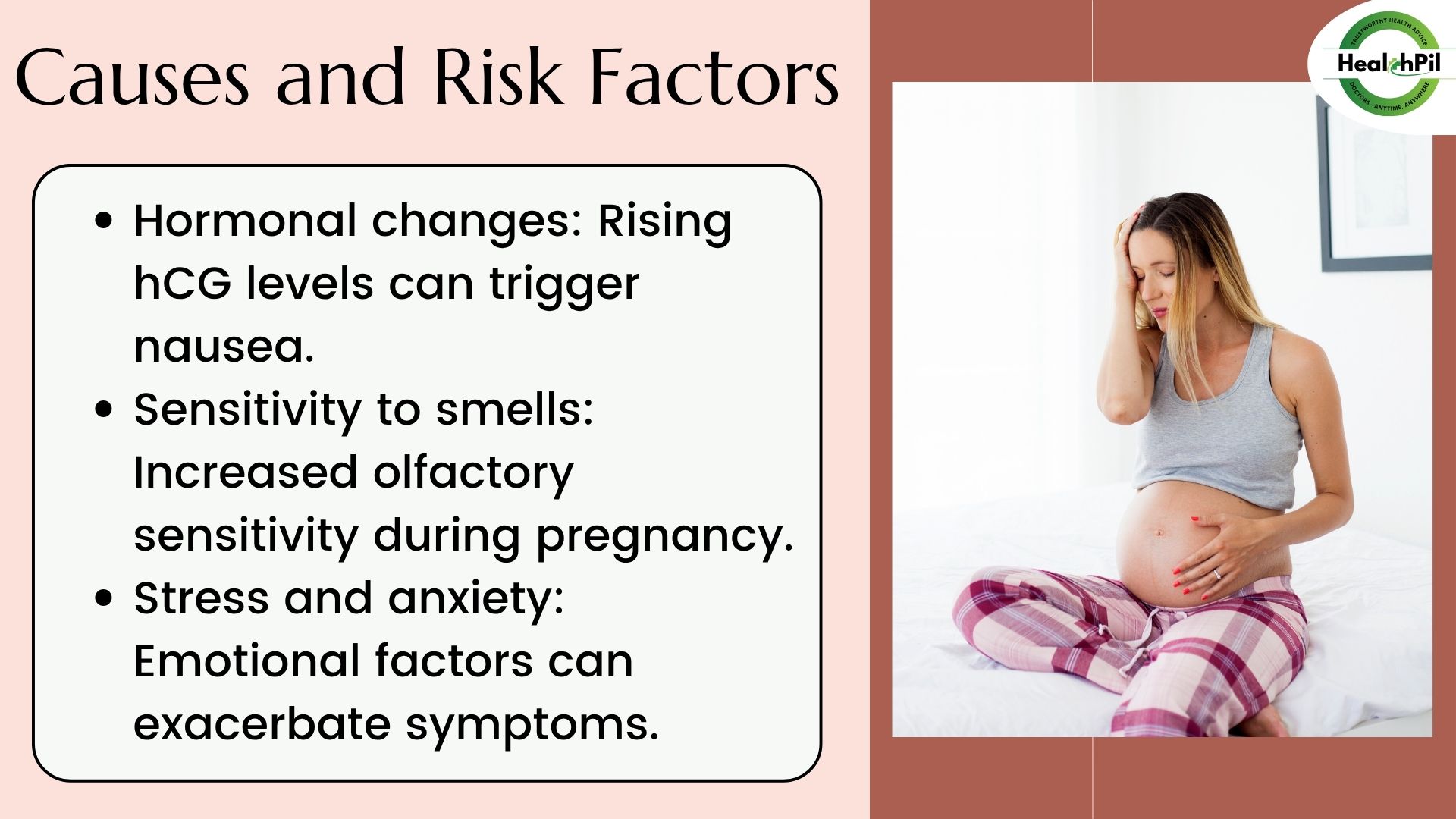
- Hormonal Changes The hCG hormone in pregnancy human chorionic gonadotropin is the hormone produced after implantation and is the one detected by pregnancy tests. Its levels rise rapidly in early pregnancy and are believed to be a major driver of nausea and vomiting of pregnancy. Higher hCG levels are associated with more severe morning sickness, which is partly why women carrying twins sometimes experience stronger symptoms.
- Increased Sensitivity to Smells Smell sensitivity during pregnancy is one of the strangest and most disruptive aspects of the first trimester. Foods that were perfectly fine before suddenly become unbearable. Cooking smells, perfumes, petrol, and certain cleaning products can all trigger immediate nausea in women who were never previously sensitive to them. This heightened smell response is linked to hormonal changes during pregnancy and usually fades after the first trimester.
- Stress Stress during pregnancy can worsen morning sickness. Anxiety about the pregnancy, work pressures, or relationship stress activates the nervous system in ways that amplify nausea. Managing stress is not just good for mental health it is genuinely part of managing pregnancy nausea.
- Dietary Factors Low blood sugar from going too long without eating and dehydration during pregnancy are both common triggers for nausea. An empty stomach makes nausea worse. This is why small frequent meals pregnancy is one of the first pieces of advice every doctor gives.
- Family History If your mother or sister had severe morning sickness during their pregnancies, you may be more likely to experience it too. Genetics appear to play some role, though it isn’t the whole picture.
Recognizing Symptoms
The main symptoms of morning sickness during pregnancy are nausea, vomiting during pregnancy, food aversion during pregnancy particularly to strong smells or previously enjoyed foods fatigue during pregnancy, and in some cases sensitivity to light.
Most women find that symptoms peak in the first trimester and ease after week 12. But every pregnancy is different and some women continue to experience nausea relief during pregnancy as a slow, gradual process rather than a clear endpoint.
How to manage Morning sickness
Dietary Adjustments
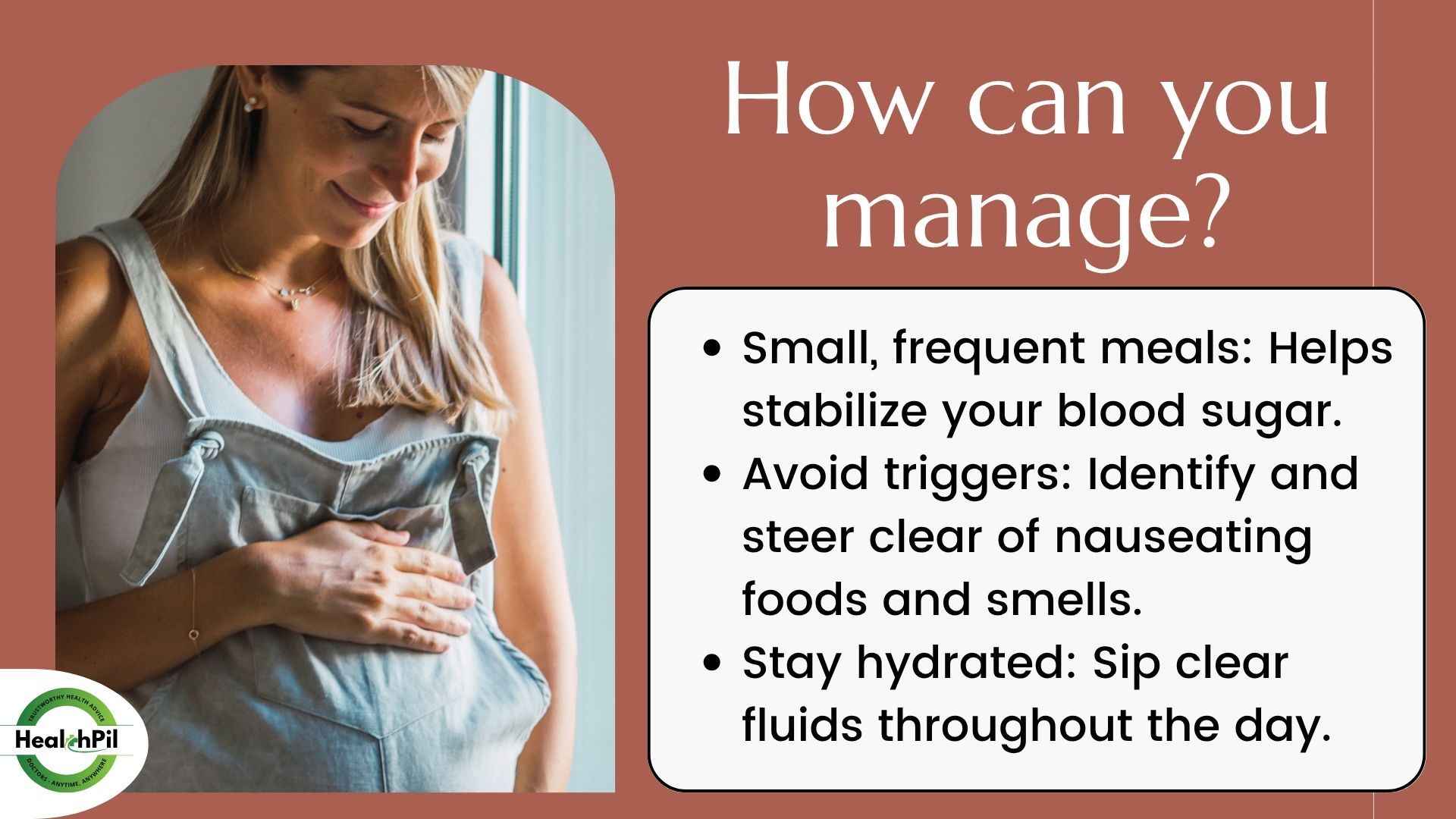
Small frequent meals pregnancy is the most consistently effective dietary strategy for managing pregnancy nausea. Eating something small every two to three hours keeps blood sugar stable and prevents the empty stomach that makes nausea much worse.
Bland foods for nausea plain crackers, dry toast, rice, bananas are easier for a sensitive stomach to tolerate. Cold foods tend to have less smell than hot ones, which helps when smell sensitivity during pregnancy is a major trigger. Staying hydrated is critical sip fluids through the day rather than drinking large amounts at once.
Prenatal vitamins can sometimes make nausea worse because of the iron in them. Taking them with food, rather than on an empty stomach, usually helps. Some women also find it easier to take their prenatal vitamin at night instead of first thing in the morning talk to your doctor about switching the timing if this is a problem for you.
Foods That May Help with Morning Sickness
Foods for morning sickness that many women find helpful include plain crackers or dry toast eaten before getting out of bed, bananas and rice, yogurt and simple smoothies, ginger tea pregnancy a well-supported natural remedy and ginger candies, apples, citrus fruits in small amounts, and protein-rich snacks like nuts and eggs that help stabilise blood sugar. Cold or bland foods that are easy to digest are generally the safest options during a rough patch.
Foods and Habits to Avoid
Foods to avoid during pregnancy nausea include spicy and greasy foods, anything with strong cooking smells, excess caffeine, and sugary processed snacks that cause blood sugar spikes followed by crashes. Skipping meals, lying down immediately after eating, dehydration, cigarette smoke, and strong perfumes are all habits and triggers that worsen symptoms. Identifying personal triggers is one of the most useful things a woman can do in the first trimester.
Home Remedies
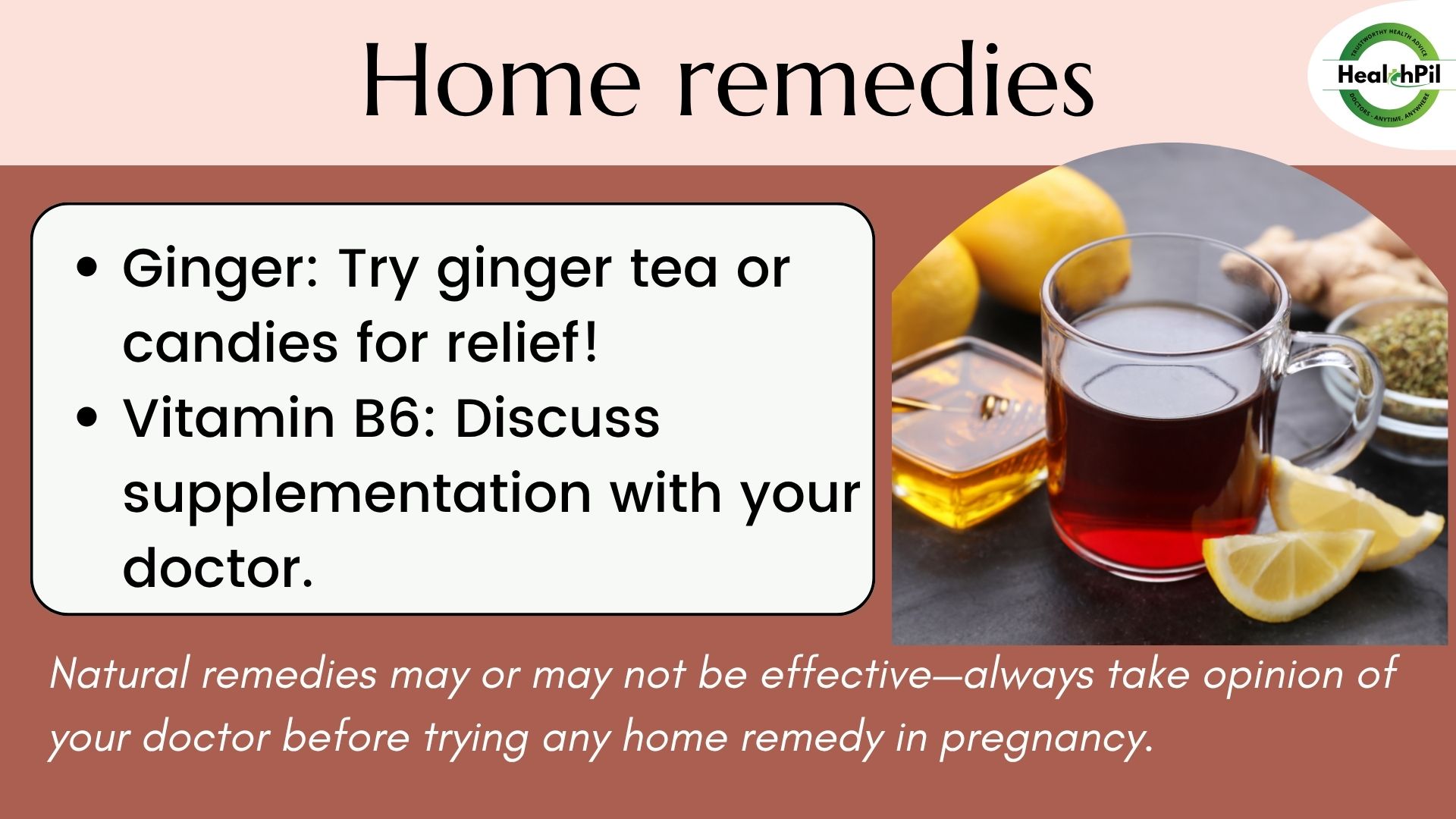
Ginger for morning sickness is one of the most researched natural remedies for pregnancy nausea and has good evidence behind it. Ginger tea pregnancy, ginger candies, ginger biscuits, or even raw ginger in food can all help reduce nausea for many women.
Vitamin B6 for morning sickness is another well-supported option. Many doctors recommend it as a first step before moving to medication. Always discuss dosage with a healthcare provider before starting any supplement during pregnancy, including prenatal vitamins during pregnancy more broadly.
Acupressure Wristbands
Acupressure wristbands, sometimes called Sea-Bands, press gently on a specific point on the inner wrist. Many women find this helps reduce nausea, especially when combined with other remedies. They’re inexpensive, drug-free, and easy to try worth keeping in mind if ginger and small meals aren’t quite enough on their own.
Rest and Relaxation
Fatigue during pregnancy amplifies nausea the two feed each other. Prioritising rest, especially in the first trimester when the body is working hardest, is not optional. Stress during pregnancy makes symptoms worse, so relaxation techniques like deep breathing, light walking, and prenatal yoga all support both physical and emotional wellbeing. Pregnancy wellness tips for managing morning sickness always include rest as a non-negotiable. Getting out of bed too quickly can make nausea worse. Sit up slowly, wait a moment, then stand — rushing straight from lying down to standing tends to trigger dizziness and queasiness together.
Medical Intervention
When home remedies for pregnancy nausea are not enough and symptoms are affecting the ability to eat, drink, or function, medical treatment is needed. Treatment for morning sickness in these cases may include safe prescription medications, and for hyperemesis gravidarum, IV fluids and hospital admission may be required. This is not an extreme step it is appropriate and necessary care for a serious condition. Seeking help early prevents the situation from escalating further. For many women, a combination of vitamin B6 and doxylamine available as separate over-the-counter tablets or combined in a single prescription pill is the first medication tried, before moving to stronger anti-nausea drugs. It has a long safety record in pregnancy and works well for a large number of women.
Complications of Severe Morning Sickness
Hyperemesis gravidarum that is not treated can lead to dehydration during pregnancy, nutritional deficiencies, significant weight loss, deep fatigue and weakness, electrolyte imbalance, and an inability to carry out daily activities. In the most severe cases, hospitalisation and IV fluids are required to stabilise the mother and protect the baby.
Vomiting during pregnancy that is this severe is not something to manage alone or push through without support. Early medical intervention prevents complications from building up.
Diagnosis of Morning Sickness
Doctors diagnose morning sickness based on symptoms and pregnancy history. For severe cases or when hyperemesis gravidarum is suspected, additional tests may be done to check hydration levels, weight loss, nutritional deficiencies, urine ketones a sign the body is not getting adequate nutrition and electrolyte levels. Doctors also rule out other possible causes when nausea is unusually severe conditions like thyroid problems, acid reflux, or gallbladder issues can sometimes mimic or worsen pregnancy nausea. This is usually a quick check, not a cause for alarm, but it helps make sure the treatment plan actually fits what’s going on.
How HealthPil can help?
HealthPil connects expectant mothers with experienced gynecologists and pregnancy care specialists for guidance on managing morning sickness, hyperemesis gravidarum, and all aspects of first trimester pregnancy wellness.
Book an online gynecologist consultation today because healthy pregnancy care starts with feeling supported from the very beginning.
When to See a Doctor
Mild morning sickness during pregnancy is common and usually manageable at home. But some symptoms need prompt medical assessment.
Consult a doctor if severe nausea or vomiting during pregnancy continues throughout the day, you cannot keep food or fluids down for more than 24 hours, you show signs of dehydration during pregnancy dark urine, dry mouth, dizziness, reduced urination there is rapid weight loss, you vomit blood or brown fluid, you feel severely weak or faint, or symptoms are continuing beyond the second trimester.
If getting to a clinic is not possible right away, start with an online gynecologist consultation. Describe your symptoms clearly how often you are vomiting, whether any foods or fluids are staying down, how your energy levels are, and how far along the pregnancy is. A pregnancy specialist consultation online can assess whether your situation needs urgent in-person care or can be initially supported with remote guidance and monitoring.
Summary
Morning sickness is one of the most common and least comfortable parts of early pregnancy. For most women it eases after the first trimester with the right dietary changes, rest, and natural remedies for morning sickness. For some, it needs medical support and getting that support early is always the right decision.
Know your triggers. Eat small and often. Stay hydrated. Rest when you need to. Try ginger for morning sickness and vitamin B6 for morning sickness as first-line options. And if things feel out of control, reach out to a doctor — in person or through an online gynecologist consultation before dehydration or weight loss becomes a bigger problem.
Maternal health during pregnancy includes how a mother feels every single day. Morning sickness that is disrupting life deserves proper attention, not just being pushed through.
FAQs About Food Labels
Q1. When does morning sickness usually start?
Morning sickness is common and is often linked to normal pregnancy hormone changes. However, having little or no morning sickness can also be completely normal.
Q2. Is morning sickness a good sign during pregnancy?
Morning sickness is common and is often linked to normal pregnancy hormone changes. However, having little or no morning sickness can also be completely normal.
Q3. What foods help reduce morning sickness?
Plain crackers, toast, bananas, rice, yogurt, ginger, and small frequent meals are commonly recommended to help ease nausea.
Q4. What is hyperemesis gravidarum?
Hyperemesis gravidarum is a severe form of morning sickness that causes persistent vomiting, dehydration, weight loss, and may require hospital treatment.
Q5. Is it safe to take medicine for morning sickness?
Yes. If home remedies don’t help, your doctor may recommend Vitamin B6, doxylamine, or other pregnancy-safe anti-nausea medicines.
Q6. When should I see a doctor for morning sickness?
Seek medical care if you can’t keep food or fluids down, have signs of dehydration, lose weight, or vomit continuously.
Q7. Can morning sickness last throughout pregnancy?
For most women it improves after the first trimester, but some may continue to experience nausea into the second trimester or throughout pregnancy.
References
- Einarson A, Piwko C, Koren G. Nausea and Vomiting of Pregnancy (Morning Sickness). Available at:
PMC - MotherToBaby. Nausea and Vomiting in Pregnancy (Morning Sickness). Available at:
NCBI Bookshelf
Disclaimer
The information provided in this article is for awareness purposes only and should not replace professional medical advice. Always consult your healthcare provider for personalized medical guidance.

Read our editorial policy