

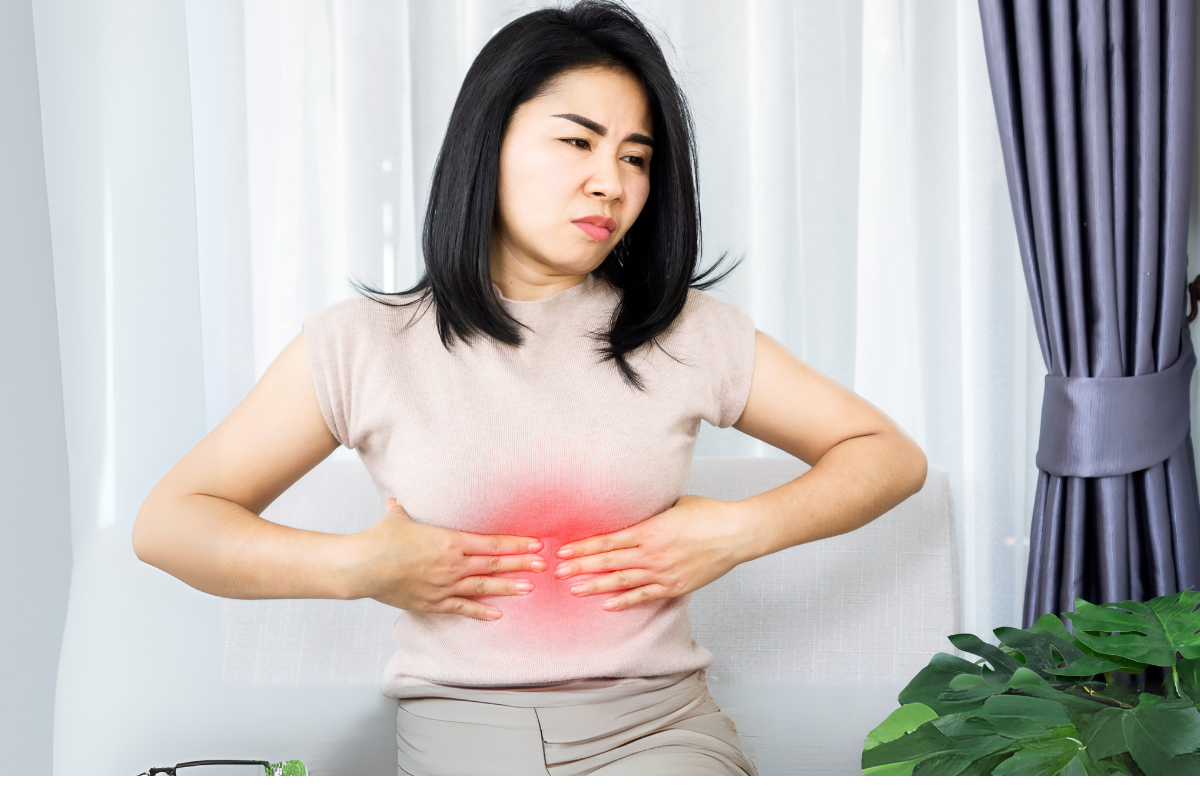
After a plate of chole bhature or a late night dinner, that familiar burning feeling starts creeping up the chest. Most people reach for an antacid, wait for it to pass, and get on with their day. Fair enough it happens to everyone occasionally.
But what if it’s happening every day? After every meal? Waking you up at night? What if the antacid stops working as well as it used to?
That’s when occasional acidity stops being occasional and starts being GERD.
GERD, or gastroesophageal reflux disease, is one of the most common digestive conditions in India and one of the most undertreated. People manage the symptoms for years without understanding what’s actually happening, why it keeps coming back, or when it starts causing damage that goes beyond discomfort.
This article breaks it down what GERD is, what causes it, what it can do if ignored, and what actually works to treat it.
What is GERD ?
To understand GERD, start with what’s supposed to happen. At the bottom of the oesophagus the food pipe there’s a muscular valve called the lower esophageal sphincter (LES). Its job is to open when food comes down and close tight afterwards, keeping stomach acid where it belongs.
When the LES is weak or relaxes at the wrong time, stomach acid flows back up into the oesophagus. This is acid reflux. When it happens regularly more than twice a week and starts causing symptoms or damage to the oesophageal lining, it becomes GERD.
The oesophagus is not designed to handle acid. Every time acid washes back into it, it causes irritation, inflammation, and over time, potentially serious damage.
GERD vs Acid Reflux vs Heartburn
These three terms are often used interchangeably they’re not the same thing.
Acid reflux is the physical event stomach acid moving backwards into the oesophagus. It happens to most people occasionally, often after a large meal or specific trigger foods.
Heartburn is the symptom the burning sensation in the chest or throat that comes from acid reflux. Not everyone who has acid reflux feels heartburn, and not all chest burning is from the heart.
GERD is the chronic condition persistent acid reflux that occurs regularly, causes ongoing symptoms, and can damage the oesophagus over time.
Types of GERD
- Non-erosive reflux disease (NERD) — symptoms of GERD are present, but endoscopy shows no visible damage to the oesophageal lining. Most common type
- Erosive reflux disease (ERD) — acid has caused visible inflammation and erosion of the oesophageal lining, confirmed on endoscopy
- Laryngopharyngeal reflux (LPR) — acid reaches all the way up to the throat and voice box. Often presents without heartburn instead causing chronic cough, hoarseness, sore throat, or a lump in throat sensation
Symptoms of GERD
GERD symptoms range from the obvious to the easily missed:
- Heartburn — a burning feeling in the chest or throat, typically after eating or when lying down. The classic GERD symptom, but not the only one
- Acid regurgitation — stomach contents actually coming back up into the mouth, leaving a sour taste in mouth or bitter aftertaste
- Dysphagia — difficulty swallowing, or the sensation of food sticking in the chest or throat
- Chronic cough due to GERD — a persistent, dry cough with no respiratory cause. Often misdiagnosed as asthma or a post-nasal drip for months
- Hoarseness and sore throat due to acid reflux — the voice box is sensitive to acid. Regular exposure causes inflammation that changes the voice
- Chest pain after eating — can be severe enough to mimic cardiac chest pain. Always worth ruling out heart causes, but GERD is a common culprit
- Nighttime acid reflux — waking up with burning, regurgitation, or coughing in the night. Sleep disturbance due to GERD significantly affects quality of life
- Bad breath due to GERD — acid and partially digested food coming back into the mouth contribute to persistent halitosis
- Lump in throat sensation — the feeling that something is stuck, even when swallowing is not physically obstructed
Causes and Risk Factors of GERD
Weak lower esophageal sphincter (LES dysfunction) The most fundamental cause. When the LES doesn’t close properly whether due to structural weakness, certain foods, or specific medications acid gets through.
Obesity and GERD Excess abdominal weight increases pressure on the stomach, pushing acid upward against the LES. Obesity is one of the strongest modifiable risk factors for GERD in India.
Hiatal hernia A condition where part of the stomach slides above the diaphragm into the chest cavity. This disrupts the LES mechanism and makes acid reflux significantly more likely.
Pregnancy and GERD The growing uterus puts pressure on the stomach, and hormonal changes relax the LES. Heartburn in pregnancy is extremely common it usually resolves after delivery.
Smoking and GERD Nicotine relaxes the LES directly. Smoking also reduces saliva production — saliva helps neutralise acid in the oesophagus. Both mechanisms worsen GERD.
Alcohol and acid reflux Alcohol relaxes the LES and stimulates acid production. Regular alcohol consumption is a significant GERD trigger.
Stress and GERD Stress doesn’t directly cause acid, but it affects gut motility, increases acid sensitivity, and often leads to the eating and lifestyle patterns late meals, poor sleep, alcohol that worsen GERD.
Sedentary lifestyle Physical inactivity is associated with obesity, slower gastric emptying, and worsening reflux symptoms.
Diet Spicy foods and acid reflux, fatty foods that trigger GERD, caffeine and GERD, chocolate trigger GERD all work by either relaxing the LES or stimulating acid production.
Foods to Avoid in GERD
The most common dietary triggers:
- Spicy foods
- Fried and fatty foods
- Citrus fruits and tomatoes
- Caffeine tea, coffee, energy drinks
- Chocolate
- Mint counterintuitively, it relaxes the LES
- Carbonated beverages the gas increases stomach pressure
- Alcohol
Not every person reacts to every trigger. Keeping a simple food diary for two weeks quickly identifies which specific foods worsen individual symptoms.
Complications of GERD
GERD that is poorly controlled or ignored over years leads to progressive damage:
- Esophagitis — inflammation of the oesophageal lining. Causes pain, bleeding, and ulcers
- Esophageal ulcers — open sores in the oesophagus that can bleed and cause significant pain with swallowing
- Barrett’s esophagus — the normal oesophageal lining is replaced by cells more similar to the intestine, as an adaptation to chronic acid exposure. This is a precancerous change that requires regular monitoring
- Esophageal stricture — scar tissue from repeated inflammation narrows the oesophagus, making swallowing progressively more difficult
- Esophageal cancer risk — Barrett’s esophagus, if not monitored and managed, carries a small but real increased risk of oesophageal adenocarcinoma
- Dental erosion due to GERD — acid reaching the mouth gradually erodes tooth enamel
- Asthma and GERD — acid can trigger bronchospasm directly, or chronic coughing from reflux can worsen existing asthma
- Chronic cough — often the only symptom, misdiagnosed for months
Diagnosis of GERD
Many cases of GERD are diagnosed clinically typical symptoms in a typical patient, responding to a trial of acid-suppressing medication. But when symptoms are atypical, severe, or not responding to initial treatment, investigations are needed:
- Upper GI endoscopy — a camera passed into the oesophagus and stomach. The most direct way to visualise inflammation, erosions, Barrett’s esophagus, or ulcers. Also allows biopsies to be taken
- Esophageal pH monitoring (24-hour pH monitoring) — a probe placed in the oesophagus records acid levels over 24 hours. Confirms whether symptoms correlate with actual acid exposure
- Esophageal manometry — measures the pressure function of the LES and oesophageal muscles. Important before surgical treatment
- Barium swallow test — the patient swallows a contrast liquid and X-rays are taken. Useful for identifying hiatal hernia and structural abnormalities
Treatment of GERD
- Lifestyle modifications These form the foundation of GERD management medications work better and are needed less when lifestyle is addressed:
- Weight loss for GERD — even modest weight reduction in overweight individuals significantly reduces acid reflux frequency
- Avoid lying down after eating — give at least two to three hours between the last meal and lying down
- Elevate head during sleep — raising the head of the bed by 15-20 cm (not just extra pillows, which can worsen the problem) uses gravity to keep acid down overnight
- Eat smaller, more frequent meals — large meals distend the stomach and increase pressure on the LES
- Healthy diet for acid reflux — reduce trigger foods, avoid eating very late at night, reduce portion sizes
- Quit smoking and reduce alcohol
- Medications for GERD
- Antacids for heartburn — neutralise acid already in the stomach. Fast relief, short duration. Useful for occasional symptoms, not for chronic GERD management
- H2 receptor antagonists — reduce acid production by blocking histamine receptors in the stomach. Effective for mild to moderate GERD
- Proton pump inhibitors (PPIs) for GERD — the most effective acid-suppressing medications available. Block the stomach’s acid pumps directly. PPIs are the standard treatment for erosive GERD, Barrett’s esophagus, and chronic reflux. Should be taken 30-60 minutes before a meal for maximum effect. Long-term PPI use should be under medical supervision
- Surgical treatment — Fundoplication When lifestyle changes and medications are insufficient or when a patient wants to stop long-term medication surgery is an option. Fundoplication involves wrapping the upper part of the stomach around the LES to reinforce it and prevent acid reflux. It is performed laparoscopically in most cases and has good long-term outcomes in appropriate patients.
Prevention of GERD
- Maintain a healthy weight
- Eat smaller meals and avoid eating close to bedtime
- Quit smoking
- Reduce alcohol intake
- Manage stress chronic stress worsens gut function and reflux
- Sleep with the head elevated if nighttime acid reflux is a problem
- Avoid known trigger foods consistently, not just occasionally
When Should You See a Doctor for GERD?
Occasional heartburn after a heavy meal is common and not a cause for concern. But see a gastroenterologist if:
- Heartburn or acid regurgitation occurs more than twice a week
- Symptoms are not controlled by over-the-counter antacids
- You have difficulty swallowing or food gets stuck
- There is unexplained weight loss alongside reflux symptoms
- You have chest pain always rule out cardiac causes first
- You have a persistent cough or hoarseness with no respiratory explanation
- You have been on antacids or PPIs for months without a formal diagnosis
You can book an online GERD consultation through HealthPil, a gastroenterologist consultation from home, without a long wait.
How HealthPil Can Help
HealthPil connects you with experienced gastroenterologists for GERD diagnosis, treatment planning, dietary guidance, and long term management. Whether you need a second opinion, want to understand your endoscopy results, or need guidance on medications expert help is available online.
Summary
GERD is a chronic form of acid reflux that causes symptoms like heartburn, acid regurgitation, difficulty swallowing, and chronic cough. If left untreated, it can lead to complications such as oesophagitis and Barrett’s oesophagus. Early diagnosis through appropriate tests and timely treatment with lifestyle changes, medications, or surgery can help manage symptoms and prevent complications. If you experience persistent acid reflux, consult a gastroenterologist for proper evaluation and care.
FAQs
1. What is the main cause of GERD?
The most common cause of GERD is a weak lower esophageal sphincter (LES), which allows stomach acid to flow back into the esophagus.
2. What foods should be avoided in GERD?
People with GERD should avoid spicy foods, fried foods, citrus fruits, tomatoes, chocolate, caffeine, carbonated drinks, and alcohol, as these can trigger acid reflux symptoms.
3. Can GERD be cured permanently?
GERD can often be managed effectively with lifestyle changes, medications, and dietary modifications. Severe cases may require surgical treatment.
4. When should I see a doctor for acid reflux?
Consult a doctor if you have frequent heartburn, chest pain, difficulty swallowing, chronic cough, vomiting, or acid reflux symptoms more than twice a week.
5. Can I consult a gastroenterologist online for GERD?
Yes, you can book an online gastroenterologist consultation for GERD symptoms, acid reflux treatment, dietary guidance, and long-term management.
References
- Clarrett DM, Hachem C. Gastroesophageal Reflux Disease (GERD). StatPearls Publishing. Available at:
NCBI Bookshelf - Vakil N, van Zanten SV, Kahrilas P, Dent J, Jones R. The Montreal Definition and Classification of Gastroesophageal Reflux Disease: A Global Evidence-Based Consensus. Available at:
PMC
Disclaimer:
This information is not intended to replace professional medical advice. Always consult a healthcare provider for diagnosis and treatment options.

Read our editorial policy