

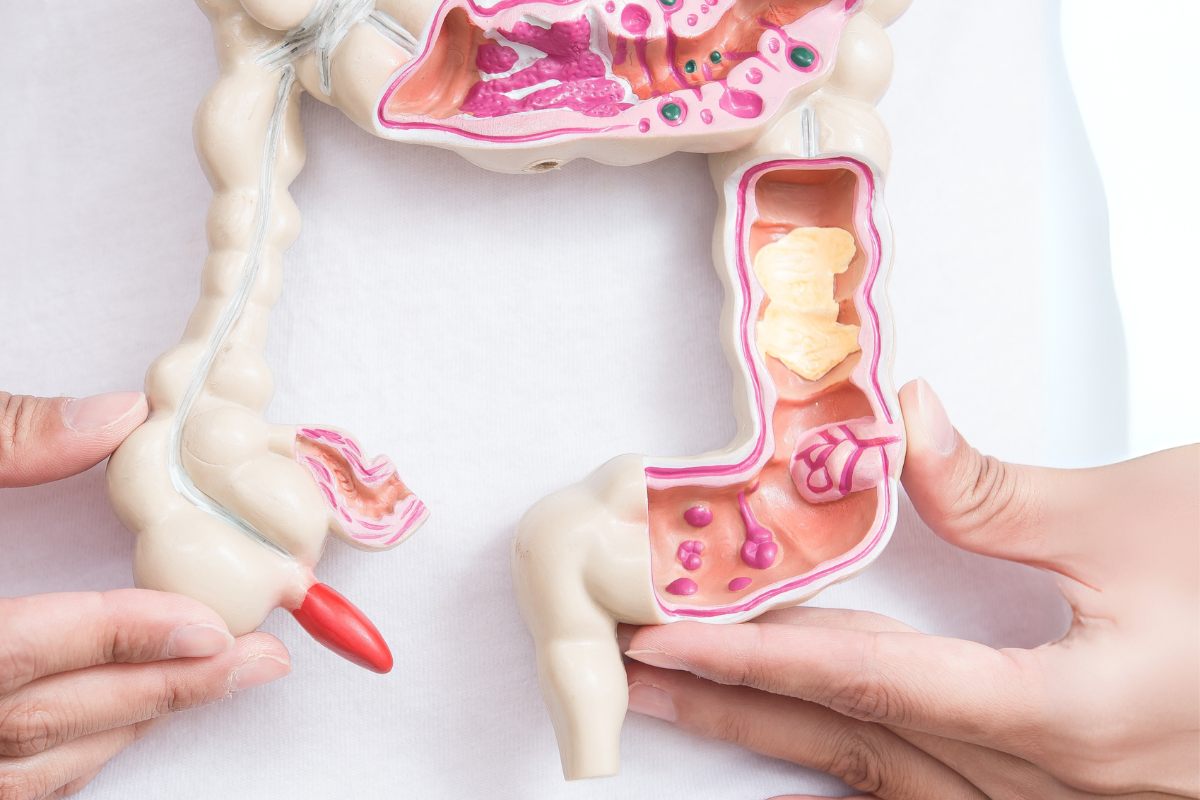
Most people don’t think about their colon until something goes wrong. And the problem with colorectal cancer is that by the time something feels obviously wrong persistent rectal bleeding, significant weight loss, pain that doesn’t go away the disease has often been developing quietly for years.
Colorectal cancer is the third most common cancer globally and one of the fastest-rising cancers in India. What makes it particularly serious is that it’s also one of the most preventable and most treatable cancers when caught early. The same disease that kills people in its advanced stages can often be completely cured when detected at Stage 1 sometimes through a routine colonoscopy that took 30 minutes.
Understanding the symptoms, risk factors, and screening options isn’t just medical knowledge. It’s potentially life-saving.
What is Colorectal Cancer?
Colorectal cancer CRC is cancer that develops in the colon or rectum, the final sections of the digestive tract. Most colorectal cancers don’t appear out of nowhere. They begin as colon polyps small, benign growths on the inner lining of the colon or rectum. Over years, some of these polyps undergo DNA mutations and become cancerous.
This slow progression is actually good news. It means there’s a significant window often a decade or more during which colorectal cancer screening can find and remove polyps before they ever turn malignant. No polyp, no cancer.
Early-stage CRC frequently causes no symptoms at all, which is exactly why screening matters more than waiting for symptoms.
Types of Colorectal Cancer
- Adenocarcinoma The most common type, accounting for over 95% of colorectal cancers. Begins in the mucus-producing cells lining the colon and rectum. When people talk about colon cancer or rectal cancer, this is almost always what they mean.
- Gastrointestinal stromal tumours (GISTs) Rare tumours that develop in the connective tissue of the digestive tract wall. Behave differently from adenocarcinomas and require different treatment.
- Lymphoma Cancer arising from immune cells within the colon or rectum. Rare, and typically treated with chemotherapy rather than surgery.
- Carcinoid tumours Slow-growing tumours arising from hormone-producing cells in the gut. Often discovered incidentally and have a generally better prognosis than adenocarcinomas.
Symptoms of Colorectal Cancer
The challenge with colorectal cancer symptoms is that many of them are easy to attribute to something less serious haemorrhoids, IBS, dietary changes, stress. This is why so many diagnoses come later than they should.
Rectal bleeding and blood in stool
Can be bright red or dark, mixed in with stool or visible on toilet paper. Always worth investigating, never worth assuming it’s just haemorrhoids without confirmation
Change in bowel habits
Persistent diarrhoea, chronic constipation, or alternating between both that doesn’t resolve over weeks
Narrow stools
A change in stool calibre, particularly pencil-thin stools, can indicate a narrowing of the bowel from a growing tumour
Feeling of incomplete bowel emptying
The persistent sensation that the bowel hasn’t fully emptied after going
Abdominal pain and cramping
Particularly in the lower abdomen, often after meals
Bloating
Persistent, unexplained abdominal distension
Unexplained weight loss
Losing weight without changes to diet or activity
Fatigue and weakness
Often caused by anaemia due to blood loss from chronic slow bleeding that isn’t dramatic enough to notice
Anaemia
Iron deficiency anaemia in a middle-aged or older adult with no obvious cause should always prompt bowel investigation
Causes of Colorectal Cancer
Colorectal cancer develops when DNA mutations occur in colon or rectal cells, disrupting the normal controls on cell growth. Some mutations are inherited. Most are acquired over a lifetime.
Colon polyps Most colorectal cancers begin as colon polyps. Adenomatous polyps the most common type carry the highest malignant potential. Finding and removing them during colonoscopy is the most effective cancer prevention strategy available.
Inherited genetic conditions
- Lynch syndrome — the most common inherited colorectal cancer syndrome. Caused by mutations in DNA mismatch repair genes. Significantly elevated lifetime risk of colorectal and other cancers. First-degree relatives of Lynch syndrome patients should be screened early
- Familial adenomatous polyposis (FAP syndrome) — causes hundreds to thousands of polyps to develop in the colon from adolescence. Without prophylactic surgery, colorectal cancer is virtually inevitable
Inflammatory bowel disease Long-standing Crohn’s disease and ulcerative colitis both increase colorectal cancer risk, proportional to the extent and duration of bowel inflammation. Regular surveillance colonoscopy is recommended for patients with IBD of more than 8-10 years.
Lifestyle risk factors
- Processed meat and colon cancer — the WHO classifies processed meats as Group 1 carcinogens. Regular consumption of processed meat and red meat and colorectal cancer risk are clearly linked
- Low fibre diet — reduces bowel transit time and increases carcinogen contact with the colon wall
- Obesity and colon cancer — adipose tissue drives inflammatory signalling that promotes tumour development
- Diabetes and colorectal cancer — insulin resistance and elevated IGF-1 levels in diabetic patients promote abnormal cell growth
- Smoking and colorectal cancer — carcinogens from tobacco reach the colon through the bloodstream
- Alcohol consumption — a clear dose-dependent relationship between alcohol and colorectal cancer risk
- Sedentary lifestyle — physical inactivity is an independent risk factor, separate from its effect on weight
Screening for Colorectal Cancer
Screening is not for people with symptoms that’s diagnosis. Screening is for people who feel completely fine, because that’s when intervention makes the biggest difference.
- Colonoscopy The gold standard. A camera passed through the entire colon visualises the lining directly, detects polyps, and removes them in the same procedure. Recommended every 10 years from age 45-50 in average-risk individuals. Earlier and more frequently in high-risk groups.
- FIT test (faecal immunochemical test) Detects hidden blood in stool. Non-invasive, done at home. A positive result requires follow-up colonoscopy. Recommended annually in average-risk individuals who decline colonoscopy.
- FOBT (faecal occult blood test) Similar to FIT but less specific. Detects blood in stool from any source. Annual testing.
- Stool DNA test Detects both blood and abnormal DNA shed by cancerous or precancerous cells into stool. More sensitive than FOBT/FIT alone. Done every 1-3 years.
- Sigmoidoscopy Examines only the lower portion of the colon. Less complete than colonoscopy but less invasive. Done every 5 years, sometimes combined with annual FIT.
- CT colonography (virtual colonoscopy) CT scan that creates detailed images of the colon without a camera. Good sensitivity for large polyps. Requires bowel preparation like standard colonoscopy. Any abnormal findings require standard colonoscopy for biopsy and polyp removal.
Diagnosis of Colorectal Cancer
When symptoms are present or screening is abnormal, diagnosis involves:
- Colonoscopy with biopsy — direct visualisation and tissue sampling. Confirms the diagnosis and provides information on tumour location and extent
- CT scan and MRI — assess local extent of tumour, lymph node involvement, and metastatic spread to liver or lungs
- Blood tests — CEA (carcinoembryonic antigen) is a tumour marker used for monitoring treatment response and detecting recurrence. Full blood count assesses anaemia
- PET scan — used in staging metastatic colorectal cancer when other imaging is inconclusive
Stages of Colorectal Cancer
- Stage 1 — cancer is confined to the inner layers of the colon or rectal lining. Localised colon cancer. Excellent prognosis 5-year survival above 90%
- Stage 2 — cancer has grown through the colon wall into nearby tissues but hasn’t reached lymph nodes. Surgery is typically curative
- Stage 3 — cancer has spread to nearby lymph nodes. Treatment involves surgery followed by chemotherapy for colon cancer. Radiation therapy for rectal cancer is often given before surgery to shrink the tumour
- Stage 4 (metastatic colorectal cancer) — cancer has spread to distant organs, most commonly the liver and lungs. Treatment is more complex combinations of surgery, chemotherapy, targeted therapy, and immunotherapy. Prognosis is more variable but has improved substantially with modern treatment
- Recurrent colorectal cancer — cancer that returns after initial treatment. Management depends on where it recurs and what treatment was given previously
Treatment of Colorectal Cancer
Surgery for colorectal cancer The primary treatment for most stages. Options include:
- Tumour resection — the tumour and a margin of surrounding healthy tissue are removed. In many cases, the bowel ends are reconnected
- Colostomy surgery — when reconnection isn’t possible after removing a section of rectum, for example — the bowel is brought through an opening in the abdominal wall. Can be temporary while the bowel heals, or permanent
Chemotherapy for colon cancer Used after surgery in Stage 3 disease to reduce recurrence risk. In Stage 4, chemotherapy is a primary treatment. Common regimens include FOLFOX, FOLFIRI, and CAPOX combinations of fluorouracil, oxaliplatin, and irinotecan.
Radiation therapy for rectal cancer Particularly important in rectal cancer radiation is typically given before surgery to shrink the tumour and reduce local recurrence. Less commonly used in colon cancer.
Targeted therapy Drugs that target specific molecular pathways driving cancer growth. Cetuximab treatment targets the EGFR receptor on cancer cells. Bevacizumab targets tumour blood vessel formation. Used in metastatic CRC alongside chemotherapy.
Immunotherapy for colorectal cancer Checkpoint inhibitors pembrolizumab, nivolumab are effective in a subset of colorectal cancers with a specific genetic feature called microsatellite instability high (MSI-H). These tumours respond well to immunotherapy, sometimes dramatically.
Recovery After Colorectal Cancer
Recovery after colorectal cancer treatment involves more than getting through surgery or chemotherapy. Follow-up care after colon cancer is structured and ongoing:
- Regular colonoscopy to detect recurrence or new polyps
- CT scans at intervals to monitor for metastatic disease
- CEA blood tests every few months in the first years
- Dietary support high fibre diet, adequate protein, avoiding processed meat
- Regular exercise shown to reduce recurrence risk in colorectal cancer survivors
- Psychological support the emotional impact of a cancer diagnosis and treatment is real and often underaddressed
Prevention of Colorectal Cancer
The most impactful steps:
- Attend regular colon cancer screening from age 45-50, or earlier with risk factors
- Eat a healthy diet for colon health — fruits, vegetables, whole grains, legumes, high fibre foods
- Limit processed meat and red meat
- Maintain a healthy weight and stay physically active
- Quit smoking
- Limit alcohol consumption
- Know your family history — if a first-degree relative has had colorectal cancer or polyps, screening should start earlier and be done more frequently
When Should You See a Doctor?
See a gastroenterologist or cancer specialist consultation immediately if you have:
- Blood in stool or rectal bleeding even once, even if you suspect haemorrhoids
- A persistent change in bowel habits lasting more than three weeks
- Unexplained weight loss alongside digestive symptoms
- Severe abdominal pain or persistent bloating
- Black, tarry stools
- Ongoing fatigue with no clear cause could be anaemia from slow bleeding
Don’t wait for symptoms to become severe. Book an online gastroenterologist consultation or oncologist consultation through HealthPil for an assessment from home early evaluation is what changes outcomes in colorectal cancer.
How HealthPil Can Help
HealthPil connects you with experienced gastroenterologists, oncologists, and cancer specialists who manage colorectal cancer from screening through treatment and recovery. Whether you need a colonoscopy referral, a second opinion on a diagnosis, guidance on staging and treatment options, or follow-up care planning expert help is available through an online consultation without a long wait.
Summary
Colorectal cancer is a common cancer that develops in the colon or rectum, often from precancerous polyps. Early symptoms include rectal bleeding, blood in the stool, changes in bowel habits, abdominal pain, and unexplained weight loss. Early screening, timely diagnosis, and appropriate treatment greatly improve survival and recovery outcomes.
FAQs
1. What are the first signs of colorectal cancer?
Early signs may include blood in the stool, rectal bleeding, persistent changes in bowel habits, abdominal pain, unexplained weight loss, fatigue, and narrow stools.
2. What causes colorectal cancer?
Colorectal cancer develops due to genetic mutations in colon cells. Risk factors include older age, family history, inflammatory bowel disease, obesity, smoking, alcohol consumption, processed meat intake, and a low-fibre diet.
3. How is colorectal cancer diagnosed?
Doctors diagnose colorectal cancer using colonoscopy with biopsy, stool tests (FIT or FOBT), CT scans, MRI scans, blood tests, and other imaging procedures.
4. Can colorectal cancer be prevented?
The risk can be reduced by regular screening, eating a high-fibre diet, maintaining a healthy weight, exercising regularly, avoiding smoking, limiting alcohol intake, and removing precancerous polyps during colonoscopy.
5. What are the treatment options for colorectal cancer?
Treatment depends on the stage of cancer and may include surgery, chemotherapy, radiation therapy, targeted therapy, immunotherapy, or a combination of these treatments.
6. Who should get screened for colorectal cancer?
Adults aged 45 years and older, or people with a family history of colorectal cancer, inflammatory bowel disease, or inherited genetic syndromes, should discuss regular screening with their doctor.
7. When should I see a doctor?
Seek medical attention if you notice persistent rectal bleeding, blood in the stool, ongoing abdominal pain, unexplained weight loss, changes in bowel habits lasting more than two weeks, or persistent fatigue. Early diagnosis significantly improves treatment success.
Disclaimer:
This information is for educational purposes and should not replace professional medical advice. Always consult a healthcare provider for personalised recommendations.
References
- Duan B, et al. Colorectal Cancer: An Overview. StatPearls Publishing. Available at:
NCBI Bookshelf - Dekker E, Tanis PJ, Vleugels JLA, Kasi PM, Wallace MB. Colorectal Cancer. Available at:
PubMed

Read our editorial policy