

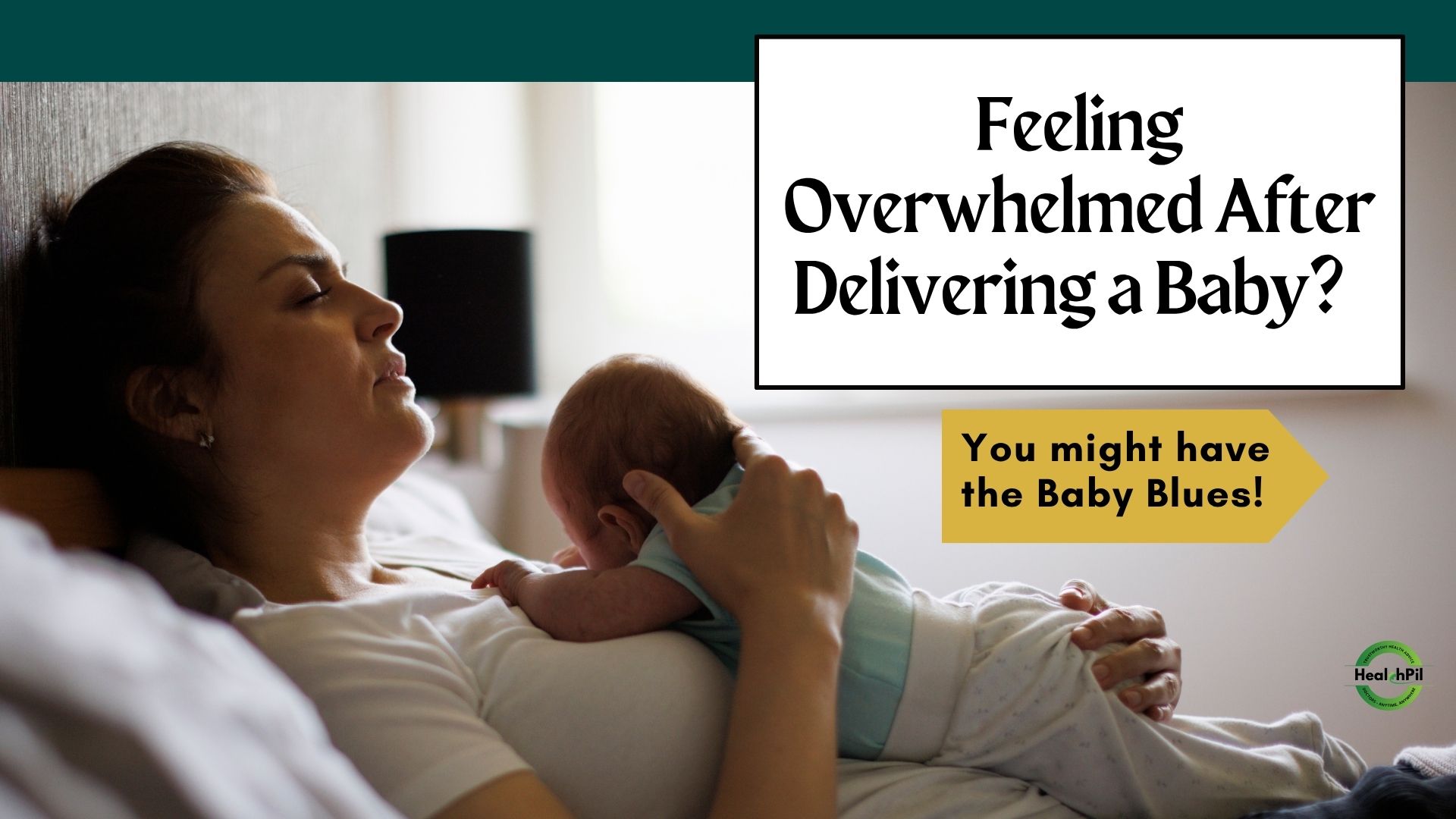

The arrival of a new baby brings immense joy, but it can also lead to feelings of sadness and anxiety for many new mothers. Known as the “baby blues,” this condition is common and typically temporary. Understanding the baby blues, their symptoms, and coping strategies can help new moms navigate this challenging time.
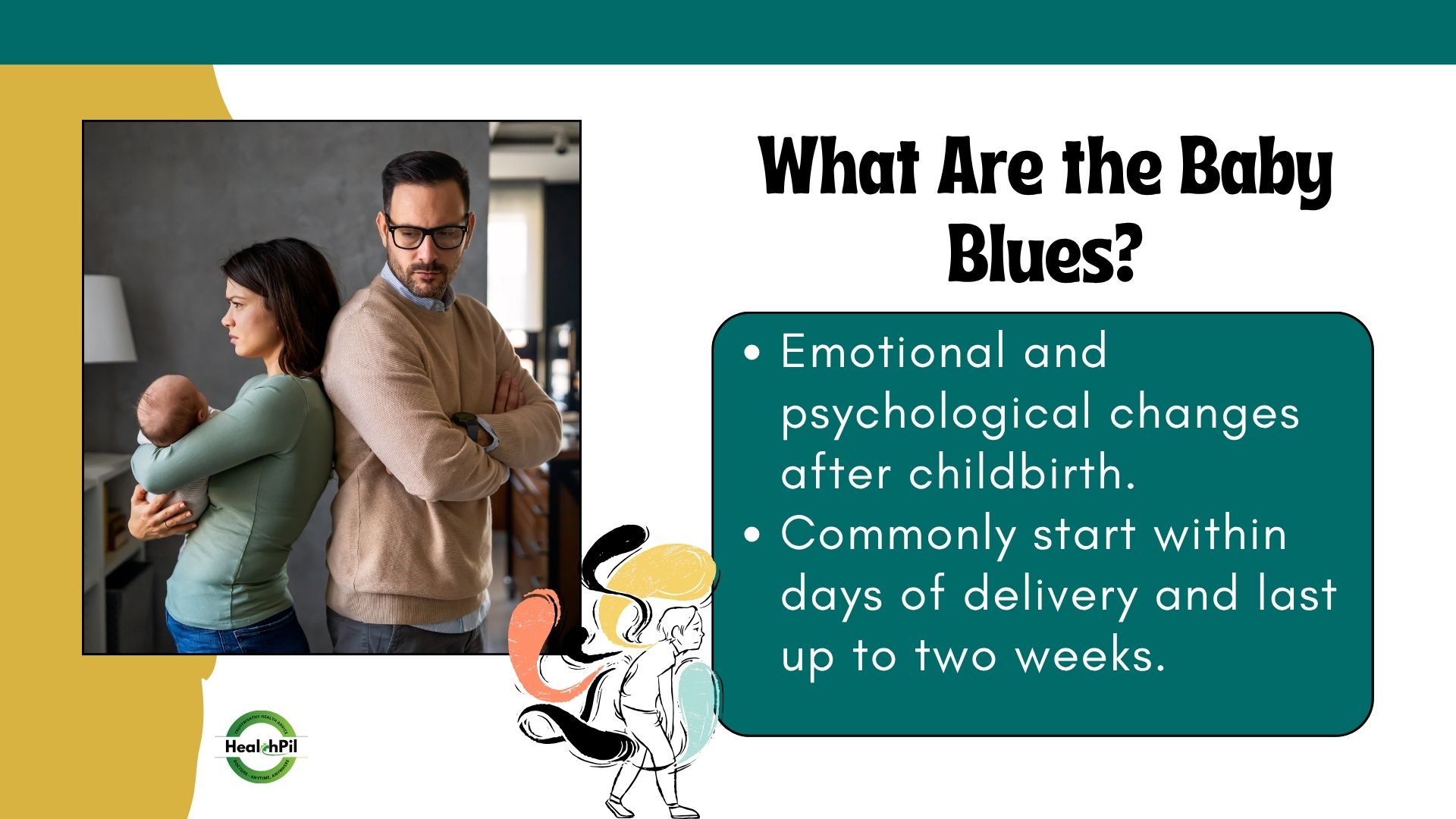
What Are the Baby Blues?
The baby blues refer to a range of emotional and psychological changes that many women experience after childbirth. These feelings usually start within a few days after delivery and can last for up to two weeks. While the baby blues are common and often mild, they can still be distressing.
Baby Blues vs Postpartum Depression
The baby blues and postpartum depression may seem similar, but they are not the same condition. Baby blues are usually mild, temporary, and improve within two weeks after childbirth. Postpartum depression is more intense, lasts longer, and can affect a mother’s ability to care for herself and her baby. Symptoms of postpartum depression may include severe sadness, hopelessness, loss of interest in daily activities, panic attacks, difficulty bonding with the baby, and thoughts of self-harm. If symptoms persist for more than two weeks, professional medical support is important.
Postpartum anxiety is also common it affects around one in eight new mothers. It shows up as constant worry that interferes with daily life, and sometimes panic attacks. Like postpartum depression, it responds well to treatment and isn’t something to push through alone.
Postpartum Psychosis: When It’s More Serious
Postpartum psychosis is rare, but it’s a medical emergency. It can involve confusion, hallucinations, delusions, or unusual behaviour, and it usually appears within the first two weeks after delivery. A mother experiencing this may go days without sleeping.
This is different from baby blues or postpartum depression, and it needs immediate hospital treatment not a wait-and-watch approach.
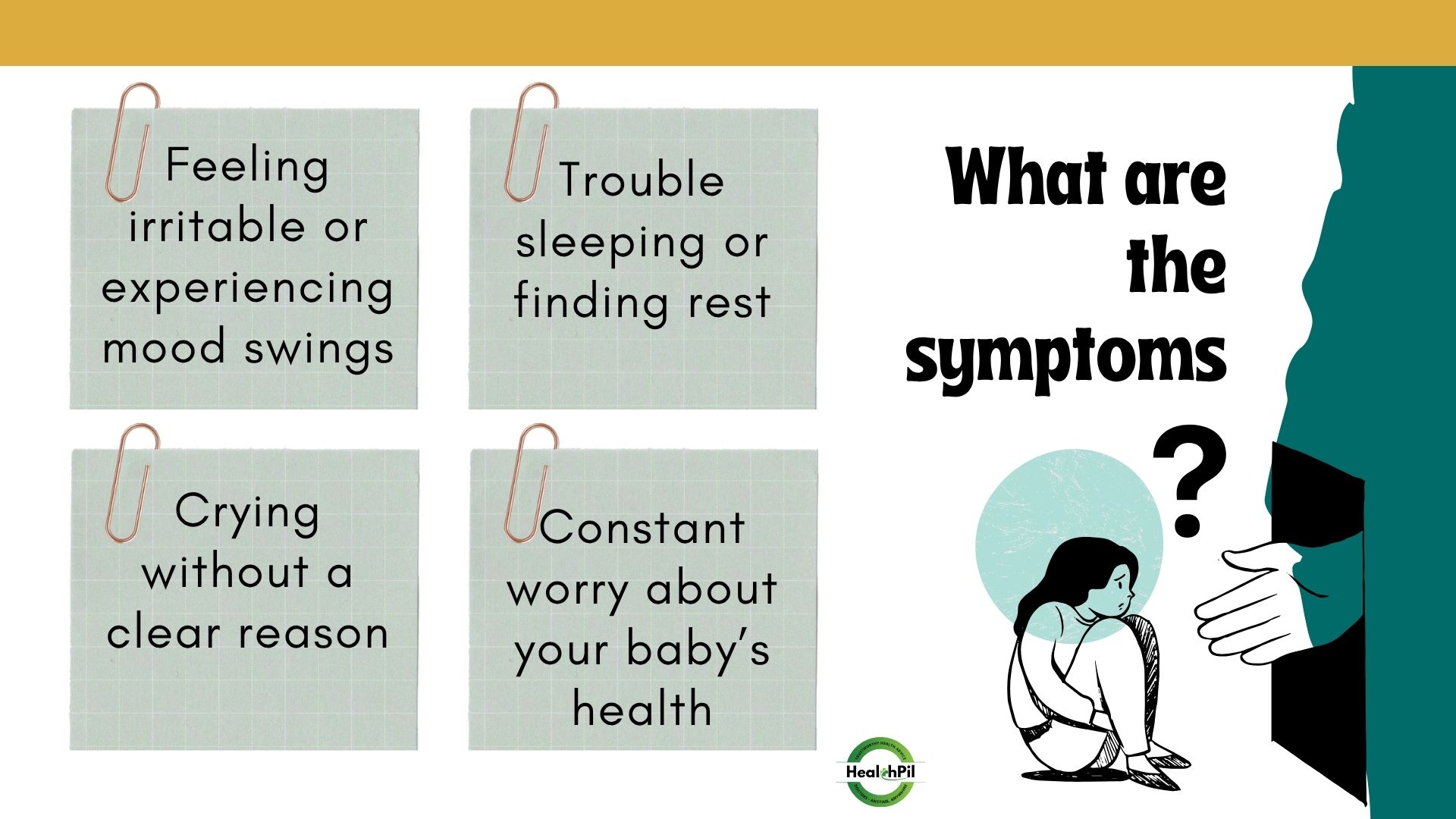
Symptoms of the Baby Blues
Baby blues can look a little different for every mother, but a few patterns show up again and again.
- Mood swings — feeling fine one moment, tearful the next, without an obvious trigger
- Sadness or irritability — a heaviness that doesn’t always make sense given how happy the moment is supposed to be
- Crying spells — sudden, sometimes over things that wouldn’t normally bother you
- Difficulty sleeping — beyond what broken newborn sleep alone would explain, trouble falling or staying asleep even when the baby is settled
- Anxiety about the baby — constant worry about whether they’re feeding enough, breathing okay, or simply “doing it right”
- Feeling overwhelmed or inadequate — a sense of not measuring up, even when everything is actually going fine
When Do Baby Blues Start and How Long Do They Last?
Baby blues usually begin within 2 to 3 days after childbirth as hormone levels rapidly change. Symptoms often peak during the first week and gradually improve within two weeks. Emotional ups and downs during this period are common, especially when combined with sleep deprivation and the stress of caring for a newborn.
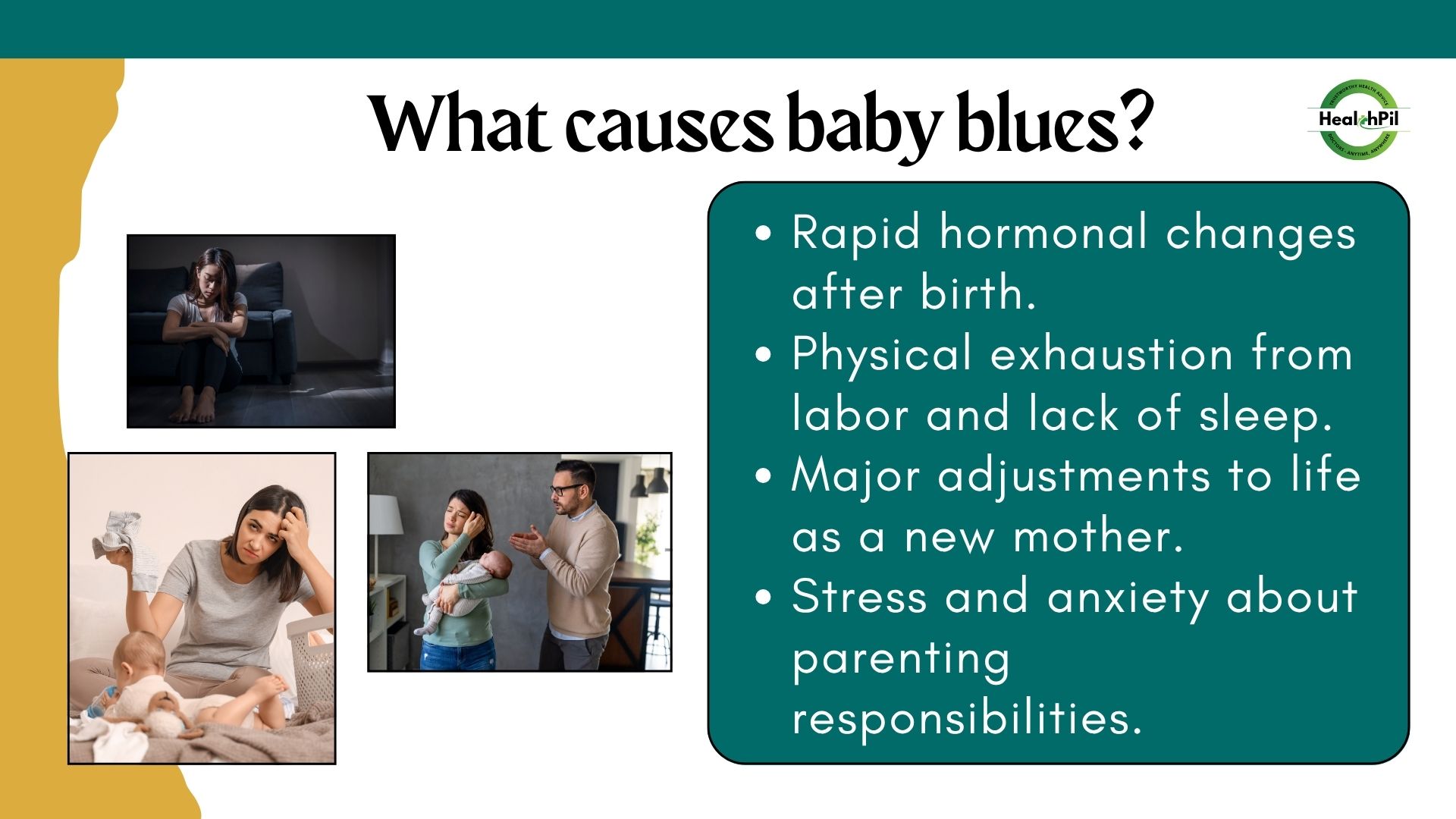
Causes of the Baby Blues
Several factors may contribute to the development of the baby blues:
1. Hormonal Changes: After childbirth, the dramatic drop in hormones (estrogen and progesterone) can lead to emotional fluctuations.
2. Physical Exhaustion: The demands of labor and the lack of sleep can leave new mothers feeling drained.
3. Adjustment to Motherhood: The transition to motherhood is a significant life change that can be overwhelming.
4. Stress and Anxiety: Concerns about caring for a newborn or changes in family dynamics can contribute to feelings of sadness.
Risk Factors for Baby Blues
A few things make baby blues more likely, though none of them guarantee it will happen:
- A history of anxiety or depression
- Emotional stress during pregnancy
- Ongoing lack of sleep
- Limited family or partner support
- A difficult labour or delivery
- The overwhelming lifestyle shift that comes with new parenthood
Coping Strategies for the Baby Blues
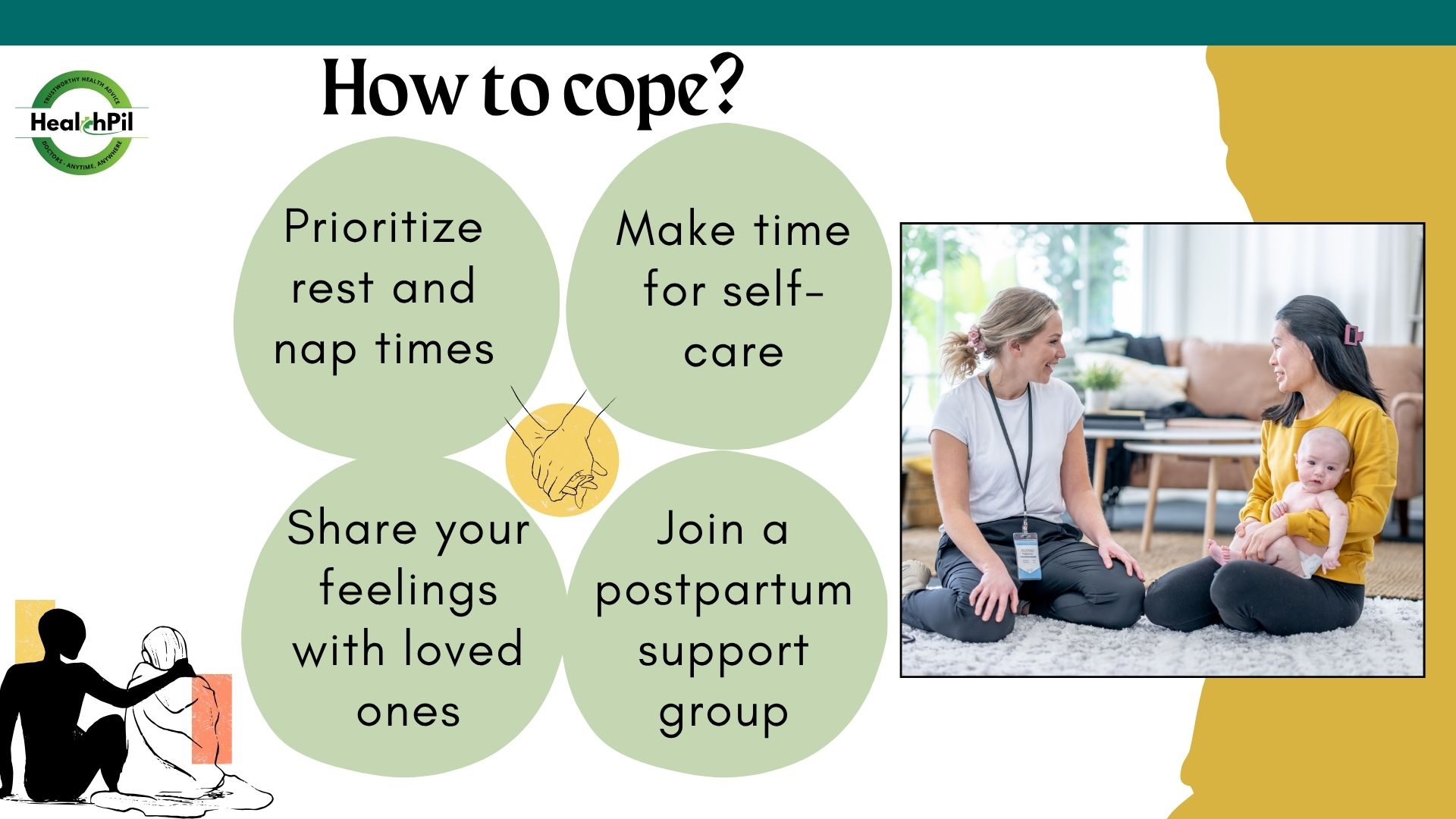
- Rest when you can. Sleep during your baby’s naps, and don’t hesitate to ask for help from loved ones.
- Talk about how you’re feeling with friends, family, or a support group. Sharing your experiences can ease stress and anxiety.
- Make time for self-care activities that make you feel good, like taking a warm bath, reading a book, or going for a peaceful walk.
- Consider joining a postpartum support group. Connecting with other moms can make you feel less alone.
- If feelings of sadness last longer than two weeks or get worse, reach out to your healthcare provider. They can help you figure out if you’re dealing with postpartum depression (PPD).
- Regular physical activity, once cleared by a doctor, may also help lower the risk of postpartum depression not just manage symptoms after they appear.
Self-Care Tips for New Moms
New mothers should prioritize rest, hydration, healthy meals, and emotional support during the postpartum period. Even small self-care activities like short walks, deep breathing exercises, listening to music, or taking breaks can improve emotional well-being. Accepting help from loved ones and reducing pressure to “do everything perfectly” can also support recovery.
Treatment Options for Postpartum Depression
- Therapy and Counseling Talking with a mental health professional can help mothers understand and manage their emotions during the postpartum period.
- Medication In some cases, doctors may recommend antidepressant or anti-anxiety medications to help manage postpartum depression symptoms safely.
- Support Groups Connecting with other mothers experiencing similar challenges can provide emotional comfort and reduce feelings of isolation.
- Self-Care and Lifestyle Support Healthy meals, proper rest, hydration, light exercise, and emotional support from loved ones can support emotional recovery after childbirth.
How to Support a New Mom with Baby Blues
Family members and partners play an important role in supporting new mothers during the postpartum period. Helping with household chores, meal preparation, baby care, and emotional support can reduce stress and help mothers recover emotionally. Listening without judgment and encouraging rest can make a significant difference in a mother’s mental well-being.
Helping a Friend or Loved One
If someone close to you seems to be struggling, encourage them to talk about how they’re feeling, and listen without judgment. Offer to help them find medical support rather than waiting for them to ask. Free, confidential mental health support is also available through maternal mental health helplines worth having the number saved before it’s needed, not after.
How HealthPil can help?
HealthPil Is Always Here for YOU!
- Need Guidance? Connect with healthcare experts ready to help you navigate gestational diabetes.
- Join Our Community: Gain access to tips, resources, and support from mothers just like you!
- Don’t Delay—Take Action! Your health and your baby’s future are too important to wait!
Contact HealthPil today and empower your pregnancy journey
When to See a Doctor
Reach out to a healthcare provider if sadness, anxiety, irritability, or exhaustion last beyond two weeks, or get worse instead of better. Seek help immediately for panic attacks, inability to sleep even when the baby is sleeping, loss of appetite, hopelessness, difficulty bonding with the baby, or thoughts of self-harm or harming the baby.
If thoughts of self-harm ever come up, treat it as urgent reach out to a doctor, a crisis helpline, or emergency services right away. This is not something to sit with alone.
If getting to a clinic feels like too much right now, an online consultation is a practical first step describe what you’re feeling, and a doctor can guide you on whether you need to be seen in person or whether support from home is enough for now.
Summary
The baby blues are a common experience for many new mothers, but understanding the symptoms and employing effective coping strategies can help ease the transition into motherhood. Remember, it’s essential to prioritize self-care and seek support when needed. You are not alone in this journey!
Frequently Asked Questions
How long do the baby blues last?
The baby blues typically last for a few days to two weeks after delivery.
Is it normal to feel sad after having a baby?
Yes, many new mothers experience the baby blues due to hormonal changes and the challenges of motherhood.
When should I seek help?
If your symptoms persist beyond two weeks or interfere with your daily life, consult your healthcare provider.
Can I prevent the baby blues?
While you may not be able to prevent them, seeking support and practicing self-care can help mitigate symptoms.
What’s the difference between the baby blues and postpartum depression?
The baby blues are typically mild and temporary, while postpartum depression is more severe and may require medical intervention.
References
- Carlson K, Mughal S, Azhar Y, Siddiqui W. Perinatal Depression. StatPearls Publishing. Available at:
NCBI Bookshelf - Tosto V, Ceccobelli M, Lucarini E, et al. Maternity Blues: A Narrative Review. Available at:
PMC
Disclaimer
The information provided in this article is for awareness purposes only and should not replace professional medical advice. Always consult your healthcare provider for personalized medical guidance.

Read our editorial policy