

Diabetes affects hundreds of millions of people, and it’s often called a “silent” disease for a reason many people live with high blood sugar for years without realising it, until a routine check-up or a sudden complication brings it to light. So when someone asks “can diabetes be reversed,” the honest answer depends entirely on which type of diabetes we’re talking about.
This guide walks through what diabetes actually is, the different types, how each is managed, and where the science genuinely supports the idea of reversal.
What Is Diabetes?
Diabetes is a condition that changes how your body handles glucose, or blood sugar. Glucose is your body’s main fuel source, but it can’t just float freely in your blood — it needs help getting into your cells. That help comes from insulin, a hormone made by your pancreas. Insulin acts like a key, unlocking your cells so glucose can move in and get used for energy. When insulin isn’t made in enough quantity, or when your cells stop responding to it properly, glucose builds up in the blood instead. That buildup, over time, is what damages blood vessels, nerves, and organs throughout the body.
Types of Diabetes
Not all diabetes works the same way, and that difference matters enormously for treatment.
Type 1 diabetes is an autoimmune condition. The immune system mistakenly attacks and destroys the insulin-producing cells in the pancreas, so the body ends up making little to no insulin at all. It’s often diagnosed in childhood, though it can develop at any age. People with type 1 diabetes need insulin therapy for life — there’s currently no way to reverse it, since the cells that make insulin have already been destroyed.
Type 2 diabetes is the most common form, making up around 90-95% of all diabetes cases. Here, the pancreas usually still makes insulin, at least early on, but the body’s cells stop responding to it well a state called insulin resistance. Over years, the constant overwork can tire the pancreas out, so it makes less insulin too. This is the type most closely tied to weight, diet, and activity levels, though genetics plays a role as well. It’s also the type where genuine reversal, more precisely called remission, is possible for many people.
LADA (Latent Autoimmune Diabetes in Adults), sometimes called type 1.5 diabetes, is a less commonly discussed form. It’s autoimmune like type 1, but it develops slowly in adulthood, which means it’s often mistaken for type 2 at first. LADA usually requires insulin therapy over time, even though it doesn’t announce itself as urgently as classic type 1.
Gestational diabetes develops during pregnancy, when hormones from the placenta make the body less sensitive to insulin. It affects roughly 2-10% of pregnancies. It usually resolves after childbirth, but it’s not a one-time event — around half of the women who develop it go on to develop type 2 diabetes later in life, which makes ongoing monitoring important even after delivery.
Prediabetes sits in the middle blood sugar is higher than normal, but not high enough to be called diabetes. It’s remarkably common; research suggests more than 1 in 3 adults have it, and many don’t know it. This stage is genuinely the easiest point to intervene, since lifestyle changes here can often prevent progression to full type 2 diabetes entirely.
One quick clarification worth making: diabetes insipidus is a completely different condition, despite the similar name. It has nothing to do with insulin or blood sugar it’s caused by a problem with a different hormone that regulates how much water your kidneys hold onto.
What Causes Diabetes?
- Genetics and family history — having a parent or sibling with diabetes raises your own risk, especially for type 2
- Obesity and excess abdominal fat — strongly linked to insulin resistance, since fat around the liver and pancreas interferes directly with how insulin works
- Physical inactivity — unused muscle becomes less efficient at pulling glucose out of the blood
- Unhealthy diet — high amounts of refined sugar, processed carbs, and unhealthy fats drive both weight gain and blood sugar spikes
- Age, particularly past 45, when insulin resistance becomes more common
- Ethnicity — African American, Hispanic, Native American, and Asian Pacific Islander populations carry higher genetic risk for type 2 diabetes
- PCOS and gestational diabetes history — both independently raise future type 2 diabetes risk
- High blood pressure and abnormal cholesterol — often occur alongside insulin resistance and compound the overall risk
Type 1 diabetes and LADA, on the other hand, are autoimmune in origin. Doctors don’t fully understand what triggers the immune system to attack the pancreas in these cases, though genetics and environmental factors both seem to play a part.
Symptoms of Diabetes
Type 1, LADA, and type 2 diabetes tend to share the same general warning signs, though how quickly they appear differs type 1 symptoms often show up within days or weeks, while type 2 and LADA build gradually, sometimes over years.
- Frequent urination, as the kidneys work overtime to filter out excess glucose
- Increased thirst, driven by the fluid loss from frequent urination
- Unexplained weight loss, particularly in type 1, as the body starts breaking down fat and muscle for energy when it can’t use glucose properly
- Persistent fatigue, since cells aren’t getting the energy they need
- Blurred vision, caused by high blood sugar affecting the lens of the eye
- Slow-healing sores or frequent infections, since high glucose impairs the body’s healing response
If you notice several of these together, it’s worth getting tested rather than waiting them out.
Busting Common Myths About Diabetes
Myth: All diabetes can eventually be reversed with enough discipline.
Not true, and this myth causes real harm. Type 1 diabetes and LADA are autoimmune conditions where insulin-producing cells are destroyed — no diet or exercise plan can restore that. Type 2 diabetes is the one where genuine remission is possible for many people.
Myth: If you need insulin, you have type 1 diabetes.
Not necessarily. Many people with type 2 diabetes eventually need insulin too, especially if the pancreas’s own insulin production has declined significantly over time. Needing insulin isn’t a marker of which type you have, or a sign of personal failure.
Myth: Diabetes only affects overweight people.
Not accurate. Type 1 diabetes and LADA have nothing to do with body weight. Even type 2 diabetes can develop in people at a normal weight, particularly if there’s a strong genetic component or if fat is concentrated internally rather than visibly.
Myth: Once you reverse type 2 diabetes, it’s gone for good.
This is one of the most important distinctions to understand. What’s typically achieved is remission blood sugar returns to a healthy range without medication not a permanent cure. If weight is regained or old habits return, blood sugar can rise again, which is why ongoing monitoring matters even after remission.
How Is Diabetes Diagnosed?
- Fasting blood glucose test: measures blood sugar after 8 hours of fasting; 100-125 mg/dL suggests prediabetes, and 126 mg/dL or higher suggests diabetes
- HbA1c test: gives an average of blood sugar over the past two to three months rather than a single moment, making it useful for both diagnosis and ongoing monitoring
- Random blood glucose test: doesn’t require fasting; used when symptoms are already present
- Oral glucose tolerance test (OGTT): measures how the body responds to a glucose-containing drink over a couple of hours, and is also the standard test used to diagnose gestational diabetes between weeks 24 and 28 of pregnancy
Can Diabetes Be Reversed?
The honest, type-specific answer:
- Type 1 diabetes and LADA: cannot currently be reversed, since the insulin-producing cells are already damaged by the immune system. These types are managed, very effectively, with lifelong insulin therapy.
- Type 2 diabetes: can often be put into remission, especially when caught early. Sustained weight loss, particularly losing fat stored around the liver and pancreas, genuinely improves how well the body responds to insulin. A low-carbohydrate diet and regular exercise have both shown strong results in improving insulin sensitivity.
- Gestational diabetes: typically resolves after childbirth, though the underlying insulin resistance tendency often persists, which is why postpartum monitoring for future type 2 diabetes risk matters.
- Prediabetes: often the easiest to reverse, since blood sugar hasn’t yet crossed into the diabetic range. Weight loss and lifestyle changes at this stage can frequently bring blood sugar back to normal and prevent progression entirely.
Complete, permanent reversal without any ongoing effort is rare even in type 2 diabetes. What’s realistic, and still genuinely valuable, is remission that holds as long as healthy habits are maintained.
Managing Diabetes: Diet, Exercise, and Monitoring
Diet: A diet built around vegetables, whole grains, lean protein, and healthy fats, while limiting processed sugar and refined carbs, forms the foundation for both type 1 and type 2 management. People on insulin often need to count carbohydrates carefully, since insulin doses are matched to how many carbs are eaten at each meal.
Exercise: Regular physical activity makes muscles more efficient at absorbing glucose, directly improving insulin sensitivity. Around 150 minutes of moderate activity a week walking, cycling, swimming is the general target for most people with diabetes, regardless of type.
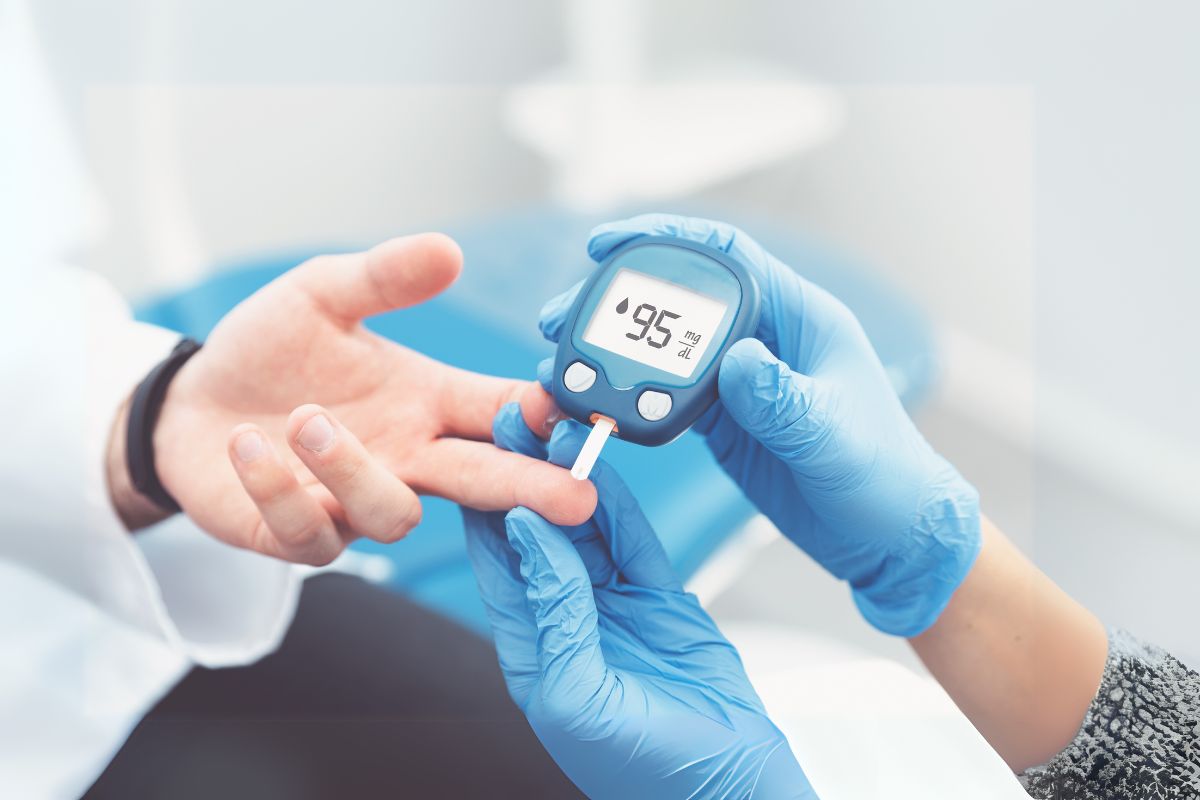
Blood sugar monitoring: Whether through a traditional finger-prick glucose meter or a continuous glucose monitor (CGM), regular monitoring is what tells you and your doctor whether your current plan is actually working. A CGM takes readings automatically throughout the day, offering a much fuller picture than periodic finger-prick checks, and can be especially useful for people on insulin therapy who need to fine-tune their doses.
Diabetes Medications and Insulin
For type 2 diabetes, common medications include:
- Metformin: usually the first medicine prescribed, it reduces how much glucose the liver produces and improves the body’s response to insulin
- GLP-1 receptor agonists: increase how much insulin the body produces after meals and can also support weight loss
- SGLT2 inhibitors: help the kidneys remove extra glucose through urine
For type 1 diabetes and LADA, and for type 2 diabetes when other treatments aren’t enough, insulin therapy is necessary. Insulin comes in several types, based on how quickly and how long they work:
- Rapid-acting: starts working within 15 minutes, lasts 2-4 hours
- Short-acting: starts within 30 minutes, lasts 3-6 hours
- Intermediate-acting: starts within 2-4 hours, lasts 12-18 hours
- Long-acting: starts working after about 2 hours, lasts up to 24 hours
Doctors often combine different types to mimic the body’s natural insulin patterns as closely as possible. Medication and insulin doses should always be adjusted under medical guidance never on your own, even after weeks of good readings.
Complications of Poorly Managed Diabetes
Diabetes was the eighth leading cause of death in the United States as of recent data, largely because persistently high blood sugar slowly damages blood vessels and nerves throughout the body. Left unmanaged, this can lead to:
- Cardiovascular disease, including heart attack and stroke, since damaged blood vessels raise clotting and blockage risk
- Kidney disease, as the kidneys’ filtering structures get damaged by prolonged high glucose exposure
- Nerve damage (neuropathy), often starting as tingling or numbness in the feet
- Diabetic eye problems, including retinopathy, which can progress to vision loss if untreated
- Foot problems, where combined nerve and blood vessel damage raises the risk of infections and slow-healing wounds
- Diabetic ketoacidosis, a dangerous emergency where the body starts breaking down fat for fuel, producing acidic ketones that build up in the blood; this is more common in type 1 diabetes but can occur in other types too
- Hypoglycemia, or dangerously low blood sugar, which can happen with insulin or certain other diabetes medications, causing shakiness, sweating, confusion, and in severe cases, loss of consciousness
Can Diabetes Be Prevented?
Type 1 diabetes and LADA cannot currently be prevented, since they’re autoimmune conditions with causes that aren’t fully understood. Type 2 diabetes and, to some extent, gestational diabetes are a different story.
- Maintain a healthy weight, and aim for gradual, sustainable weight loss if needed
- Stay physically active most days of the week
- Build meals around whole foods, limiting added sugar and refined carbs
- Manage blood pressure and cholesterol alongside blood sugar
- Avoid smoking
- Get tested for prediabetes if you have risk factors, since catching it early makes prevention far more achievable
How HealthPil Can Help
If you have symptoms of diabetes or are struggling to manage your blood sugar, HealthPil can connect you with a qualified diabetologist or endocrinologist for personalized evaluation and medical guidance. A specialist can help assess your blood sugar levels, recommend appropriate testing, and guide you on a treatment plan based on your condition and needs.
When to See a Doctor
If you experience any of these symptoms, it’s important to get your blood sugar checked:
- Persistent thirst or frequent urination
- Unexplained weight loss
- Ongoing fatigue
- Blurred vision
- Slow-healing wounds
If you already have diabetes and are struggling to control your blood sugar, experiencing frequent high or low blood sugar episodes, or noticing signs of complications, speak with a diabetes specialist rather than changing your medication on your own. You can book an online consultation with a qualified diabetologist or endocrinologist through HealthPil for personalized evaluation and a treatment plan based on your condition and blood sugar levels.
Summary
Diabetes isn’t one condition it’s a group of related conditions, each with a different cause and a different answer to the “can it be reversed” question. Type 1 diabetes and LADA are autoimmune and currently permanent, managed effectively with lifelong insulin. Type 2 diabetes, especially caught early, can often be put into genuine remission through weight loss, diet changes, and exercise, though ongoing effort is needed to maintain it.
Left unmanaged, any form of diabetes can lead to serious complications affecting the heart, kidneys, eyes, and nerves, which is why regular monitoring and timely treatment matter regardless of type. If your symptoms or blood sugar numbers are concerning you, book an online consultation with HealthPil to get properly evaluated.
FAQs
Can Type 2 diabetes be completely reversed?
Sometimes, if you lose weight, start working out, and have a wholesome meal, then type 2 diabetes can be put into remission. However, it’s essential to maintain these changes for long-term success.
What is the best diet for managing diabetes?
Diabetes can be controlled best with a balanced diet high in vegetables, lean meats, and healthy fats and low in refined sugars and carbohydrates. Blood sugar levels can be managed by eating foods with a low glycemic index.
Can I live a normal life with diabetes?
Yes! With proper management, including regular exercise, a healthy diet, and medication, individuals with diabetes can live long, healthy lives.
How many times should my blood sugar be checked?
Your diabetes type and treatment plan will decide when you need to have your blood sugar checked. Your doctor will guide you on how often you should test your blood glucose levels.
Are there any complications from uncontrolled diabetes?
Uncontrolled diabetes can have serious complications, including heart disease, kidney failure, nerve damage, and vision problems.
References
- Diabetes Reversal – Clinical Review. Available at:
PubMed - Diabetes Remission and Reversal. Available at:
PMC
Disclaimer:
The information provided in this article is for educational purposes only and is not intended to serve as medical advice. Always consult a qualified doctor for proper diagnosis and treatment. HealthPil can help in connecting you to specialists for your condition.

Read our editorial policy