

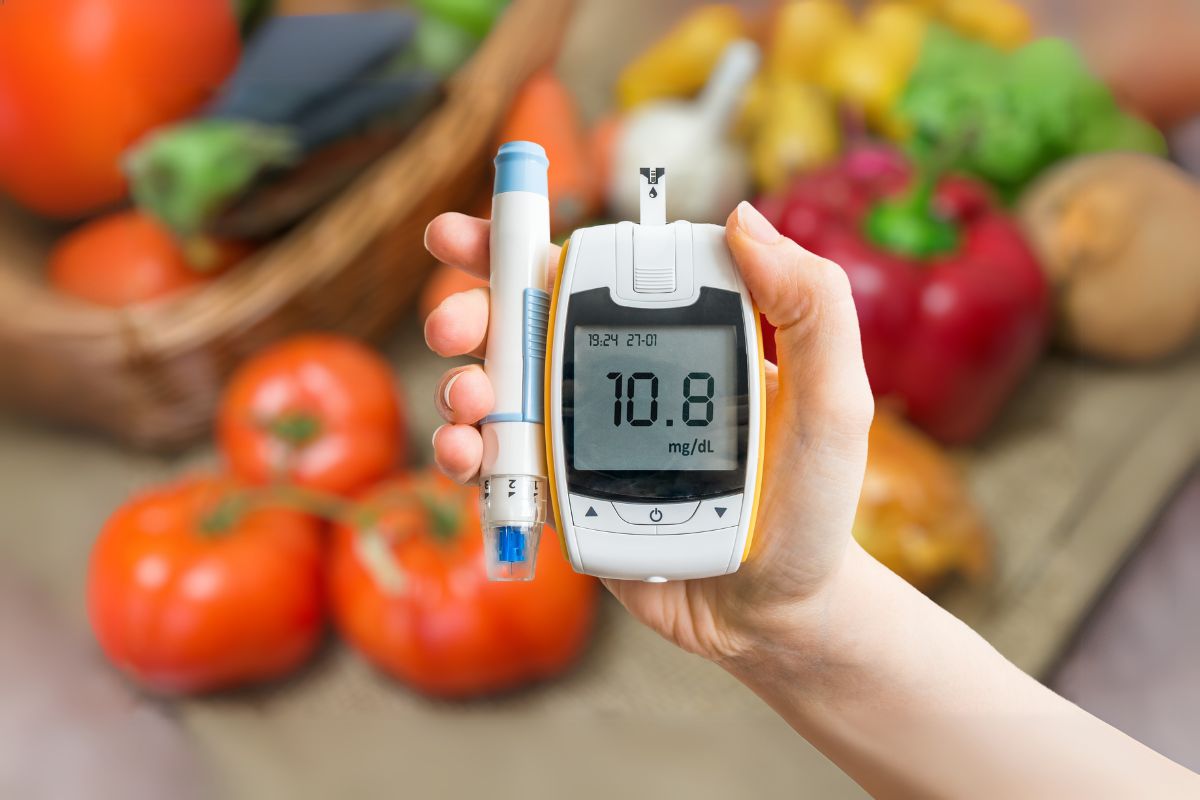
You’ve probably heard someone say it with full confidence “maine apna diabetes reverse kar liya.” And then you’ve probably heard a doctor roll their eyes at the same claim. So who is right?
The honest answer sits somewhere in the middle. Type 2 diabetes reversal is real, but it is not magic, and it does not work the same way for everyone. This guide breaks down what the science actually says, why it works for some people and not others, and what you can realistically do about it.
What Is Type 2 Diabetes, and Why Does It Happen?
Type 2 diabetes is a condition where your body cannot keep blood sugar levels where they should be. Here’s the mechanism behind it: insulin is a hormone made by your pancreas, and its job is to unlock your cells so glucose can move out of your blood and into the cells, where it gets used as fuel. In type 2 diabetes, your cells stop responding to insulin properly doctors call this insulin resistance.
Because the cells resist the signal, glucose stays stuck in your bloodstream instead of moving where it’s needed. Your pancreas tries to compensate by pumping out more insulin, and over years, this overwork can tire it out, so it slowly makes less insulin too. That’s how high blood sugar becomes a worsening problem instead of a one-time spike.
Type 1 vs Type 2 Diabetes
- Type 1 diabetes: An autoimmune condition. The immune system attacks and destroys the insulin-making cells in the pancreas. A person with type 1 makes little to no insulin at all and needs insulin injections for life, usually starting in childhood or early adulthood.
- Type 2 diabetes: The pancreas still makes insulin, at least at first. The real problem is that the body’s cells don’t respond to it well. It develops slowly, over years, and is closely tied to weight, diet, and activity, though genetics plays a role too.
This difference matters for reversal. You cannot reverse a condition where the insulin-making cells are already destroyed. Type 2 diabetes reversal is only possible because, in many cases, the insulin-making machinery is still there it’s the response to insulin that needs fixing.
What About Prediabetes?
Prediabetes sits between healthy blood sugar and full type 2 diabetes:
- Fasting blood sugar: 100–125 mg/dL
- HbA1c: 5.7%–6.4%
This stage matters because it’s your best window to act. Weight loss and lifestyle changes at the prediabetes stage can often stop type 2 diabetes from developing at all.
What Causes Type 2 Diabetes?
There’s rarely a single cause usually a mix of the following, working together over time:
- Excess weight, especially around the waist fat near the liver and pancreas directly interferes with how well insulin works
- Sedentary lifestyle — unused muscles become less efficient at pulling glucose out of the blood
- Family history — having a parent or sibling with type 2 diabetes raises your own risk
- Age over 45 — risk climbs noticeably with age
- Ethnic background — South Asian, African-American, Latino, and Pacific Islander populations carry higher genetic predisposition
- Gestational diabetes or PCOS — both raise a woman’s lifetime risk
- Chronic stress or poor sleep — can quietly push blood sugar up over time
Symptoms of Type 2 Diabetes
Type 2 diabetes tends to creep in quietly. Many people live with it for years before diagnosis because the symptoms feel like ordinary tiredness or ageing.
Watch for:
- Constant thirst that doesn’t go away
- Frequent urination, especially at night
- Tiredness that doesn’t lift even after rest
- Blurred vision
- Cuts or wounds that take unusually long to heal
- Frequent infections
- Unexplained weight loss
- Darkened skin around the neck, armpits, or groin (called acanthosis nigricans, caused directly by high insulin levels)
It also helps to know what a blood sugar swing feels like, since sugar can go too low as well as too high, especially once someone starts medication.
- Low blood sugar (hypoglycemia): shakiness, sudden sweating, fast heartbeat, hunger, dizziness, irritability
- High blood sugar (hyperglycemia): thirst, fatigue, blurred vision, frequent urination
Knowing the difference matters, because the two need very different immediate responses.
Busting the Biggest Myths About Diabetes Reversal
Myth: Reversal means you are cured forever.
Not quite. What most people call “reversal” is medically known as remission blood sugar returns to a non-diabetic range and stays there for at least three months, without medication. But the underlying tendency toward insulin resistance doesn’t disappear. If weight is regained or old habits creep back, blood sugar can rise again.
Myth: Only extreme diets can reverse diabetes.
Not true. Losing even 5% to 10% of body weight can meaningfully improve insulin sensitivity and blood sugar control. You don’t need a drastic transformation to see real change.
Myth: Needing medication means you’ve failed.
This is one of the most damaging myths out there. Medication is a tool, not a punishment. Some people’s pancreas and insulin resistance need extra support, and that has nothing to do with effort or willpower.
Myth: Reversal works the same for everyone.
It doesn’t. People who achieve remission most often share a few traits diagnosed more recently, achieved significant and sustained weight loss, and still had reasonably good pancreatic function at diagnosis. Someone who’s had high blood sugar for fifteen years has a much harder road to remission than someone diagnosed last year.
How Is Type 2 Diabetes Diagnosed?
- Fasting blood glucose test: checks sugar after not eating for hours; above 125 mg/dL points to diabetes
- Random blood glucose test: no fasting needed; above 200 mg/dL is diagnostic
- HbA1c test: estimates average blood sugar over the past two to three months rather than a single moment, giving doctors a bigger-picture view; above 6.5% confirms diabetes, 5.7%–6.4% points to prediabetes
Can Type 2 Diabetes Actually Be Reversed?
Yes, for many people but with an important caveat: what’s achieved is remission, not a permanent cure. When someone loses a meaningful amount of weight, especially the fat stored around the liver and pancreas, insulin sensitivity genuinely improves. Regular activity adds to this by making muscle tissue more efficient at absorbing glucose, so less insulin is needed to do the same job.
Some research also points to the gut microbiome playing a role a healthier balance of gut bacteria, supported by fibre-rich foods, probiotics, and prebiotics, appears to improve how the body handles blood sugar, though this area is still being studied.
Complete reversal, where blood sugar stays normal indefinitely without any further effort, is rare. What’s far more common and still genuinely valuable is remission that lasts as long as the lifestyle changes are maintained.
How to Manage or Work Toward Reversing Type 2 Diabetes
Diet: Cut down on refined sugar and processed carbs. Build meals around vegetables, whole grains like oats and brown rice, lean protein, and healthy fats such as nuts and olive oil. Low-carb and low-calorie approaches have both shown strong results, but no single diet works identically for everyone work with a doctor or dietitian to find what fits your life.
Exercise: Aim for around 150 minutes of moderate activity a week brisk walking, cycling, swimming plus some strength training. Exercise makes your muscles pull glucose out of the blood more efficiently, and this effect lasts around two to three days after a single session, which is why consistency matters more than intensity.
Weight loss: Even a 5% to 10% drop in body weight often shows up as real improvement in fasting blood sugar and insulin sensitivity. Crash diets rarely hold up long-term.
Intermittent fasting: Some studies suggest structured fasting periods can reduce fat stored in the liver and pancreas, improving insulin sensitivity. This isn’t right for everyone, especially those already on blood-sugar-lowering medication, so it needs medical supervision.
Medication, when your doctor recommends it:
- Metformin — usually the first medicine prescribed; tells the liver to stop overproducing glucose
- GLP-1 agonists — slow digestion and help you feel full sooner
- SGLT2 inhibitors — help the kidneys flush out extra glucose through urine
- Metabolic/bariatric surgery — an option for significant obesity; research shows it can lead to remission in a meaningful number of cases
Care team: Managing type 2 diabetes well usually works best with more than one professional — your regular doctor, an endocrinologist for hormone-specific guidance, a dietitian for nutrition, and a diabetes educator for day-to-day monitoring support.
Can You Stop Diabetes Medication After Remission?
Some people do reach a point where their doctor reduces or stops medication, but this decision should never be made alone. Your doctor will look at blood sugar trends, HbA1c, how long you’ve had diabetes, and overall health before deciding it’s safe to cut back.
Stopping medication on your own, even after weeks of great readings, can cause a dangerous rebound. Regular monitoring stays important even after remission, since diabetes can return quietly if old patterns creep back in.
What Happens If Type 2 Diabetes Is Left Untreated?
When blood sugar stays high for years without proper management, the excess glucose slowly damages blood vessels and nerves throughout the body. This is why untreated diabetes is linked to:
- Heart disease — damaged blood vessels raise the risk of heart attacks and stroke
- Kidney disease — the kidneys’ filtering vessels get damaged over time, potentially leading to kidney failure
- Diabetic eye disease — small blood vessels in the eyes are especially vulnerable, making diabetic retinopathy a leading cause of vision loss
- Nerve damage (neuropathy) — often shows up first as tingling or numbness in the feet, and can lead to wounds that don’t heal properly
- Diabetic ketoacidosis — a dangerous emergency that can happen when blood sugar spikes extremely high, suddenly
Living with diabetes can also affect mental health the day-to-day burden of managing the condition is linked to higher rates of anxiety and depression, which is worth mentioning to your doctor if it’s affecting you.
Can Type 2 Diabetes Be Prevented?
This might be the most encouraging part of the whole picture. Unlike type 1 diabetes, type 2 diabetes can often be delayed or prevented entirely, especially if caught at the prediabetes stage. One large, well-known study called the Diabetes Prevention Program found that people who made consistent diet and exercise changes lowered their risk of developing diabetes by 58%.
People over 60 saw even bigger benefits, cutting their risk by 71%. For comparison, people who took the medication metformin for prevention only reduced their risk by 31% proof that lifestyle changes, while harder, are genuinely more powerful here than a pill alone.
Practical steps that lower your risk:
- Reach and maintain a healthy weight
- Stay physically active most days of the week
- Eat a diet built around whole foods rather than processed ones
- Don’t smoke
- Keep alcohol intake moderate
If you already have prediabetes, these same steps can be the difference between staying there and progressing to full type 2 diabetes.
How HealthPil Can Help
If you have symptoms of Type 2 diabetes, difficulty controlling your blood sugar, or want guidance on working toward remission, HealthPil can connect you with a qualified diabetologist or endocrinologist for personalized medical advice.
When to See a Doctor
Do not wait out symptoms like constant thirst, frequent urination, unexplained fatigue, blurred vision, or wounds that heal slowly. These deserve a proper blood sugar test, not guesswork. If you already have type 2 diabetes and you’re struggling to control your blood sugar, thinking about reducing medication, or want a clearer plan for weight loss and remission, speak with a specialist before making changes on your own.
Book an online consultation with a qualified diabetologist or endocrinologist through HealthPil for guidance built around your specific numbers, history, and goals.
Summary
Type 2 diabetes happens when your cells stop responding well to insulin, letting sugar build up in the blood instead of being used for energy. Reversal, more accurately called remission, is genuinely possible for many people through sustained weight loss, a better diet, and regular exercise but it’s not guaranteed, and it’s not permanent without continued effort.
Left unmanaged, high blood sugar quietly damages the heart, kidneys, eyes, and nerves over time. The good news: both prevention and remission are backed by strong evidence, and small, consistent changes tend to outperform extreme, short-lived ones. If your symptoms or blood sugar numbers are worrying you, book an online consultation with HealthPil to get a plan built around you.
FAQ Section:
1. Can type 2 diabetes really be reversed?
For many people, yes, in the sense of remission blood sugar returns to a non-diabetic range without medication. Complete, permanent reversal is rare, and remission needs to be maintained through ongoing healthy habits.
2. How much weight loss is needed to reverse type 2 diabetes?
Losing 5% to 10% of your body weight is often enough to significantly improve insulin sensitivity and blood sugar control, though more sustained weight loss tends to improve the odds of full remission.
3. Can diabetes be managed without medication?
Some people manage it through diet, exercise, and weight loss alone, especially if diagnosed early. Others need medication alongside lifestyle changes, and that is not a sign of failure.
4. What is the difference between diabetes remission and a cure?
Remission means blood sugar has returned to normal without medication for at least three months. A cure would mean the condition never returns, which is not currently considered accurate for type 2 diabetes, since blood sugar can rise again if habits change.
5. Can prediabetes be reversed?
Yes, and it is often easier to reverse than full type 2 diabetes. Weight loss and lifestyle changes at the prediabetes stage can frequently bring blood sugar back to a healthy range and prevent progression.
6. What foods should I avoid with type 2 diabetes?
Highly processed foods, sugary drinks, refined white bread, pastries, and foods high in added sugar tend to spike blood sugar quickly and should be limited.
References
- Galicia-Garcia U, Benito-Vicente A, Jebari S, et al. Pathophysiology of Type 2 Diabetes Mellitus. Available at:
PubMed - Goyal R, Singhal M, Jialal I. Type 2 Diabetes. StatPearls Publishing. Available at:
NCBI Bookshelf

Read our editorial policy