

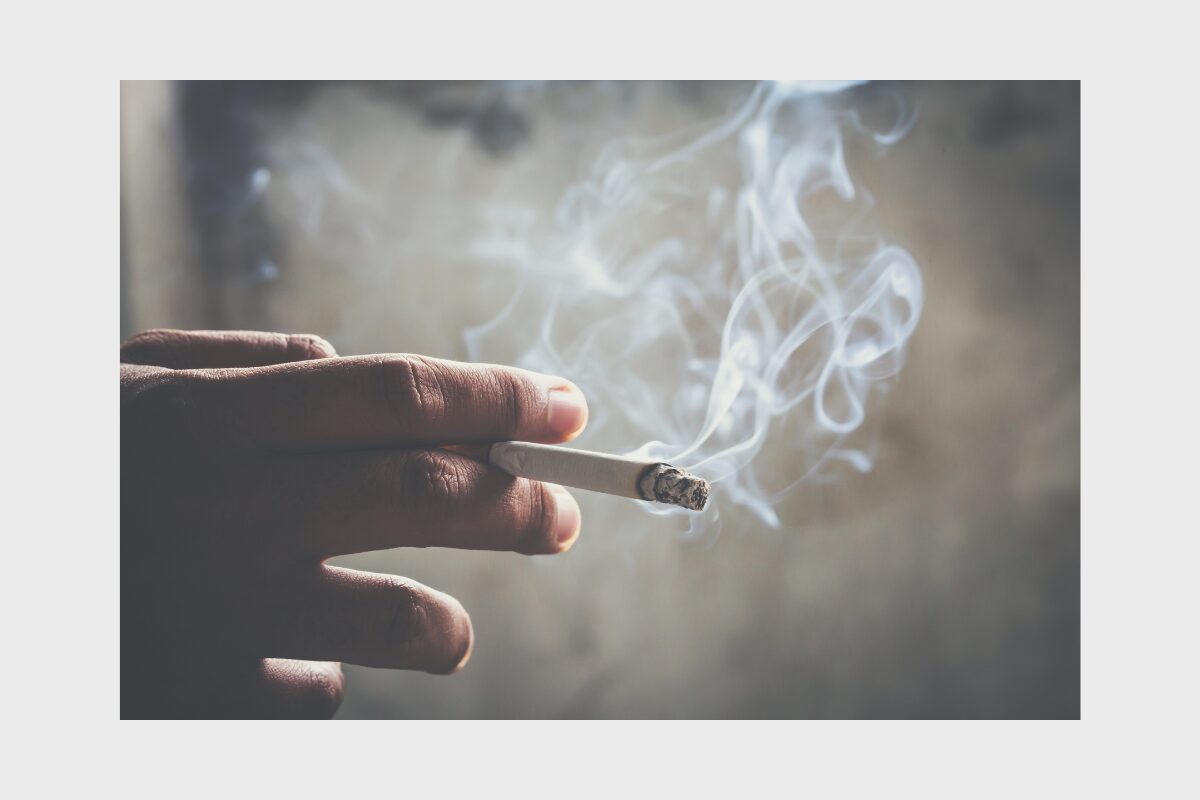
Smoking is one of the hardest addictions to break not because people lack willpower, but because nicotine physically changes the brain. Every cigarette delivers nicotine to the brain within seconds, triggering a dopamine release that creates a brief sense of calm and focus. Over time, the brain stops producing that calm on its own. It waits for the cigarette instead.
This is why stop smoking attempts so often fail within the first few weeks. The problem isn’t motivation it’s biology. And biology needs more than just a decision to change.
This article covers everything that actually works for smoking cessation from nicotine replacement therapy and quit smoking medication to natural methods, withdrawal timelines, and when to seek professional help. Whether you want to quit smoking fast or take a gradual approach, the right combination of tools makes the difference between one more failed attempt and a genuinely smoke-free life.
Why Quitting Smoking Feels So Difficult
Nicotine addiction works differently from most addictions. Nicotine reaches the brain within 7-10 seconds of a puff faster than almost any other substance. It triggers dopamine, creates a feeling of focus and calm, and the brain learns to associate specific situations morning tea, a stressful meeting, finishing a meal with that chemical reward.
When smoking stops, nicotine withdrawal symptoms begin. The brain, accustomed to external dopamine triggers, struggles to regulate mood on its own. The result: irritability, anxiety, difficulty concentrating, restlessness, and cravings that feel almost physical in their intensity.
Understanding this is not an excuse it’s the foundation for choosing the right quit-smoking help rather than relying on willpower alone.
Health Risks of Smoking
Smoking side effects accumulate silently over years before becoming visible damage:
- Smoking and lung cancer smoking causes approximately 85% of all lung cancer cases. The risk increases with every year of smoking and every cigarette per day
- Smoking and COPD chronic obstructive pulmonary disease is almost exclusively a smoking-related disease. Progressive, irreversible, and debilitating
- Smoking and heart disease nicotine and carbon monoxide damage blood vessels, accelerate atherosclerosis, and significantly increase heart attack and stroke risk
- High blood pressure smoking raises blood pressure acutely with every cigarette
- Smoking damage to immunity smokers heal more slowly, get more infections, and respond worse to treatment across almost every medical condition
- Smoking-related diseases extend to pancreatic cancer, bladder cancer, kidney cancer, mouth cancer, and oesophageal cancer
Tobacco health risks don’t discriminate light smokers, occasional smokers, and long-term heavy smokers all face significantly elevated risk compared to non-smokers.
Benefits of Quitting Smoking
What happens when you quit smoking is one of the most compelling arguments for stopping. The body begins recovering faster than most people expect:
- After 20 minutes Heart rate and blood pressure begin to drop toward normal levels.
- After 24 hours Carbon monoxide leaves the bloodstream. Oxygen levels improve. The risk of a heart attack begins to decrease.
- After 48-72 hours Nicotine is almost entirely out of the body. Taste and smell begin to improve. This is typically when nicotine withdrawal symptoms peak.
- After 2-4 weeks Breathing becomes easier. Lung function starts improving. Energy levels increase as circulation improves.
- After 1 year Heart disease risk is cut by approximately half compared to continuing smokers.
- After 10 years Lung cancer risk reduces to close to that of a non-smoker. Lung recovery after smoking continues throughout this period.
The smoking recovery timeline is real, documented, and begins within hours of the last cigarette.
Evidence-Based Methods That Help People Quit Smoking
Nicotine Replacement Therapy (NRT) NRT is the most widely used and most accessible smoking cessation treatment. It provides controlled, low doses of nicotine without the tar, carbon monoxide, and carcinogens in cigarettes reducing the intensity of nicotine withdrawal symptoms while the brain gradually adjusts.
Options include:
- Nicotine patch worn on the skin, delivers a steady low dose throughout the day. Best for people who smoke consistently throughout the day
- Nicotine gum chewed when cravings hit. Faster-acting than the patch. Used on a scheduled basis or as needed
- Nicotine lozenges dissolve in the mouth. Similar to gum in speed and flexibility
- Nicotine inhalers and sprays fastest-acting NRT options, mimicking the hand-to-mouth habit
Studies consistently show that people using NRT are nearly twice as likely to successfully quit smoking compared to those relying on willpower alone.
Quit Smoking Medication
Two prescription medications have strong evidence for smoking cessation:
- Varenicline for smoking cessation (Champix) Works by partially stimulating nicotine receptors in the brain reducing both cravings and the satisfaction from smoking. One of the most effective single treatments available. Prescribed and monitored by a doctor.
- Bupropion for smoking cessation (Zyban) Originally an antidepressant, Bupropion reduces nicotine cravings and stabilises mood during withdrawal. Particularly useful for people who experience significant anxiety or low mood when trying to quit. Available on prescription.
- Both medications are significantly more effective when combined with behavioural support.
- Behavioural Therapy for Smoking Nicotine addiction is not purely physical it’s deeply habitual and emotional. Smoking cessation counselling identifies the specific triggers stress, social situations, boredom, certain times of day and builds alternative responses. Evidence from multiple Cochrane reviews shows that combining medication with counselling triples long-term quit rates compared to medication alone.
- Tobacco De-Addiction Treatment Programs Structured smoking cessation programs through hospitals, clinics, or digital platforms combine assessment, medication, counselling, and follow-up in a coordinated plan. More effective than any single intervention in isolation.
- Gradual Reduction For people who find abrupt stopping too difficult, a structured plan of gradual cigarette reduction under medical supervision reduces withdrawal discomfort and builds confidence over time.
Natural and At-Home Approaches That Help You Quit Smoking
For those who prefer to start with natural methods or who want to support a medically guided quit attempt these approaches are backed by WHO and India’s National Tobacco Control Programme:
- Create a clear quit plan Set a quit date within the next two weeks. Remove all cigarettes, lighters, and ashtrays from the home and car. Tell family and close friends social accountability significantly improves outcomes. List known triggers morning tea, stress, meals, alcohol and decide in advance what you’ll do instead.
- Manage cravings smartly Individual cravings are intense but brief typically 3-5 minutes. When a craving hits, delay. Take a short walk, drink a glass of cold water, do five minutes of stretching. Mindfulness, meditation, and yoga have been shown to reduce relapse risk by approximately 30% (JAMA Internal Medicine, 2019).
- Support your body through diet Nicotine leaves the body through urine staying well hydrated speeds this process. Foods high in vitamin C oranges, amla, lemon help reduce oxidative stress from smoking damage. Magnesium and omega-3-rich foods nuts, flaxseeds, fatty fish support mood stability during withdrawal. Limit caffeine and alcohol, both of which trigger cravings and reduce resolve.
- Replace the hand-to-mouth habit Much of the difficulty in quitting is the physical habit reaching for something, holding it, the mouth involvement. Replace cigarettes with fennel seeds, cloves, sugar-free gum, mint leaves, or carrot sticks. Cold water sipped slowly calms throat irritation and reduces the urge. These substitutions are specifically endorsed by global cessation programs for light and moderate smokers.
- Stay physically active Exercise to improve lung health is one of the most effective natural tools for quitting. Physical activity boosts dopamine naturally reducing the gap left by nicotine withdrawal. Even a 10-minute brisk walk cuts craving intensity by roughly half. Regular activity also accelerates lung recovery after smoking.
- Track progress Keep a diary or use a quit-smoking app to record each craving, each smoke-free day, and each milestone. Progress tracking helps identify triggers and provides visible evidence of improvement during the difficult early weeks.
- Sleep Nicotine disrupts sleep architecture. Maintain a consistent sleep schedule, avoid screens before bed, and limit caffeine after afternoon. Quality sleep helps the brain regulate mood and reduces the emotional instability that makes smoking cessation so hard in the first month.
Smoking Withdrawal Symptoms and Timeline
- First 24 hours Cravings, irritability, anxiety, difficulty concentrating. The physical nicotine withdrawal symptoms begin as nicotine clears the bloodstream.
- First week Peak withdrawal. Headaches, mood swings, sleep disturbances, intense cravings. This is the hardest period and where most relapses occur.
- First month Physical symptoms ease. Lung function begins visibly improving. Energy levels improve. Cravings become less frequent, though triggers can still produce strong urges.
- Long-term recovery Cravings reduce to occasional and manageable. Lung health after smoking continues improving. Most tobacco health risk reduction occurs over this period.
Scientific Evidence Behind These Methods
Intervention | Effect | Source |
Behavioural therapy + medication | Triples quit rate | Cochrane Review, 2022 |
Physical activity | Reduces craving and stress | CDC, WHO |
Mindfulness and yoga | 30% lower relapse rate | JAMA Internal Medicine, 2019 |
Vitamin C-rich foods | Reduced craving severity | Nutrients Journal, 2021 |
When Should You Seek Professional Help?
Some quit attempts genuinely need medical support not just motivation. See a doctor for smoking cessation support if:
- You have tried multiple times and relapsed within weeks
- Withdrawal symptoms are severe enough to affect daily functioning
- You have COPD, asthma, heart disease, or other smoking-related diseases
- You are experiencing significant anxiety or depression after stopping
- You want prescription medication varenicline or bupropion under proper supervision
Seek immediate medical attention if you experience:
- Severe chest pain
- Significant difficulty breathing
- Extreme anxiety or depression
- Rapid or irregular heartbeat
- Any symptoms suggesting a heart attack or stroke
Tips to Stay Smoke-Free Forever
- Avoid the specific situations where cravings are strongest at least in the first few months
- Stay physically active the dopamine benefit is ongoing
- Build a support system that knows you’re quitting and checks in
- Mark milestones and reward yourself with money saved from not buying cigarettes if nothing else
- Use quit-smoking apps to track smoke-free days and health improvements
- If a relapse happens treat it as information, not failure. Note the trigger and plan for it next time
When Should You See a Doctor?
Don’t wait until a quit attempt fails before involving a doctor. A smoking cessation specialist or pulmonologist can assess your level of nicotine dependence, recommend the right medication and NRT combination, and provide structured smoking cessation counselling all before you start.
Book an online consultation for smoking cessation through HealthPil quit smoking doctor online, smoking addiction counselling online, and teleconsultation for quit smoking without travelling to a clinic. Access to a tobacco addiction specialist or pulmonologist for smoking addiction from home, when it’s convenient for you.
How HealthPil Can Help
HealthPil connects you with experienced pulmonologists, smoking cessation specialists, and counsellors who provide structured tobacco de-addiction treatment from initial assessment through medication management, behavioural counselling, and relapse prevention.
Whether you prefer a gradual reduction approach or want to stop completely with medical support, HealthPil’s smoking cessation program combines clinical expertise with ongoing motivation. Online consultation for smoking cessation is available from home no clinic visit required to get started.
Summary
Nicotine addiction is a brain-level dependency, not weak willpower. Quitting works best when it combines nicotine replacement therapy, prescription medication, and behavioural support not willpower alone.
Withdrawal peaks in the first week and eases within a month. Lung and heart health keep improving for years after. For structured support, book an online consultation for smoking cessation through HealthPil today.
FAQs
What is the most effective way to quit smoking?
The most effective way to quit smoking is a combination of nicotine replacement therapy (NRT), behavioural counselling, lifestyle changes, and professional support. Studies show that combining medication with counselling significantly increases the chances of long-term success.
How long do nicotine withdrawal symptoms last?
Nicotine withdrawal symptoms usually begin within a few hours of quitting, peak during the first week, and gradually improve within 2–4 weeks. However, psychological cravings may continue for several months.
What happens to your body after quitting smoking?
Within 20 minutes, heart rate and blood pressure begin to improve. Within 24 hours, carbon monoxide levels decrease. Over the following months and years, lung function improves, and the risks of heart disease, stroke, COPD, and lung cancer decrease significantly.
Can I quit smoking naturally without medication?
Yes, some people successfully quit smoking through lifestyle changes, exercise, mindfulness, healthy eating, support groups, and avoiding triggers. However, people with strong nicotine dependence may benefit from medical support or nicotine replacement therapy.
When should I consult a doctor for smoking cessation?
You should consult a doctor if you have tried quitting multiple times without success, experience severe withdrawal symptoms, have underlying conditions such as COPD, asthma, or heart disease, or need help with medications and a personalised quit-smoking plan.
References
- McMahon K, Conners GP, Mohseni M. Pediatric Foreign Body Ingestion. StatPearls Publishing. Available at:
NCBI Bookshelf - Black RE, Johnson DG, Matlak ME. Bronchoscopic Removal of Aspirated Foreign Bodies in Children. Available at:
PubMed

Read our editorial policy