

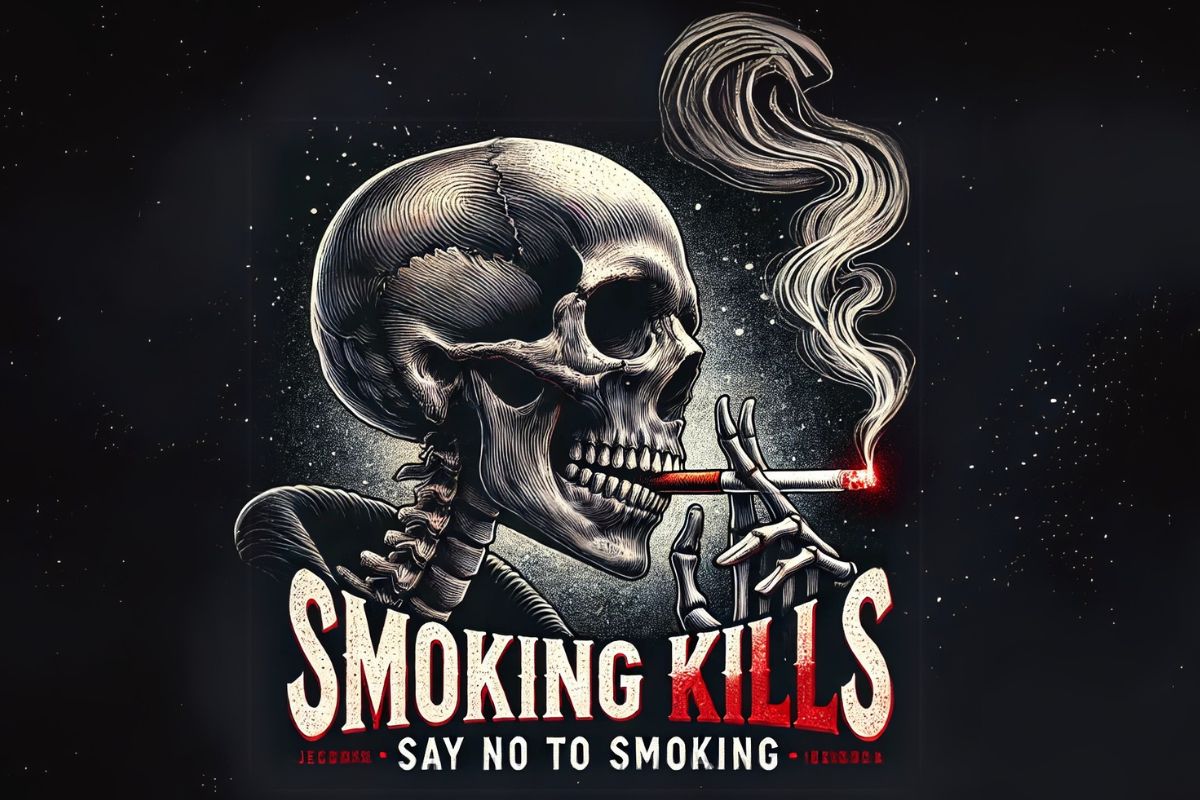
One cigarette feels like nothing. Just a quick break. Just one to get through the stress. Just one more.
But those “just one mores” add up. Quietly, slowly, they damage your lungs, strain your heart, and shorten your life in ways you don’t notice until the damage is already done.
Quitting smoking is hard. Nobody pretends it isn’t. But it is also one of the most powerful things you can do for your health at any age, at any stage, no matter how long you’ve been smoking.
This blog covers why smoking is so harmful, what happens to your body when you stop, how to deal with cravings and withdrawal, and the practical steps that actually help people quit for good.
Why Is Smoking So Harmful?
Smoking doesn’t just affect the lungs. It damages nearly every organ in the body over time.
- Lungs smoking destroys the tiny air sacs that move oxygen into the blood. Over years, this leads to COPD and lung cancer. Smokers cough more, breathe harder, and tire faster because their lungs are working with permanent damage.
- Heart smoking raises blood pressure, hardens the arteries, and increases cholesterol. It significantly raises the risk of heart attack and stroke. Many heart attacks happen in people who never knew smoking was slowly destroying their cardiovascular system.
- Cancer smoking is linked to cancers of the lung, mouth, throat, oesophagus, bladder, kidney, and more. Lung cancer is one of the deadliest cancers, and smoking causes the vast majority of cases.
- Immune system smoking weakens the body’s natural defences. Smokers get sick more often, recover more slowly, and are more vulnerable to respiratory infections.
- Skin and ageing smoking reduces oxygen flow to the skin. This causes premature wrinkles, dull skin, and faster visible ageing. Smokers often look older than they are.
What Happens to Your Body When You Quit?
This is the part most people don’t know. The body starts healing the moment you stop.
- 20 minutes after quitting — Heart rate and blood pressure begin to drop. The cardiovascular system starts recovering almost immediately.
- 12 hours after — Carbon monoxide levels in the blood return to normal. Cells start getting more oxygen.
- 24 to 48 hours after — Taste and smell start improving as damaged nerve endings begin to regenerate. The risk of a heart attack starts to decline.
- 1 week smoke-free — Breathing improves as the airways relax and start clearing out mucus. Energy levels begin to increase.
- 2 weeks to 3 months — Lung function improves. The persistent cough starts to ease. Breathing becomes a little easier. Physical activity feels less of a struggle.
- 1 month smoke-free — Coughing and breathlessness reduce noticeably. Skin tone starts improving too, thanks to better blood flow.
- 3 to 9 months — Cilia — tiny hair-like structures inside the lungs that sweep out mucus and dust — begin to regrow. This reduces the risk of infection and helps the lungs clear themselves more effectively.
- 1 year smoke-free — The risk of heart disease drops to half of what it was when smoking.
- 5 years — Stroke risk falls to the same level as someone who has never smoked.
- 10 years — The risk of lung cancer is cut by 50 percent.
- 15 years smoke-free — Heart disease risk becomes the same as someone who has never smoked at all.
Every single day without a cigarette is the body healing itself. The longer you go, the greater the benefit.
Nicotine Withdrawal What to Expect
Nicotine is highly addictive. When you stop smoking, the body misses it. The discomfort this creates is called nicotine withdrawal and it’s real, it’s temporary, and it passes.
Common withdrawal symptoms include:
- Strong cravings for cigarettes — these are the most intense in the first 3 to 5 days and gradually become less frequent and less powerful over the following weeks.
- Irritability and mood swings — feeling snappy or short-tempered is very common in the first week. It’s the brain adjusting to functioning without nicotine.
- Anxiety and restlessness — a sense of unease or inability to settle. This usually eases within 2 weeks.
- Difficulty concentrating — the brain feels foggy for a while. This improves as the body adjusts.
- Trouble sleeping — sleep can be disrupted early on. It gets better.
- Increased appetite — many people feel hungrier when they stop smoking. This is normal. Having healthy snacks ready helps manage this.
- Headaches and fatigue — common in the first few days as the body detoxes.
- Increased coughing — this can feel worse before it gets better. It’s actually a good sign your lungs are clearing out mucus and toxins that built up over years of smoking. Staying hydrated and warm drinks like tea with honey help soothe this.
These symptoms feel overwhelming in the moment. But they are temporary. Understanding that withdrawal is a normal part of quitting not a sign that something is wrong makes it much easier to push through.
Common Smoking Triggers and How to Handle Them
Most people don’t just smoke randomly. Smoking becomes tied to specific situations, feelings, and habits. These are called triggers. Knowing your triggers is one of the most practical things you can do to prepare for quitting.
- Stress and anxiety for many smokers, a cigarette feels like a stress reliever. When you quit, stress doesn’t disappear but the cigarette does. Replace it with deep breathing, a short walk, or five minutes away from whatever is stressing you.
- Tea and coffee the morning chai with a cigarette. The coffee break smoke. These associations are strong. Changing the routine helps drink your tea somewhere you wouldn’t normally smoke, or swap the routine entirely for a few weeks.
- Social situations being around friends who smoke is one of the hardest triggers. Let them know you’ve quit. Ask for their support. Step away from smoking areas. Most people are more supportive than you expect.
- Boredom or loneliness smoking fills time. When you quit, idle moments can bring cravings. Keep your hands and mind occupied. Walk. Text someone. Do something with your hands.
- Alcohol many people smoke more when they drink. In early quitting, reducing alcohol temporarily genuinely helps.
How to Quit Smoking What Actually Works
- Set a quit date pick a specific day to stop. Write it down. Tell someone. Having a date creates commitment and gives you something concrete to work toward.
- Know your triggers list the situations where you most commonly smoke. Have a plan for each one before the quit date arrives.
- Tell people you’re quitting telling family and friends creates accountability and often brings unexpected support.
- Use nicotine replacement therapy (NRT) NRT gives the body a controlled, much lower dose of nicotine without the thousands of harmful chemicals in cigarette smoke. It significantly reduces cravings and withdrawal symptoms.
- Common NRT options include nicotine patches, nicotine gum, nicotine lozenges, nicotine inhalers, and nicotine nasal sprays. Different people find different options work better. Patches provide steady background nicotine through the day. Gum and lozenges help with sudden strong cravings.
- Prescription medications varenicline and bupropion are medicines prescribed by doctors to help people quit. Varenicline reduces cravings and makes smoking less satisfying. Bupropion helps with mood and withdrawal. These are particularly useful for people who have tried quitting before without success. A doctor can advise which is appropriate.
- Exercise regular physical activity reduces stress, improves mood, and distracts from cravings. Even a 15-minute walk when a craving hits can break it completely.
- Drink more water staying hydrated helps flush nicotine from the body faster and reduces headaches during withdrawal.
- Celebrate milestones one day smoke-free is worth acknowledging. One week is worth celebrating. One month is a real achievement. Reward yourself with something that isn’t a cigarette.
Benefits of Quitting Smoking
- Better breathing lung capacity gradually improves. The morning cough eases. Walking upstairs becomes easier. Physical activity stops feeling like a punishment.
- Stronger heart the risk of heart attack and stroke begins dropping within weeks of quitting. After one year, heart disease risk is cut in half.
- Lower cancer risk the risk of lung cancer and other smoking-related cancers reduces significantly over time. It doesn’t go to zero, but it goes down substantially.
- Better immune system the body becomes more effective at fighting off infections. Smokers who quit get fewer chest infections and recover faster when they do get sick.
- Healthier skin better circulation means better oxygen delivery to the skin. Many people notice clearer skin, fresher breath, and less staining on teeth within months of quitting.
- More money this one is simple. Cigarettes are expensive. Quitting puts that money back in your pocket every single day.
- Longer life people who quit smoking live longer. This is one of the most consistent findings in all of medical research. Quitting at any age adds years.
Quitting Smoking Myths Cleared Up
“It’s too late to quit if I’ve smoked for years.” Not true. The body starts healing the moment you stop at 30, at 50, at 70. It is never too late. The benefits of quitting arrive regardless of how long you’ve smoked.
“I’ll gain too much weight if I quit.” Some people gain a small amount of weight when they stop. This is manageable with a little attention to diet and exercise. The health benefits of quitting far outweigh a few extra kilograms.
“Nicotine replacement therapy is just as harmful as smoking.” No. NRT delivers a small, controlled amount of nicotine without the carbon monoxide, tar, and thousands of toxic chemicals in cigarette smoke. It is a medical aid, not a substitute addiction.
“I’ve tried before and failed so there’s no point trying again.” Most people who successfully quit did so after multiple attempts. Each attempt teaches you something about your triggers and what works for you. A previous attempt that didn’t stick is not failure it is preparation.
When Should You See a Doctor About Quitting?
A doctor can help with quitting not just diagnose the damage. Consider professional support if you have tried quitting multiple times and haven’t managed to stay stopped. If withdrawal symptoms are severe and making daily life very difficult. If smoking is already affecting your breathing or physical activity. If you’re experiencing anxiety or depression while trying to quit. If you want prescription medication like varenicline or bupropion to support the process.
An online consultation through HealthPil means you can speak with a doctor about the right quitting strategy, get a prescription for NRT or medication if appropriate, and get ongoing support all from home.
How HealthPil Can Help
HealthPil connects you with doctors and cessation specialists who can guide a personalised quitting plan, prescribe the right nicotine replacement or medication, and support you through the withdrawal period with practical, honest advice. Quitting smoking is hard. But you don’t have to do it alone. Book your smoking cessation consultation with HealthPil today.
Summary
Smoking damages the lungs, heart, immune system, and skin but the body starts healing within minutes of quitting. Nicotine withdrawal is real but temporary, and knowing your triggers makes it manageable. Nicotine replacement therapy, prescription medications like varenicline, regular exercise, and strong support all improve success rates. The benefits of quitting better breathing, lower cancer risk, stronger heart, healthier skin, and longer life start immediately and keep growing. It is never too late to quit. Every smoke-free day counts.
FAQs
Q1. How long does nicotine withdrawal last?
Withdrawal is usually strongest in the first 3–5 days and improves over the next few weeks. Most people feel much better within a month.
Q2. What happens to my lungs after quitting smoking?
Your lungs start healing within weeks. Coughing and breathlessness improve, and lung function gradually gets better.
Q3. Will I gain weight after quitting smoking?
Some people gain a little weight due to increased appetite, but healthy eating and regular exercise can help manage it.
Q4. Is nicotine replacement therapy (NRT) safe?
Yes. Nicotine patches, gums, and lozenges are safe and help reduce cravings without the harmful chemicals found in cigarettes.
Q5. Is it ever too late to quit smoking?
No. Quitting at any age lowers your risk of heart disease, cancer, and other smoking-related illnesses.
Q6. What triggers smoking cravings?
Common triggers include stress, tea or coffee, alcohol, boredom, and social situations. Identifying your triggers helps you avoid relapse.
Q7. Should I see a doctor to quit smoking?
Yes. A doctor can recommend medications, nicotine replacement therapy, and a personalised quit plan to improve your chances of success.
References
- Cahill K, Lancaster T. Interventions for Smoking Cessation. Available at:
PMC - Onwuzo CN, et al. A Review of Smoking Cessation Interventions: Efficacy, Challenges, and Future Directions. Available at:
PMC
Disclaimer:
This article is for informational purposes only. For personalized advice, consult a healthcare professional. Take control of your health today. Let HealthPil guide you toward a smoke-free life.

Read our editorial policy