

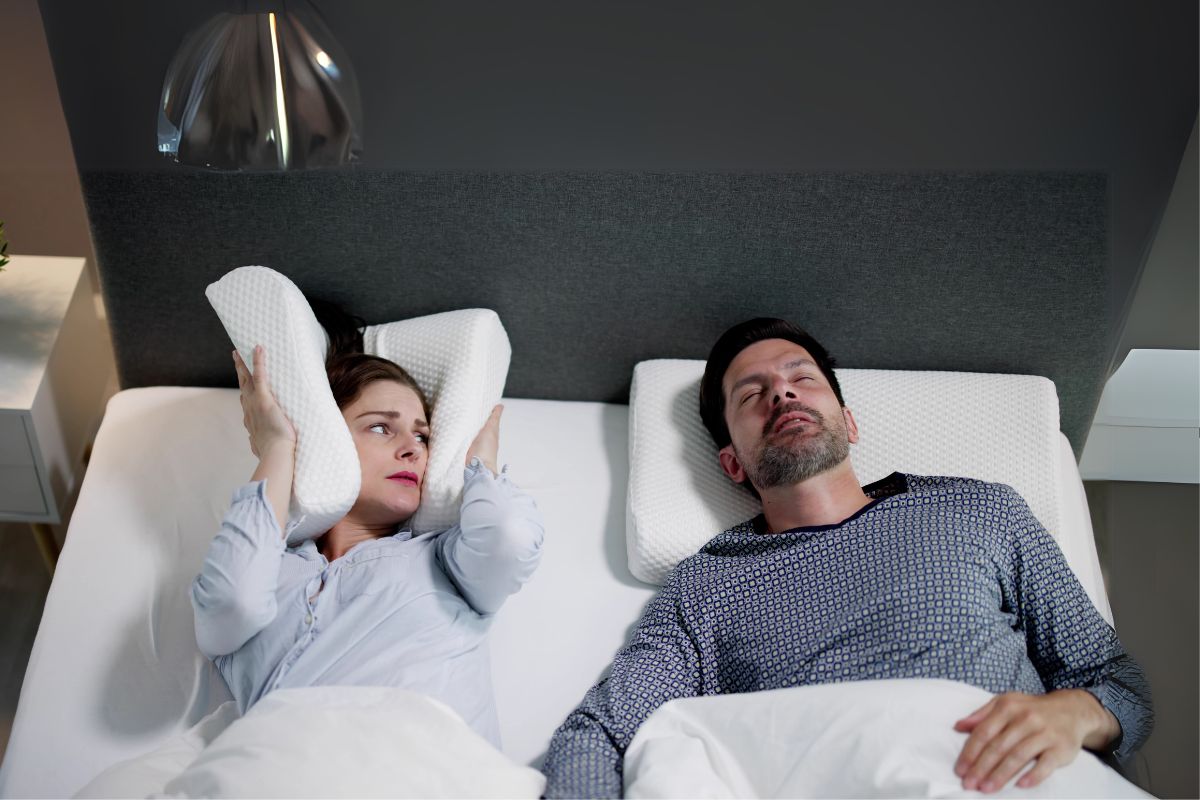
You slept eight hours last night.
So why do you feel like you didn’t sleep at all?
Your head hurts. Your eyes are heavy. Your partner slept in the other room again because the snoring was too loud. By afternoon you’re fighting to stay awake at your desk, in the car, sometimes mid-conversation.
This isn’t just tiredness. This is your body sending a signal.
It could be Obstructive Sleep Apnea. And if it is ignoring it has real consequences.
This blog covers what OSA actually is, what the symptoms look like, why it happens, how it’s diagnosed, what treatment works, and when you need to see a doctor. If any of this sounds familiar, keep reading.
What Is Obstructive Sleep Apnea?
OSA Obstructive Sleep Apnea is a sleep disorder. While you sleep, the muscles at the back of your throat relax too much. The airway collapses. Breathing stops.
Sometimes for seconds. Sometimes for over a minute.
Then the brain panics. It sends an alert. You half-wake up, gasp, start breathing again. You probably don’t remember any of this. But it’s happening sometimes dozens of times every single hour.
The result? You spend eight hours in bed and wake up exhausted. Because your body never actually rested. The sleep cycle kept getting broken all night long.
OSA isn’t just loud snoring. It’s a medical condition. And left untreated, it causes serious damage to the heart, brain, and blood sugar over time.
Types of Sleep Apnea
There are three types. But OSA is by far the most common.
- Obstructive Sleep Apnea the airway gets physically blocked. Throat muscles collapse. This is what most people have.
- Central Sleep Apnea the airway isn’t blocked. The brain just stops sending signals to the breathing muscles. Less common.
- Complex Sleep Apnea Syndrome a combination of both.
Everything in this blog is focused on OSA because that’s what the vast majority of people are dealing with.
Symptoms What OSA Actually Feels Like
Many people with obstructive sleep apnea have no idea they stop breathing at night. Their partner knows. Their body knows. But they don’t.
Here’s what to watch for:
- Loud snoring not occasional snoring. Chronic snoring that’s heavy, disruptive, and happens every night. This is usually the first sign someone notices. Not all snoring means OSA but loud persistent snoring is always worth investigating.
- Gasping or choking during sleep suddenly waking with a gasp or a choking sensation. The brain forcing the body to breathe again. Many people with OSA do this repeatedly and have no memory of it.
- Interrupted breathing during sleep if someone watches you sleep, they’ll see it. Breathing stops. The chest goes still. Then a sudden noisy gasp. This is classic obstructive sleep apnea.
- Excessive daytime sleepiness not just feeling tired. Genuinely fighting sleep during the day. Nodding off while reading, watching TV, or driving. This is one of the most dangerous symptoms because it affects safety directly.
- Morning headaches waking up with a dull headache that gradually fades. Happens because oxygen levels drop repeatedly overnight.
- Restless sleep and poor sleep quality waking frequently, feeling like you never reach deep sleep, moving around a lot.
- Daytime fatigue a heavy exhaustion that doesn’t match how many hours you slept. It doesn’t go away with coffee. It doesn’t go away with rest. It just stays.
- Irritability and mood changes people living with untreated sleep apnea are often described as short-tempered, anxious, or low. Not because of their personality. Because their brain hasn’t had proper rest in months or years.
What Causes OSA?
The airway collapses when the throat muscles relax too much. Several things make that more likely.
- Obesity and sleep apnea the strongest link. Extra fat around the neck and throat physically narrows the airway. Losing even a small amount of weight makes a measurable difference. This relationship works both ways too poor sleep from OSA disrupts hunger hormones, often increasing cravings for high-calorie food, which can lead to further weight gain. It becomes a cycle that’s hard to break without treatment.
- Anatomy the shape of your jaw, tongue, tonsils, and soft palate matters. A large tongue, enlarged tonsils, or a recessed jaw all increase risk regardless of weight.
- Age throat muscles lose tone as we get older. OSA becomes more common after 40.
- Smoking and sleep apnea smoking inflames the airways and causes fluid retention. This makes the airway narrower and more likely to collapse.
- Alcohol and sleep apnea drinking before bed relaxes throat muscles even further. This is one of the most direct triggers. Many people notice their snoring and gasping are significantly worse on nights when they’ve had alcohol.
- High blood pressure and sleep apnea the two conditions drive each other. OSA causes blood pressure to spike through the night. High blood pressure worsens cardiovascular risk from OSA.
- Diabetes and sleep apnea poor sleep disrupts blood sugar hormones. OSA makes diabetes harder to manage. The relationship goes both ways.
- Family history jaw structure and throat anatomy run in families. Sleep apnea does too.
- Chronic nasal congestion a blocked nose forces mouth breathing, which increases airway collapse risk significantly during sleep.
- Underactive thyroid (hypothyroidism) — this condition can contribute to weight gain and tissue swelling around the airway, increasing OSA risk. It’s worth getting thyroid levels checked if OSA symptoms appear alongside unexplained fatigue or weight changes.
Who Is Most at Risk?
The risk is higher if you’re overweight. Over 40. A smoker. A regular drinker. If you have high blood pressure or diabetes. If you have enlarged tonsils. If there’s a family history of sleep apnea. If you take sedative medications. If your nose is chronically congested.
The more of these sleep apnea risk factors you have, the more important it is to get evaluated even if symptoms seem manageable.
Why Untreated Sleep Apnea Is Dangerous
This is the part people underestimate.
Every time breathing stops at night, oxygen levels in the blood drop. The heart works harder. Blood pressure spikes. Over years, this adds up to real damage.
- Heart disease and sleep apnea repeated oxygen drops strain the heart. Untreated OSA significantly raises the risk of heart attack, heart failure, and abnormal heart rhythms.
- Stroke risk sleep apnea is one of the strongest independent risk factors for stroke. The mechanism involves blood pressure surges, cardiovascular stress, and changes in blood clotting during these repeated breathing pauses.
- High blood pressure many people with blood pressure that doesn’t respond to medication have undiagnosed OSA driving it overnight.
- Diabetes and sleep apnea disrupted sleep worsens insulin resistance. Blood sugar becomes harder to control. The cycle feeds itself.
- Mental health anxiety, depression, memory problems, and difficulty concentrating are all strongly associated with untreated obstructive sleep apnea. Sleep is when the brain processes and repairs. Without it, mental health deteriorates.
- Accidents excessive daytime sleepiness caused by OSA makes driving dangerous. Drowsy driving causes as many accidents as drunk driving. This is not an exaggeration.
How Sleep Apnea Is Diagnosed
Polysomnography sleep study the gold standard. An overnight test in a sleep clinic that monitors breathing, oxygen levels, heart rate, brain activity, and body movement simultaneously. It gives a complete picture of everything happening during sleep.
Home sleep apnea test a simplified version done at home. Monitors breathing, oxygen, and heart rate. Less detailed than polysomnography but often enough to confirm straightforward OSA.
Both tests produce an Apnea Hypopnea Index AHI score the number of breathing pauses per hour.
Mild OSA: 5 to 14 events per hour. Moderate OSA: 15 to 30 per hour. Severe OSA: more than 30 per hour.
The AHI score determines which treatment is recommended.
Sleep Apnea Treatment What Actually Works
- CPAP therapy Continuous Positive Airway Pressure this is the most effective treatment for OSA. A CPAP machine pushes a steady stream of air through a mask worn during sleep. That air pressure keeps the throat open. Breathing doesn’t stop. Sleep isn’t interrupted. People who use CPAP consistently describe it as life-changing. Energy returns. Headaches disappear. Mood improves. Partners sleep in the same room again.
- Oral appliance therapy a custom dental device worn during sleep that repositions the jaw and tongue to prevent airway collapse. Works well for mild to moderate OSA and for people who can’t tolerate CPAP.
- Weight loss for sleep apnea for people where obesity is a driving factor, losing weight reduces OSA severity significantly. Sometimes dramatically. It’s not a quick fix, but it’s a powerful one.
- Sleep apnea surgery for people who can’t use CPAP and have structural issues contributing to airway collapse, surgical options exist. Procedures remove excess tissue from the throat or correct anatomical problems.
- Inspire therapy Hypoglossal nerve stimulation a newer treatment where a small device is implanted under the skin. It stimulates the nerve that controls the tongue, keeping the airway open during sleep without any mask. Inspire therapy is an option for moderate to severe OSA in people who cannot tolerate CPAP.
Lifestyle Changes That Help
Sleep on your side not your back. The tongue falls backward when lying on your back and blocks the airway more easily.
Avoid alcohol before bed especially in the hours before sleep.
Quit smoking reduces airway inflammation directly.
Maintain a healthy weight even small reductions help.
Treat nasal congestion a blocked nose makes everything worse.
Keep a regular sleep schedule irregular sleep disrupts the body’s natural rhythms and worsens OSA symptoms.
Can Children Have Sleep Apnea Too?
Yes. OSA isn’t only an adult condition.
In children, it can look a little different snoring, restless sleep, night sweats, and even bedwetting are common signs. During the day, watch for mouth breathing, morning headaches, trouble concentrating, or hyperactivity, which is often mistaken for attention issues rather than poor sleep.
Enlarged tonsils or adenoids are a common cause in children. If your child snores loudly and regularly, it’s worth getting checked.
Sleep Apnea Myths
“Only overweight people get OSA.” Not true. Thin people with certain jaw anatomy, family history, or other risk factors develop sleep apnea too.
“Snoring means I have sleep apnea.” Not necessarily. Some people snore without OSA. But loud chronic snoring combined with daytime fatigue and morning headaches needs proper evaluation.
“It’s just snoring. It’s not a big deal.” Untreated sleep apnea raises the risk of heart attack, stroke, diabetes complications, and road accidents. It is a big deal.
When Should You See a Doctor?
See a sleep specialist if snoring is loud and happening every night. If someone has witnessed your breathing stopping during sleep. If you wake up gasping or choking. If daytime sleepiness is affecting your work, relationships, or safety. If you wake up with headaches regularly. If blood pressure is hard to control despite medication. If fatigue is constant and unexplained.
Don’t wait. An online consultation with a sleep specialist through HealthPil means you can start getting answers from home without waiting weeks for a clinic appointment when you’re already running on empty.
Start with a general physician, who can evaluate your symptoms and refer you further. Depending on the cause, you may be referred to a pulmonologist, an ENT specialist, or a dedicated sleep specialist for detailed testing and treatment.
How HealthPil Can Help
HealthPil connects you with experienced sleep specialists who assess symptoms, recommend the right sleep study, guide CPAP therapy, and advise on the full range of treatment options.
Whether you’ve just started noticing the warning signs or have been struggling with poor sleep for years expert support is available online. Book your consultation with HealthPil today.
Summary
Obstructive Sleep Apnea causes breathing to stop repeatedly during sleep dozens of times per hour leaving the body exhausted and the heart under constant strain. Loud snoring, gasping during sleep, excessive daytime sleepiness, and morning headaches are the main warning signs. Untreated OSA increases risk of heart attack, stroke, diabetes complications, and accidents. Polysomnography and home sleep tests confirm diagnosis through the AHI score. CPAP therapy is the gold standard treatment. Inspire therapy, oral appliances, and weight loss are effective alternatives. If symptoms are present get evaluated. Don’t wait.
FAQs
Q1. What is the main symptom of obstructive sleep apnea?
The most common sign is loud snoring with pauses in breathing during sleep, often noticed by a partner.
Q2. Can thin people have sleep apnea?
Yes. Jaw structure, enlarged tonsils, and family history can cause sleep apnea even in people with a healthy weight.
Q3. Is snoring always a sign of sleep apnea?
No. But loud snoring with daytime sleepiness or breathing pauses should be medically evaluated.
Q4. Does CPAP therapy really work?
Yes. CPAP keeps the airway open during sleep and is the most effective treatment for moderate to severe sleep apnea.
Q5. Can children develop sleep apnea?
Yes. Snoring, mouth breathing, restless sleep, and hyperactivity are common signs, often due to enlarged tonsils or adenoids.
Q6. How is sleep apnea diagnosed?
It is diagnosed with a sleep study (polysomnography) or, in some cases, a home sleep apnea test.
Q7. Which doctor should I consult for sleep apnea?
Start with a general physician, who may refer you to a pulmonologist, ENT specialist, or sleep specialist if needed.
References
- Slowik JM, Collen JF. Obstructive Sleep Apnea. StatPearls Publishing. Available at:
NCBI Bookshelf - Abbasi A, Gupta SS, Sabharwal N, et al. A Comprehensive Review of Obstructive Sleep Apnea. Available at:
PMC
Disclaimer:
This article is for informational purposes only and does not replace professional medical advice. If you suspect sleep apnea, consult a doctor immediately.

Read our editorial policy