

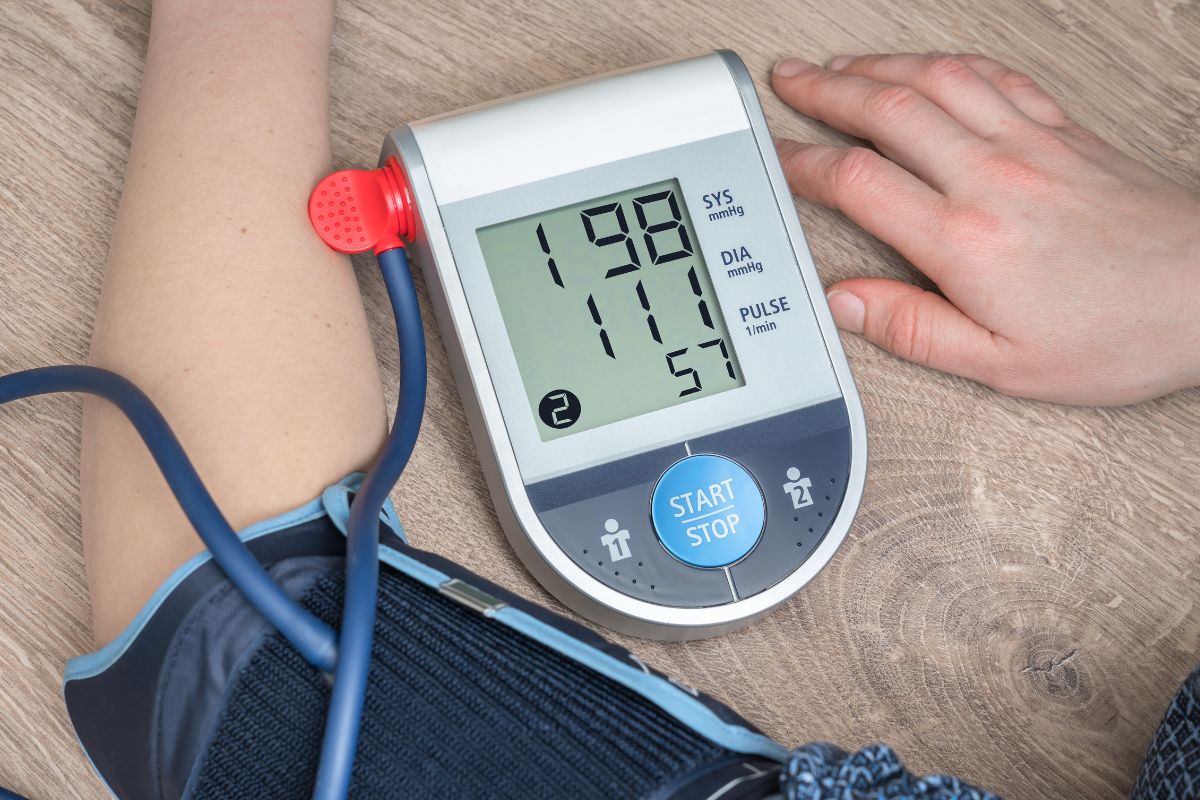
You feel completely fine. No pain, no discomfort, nothing out of place. And yet your blood pressure could already be sitting at a dangerous level without you having the faintest idea.
That’s the trouble with high blood pressure, or hypertension. It rarely knocks before it enters. Most of the time it just sits there quietly, wearing down your heart, your brain, and your kidneys year after year, while you go about your life feeling perfectly normal. That’s exactly why it earned the nickname “silent killer.”
If you’ve ever skipped a BP tablet because you “felt okay that day,” this one’s for you. Let’s actually get into the numbers, the causes, and what treatment really looks like.
What Is High Blood Pressure?
Blood pressure is simply the force your blood exerts on the walls of your arteries as your heart pushes it through your body. When that force stays too high for too long, doctors call it hypertension.
- Normal reading: below 120/80 mmHg. Anything that consistently reads higher gets classified as high blood pressure.
- Why it matters: your arteries are built to handle a certain amount of pressure, not more. When pressure stays elevated for years, the inner lining of those arteries wears down they get narrower, stiffer, and less able to flex the way they should.
- The knock-on effect: because of that stiffness, your heart ends up working harder with every single beat just to keep blood circulating normally.
- The real risk: damage to your heart, brain, kidneys, and eyes can build up silently for years before you ever feel a thing.
Understanding Your Blood Pressure Reading
Every reading you get has two numbers attached to it, and both matter.
- Systolic pressure (top number): the force in your arteries the moment your heart beats and pushes blood out.
- Diastolic pressure (bottom number): the pressure in between beats, when your heart is resting.
Together, these two numbers place you into one of five categories:
- Normal: below 120/80 mmHg
- Elevated: systolic 120–129, diastolic below 80 not hypertension yet, but a clear signal to pay attention
- Stage 1 hypertension: systolic 130–139, or diastolic 80–89
- Stage 2 hypertension: systolic 140 or above, or diastolic 90 or above
- Hypertensive crisis: readings above 180/120 a medical emergency requiring immediate care
One small but important detail people often miss: your cuff needs to fit properly. A cuff that’s too tight or too loose on your arm can throw off the reading entirely. If you’re checking your blood pressure at home, it’s worth asking your doctor whether your cuff is actually the right size for you.
Two Very Different Types of High Blood Pressure
Here’s something most people never get told: not all high blood pressure comes from the same place, and knowing which type you have actually changes how it gets treated.
1. Primary Hypertension
This is what most people with high BP actually have.
- There isn’t one single cause it builds up slowly from a combination of genetics, age, and years of daily habits stacking on top of each other.
- This is precisely why lifestyle changes work so well for this type they’re addressing the same factors that caused it in the first place.
2. Secondary Hypertension
This works differently it shows up because something else is actively pushing your blood pressure up, whether an underlying condition or sometimes a medication.
- Kidney disease: a common trigger, since your kidneys control how much fluid and salt your body holds onto.
- Obstructive sleep apnea: breathing that keeps stopping through the night puts steady stress on your heart while you sleep.
- Thyroid problems: thyroid hormone directly influences heart rate and blood pressure.
- Hormonal conditions: certain issues affecting your adrenal glands can raise your numbers.
- Medications: even some everyday prescription or over-the-counter drugs can quietly raise blood pressure as a side effect.
It often develops faster than primary hypertension, and can hit harder too. But there’s some good news buried in there — if your hypertension turns out to be secondary, treating the underlying cause can sometimes bring your blood pressure right back down. That’s a very different path than the long-term management primary hypertension usually needs.
Symptoms of High Blood Pressure
Here’s the uncomfortable truth: most people with high blood pressure feel nothing at all. Not even severely high readings tend to announce themselves.
When symptoms do show up, they usually mean things have gotten quite serious already:
- A headache that’s worse in the mornings
- Breathlessness that seems to come from nowhere
- Dizziness or a lightheaded feeling
- Chest pain
- Rarely, a nosebleed
Since these symptoms are the exception rather than the rule, don’t wait around for them to appear. A regular BP check is genuinely the only reliable way to know where you stand especially past 18, and even more so if obesity, smoking, or a family history of hypertension already applies to you.
Why One Reading Isn’t Enough: White Coat Syndrome
Ever notice your blood pressure reads higher at the doctor’s clinic than it does anywhere else? That’s a real thing, called white coat syndrome.
- Something about sitting in a clinic makes people a little anxious, and that anxiety alone can temporarily push your numbers up.
- Doctors know this, which is exactly why they almost never diagnose hypertension off a single reading.
- They’ll usually want to see a few more readings, spread across different days, sometimes taken at home, before they’re confident it’s a real, consistent pattern and not just nerves.
What Causes High Blood Pressure?
Hypertension is rarely caused by one thing alone. It’s more like several small pressures adding up over the years until they cross a line.
Lifestyle-driven causes:
- High-sodium diet: makes your body hold onto more water than it needs, and extra fluid in your blood vessels means extra pressure against their walls.
- Excess weight: forces your heart to pump blood through more tissue with every beat.
- A sedentary lifestyle: your blood vessels lose some of the flexibility that regular movement would otherwise keep them in.
- Smoking: damages the artery lining directly, making vessels narrower and stiffer over time.
- Heavy drinking: raises blood pressure on its own, and often brings weight gain along with it too.
- Chronic stress: keeps your body in a low-grade state of alert, tightening blood vessels and raising heart rate — over years, this pushes your baseline blood pressure upward.
Factors you can’t change:
- Family history: genuinely raises your risk, even alongside a healthy lifestyle.
- Age past 40: arteries naturally lose some elasticity with age.
- Existing conditions: diabetes, high cholesterol, chronic kidney disease, or sleep apnea all add their own strain to an already-working cardiovascular system.
Who’s most at risk:
- People with a family history of hypertension
- Anyone managing diabetes, high cholesterol, or chronic kidney disease
- People carrying extra weight, living a mostly inactive lifestyle, or eating a lot of salty, processed food
- Smokers, heavy drinkers, and anyone under sustained stress
- People with sleep apnea
- Simply, anyone past 40
Worth mentioning younger adults aren’t off the hook here either. Poor diet, inactivity, and constant stress are pushing hypertension into younger age groups more than ever before.
Busting Common Myths About High Blood Pressure
Myth: “If I feel fine, my blood pressure must be fine too.”
Fact: Not really. High blood pressure usually shows no symptoms right up until real damage has already happened. Feeling okay tells you almost nothing about your actual numbers — only a proper check will.
Myth: “Only older people get high blood pressure.”
Fact: It’s becoming increasingly common in younger people too, largely driven by diet, inactivity, and chronic stress. Age plays a role, sure, but it’s far from the whole story.
Myth: “High blood pressure is just something that comes with getting older.”
Fact: Age does raise your risk, but hypertension isn’t some inevitable part of ageing. Regular exercise, a better diet, and a few consistent daily habits can meaningfully bring your numbers down, at almost any age.
Myth: “I don’t need medication if my symptoms are mild.”
Fact: Most people never feel symptoms at all, even at dangerously high readings, so this logic doesn’t really hold. Left untreated, hypertension can permanently damage your heart, kidneys, and blood vessels. Medication paired with lifestyle changes is what actually protects you in the long run.
How Is High Blood Pressure Diagnosed?
Diagnosis starts simply enough — a reading taken with a cuff, called a sphygmomanometer. But because blood pressure naturally shifts through the day, doctors rarely confirm hypertension from one visit alone. They’ll usually want several readings, spaced across different days, before calling it.
If your numbers stay elevated, your doctor may order a few more tests:
- Blood tests and a lipid profile — to check cholesterol
- Kidney function tests and a urine exam — since kidneys and blood pressure are closely tied together
- A blood sugar test — to rule out diabetes
- ECG and echocardiogram — to check how your heart is functioning structurally and electrically
- Home blood pressure monitoring or a 24-hour ambulatory test — tracks your BP continuously through a full day rather than relying on a single snapshot
High Blood Pressure Treatment
Treatment almost always starts with lifestyle changes. Medication comes in later, either when lifestyle alone isn’t cutting it, or when your numbers are high enough that waiting isn’t really an option.
Start With Lifestyle
- The DASH diet (Dietary Approaches to Stop Hypertension): leans heavily on fruits, vegetables, whole grains, and low-fat dairy, while cutting back sharply on salt and saturated fat. On its own, this diet has been shown to meaningfully lower blood pressure in a lot of people.
- Cutting back on salt: works on the same principle as before — less sodium means your body holds onto less fluid, which means less pressure pushing against your artery walls.
- Regular movement: aim for around 150 minutes of moderate activity a week, whether that’s brisk walking, swimming, or cycling.
- Weight management: even a small drop in weight can noticeably lower your numbers if you’re currently overweight.
- Cutting back on alcohol and smoking: both work against you directly, so limiting or quitting genuinely helps.
- Stress management: yoga, meditation, or even simple deep breathing, practiced regularly, can measurably bring blood pressure down.
When Medication Becomes Necessary
If lifestyle changes alone aren’t enough, your doctor may add medication into the mix. There are four main first-line drug classes doctors typically reach for:
- ACE inhibitors: relax your blood vessels by blocking a hormone that would otherwise narrow them often favoured for people who also have diabetes or kidney disease.
- ARBs: do something similar, blocking that same hormone through a slightly different route a common go-to when ACE inhibitors cause side effects.
- Calcium channel blockers: stop calcium from entering the muscle cells in your vessel walls, which relaxes them and can slow your heart rate as a bonus.
- Diuretics (“water pills”): help your kidneys flush out excess salt and fluid, which directly lowers the pressure in your blood vessels.
- Beta blockers: used often too, mainly to slow your heart rate and take some of the workload off with every beat.
Depending on how high your blood pressure runs, and what else is going on with your health, your doctor might prescribe one of these on its own, or combine two or more together. Getting the combination right sometimes takes a bit of adjusting, so don’t be discouraged if the first attempt isn’t perfect.
One thing worth repeating clearly: never stop taking your blood pressure medication on your own, even if your readings start looking normal. Normal numbers usually just mean the medication is doing its job, not that you no longer need it.
Possible Complications of Untreated High Blood Pressure
Leave hypertension unmanaged for years, and the consequences tend to show up in the places you’d least want them to:
- Heart attack and heart failure — the constant extra strain slowly wears the heart muscle down
- Stroke — damaged blood vessels in the brain become more prone to blocking or rupturing
- Chronic kidney disease and eventual kidney failure — since kidneys depend on healthy blood vessels to filter properly
- Vision loss and hypertensive retinopathy — caused by damage to the tiny blood vessels in your retina
- Peripheral artery disease
- Aneurysm
- Cognitive decline or dementia — linked to years of reduced blood flow reaching the brain
Catching this early, and staying consistent with treatment, genuinely lowers your risk across the board.
When Should You See a Doctor?
Book an online consultation with a cardiologist if:
- Your readings consistently sit above 130/80 mmHg
- You’re dealing with severe headaches, blurred vision, chest pain, breathlessness, persistent dizziness, or fainting spells
- You’re managing diabetes, kidney disease, or have a family history of hypertension
- Lifestyle changes alone just aren’t bringing your numbers down
This is a medical emergency get help immediately: if your blood pressure ever reads 180/120 mmHg or higher, especially alongside chest pain, a severe headache, confusion, difficulty breathing, or vision changes. Don’t wait it out.
How HealthPil Can Help
Through HealthPil, you can connect with experienced cardiologists who’ll actually help you understand your numbers, walk you through medication options, and build a plan that realistically fits your life, not just your reports.
Why Early Blood Pressure Control Matters
Getting your blood pressure under control early dramatically cuts your risk of:
- Heart attack
- Stroke
- Kidney disease
- Heart failure
- Vision loss
Regular monitoring, sticking to healthy habits, and taking medication exactly as prescribed these three things, together, do more for your long-term health than almost anything else on this list.
Summary
High blood pressure (hypertension) is often called the “silent killer” because it usually develops without noticeable symptoms while gradually damaging the heart, brain, kidneys, eyes, and blood vessels. Blood pressure is considered normal when it is below 120/80 mmHg, while consistently higher readings indicate hypertension.
Common risk factors include unhealthy eating habits, excessive salt intake, obesity, lack of exercise, smoking, alcohol consumption, stress, diabetes, kidney disease, sleep apnea, increasing age, and a family history of hypertension.
Frequently Asked Questions (FAQ)
1. What is considered normal blood pressure?
A normal blood pressure reading is less than 120/80 mmHg. Readings between 130–139/80–89 mmHg indicate Stage 1 hypertension, while 140/90 mmHg or higher is classified as Stage 2 hypertension. A reading of 180/120 mmHg or above is a medical emergency requiring immediate treatment.
2. Can high blood pressure occur without symptoms?
Yes. Most people with hypertension do not experience any symptoms, which is why it is known as the silent killer. Regular blood pressure monitoring is the only reliable way to detect it early.
3. What are the most common causes of high blood pressure?
High blood pressure can result from excessive salt intake, obesity, physical inactivity, smoking, alcohol consumption, chronic stress, diabetes, kidney disease, sleep apnea, aging, and a family history of hypertension.
4. How can high blood pressure be controlled?
Blood pressure can be managed through healthy lifestyle changes such as following the DASH diet, reducing salt intake, exercising regularly, maintaining a healthy weight, quitting smoking, limiting alcohol, managing stress, and taking prescribed medications as directed by your doctor.
5. When should I consult a doctor for high blood pressure?
You should consult a doctor if your blood pressure consistently remains above 130/80 mmHg, if lifestyle changes are not improving your readings, or if you experience symptoms such as chest pain, severe headache, blurred vision, dizziness, or shortness of breath. Seek emergency medical care immediately if your blood pressure reaches 180/120 mmHg or higher, especially if accompanied by chest pain, confusion, difficulty breathing, or vision changes.
References
- Iqbal AM, Jamal SF. Essential Hypertension. StatPearls Publishing. Available at:
NCBI Bookshelf - Oparil S, Acelajado MC, Bakris GL, et al. Hypertension. Available at:
PubMed
Disclaimer:
This article is for informational purposes only and should not be used as a substitute for professional medical advice. Always consult your healthcare provider to get a proper diagnosis and treatment plan for high blood pressure.

Read our editorial policy