

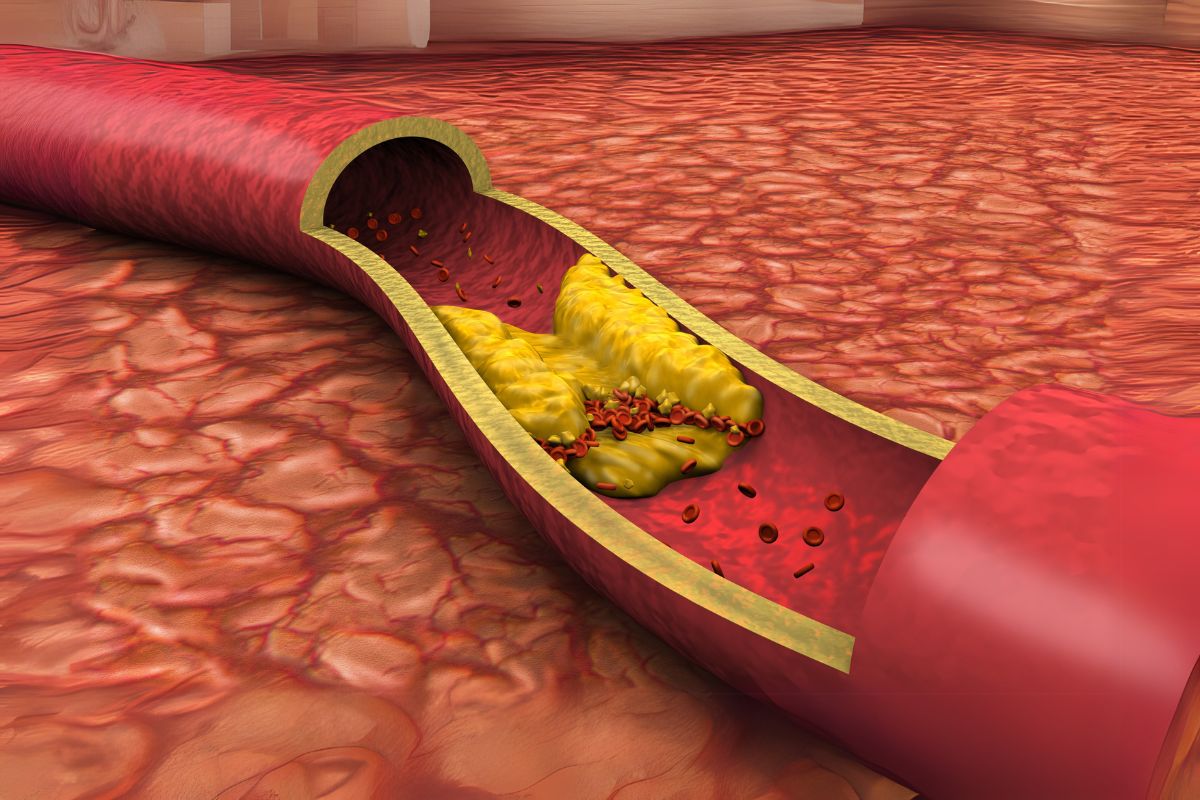
Someone told you your cholesterol is high, and you shrugged it off because, well, you feel fine. That’s the thing about high cholesterol, though it doesn’t announce itself. It doesn’t cause pain or make you feel unwell. It just quietly works away in the background, raising your risk of heart disease and stroke, year after year, without giving you a single warning sign. If you want to keep your heart in good shape for the long haul, cholesterol is genuinely worth understanding properly, not just glancing at on a lab report and moving on. Let’s actually get into what it is, what raises it, and what you can realistically do about it.
What Is Cholesterol, and Why Does It Matter?
Cholesterol is a fatty, wax-like substance found in every single cell in your body. Despite its bad reputation, you actually need it cholesterol plays a role in building hormones, producing vitamin D, and making bile acids that help you digest food. The problem isn’t cholesterol itself; it’s having too much of the wrong kind.
Cholesterol travels through your bloodstream attached to proteins, forming particles called lipoproteins. There are two main types you’ll hear about:
- LDL (low-density lipoprotein), often called “bad” cholesterol high levels of this can lead to plaque buildup and atherosclerosis (a hardening and narrowing of your arteries), which raises your risk of heart disease and stroke.
- HDL (high-density lipoprotein), often called “good” cholesterol this actually helps carry excess cholesterol away from your artery walls, back to the liver, where it’s processed and removed.
There’s also a third figure worth knowing: triglycerides, another type of fat in your blood. High triglycerides, especially combined with low HDL or high LDL, add further strain on your cardiovascular system.
Symptoms of High Cholesterol
Here’s the part that surprises most people: high cholesterol usually causes no symptoms at all. This is exactly why it’s often nicknamed the “silent killer” you can feel completely healthy while cholesterol quietly builds up inside your artery walls.
In rare cases, some visible signs can show up, though they’re uncommon and usually only appear with very high or long-standing cholesterol levels:
- Xanthelasma — small, yellowish fatty deposits that appear on or around the eyelids
- Xanthoma — similar fatty deposits that can form on tendons or other parts of the skin
- Arcus senilis — a faint white or grey ring that can develop around the edge of the cornea (the coloured part of the eye)
These aren’t reliable warning signs to wait for, though. The only real way to know your cholesterol levels is through a simple blood test which is exactly why regular screening matters more than watching for symptoms that, for most people, simply never show up until real heart damage has already occurred.
What Causes High Cholesterol?
High cholesterol usually isn’t caused by just one thing. It tends to build up from a mix of lifestyle habits, genetics, and sometimes other underlying health conditions, all layering on top of each other over the years.
Lifestyle-related causes:
- A diet high in saturated fats and trans fats
- Physical inactivity and a sedentary lifestyle
- Being overweight or obese
- Smoking and tobacco use
- Excessive alcohol consumption
Medical and health-related causes:
- Type 2 diabetes
- Hypothyroidism (an underactive thyroid)
- Chronic kidney disease
- Liver disorders
- Certain medications, such as steroids and hormonal therapies
Factors you can’t change:
- Family history of high cholesterol, including inherited conditions like familial hypercholesterolaemia, where very high cholesterol runs in the family due to how the body processes it genetically
- Increasing age, since arteries naturally accumulate more plaque over time
- For women, an earlier-than-average menopause can also raise cardiovascular risk
Many people carry more than one of these risk factors at once — and when risk factors stack up together, they don’t just add up, they tend to multiply your overall cardiovascular risk. A middle-aged smoker with high blood pressure and high cholesterol, for example, faces a meaningfully higher risk than any one factor would suggest on its own.
How Is High Cholesterol Diagnosed?
Since high cholesterol rarely causes symptoms, diagnosis comes down to a simple blood test called a lipid profile or lipid panel. The good news: you usually don’t need to fast beforehand for this test, though your doctor may still ask you to, depending on your specific situation.
A lipid profile measures:
- Total Cholesterol
- LDL Cholesterol (“bad” cholesterol)
- HDL Cholesterol (“good” cholesterol)
- Triglycerides
- Non-HDL Cholesterol
Doctors don’t look at these numbers in isolation. They combine your results with your age, blood pressure, diabetes status, smoking history, and family history to estimate your overall cardiovascular risk, and to decide whether lifestyle changes alone will be enough, or whether medication should be part of the plan too.
Regular cholesterol screening is recommended for all adults over 20, and even more strongly for anyone with existing heart disease risk factors.
Healthy Cholesterol Levels
Understanding your numbers helps you actually track your progress instead of just hearing “high” or “normal” from your doctor. General target values include:
- Total Cholesterol: Less than 200 mg/dL
- LDL Cholesterol: Less than 100 mg/dL
- HDL Cholesterol: 40 mg/dL or higher for men, 50 mg/dL or higher for women
- Triglycerides: Less than 150 mg/dL
- Non-HDL Cholesterol: Less than 130 mg/dL
Your doctor may recommend even lower LDL targets if you have diabetes, existing heart disease, or a generally high cardiovascular risk profile. It’s also worth knowing your total cholesterol to HDL ratio — a lower ratio generally reflects better heart health, since it accounts for how much of your total cholesterol is the protective HDL kind.
Busting Common Myths About Cholesterol
Myth: “Cholesterol is only a problem for older adults.”
Reality: High cholesterol can affect people of all ages. Genetics, poor diet, lack of exercise, and certain health conditions can raise cholesterol levels even in young adults. The sooner you start managing it, the better your heart health will be decades down the line.
Myth: “Eating fatty foods always raises cholesterol.”
Reality: Saturated fats and trans fats can raise LDL cholesterol, but not all fats are the enemy here. Healthy fats from foods like avocados, olive oil, and fatty fish can actually help improve your cholesterol profile rather than worsen it.
Myth: “Cholesterol medications are dangerous.”
Reality: When taken as prescribed, statins and other cholesterol-lowering medications are generally safe and well-studied. They work by decreasing LDL cholesterol and reducing plaque buildup, directly lowering your risk of heart disease. Always talk to your doctor to find the right approach for you specifically.
Lifestyle Changes That Naturally Improve Cholesterol
Alongside medication when it’s needed, healthy daily habits remain the real foundation of cholesterol management. Here’s what actually moves the needle.
Eat Heart-Healthy Fats
Replace saturated and trans fats with monounsaturated and polyunsaturated fats, both of which can help lower LDL and, in the case of monounsaturated fats, raise HDL too. A Mediterranean diet, built heavily around these fats, is one of the most well-studied dietary patterns for improving cholesterol. Good sources include:
- Olive oil
- Avocados
- Almonds, walnuts, cashews, and other nuts
- Seeds
- Fatty fish like salmon and mackerel a great source of omega-3 fatty acids, a heart-healthy type of polyunsaturated fat
Increase Soluble Fiber
Soluble fiber binds with cholesterol in your digestive system and helps carry it out of your body, naturally lowering LDL. Good sources include:
- Oats
- Barley
- Beans and lentils
- Apples
- Citrus fruits
- Flaxseeds
- Brussels sprouts
Exercise Regularly
Physical activity is genuinely one of the most effective ways to raise HDL while lowering LDL. Aim for at least 150 minutes of moderate-intensity exercise every week, along with strength training twice weekly. Good options include:
- Brisk walking
- Cycling
- Swimming
- Jogging
- Resistance training
Maintain a Healthy Weight
Even losing 5–10% of your body weight, if you’re currently overweight, can significantly improve your cholesterol numbers.
Quit Smoking
Stopping smoking helps in several concrete ways:
- Increases HDL cholesterol
- Reduces plaque buildup
- Improves blood vessel function
- Lowers heart attack and stroke risk
Limit Alcohol
Excessive alcohol intake raises triglycerides and overall cardiovascular risk. If you drink, doing so only in moderation, and only if your doctor is comfortable with it given your health profile, is the safer path.
Consider Supplements With Guidance
Some supplements have shown promise for supporting healthy cholesterol, though none should replace medical treatment where it’s needed:
- Fish oil, rich in omega-3s, may help lower triglycerides
- Psyllium, a soluble fiber supplement, may help lower LDL
- Coenzyme Q10, though research on its cholesterol-specific benefits is still ongoing
Always check with your doctor before starting any new supplement, especially if you’re already on cholesterol medication.
Can High Cholesterol Be Controlled Without Medication?
Yes — for many people with only mildly elevated cholesterol, lifestyle changes alone can bring numbers back into a healthy range. This includes:
- Eating a heart-healthy diet
- Exercising regularly
- Maintaining a healthy weight
- Quitting smoking
- Managing stress
- Getting adequate sleep
That said, people with very high LDL cholesterol, existing heart disease, diabetes, or a generally high cardiovascular risk often need cholesterol-lowering medications, like statins, alongside these lifestyle changes not instead of them. Never stop or avoid prescribed medication without talking to your doctor first, even if your latest numbers look good.
What About Statins, Specifically?
Statins are the most commonly prescribed class of cholesterol medication, and they work by blocking an enzyme your liver uses to produce cholesterol, which lowers LDL levels meaningfully often more than diet changes alone can achieve. They’re generally well-tolerated, though like any medication, they can carry side effects for some people, which is exactly why ongoing medical supervision matters. For people at high cardiovascular risk, the evidence consistently shows that statins reduce the risk of heart attacks and strokes, which is why doctors continue to prescribe them so widely despite the myths circulating online.
Complications of Untreated High Cholesterol
Left unmanaged, high cholesterol can lead to serious health complications over time, including:
- Coronary artery disease
- Heart attack
- Stroke
- Peripheral artery disease (PAD)
- Carotid artery disease
- Chronic kidney disease
- Poor blood circulation
- Atherosclerosis (hardening of the arteries)
Early diagnosis and consistent treatment significantly reduce the risk of all of the above.
Preventing High Cholesterol: Steps You Can Take
The encouraging part is that a lot of this is genuinely within your control. A diet rich in fruits, vegetables, and whole grains, paired with lower saturated and trans fat intake, goes a long way. Regular exercise brisk walking and cycling in particular helps raise your HDL cholesterol specifically, which is protective in its own right.
Limiting heavy alcohol use and avoiding smoking both support long-term heart health too. And if you have a family history of heart disease linked to high cholesterol, regular medical check-ups become even more important, since you may need to start monitoring and managing your levels earlier than most.
When Should You See a Cardiologist?
Book an online cardiologist consultation if:
- You’ve been told your cholesterol is high, or it’s been a while since your last check
- You have a family history of high cholesterol, heart disease, or stroke
- You’re managing diabetes, high blood pressure, or thyroid issues alongside cholesterol concerns
- You’re unsure whether lifestyle changes alone are enough for your specific numbers
- You want guidance on whether medication, like statins, makes sense for your risk profile
Early diagnosis and consistent management genuinely change the long-term outlook here, cutting your risk of heart attack and stroke well before any damage becomes serious.
How HealthPil Can Help
If you’ve been diagnosed with high cholesterol or are simply concerned about your heart health, HealthPil can connect you with experienced cardiologists who can walk you through your treatment options clearly. Our platform makes it easy to consult with professionals who’ll build a plan tailored to your specific numbers and risk profile, helping you manage cholesterol and protect your heart for the long run.
Summary
High cholesterol is often called the “silent killer” because it usually causes no symptoms while gradually increasing the risk of heart disease and stroke. Cholesterol itself is essential for producing hormones, vitamin D, and bile acids, but excessive LDL (“bad”) cholesterol can build up inside arteries, leading to atherosclerosis, heart attacks, and strokes. On the other hand, HDL (“good”) cholesterol helps remove excess cholesterol from the bloodstream, while high triglycerides can further increase cardiovascular risk.
Frequently Asked Questions (FAQ)
1. Can high cholesterol be reduced naturally without medication?
Yes. Mildly elevated cholesterol can often be managed with lifestyle changes such as eating a heart-healthy diet, exercising regularly, losing excess weight, quitting smoking, and managing stress. However, people with very high LDL cholesterol or existing heart disease may still require medication.
2. What foods help lower bad cholesterol (LDL)?
Foods that can help lower LDL cholesterol include oats, beans, lentils, fruits, vegetables, olive oil, nuts, seeds, and fatty fish rich in omega-3 fatty acids. Replacing saturated and trans fats with healthier fats also supports better heart health.
3. Are statins safe for long-term use?
Yes. Statins are generally considered safe and are among the most effective medications for lowering LDL cholesterol and reducing the risk of heart attacks and strokes. They should only be taken under medical supervision.
4. How often should cholesterol levels be checked?
Most healthy adults should have their cholesterol checked at least once every 4–6 years starting at age 20. People with diabetes, high blood pressure, obesity, smoking habits, or a family history of heart disease may need more frequent screening.
5. When should I consult a cardiologist for high cholesterol?
You should consult a cardiologist if you have high cholesterol on a blood test, a family history of heart disease, diabetes, hypertension, thyroid disease, or if you’re unsure whether lifestyle changes alone are enough. Early evaluation can help prevent serious cardiovascular complications.
References
- Jung E, Kong SY, Ro YS, Ryu HH, Shin SD. Serum Cholesterol Levels and Risk of Cardiovascular Death: A Systematic Review and a Dose-Response Meta-Analysis of Prospective Cohort Studies. Available at:
PubMed - Institute for Quality and Efficiency in Health Care (IQWiG). Overview: High cholesterol. InformedHealth.org. Available at:
NCBI Bookshelf
This article provides general information and is not a substitute for professional medical advice. Always consult your healthcare provider for advice regarding cholesterol management and heart health.

Read our editorial policy