

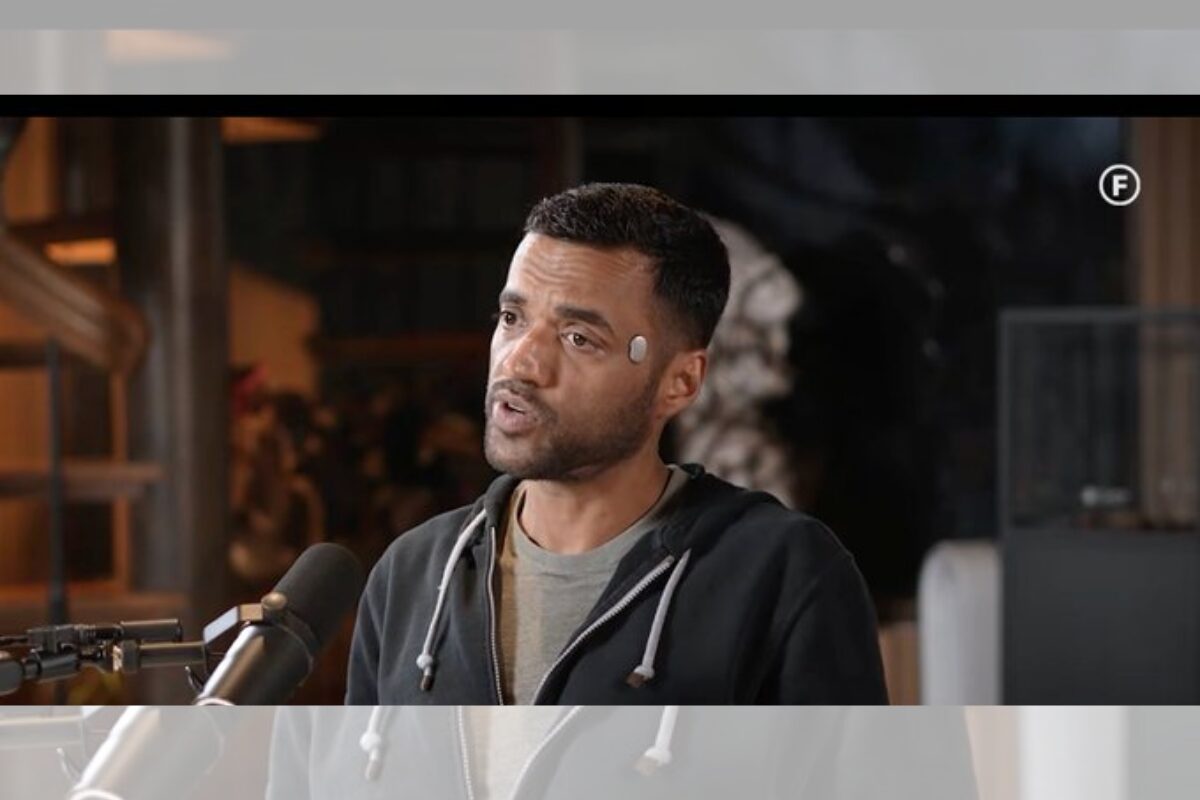
In recent months, there has been growing public interest around brain blood flow, ageing, and wearable technology, especially after entrepreneur Deepinder Goyal was seen wearing a device placed near the temple region that reportedly tracks cerebral blood flow (the amount of blood reaching brain tissue every minute) continuously. Along with this, a broader idea has been discussed that gravity, by forcing the heart to pump blood “upwards” when we sit or stand, might over decades contribute to reduced brain perfusion (how well blood is delivered to the brain) and ageing.
From a neurological perspective, it is important to approach such ideas with curiosity but also context. New hypotheses are how science progresses, but health-related claims need to be understood within what we already know about human physiology, ageing, and disease.
Does gravity slowly deprive the brain of blood in daily life?
At first glance, the idea sounds intuitive. Blood has to move upward against gravity when we are upright. But the human body is not a passive plumbing system.
In healthy individuals, the brain is exceptionally well protected. Several powerful physiological systems work together to ensure that cerebral blood flow remains stable across posture, activity, and most stages of life.
The heart has enough cardiac reserve to generate the pressure required to perfuse the brain even when we are standing or walking. Cerebral blood vessels themselves have an automatic protective mechanism known as cerebral autoregulation (the brain’s ability to keep blood flow stable despite changes in blood pressure or posture), where they constrict or dilate to keep blood flow within a narrow, safe range. In addition, baroreceptors (pressure sensors in major blood vessels) in the carotid arteries and aorta continuously sense blood pressure changes and rapidly adjust heart rate and vascular tone when we stand up or sit down.
This is why most people, from young adults to elderly individuals, can change posture throughout the day without their brains becoming starved of blood.
When these systems fail, the effects are not subtle. We see clear clinical symptoms such as dizziness on standing, fainting, orthostatic hypotension (a drop in blood pressure on standing), autonomic failure, severe heart disease, or advanced vascular pathology. In such cases, posture-related cerebral hypoperfusion (reduced blood supply to the brain) is very real, but it presents as a medical condition, not as a hidden process quietly ageing the brain in otherwise healthy people.
Ageing does affect blood vessels and reflexes, but current evidence does not support the idea that everyday upright posture alone chronically deprives the brain of blood in healthy individuals.
How neurologists currently assess brain blood flow
Brain blood flow is not a new concept in neurology. We already have validated tools, each used for specific clinical questions.
Transcranial Doppler (TCD) (an ultrasound test that measures blood flow speed in major brain arteries) allows bedside assessment and is especially useful in stroke, vasospasm, and autoregulation studies. Perfusion MRI, particularly arterial spin labelling (ASL) (an MRI technique that maps blood flow in different brain regions), helps us assess regional brain perfusion in conditions like dementia, small vessel disease (damage to tiny brain blood vessels), and chronic ischemia. CT perfusion (a CT-based blood flow study) is commonly used in acute stroke settings to guide urgent treatment decisions.
Importantly, these tests are not interpreted in isolation. Numbers are always correlated with symptoms, neurological examination, blood pressure, heart rhythm, imaging findings, and overall clinical context. This is why cerebral blood flow measurement remains a specialised medical tool, not a routine screening test.
Continuous, real-time monitoring of cerebral blood flow is currently limited to critical care or research environments, where the risks are high and the clinical questions are very specific.
Where a wearable temple device could fit, if validated
If a wearable device placed near the temple can reliably, reproducibly, and safely estimate meaningful aspects of cerebral perfusion, it could become scientifically interesting in certain narrow contexts.
It might help research related to sleep, posture, autonomic disorders (conditions affecting automatic body functions like heart rate and blood pressure), or extreme environments such as aviation or space medicine. It could potentially add value in selected neurological conditions where perfusion dynamics matter and where trends over time are more important than single measurements.
However, for healthy individuals, continuous monitoring raises several concerns that medicine has encountered before with other wearables.
The first is clinical relevance. If an asymptomatic person sees a transient “low” reading, what action should follow? The second is false alarms. Normal physiological variation can easily be misinterpreted as pathology when numbers are viewed without context. The third is health anxiety, which we have already seen with heart rhythm trackers and glucose monitors in people who do not have heart disease or diabetes. Measurement without a clear clinical need often creates worry rather than benefit.
History repeatedly teaches us that screening tools are useful only when they change outcomes, not just when they generate data.
Cerebral blood flow, ageing, and Alzheimer’s disease
While gravity alone is unlikely to be the driving force, cerebral blood flow does matter in ageing and neurodegenerative disease.
With increasing age, average brain blood flow declines, and more importantly, cerebrovascular reserve (the brain’s ability to increase blood flow when needed) and autoregulation weaken. This makes the ageing brain more vulnerable to blood pressure fluctuations, dehydration, cardiac rhythm disturbances, sleep apnea, and metabolic disease.
In Alzheimer’s disease and mild cognitive impairment (early memory and thinking problems beyond normal ageing), multiple studies have shown regional reductions in cerebral blood flow and impaired vascular responses. This does not mean Alzheimer’s is simply a blood flow disorder, but it reinforces an important concept in modern neurology: brain ageing and vascular ageing are tightly linked.
Poor circulation affects oxygen delivery, energy metabolism, waste clearance, and the integrity of the blood–brain barrier (a protective filter that controls what enters the brain from the bloodstream). Over years, this contributes to cognitive decline, especially when combined with traditional risk factors like hypertension and diabetes.
Longevity: what actually increases lifespan according to science
Despite excitement around new devices and hypotheses, the factors that consistently and reproducibly increase lifespan are already well established through large landmark studies and international guidelines.
Controlling blood pressure in midlife and later life reduces strokes, heart disease, and vascular dementia. Preventing and treating diabetes protects small blood vessels in the brain, kidneys, and heart. Appropriate lipid management, including statins in high-risk individuals, reduces mortality. Regular physical activity improves vascular function, insulin sensitivity, brain resilience, and overall survival. Smoking cessation remains one of the most powerful life-extending interventions, even when done later in life. Good sleep, including treatment of sleep apnea, reduces cardiovascular and cognitive risk. Vaccination and infection prevention have added more years to human life expectancy than almost any medical technology in history. Strong social connections and mental health are also consistently associated with longer, healthier lives.
These interventions may not sound exciting, but they are the reason life expectancy increased dramatically in the last century.
Where experimental ideas fit in the longevity landscape
Ideas like continuous cerebral blood flow monitoring, gravity-related interventions, or advanced wearables are best seen as research tools, not longevity solutions.
They may help us understand physiology better or identify patterns in specific populations. But at present, they do not belong in the category of proven life-extending interventions.
As clinicians, we have to be careful not to let technological fascination distract from measures that already work.
Practical message for patients and families
Brain ageing does not happen suddenly. It reflects decades of vascular health, metabolic control, sleep, activity, and lifestyle choices.
Cerebral blood flow and autoregulation matter, but they are best supported by boring, consistent, evidence-based habits, not constant surveillance or unproven hacks.
Frequently Asked Questions (FAQ)
- Is low brain blood flow the main cause of ageing?
No. Ageing is multi-factorial. Blood flow is important, but it interacts with metabolism, inflammation, genetics, and lifestyle.
- Can increasing blood flow reverse ageing?
There is no strong human evidence that simply increasing blood flow reverses ageing or extends lifespan.
- Are wearables that claim to measure brain blood flow reliable?
At present, most are experimental and not clinically validated.
- What is the single best thing I can do for longevity?
Control blood pressure, stay physically active, avoid smoking, sleep well, and manage metabolic health.
How HealthPil can help
At HealthPil, our role is to cut through confusion. We help you understand reports, scans, and new health trends in plain language, connect you with the right specialists, and build a structured, evidence-based plan for long-term brain and body health.
Disclaimer:
This content is for educational purposes only and is not a substitute for professional medical advice, diagnosis, or treatment. Health information and technologies discussed here should not be used to make medical decisions without consulting a qualified healthcare professional. Longevity strategies should be personalised and discussed with qualified healthcare professionals.

Read our editorial policy