

Did your doctor say the word “pacemaker”? Maybe you have a heart rhythm problem. Or someone you love does. That word can sound scary. But it doesn’t need to be.
A pacemaker is a small helper for your heart. It keeps your heart beating at the right speed. This guide will explain it step by step. We will keep things simple.
What Is a Pacemaker?
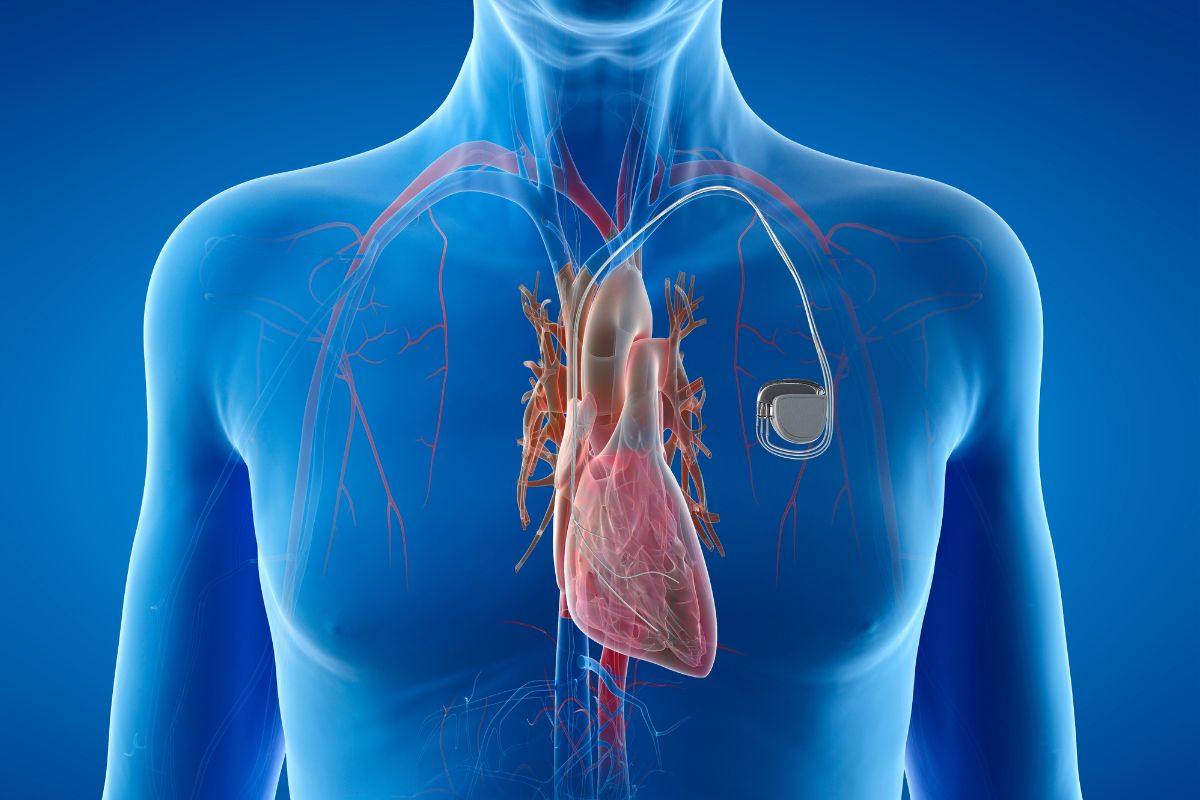
A pacemaker is a tiny device. It runs on a battery. Doctors place it under your skin. It usually sits near your collarbone. Its job is simple. It helps your heart beat the right way.
Think of your heart like a drummer. The drummer keeps the beat for a song. Sometimes that drummer gets tired. Or too slow. Or off-rhythm. A pacemaker acts like a backup drummer. It sends small electric signals to your heart. These signals tell your heart when to beat.
Pacemakers mostly help with bradycardia. That is just a word for a heart that beats too slowly. But pacemakers can help with other rhythm problems too.
How Does Your Heart’s Own Pacemaker Work?
Here is something cool. Your heart already has its own pacemaker. It’s called the SA node. That stands for sinoatrial node. It sits in the upper right part of your heart.
The SA node sends out electric signals. These signals spread through your heart. They tell it when to beat. This is what keeps your heartbeat steady. It happens all day and night. You never even have to think about it.
Sometimes this natural signal breaks down. It can get too slow. Or too fast. Or uneven. When that happens, your heart can’t pump blood well. This is where an artificial pacemaker steps in. It takes over the job. It sends gentle signals. These signals keep your heartbeat safe and steady.
How Does an Artificial Pacemaker Work?
A pacemaker does three main jobs.
- It watches your heart. The device checks your heart’s rhythm all the time. If your heartbeat gets too slow, it notices right away.
- It sends a signal. Thin wires connect the pacemaker to your heart. These wires are called leads. When needed, the device sends a small electric pulse. This pulse travels through the wires. It makes your heart muscle squeeze and beat.
- It can be short-term or long-term. Some pacemakers are only used for a short time. This might happen after a heart attack or surgery. Other pacemakers are permanent. These stay in your body for years. They manage your heart rhythm long-term.
When Do You Need a Pacemaker?
Doctors suggest a pacemaker when your heart can’t pump blood well on its own. Here are the most common reasons why.
Bradycardia (Slow Heart Rate) A healthy heart beats 60 to 100 times a minute at rest. If it drops below 60, you may feel tired or dizzy. You could even faint. A pacemaker fixes this. It gives your heart a gentle nudge to beat faster.
Heart Block This happens when your heart’s electric signal gets delayed. Or blocked. A pacemaker helps get that signal moving again.
Atrial Fibrillation (AF) This is a common type of irregular heartbeat. Sometimes medicine alone can’t fix it. In these cases, a pacemaker can help keep the rhythm steady.
Syncope (Fainting) Sometimes a slow or uneven heartbeat causes fainting. A pacemaker can lower your risk of fainting again.
Congenital Heart Disease Some babies are born with heart problems. These problems can affect the heart’s electric system. A pacemaker can help these babies grow up with a healthy heart rhythm.
Sick Sinus Syndrome This happens when the heart’s own pacemaker, the SA node, stops working well. It can cause a slow heartbeat. Or tiredness. Or dizziness. Or fainting. A permanent pacemaker usually works best here.
Types of Pacemakers
Not every heart problem needs the same pacemaker. Here are the main types doctors use today.
Single-Chamber Pacemaker This type connects to just one part of the heart. Usually the right atrium or right ventricle. It works well for simple rhythm problems.
Dual-Chamber Pacemaker This type connects to two parts of the heart. It helps both parts beat together in the right order. This feels more like a natural heartbeat.
Biventricular Pacemaker (Cardiac Resynchronization Therapy) Doctors also call this CRT for short. It helps people with heart failure. It works when one side of the heart isn’t squeezing at the right time. This pacemaker helps both sides work together again. It eases heart failure symptoms.
Leadless Pacemaker This is one of the newest options. It has no wires. It has no pocket under the skin. The whole device is tiny. It’s about the size of a large vitamin pill. Doctors place it right inside the heart. They use a small tube near the upper thigh. There’s no chest cut at all. It’s not right for everyone. But it lowers the risk of some problems, like infection.
Who Needs a Pacemaker?
Your doctor may suggest a pacemaker if you have:
- Ongoing dizziness
- Fainting spells
- Tiredness that won’t go away
- Shortness of breath
- A slow heartbeat
- Heart block
- Frequent pauses between heartbeats
- Certain types of heart failure
Before deciding, your doctor will likely run some tests. These might include an ECG, an echocardiogram, or Holter monitoring. They might also do an electrophysiology study, called an EPS for short. These tests show your doctor exactly what your heart is doing.
What Happens During Pacemaker Surgery?
Here is what the process usually looks like.
Before the Procedure You get local anesthesia. This means you stay awake. But the area near your collarbone goes numb. You won’t feel pain.
Placing the Device The doctor makes a small cut. It’s usually near your left collarbone. The pacemaker slides in under your skin. Thin wires, called leads, go through a vein. They travel into your heart. These wires carry the electric signals.
Testing Before finishing, your doctor tests the device. They check the wires are in the right spot. They make sure it sends signals correctly.
Recovery This surgery is usually quick. It often takes 60 to 90 minutes. Most people go home the same day. Or the next morning. Full healing takes a few weeks.
A Different Kind of Surgery Most pacemakers go in through a vein. Doctors call this the endocardial approach. In rare cases, usually in young children, they use a different method. It’s called the epicardial approach. This one needs general anesthesia. The hospital stay is longer too, about 3 to 5 days.
Risks and Complications of Pacemaker Surgery
Pacemaker surgery is usually very safe. Studies show serious problems happen in only 1 out of 100 cases, or less. Still, it helps to know what they are.
- Infection — the cut can get infected, just like with any surgery
- Lead displacement — the wires can shift out of place
- Bleeding — there’s a small chance of bleeding
- Device malfunction — rare, but the device can need repair
- Pneumothorax — this means part of a lung collapses; it’s rare but treatable
- Cardiac perforation — a tiny puncture in the heart wall; also rare
Follow your doctor’s instructions closely after surgery. This lowers your risk a lot. Regular checkups help catch problems early too.
Tests Before Pacemaker Surgery
Before the procedure, your doctor may run a few checks:
- Electrocardiogram (ECG)
- Echocardiogram
- Holter monitoring
- Blood tests
- Chest X-ray
These tests help your doctor pick the right pacemaker for you.
Life After Getting a Pacemaker
Once your pacemaker is in, a few things become part of your routine.
Battery Life The battery usually lasts 5 to 10 years. It depends on how much the device works. When the battery gets low, doctors replace just the device. Not the wires. The wires, or leads, often last up to 20 years.
Remote Monitoring Many modern pacemakers use wireless tech. This lets your doctor check your heart from far away. You don’t need to visit every single time.
Activity Limits Right after surgery, avoid heavy lifting for a few weeks. Also avoid raising your arm on the pacemaker side too high. Keep it below shoulder height for about 2 to 3 weeks. This gives the wires time to settle.
Driving You can’t drive yourself home the day of surgery. Ask your doctor when it’s safe to drive again.
Everyday Precautions With a Pacemaker
A few simple habits keep your pacemaker safe and working well.
- Avoid lifting heavy things for 4 to 6 weeks after surgery
- Don’t raise your pacemaker-side arm above shoulder height early on
- Keep the cut area clean and dry while it heals
- Go to every follow-up visit, even if you feel fine
- Tell airport security about your pacemaker before you walk through the metal detector
- Always carry your pacemaker ID card
- Ask your doctor before any MRI scan; this depends on your device type
A Quick Word on Electronics Most everyday items are safe. Things like microwaves, phones, and home appliances won’t bother your pacemaker. Very strong magnets, like those in big machines, could briefly affect it if you stand too close. Moving away usually fixes it right away. If you use a phone, keep it about 6 inches from the device. Hold it to your ear on the other side of your body.
Benefits of Having a Pacemaker
A pacemaker can truly improve your daily life. It helps by:
- Restoring a normal heart rhythm
- Reducing dizziness and fainting
- Helping you handle more activity
- Easing heart failure symptoms
- Improving blood flow through your body
- Helping you get back to your normal routine
Common Myths About Pacemakers
Myth 1: “Pacemakers are only for older people.”
Fact: Pacemakers help people of all ages. This includes children and young adults with certain heart problems.
Myth 2: “A pacemaker makes your heart beat too fast.”
Fact: Not true. A pacemaker only steps in when needed. It doesn’t speed up a heart that’s already working fine.
Myth 3: “A pacemaker means you can’t stay active.”
Fact: Most people go back to walking, swimming, and light jogging. There are just a few limits right after surgery. Long-term, there are even fewer.
Can You Live a Normal Life With a Pacemaker?
Yes, you can. Most people with a pacemaker live full, active lives. Once you heal, you can walk, travel, work, and exercise like before. The main thing is keeping up with checkups. This helps your doctor make sure everything still works well.
When Should You See a Doctor?
Book an online consultation or talk to a cardiologist right away if you notice:
- Ongoing dizziness or fainting
- A slow or irregular heartbeat
- Chest pain
- Shortness of breath
- Extreme tiredness
- Heart palpitations, which feel like fluttering or pounding
- Swelling in your legs or feet
- Any symptom that gets in the way of daily life
Catching problems early helps a lot. Fast treatment gives you the best chance at a healthy heart, long term.
How HealthPil Can Help
If you’ve been diagnosed with a heart rhythm disorder and think a pacemaker might be the right option for you, HealthPil connects you with top cardiologists who can help guide you through the process. Whether you need a second opinion, advice on managing arrhythmias, or information about living with a pacemaker, we’re here to support you in your heart health journey.
Summary
A pacemaker is a small battery-powered medical device implanted under the skin to help regulate abnormal heart rhythms. It monitors the heart’s electrical activity and sends gentle electrical impulses whenever the heartbeat becomes too slow or irregular. Pacemakers are commonly used to treat conditions such as bradycardia, heart block, atrial fibrillation, sick sinus syndrome, congenital heart disease, and certain types of heart failure.
Depending on the patient’s condition, doctors may recommend a single-chamber, dual-chamber, biventricular (CRT), or leadless pacemaker. The implantation procedure is generally safe, minimally invasive, and has a short recovery period. Most people with a pacemaker can return to normal daily activities with regular follow-ups and proper precautions. Early diagnosis and timely treatment significantly improve quality of life and reduce the risk of serious heart complications.
Frequently Asked Questions (FAQ)
1. What is a pacemaker and why is it needed?
A pacemaker is a small battery-operated device implanted under the skin to regulate abnormal heart rhythms. It is recommended for people with conditions such as bradycardia, heart block, sick sinus syndrome, and certain cases of heart failure or atrial fibrillation.
2. Is pacemaker implantation a major surgery?
No. Pacemaker implantation is considered a minimally invasive procedure that is usually performed under local anesthesia. Most patients return home the same day or within 24 hours and recover within a few weeks.
3. How long does a pacemaker battery last?
The battery of a pacemaker typically lasts 5 to 10 years, depending on the type of device and how frequently it is used. During replacement, only the generator is usually changed while the leads often remain in place.
4. Can I live a normal life with a pacemaker?
Yes. After recovery, most people can return to work, travel, exercise moderately, and perform daily activities. Regular follow-up appointments and following your doctor’s advice help ensure the pacemaker continues to function properly.
5. When should I contact a doctor after getting a pacemaker?
Seek medical attention immediately if you experience persistent dizziness, fainting, chest pain, shortness of breath, swelling around the implant site, signs of infection (redness, fever, or discharge), unusual palpitations, or if you suspect your pacemaker is not functioning correctly.
References
- Puette JA, Malek R, Ahmed I, et al. Pacemaker Insertion. StatPearls Publishing. Available at:
NCBI Bookshelf - Lak HM, Goyal A. Pacemaker Types and Selection. StatPearls Publishing. Available at:
NCBI Bookshelf
Disclaimer:
This article is for informational purposes only and should not be considered medical advice. Always consult a healthcare provider for diagnosis, treatment, and concerns regarding heart health and the COVID-19 vaccine.

Read our editorial policy