



The First Few Days at Home
The car ride home from the hospital is unlike any other. Baby in the back seat. You, driving slower than you have ever driven in your life. And somewhere between the hospital gate and your own front door, it hits you. No nurses down the hall this time. No call button. Just you.
That feeling is normal. Most new parents go through it this mix of joy and quiet panic. The good part? Newborn care at home is not nearly as hard as it feels in that first week. It really comes down to a few things, done again and again. Feeding. Safe sleep. Keeping clean. Knowing when to call the doctor.
Everything else follows from there.
What Is Newborn Care?
Newborn care simply means looking after a baby’s basic needs in the first 28 days of life — feeding, warmth, hygiene, sleep safety, and regular health checks. This period matters more than people realise. A baby’s body is still adjusting to life outside the womb, so small routines at home make a big difference to how well they settle.
You don’t need fancy equipment. You don’t need a perfect schedule either. Babies mostly need warmth, food, closeness, and someone who shows up every single time they cry.
Types of Newborn Care
Not every baby needs the same kind of care. Broadly, newborn care falls into a few categories.
- Routine care is what most healthy, full-term babies get feeding, sleep safety, hygiene, and regular checkups at home. This covers the majority of newborns.
- Special care applies to babies born preterm, with low birth weight, or with feeding and breathing difficulties at birth. These babies often need closer monitoring, sometimes in a special newborn care unit, before going home.
- Intensive care is for babies who need NICU support machines to help with breathing, feeding tubes, or treatment for infections. This is a small percentage of babies, but it’s important for parents to know it exists and is not something to fear if advised.
- At-home care is the ongoing part every parent handles daily, regardless of which category the baby started in feeding, warmth, cleanliness, and watching for the warning signs covered later in this guide.
Risk Factors That Affect Newborn Care Needs
Some babies simply need a bit more watching than others. It’s not about anything the parents did wrong it’s just biology. A few common risk factors include:
- Premature birth (before 37 weeks) these babies often have weaker suck reflexes and need closer temperature and weight monitoring.
- Low birth weight — babies under 2.5 kg may feed more slowly and lose heat faster.
- Maternal health conditions during pregnancy, like diabetes or high blood pressure, which can affect the baby’s blood sugar or breathing at birth.
- Delivery complications, such as a difficult labour or the baby needing help to breathe right after birth.
- Multiple births (twins or triplets) — often linked with lower birth weight and a higher chance of needing extra support.
None of these mean something will definitely go wrong. They just mean the paediatrician may recommend a few extra checkups in the first weeks and that’s a good thing, not a red flag by itself.
Feeding Your Newborn
Breastfeeding
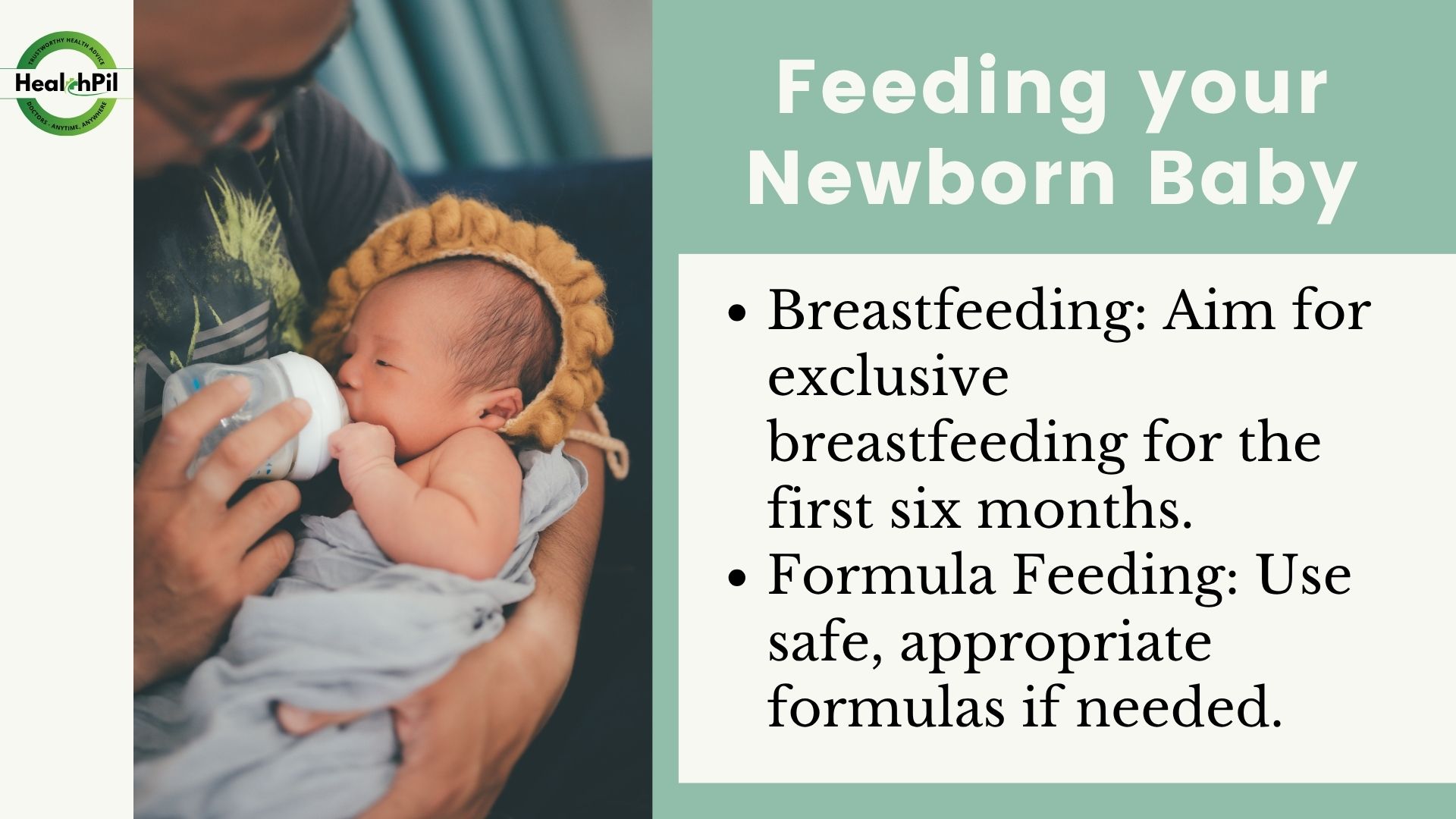
Doctors across India recommend exclusive breastfeeding for the first six months. Breast milk isn’t just food it carries antibodies, growth hormones, and other compounds that formula simply cannot copy. It even changes its composition as the baby grows. Quite remarkable, really.
But breastfeeding isn’t always smooth. Latching trouble, sore nipples, worrying whether the baby’s had enough all common in week one. A lactation consultant helps a lot here. So does an online pediatric consultation, especially on days when stepping out feels like too much.
Formula Feeding for Babies
Sometimes breastfeeding isn’t possible, or a parent simply chooses not to. Formula feeding for babies is a safe, well-studied option in that case. Pick a formula suited to the baby’s age. Follow the mixing instructions exactly never water it down to stretch it further. And sterilise bottles before every single feed.
Signs Your Baby Is Feeding Well
- Six or more wet diapers a day by the end of week one
- Settling calmly after feeds, not fussing endlessly
- Steady weight gain after the usual early dip (babies lose up to 10% of birth weight at first, a little more for premature babies, and most regain it by day 10-14)
- Alert during wake windows
If any of these signs are missing, don’t wait it out. Call the paediatrician sooner.
A healthy newborn usually passes their first stool within 24 hours and first urine within 48 hours. If that hasn’t happened yet, mention it at the next visit.
Establishing a Routine
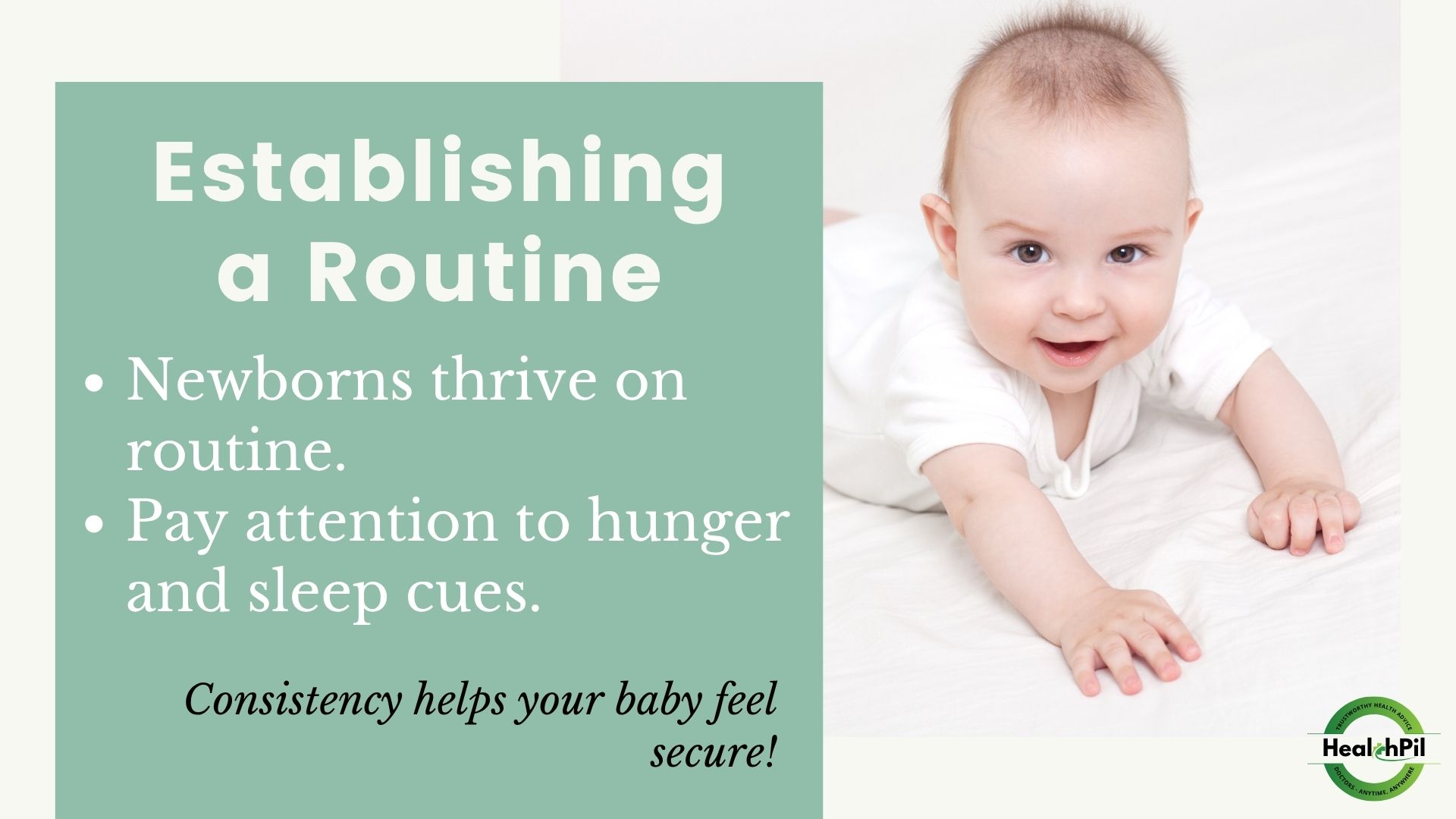
Newborns don’t arrive with a timetable. But they do respond well when one is introduced gently. A feeding gap of roughly two to three hours, paired with a steady sleep pattern, helps babies feel secure. It helps parents stay sane too.
Watch for early hunger signs before the crying starts rooting, sucking on fists, turning the head side to side. Catching these early makes feeds calmer for everyone. The routine doesn’t need to be rigid. Just steady enough that baby and parent both know roughly what comes next.
Safe Handling and Skin-to-Skin Contact
Wash or sanitise hands before touching the baby. Every time. Every person. This one habit does more for infection prevention than almost anything else.
Always support the head and neck while lifting or carrying neck muscles aren’t strong enough yet to hold the head up alone. Never shake a baby, not even in play. It can cause serious, permanent brain damage. Handle gently during baths, feeds, and nappy changes. Babies are sturdier than they look, but they still need calm, careful hands.
Skin-to-skin contact does a lot of quiet work in these early days. It helps regulate body temperature, heart rate, and breathing. It supports breastfeeding. It reduces crying. And it builds the kind of early bond that matters for years afterward.
Delayed cord clamping waiting one to three minutes after birth before cutting the cord is now standard practice in good hospitals. That short wait lets more blood move from the placenta to the baby, which supports iron levels for months.
Bathing, Hygiene, and Umbilical Cord Care
For most new parents, the umbilical cord stump is the scariest-looking part of newborn care at home. It looks fragile. Everyone has different advice about it.
Keep it simple. Keep the stump clean and dry. Fold the diaper down away from it so air can reach the area. Skip full baths until it falls off on its own usually one to two weeks. Never pull it off. If the area turns red, smells bad, swells up, or oozes anything, that’s infection. Call the doctor.
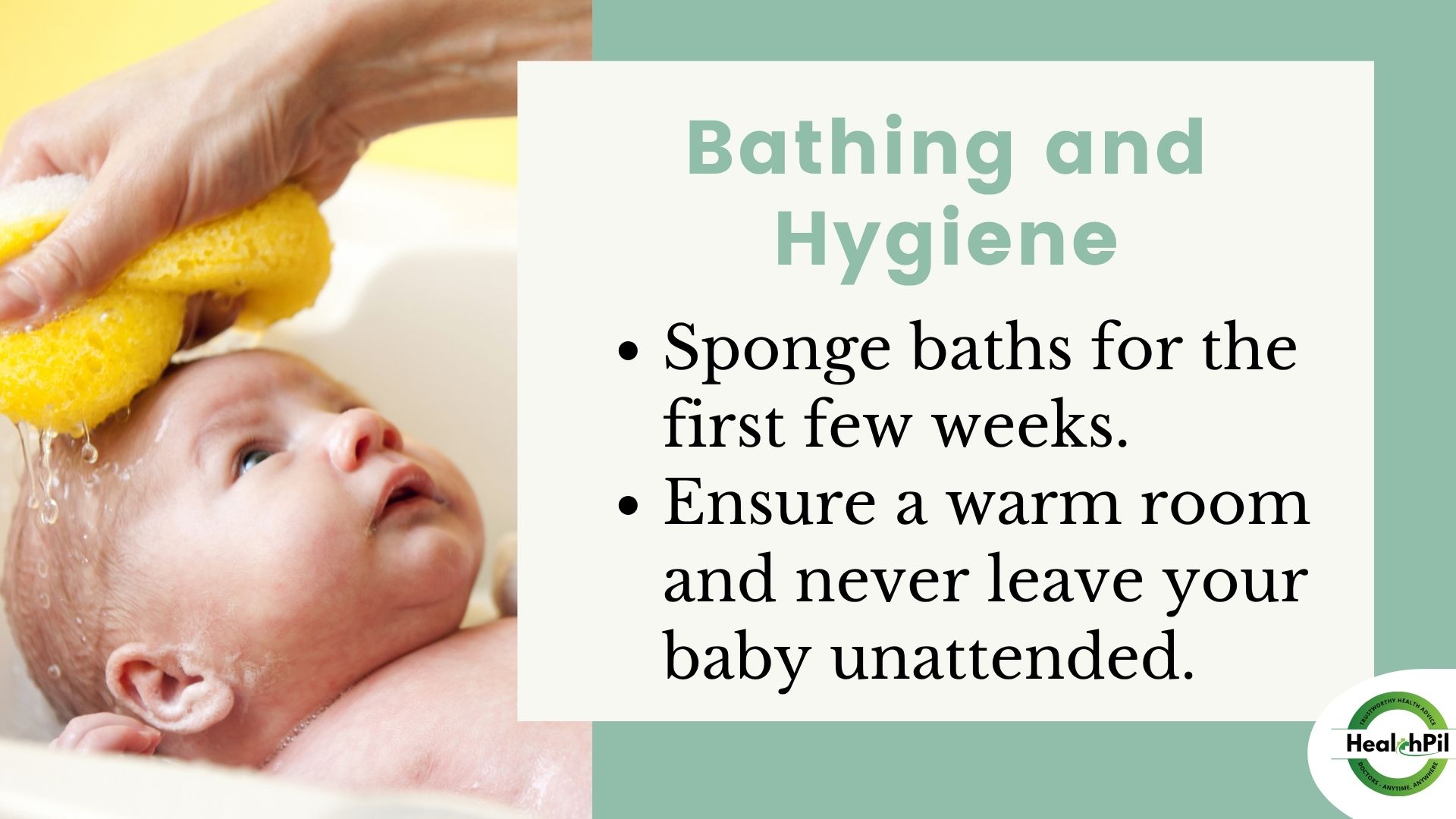
Until the cord heals, a sponge bath is the safest choice. Lukewarm water, soft cloth, gentle hands.
Once the cord is gone, regular baths can start. Keep the room warm babies lose heat fast. Use mild, baby-specific soap only, nothing adult. And never look away during a bath, not even for a second.
Keeping Your Newborn Warm
Newborns can’t shiver to warm themselves, and they lose heat quickly from their head and body. Soft layers, a warm room, no direct fans or draughts all of this matters.
Room temperature around 27 to 29 degrees Celsius works well. Check warmth by feeling the back of the neck, not the hands or feet those stay cooler almost always. Warm neck, settled baby? Temperature’s fine.
Diaper Care and Skin Care
Change nappies often. Sitting in a wet or soiled diaper too long is the main cause of diaper rash in babies. At each change, clean gently with water or unscented wipes. Apply barrier cream if redness shows up.
Skip talcum powder, harsh soaps, and anything scented. Newborn skin is thin and absorbs everything it touches. Gentle and simple wins every time here.
Safe Sleeping Practices
Every safe sleep guideline for newborns exists to lower the risk of Sudden Infant Death Syndrome, or SIDS. These aren’t gentle suggestions. They’re the standard.
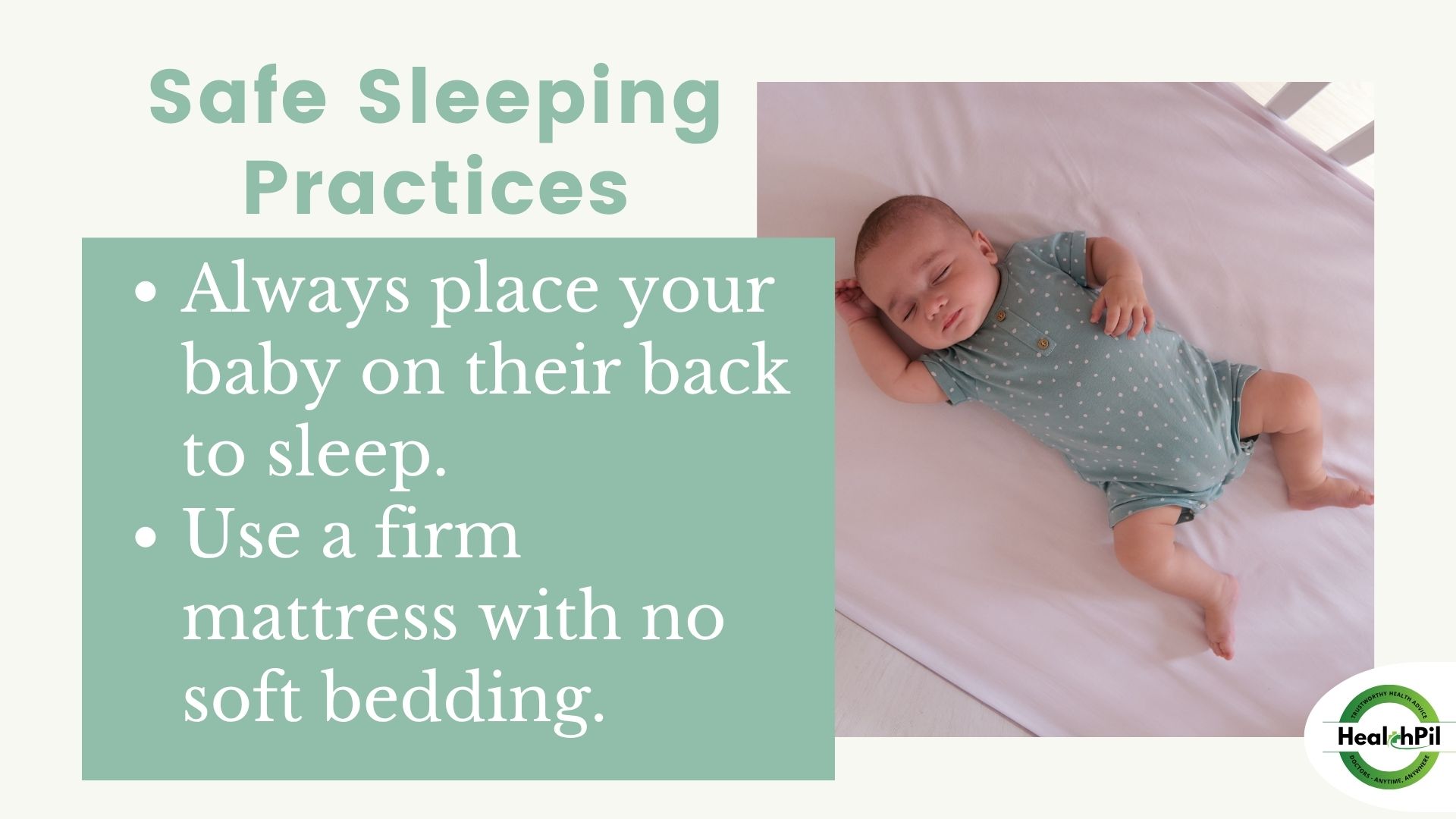
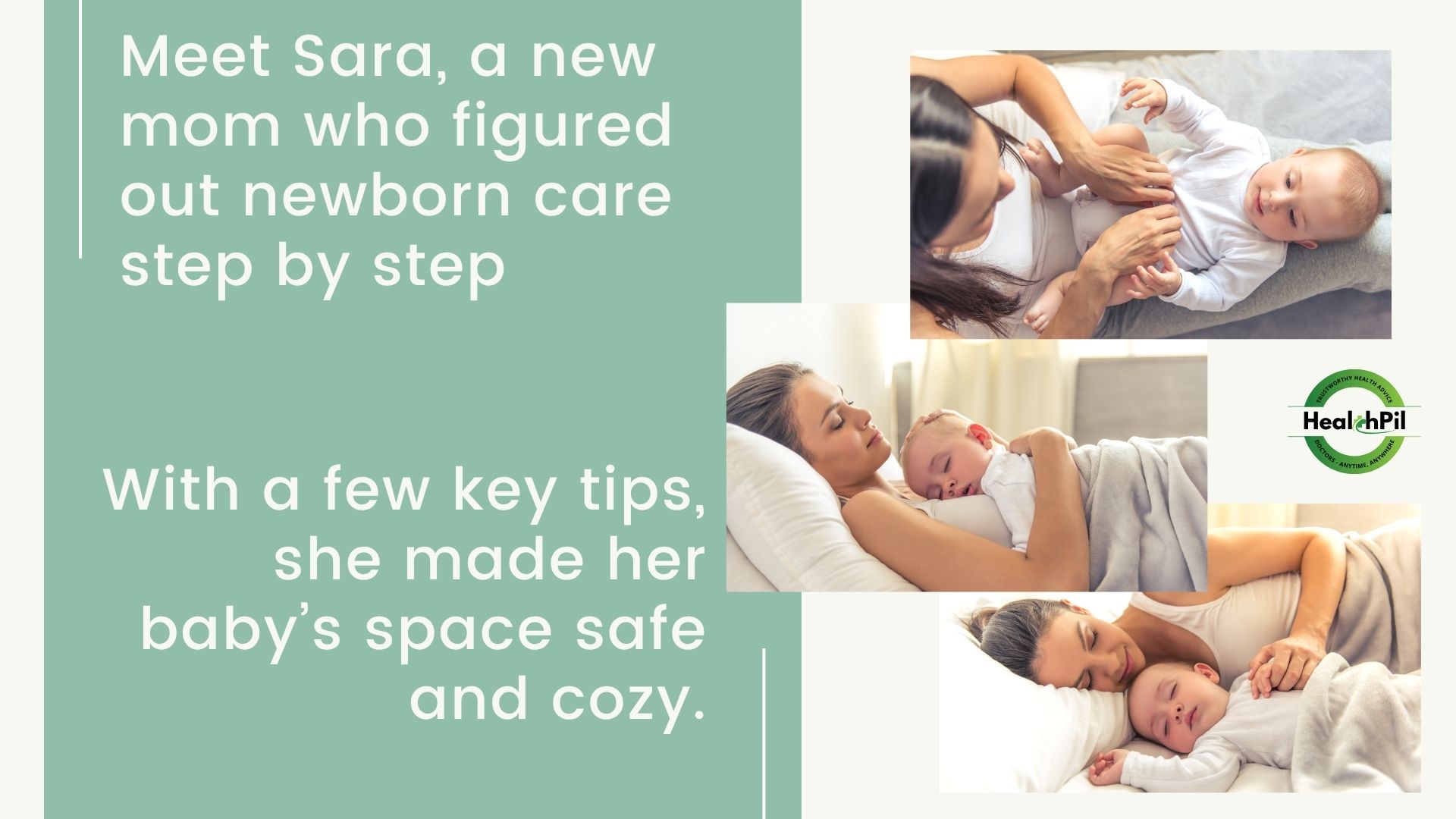
Always place the baby on their back to sleep every nap, every night, every time. Use a firm, flat mattress. No soft bedding, no pillows, no bumpers, no toys nearby. Swaddling can help many babies settle, but keep it loose enough for the hips to move freely.
Room-sharing baby sleeping in the same room as parents, not the same bed is recommended for at least the first six months. It makes night feeds easier and has been linked to lower SIDS risk. Bed-sharing is different, and it isn’t recommended.
Vaccinations and Health Checkups
Newborn vaccinations begin almost right away. The Hepatitis B shot is usually given within 24 hours of birth. The schedule that follows through the first year protects against several serious infections.
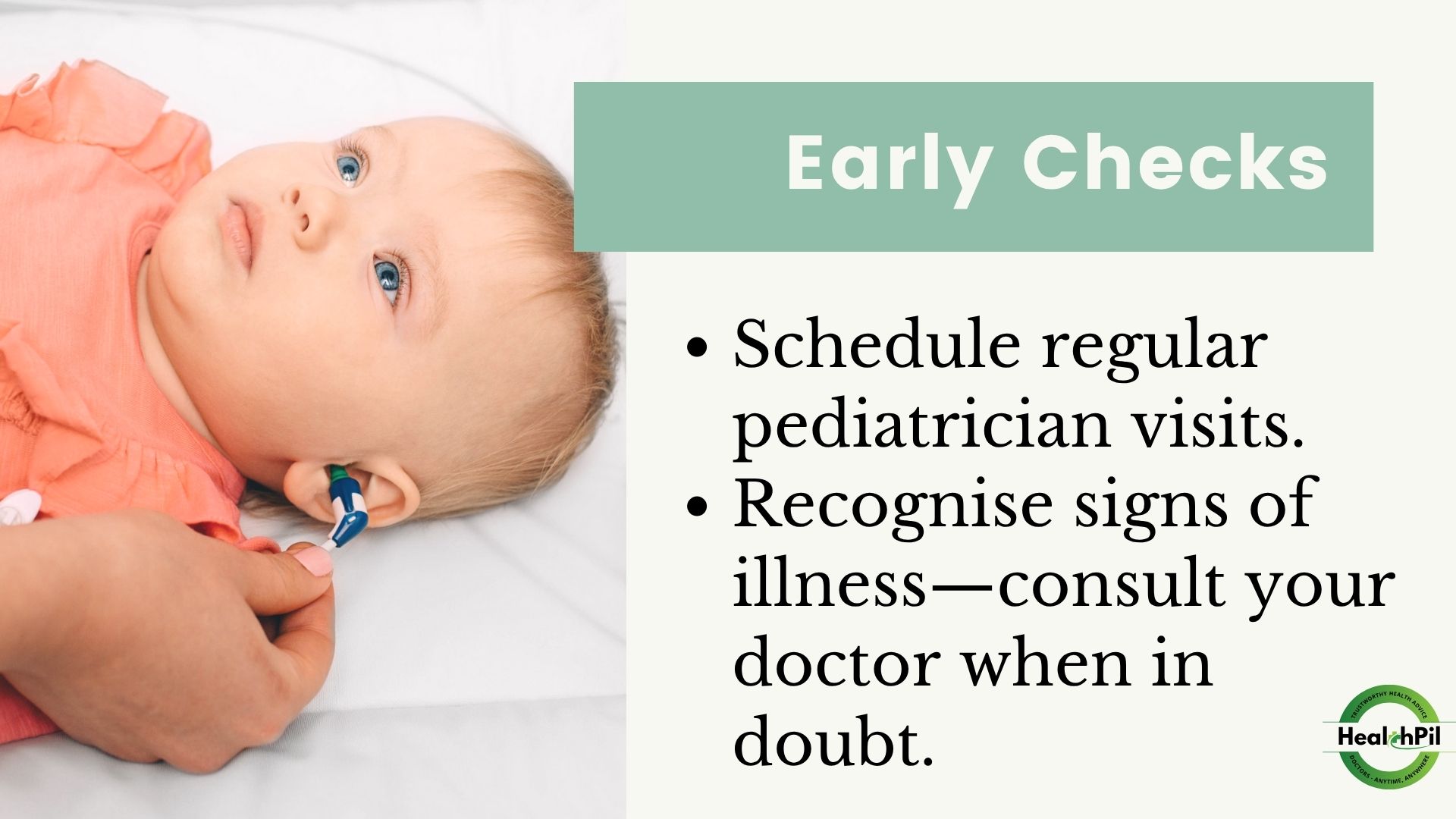
Newborn screening tests hearing checks, metabolic screening are standard, not optional extras. They catch conditions that show no visible symptoms at birth but respond far better to early treatment.
Vitamin K is given as an injection shortly after delivery too. Babies are born with very low vitamin K levels, which puts them at risk of a rare but dangerous bleeding problem. This one shot prevents it.
Regular paediatric checkups track weight, feeding, hearing, vision, and reflexes over time. These visits happen more often in year one than any other year of life, mainly because so much is developing and because problems caught early are almost always easier to manage.
Common Complications to Watch For
Some things are common and usually resolve on their own. Others need quick medical attention.
- Newborn jaundice shows up as yellowing of the skin or eyes, often in the first week. Mild cases often clear up without treatment, but high bilirubin levels need to be checked and sometimes treated. Never leave jaundice unmonitored.
- Colic causes intense, hard-to-soothe crying, often in the evenings, usually starting around 2-3 weeks of age. It’s distressing to witness, but common, and it usually settles by 3-4 months on its own. If the crying comes with fever or feeding trouble, or looks different from typical colic, get it checked.
- Diaper rash, mild skin peeling, and hiccups are all common too, and mostly harmless with basic care.
When to See a Doctor
Call a paediatrician right away if the baby:
- Has a fever or unusually low body temperature
- Struggles to feed, or has a noticeably weak suck
- Shows yellowing of the skin or eyes (jaundice)
- Has trouble breathing, or breathes faster than normal
- Cannot be settled despite everything you try
- Vomits repeatedly, or shows signs of dehydration
- Has redness, swelling, or discharge around the umbilical cord
Some babies need NICU care after birth. Both hospital discharge and NICU discharge come with follow-up instructions for a reason know exactly who to call before you leave the hospital.
If reaching a clinic quickly isn’t possible, an online pediatric consultation works well for an initial assessment. Describe what you’re seeing, when it started, whether the baby is feeding, and what the temperature is. A doctor can then advise how urgently the baby needs to be seen in person.
How HealthPil Can Help
HealthPil connects you with experienced paediatricians who can guide you through every stage of newborn care at home. Whether you need help figuring out a feeding routine, want a second opinion on unusual crying or a rash, or just need reassurance at 2 a.m. expert support is available through an online consultation from wherever you are. Book your pediatric consultation with HealthPil today.
Summary
The first few weeks are hard. Nobody gets it perfectly right, and that’s fine. Good newborn care at home isn’t about being perfect it’s about feeding regularly, keeping things clean, sleeping safely, watching for warning signs, and staying in touch with a paediatrician along the way.
Frequently Asked Questions
How often should I feed my newborn?
Newborns usually need feeding every 2-3 hours, including through the night.
How often should I bathe my newborn?
Sponge baths are recommended until the umbilical cord stump falls off and the area underneath heals fully.
What is the safest sleeping position for newborns?
Babies should always sleep on their backs, on a firm mattress, without pillows or soft toys nearby.
When should I take my newborn to the doctor?
Seek medical attention if your baby has fever, breathing trouble, poor feeding, jaundice, or crying that won’t settle.
Can I get an online consultation for newborn care?
- Yes. Many paediatricians and healthcare platforms, including HealthPil, offer online consultations for newborn care support.
What is the ideal room temperature for a newborn?
- Around 27 to 29 degrees Celsius, without direct fans, coolers, or draughts pointed at the baby.
Is it normal for a newborn to lose weight after birth?
- Yes. A drop of up to 10% of birth weight in the first week is normal, with most babies regaining it by day 10-14.
References
- Perez BP, Mendez MD. Routine Newborn Care. StatPearls Publishing. Available at:
NCBI Bookshelf - Perez BP, Mendez MD. Routine Newborn Care. Available at:
PubMed
Disclaimer
The information provided in this article is for awareness purposes only and should not replace professional medical advice. Always consult your healthcare provider for personalized medical guidance.

Read our editorial policy