




The moment a baby is born, everything changes. The room, the sounds, the air itself feels different. And in that moment before the weighing, before the checks, before the world rushes in there is something extraordinary that can happen if you let it.
Your baby, placed on your bare chest. Skin against skin. Two heartbeats finding each other.
It sounds simple. It is simple. But the science behind what happens in that moment and in the days and weeks that follow is anything but small.
What Is Skin-to-Skin Contact?
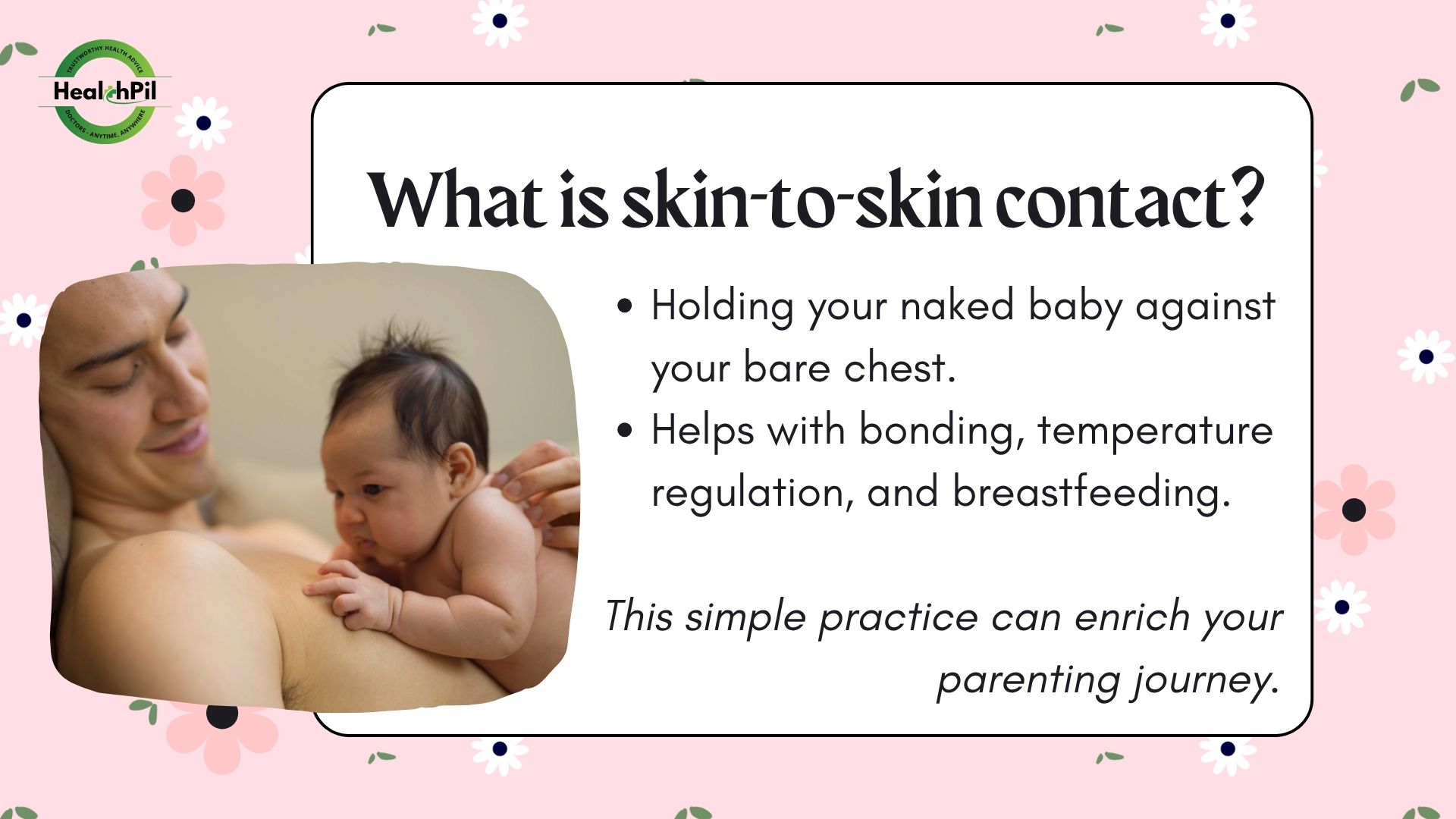
Skin-to-skin contact, also called kangaroo care, is exactly what it sounds like: your naked baby placed directly on your bare chest, held close and kept warm by your body heat. It can happen immediately after birth, during feeding, after a bath, before sleep any time you and your baby are together.
It costs nothing. It requires no equipment. And the healthy benefits of skin-to-skin contact for both baby and parent are backed by decades of research.
The Golden Hour After Birth Why It Matters So Much
The first hour after delivery is called the Golden Hour and it is one of the most significant windows in early newborn care after birth. In this hour, newborns are naturally alert, calm, and ready to connect. Their senses are at their sharpest. They can smell their mother, hear a familiar heartbeat, and begin the process of adapting to life outside the womb.
Skin-to-skin contact immediately after birth during this golden hour helps regulate the baby’s body temperature, stabilise breathing and heart rate, initiate breastfeeding, and begin the emotional bonding with baby that shapes attachment for months to come.
When the golden hour is protected when the baby goes to the chest rather than the warmer the transition from womb to world is gentler for everyone involved.
Benefits of Skin-to-Skin Contact for Babies
Body Temperature Regulation in Newborns
A newborn cannot regulate their own body temperature. At birth, they are moving from a warm, fluid environment to open air and their tiny bodies lose heat rapidly. Newborn body warmth provided through skin-to-skin care is not just comforting. It is physiologically essential. A parent’s chest responds dynamically to the baby’s temperature warming up if the baby is cold, cooling slightly if the baby is too warm. No incubator does this.
Newborn Breathing Stabilisation and Heart Rate
The sound and rhythm of a parent’s heartbeat is something a baby has been hearing for months. Newborn heartbeat regulation and newborn breathing stabilisation both benefit significantly from skin-to-skin contact after birth. Babies held on a parent’s chest show more regular breathing patterns and steadier heart rates as they adjust to life outside the womb.
Baby Calming Techniques The One That Actually Works
Newborn comfort and security begins with physical closeness. Babies who receive regular kangaroo care cry less not because they’re being spoiled, but because the warmth, heartbeat, and familiar voice of a parent communicates safety at a neurological level. If you’re looking for baby soothing techniques that genuinely work, skin-to-skin is the most evidence-based one available.
Newborn Sleep and Relaxation
Newborn sleep and relaxation improve measurably with regular skin-to-skin. Studies consistently show that babies who receive kangaroo care spend more time in deep, restorative sleep. For parents who are already exhausted, a baby who sleeps more soundly is not a small thing.
Newborn Immune Support
Early skin-to-skin contact exposes babies to beneficial bacteria on the mother’s skin bacteria that begin colonising the baby’s own microbiome and contribute to newborn immune support. Combined with the immune benefits of breast milk, this early exposure helps lay the foundation for long-term newborn health and wellness.
Blood Sugar Regulation in Newborns
Skin-to-skin care supports blood sugar regulation in newborns, particularly important in the first hours after birth when blood glucose can drop. The glucose in breast milk, combined with the warmth and calm that kangaroo care provides, helps stabilise this effectively reducing the need for supplemental feeding in otherwise healthy newborns.
Baby Development and Bonding
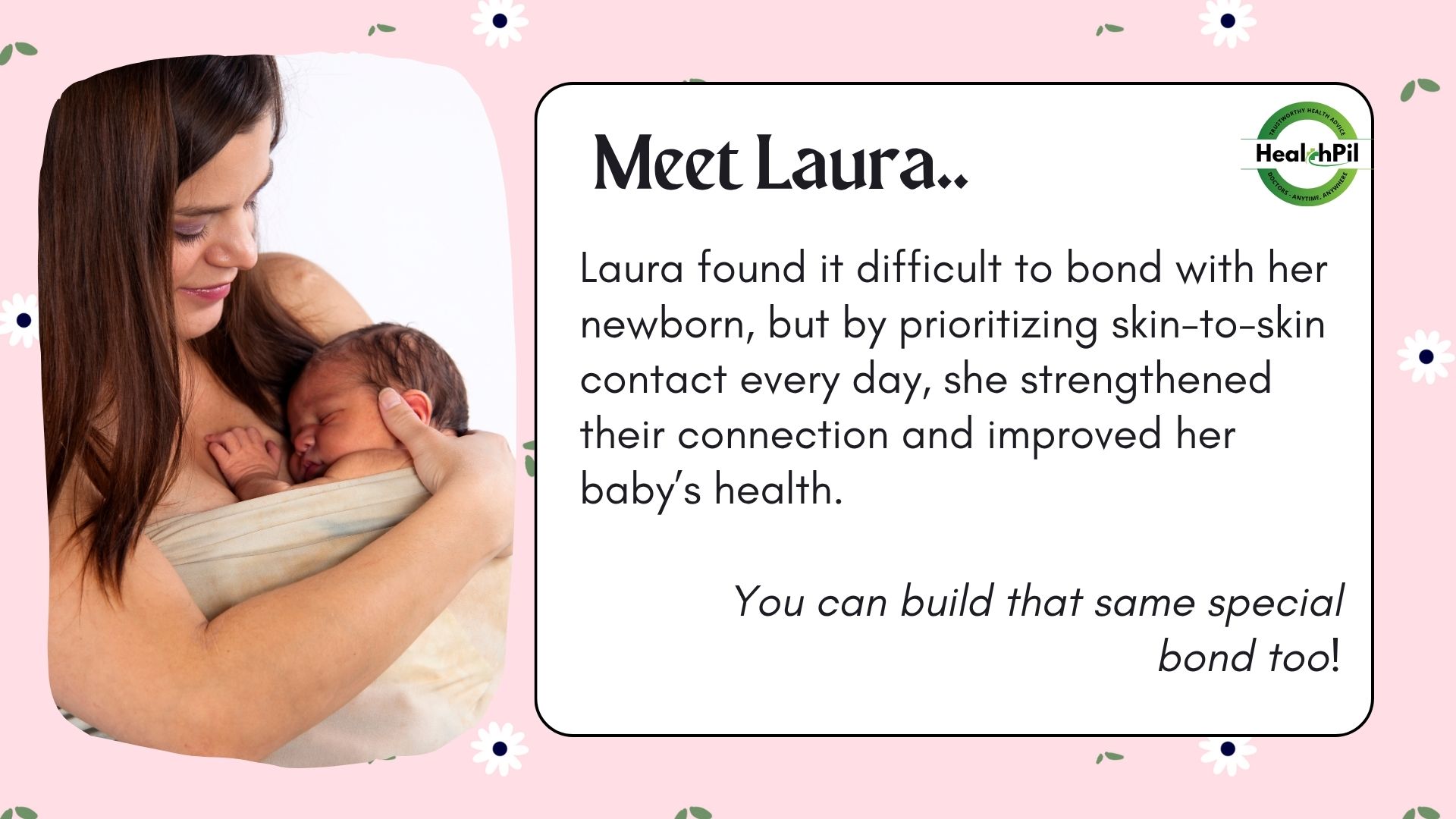
Early bonding with baby through skin contact for newborns supports newborn emotional development in ways that extend well beyond the hospital stay. Babies who receive consistent physical closeness show better emotional security, healthier attachment patterns, and stronger parent infant bonding as they grow. Newborn attachment formed in these early weeks creates a foundation that influences how a child relates to the world.
Benefits of Skin-to-Skin Contact for Mothers
Oxytocin The Love Hormone After Childbirth
Holding your baby skin-to-skin triggers the release of oxytocin often called the love hormone after childbirth in significant amounts. Oxytocin hormone release strengthens the mother baby connection, promotes feelings of calm and protectiveness, and reinforces maternal bonding hormones that are already elevated after delivery. This isn’t just emotional it’s biochemical.
Breast Milk Production and Breastfeeding Support
Skin-to-skin while breastfeeding is one of the most effective ways to establish and maintain milk supply. Skin-to-skin and breastfeeding support each other — the physical closeness stimulates the hormones prolactin and oxytocin that drive breast milk production. Babies placed skin-to-skin immediately after birth are more likely to latch successfully, feed for longer, and breastfeed exclusively. The importance of breastfeeding in newborns cannot be overstated, and kangaroo care is one of the most reliable ways to give it the best possible start.
Stress Reduction After Childbirth
Childbirth is a significant physical and emotional event. Skin-to-skin contact helps lower cortisol the stress hormone in new mothers, providing genuine anxiety reduction for new mothers in the immediate postpartum period. The warmth of the baby on the chest, the smell of the newborn, the sound of breathing all of it signals safety and settledness to the maternal nervous system.
Postpartum Depression Reduction
Research suggests that regular skin-to-skin contact may reduce the risk of postpartum depression and support emotional well-being for mothers. The mechanisms are likely connected to oxytocin, lower cortisol, and the emotional significance of feeling connected to and competent with a new baby. Postpartum care for mothers that includes regular kangaroo care is both simple and meaningful.
Can Fathers Practice Skin-to-Skin Contact?
Yes completely, and it matters enormously.
Dad skin-to-skin benefits are real and well-documented. Father baby bonding through skin-to-skin produces the same oxytocin release, the same calming effect on the baby, and the same strengthening of newborn attachment. Dad and newborn bonding in the early days builds confidence in fatherhood and creates a sense of connection that partners can sometimes feel they’re missing when breastfeeding establishes the primary bond.
Protective bonding with baby is not a maternal instinct. It is a human one. Fathers who hold their babies skin-to-skin regularly report feeling more confident, more competent, and more emotionally connected in the early weeks.
Kangaroo Care Benefits for Premature Babies
For premature and low-birth-weight babies, kangaroo care benefits are even more significant. Premature babies who receive regular skin-to-skin contact show better stabilisation of breathing and heart rate, improved temperature regulation, healthier weight gain, better sleep quality, and stronger neurological development compared to those who spend more time in incubators without parental contact.
Many neonatal units now actively encourage parents to practice skin-to-skin with premature babies as soon as it is medically safe to do so because the evidence for its impact on healthy baby growth and newborn support after delivery is so strong.
How to Practice Skin-to-Skin Contact
Starting is simple:
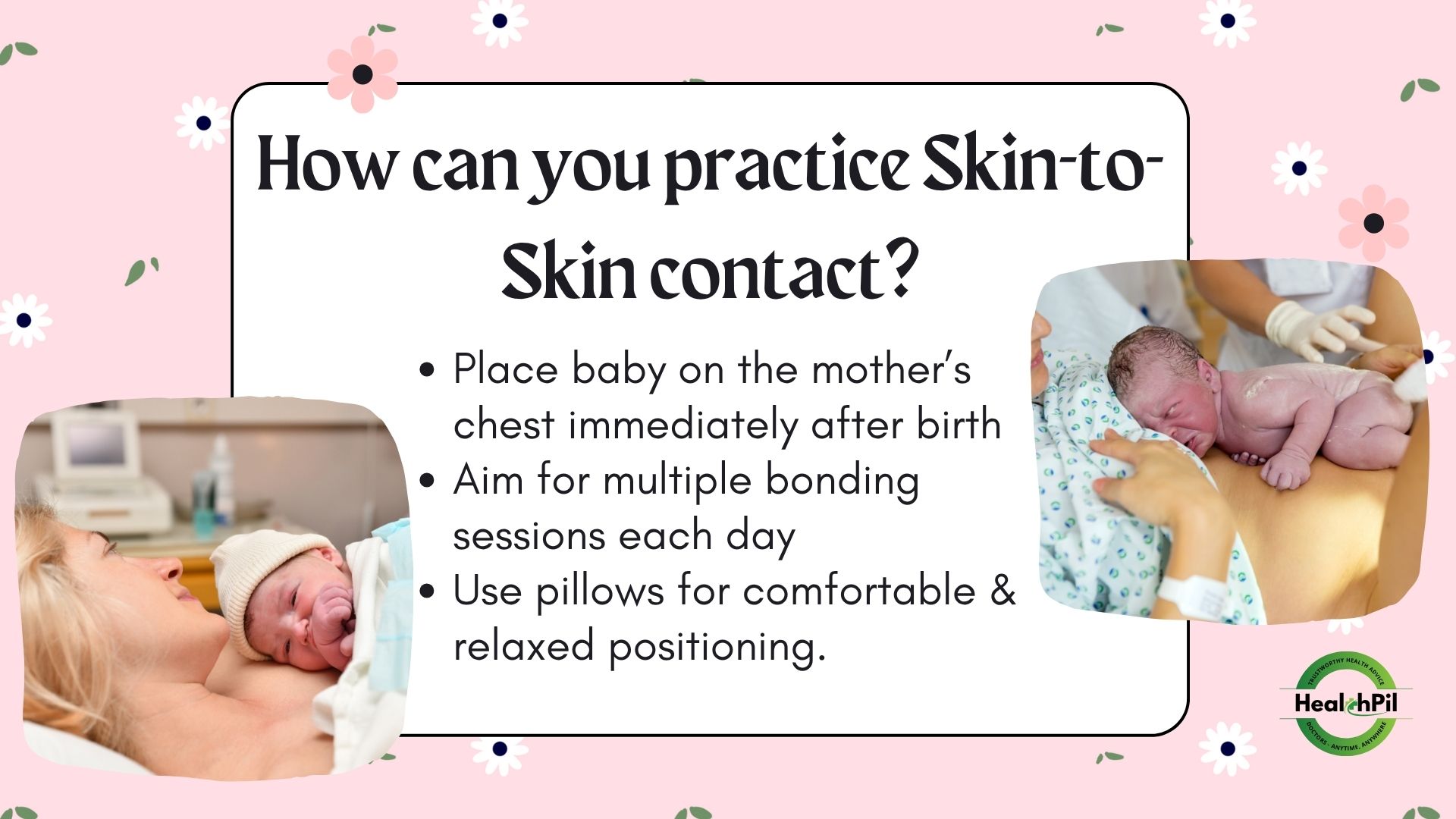
After delivery, ask for your baby to be placed directly on your bare chest ideally within the first hour of life, unless there are medical reasons that prevent this. Keep the room warm and quiet. Dim lighting helps both of you settle.
Continue a skin-to-skin routine for newborns at home during feeding, after baths, before sleep, or simply whenever you want closeness. There is no minimum or maximum. More is more, within safe limits.
Find a comfortable position sitting reclined or lying down, with pillows supporting your arms and back. The baby should be upright on your chest, their cheek against your skin, with their head turned to keep their airway clear.
Safety Tips
Baby cuddling after birth and beyond is safe with a few important principles:
Always ensure your baby’s nose and mouth remain uncovered. Never fall asleep with your baby on a soft surface like a sofa if you feel yourself getting drowsy, move the baby to a safe sleep space. Keep the room comfortably warm. Avoid strong perfumes or scented lotions on the skin that will be in contact with your baby.
When to Speak With a Doctor
Speak with a healthcare provider if your baby has difficulty breathing, is not feeding well, has a low body temperature, cries persistently, or shows any signs of illness. Premature babies and babies with medical conditions may need additional guidance for safe kangaroo care always follow the advice of your neonatal team.
If you have questions about breastfeeding and bonding, newborn parenting tips, or postpartum recovery, an online consultation with a paediatrician or lactation consultant is now easily accessible from home.
How HealthPil Can Help
HealthPil connects new parents with experienced paediatricians, lactation consultants, and maternal care specialists who can provide guidance on newborn care after birth, breastfeeding support, baby care tips, and postpartum care for mothers all from the comfort of home.
Whether you have questions about kangaroo care, breastfeeding, your baby’s development, or your own recovery expert support is just a few clicks away. Book your online consultation with HealthPil today.
Summary
Skin-to-skin contact is one of the simplest and most powerful things a parent can do for a newborn. From body temperature regulation and newborn breathing stabilisation, to breast milk production, postpartum depression reduction, and deep emotional bonding with baby the benefits extend across every dimension of early health. It costs nothing. It requires nothing except your presence. And for your baby, your bare chest is the safest, warmest, most familiar place in the world.
Frequently Asked Questions
Can I practice skin-to-skin contact if I had a C-section?
Yes, skin-to-skin contact can be initiated in the operating room if the mother’s condition allows it.
How long should skin-to-skin contact last?
Aim for at least 30 minutes per session, but longer durations are encouraged whenever possible.
What if my baby doesn’t want to be held skin-to-skin?
If your baby shows signs of discomfort, try again later. Every baby is different, and they may take time to adjust.
Can dads also practice skin-to-skin contact?
Absolutely! Dads can and should participate in skin-to-skin contact to foster bonding.
What should I wear during skin-to-skin contact?
A loose-fitting shirt or a specially designed skin-to-skin shirt can be helpful to keep your baby close.
References
- Moore ER, Brimdyr K, Blair A, et al. Immediate or Early Skin-to-Skin Contact for Mothers and Their Healthy Newborn Infants. Available at:
PubMed - Brimdyr K, Stevens J, Svensson K, et al. Skin-to-Skin Contact After Birth: Developing a Research and Practice Guideline. Available at:
PubMed
Disclaimer
The information provided in this article is for awareness purposes only and should not replace professional medical advice. Always consult your healthcare provider for personalized medical guidance.

Read our editorial policy