

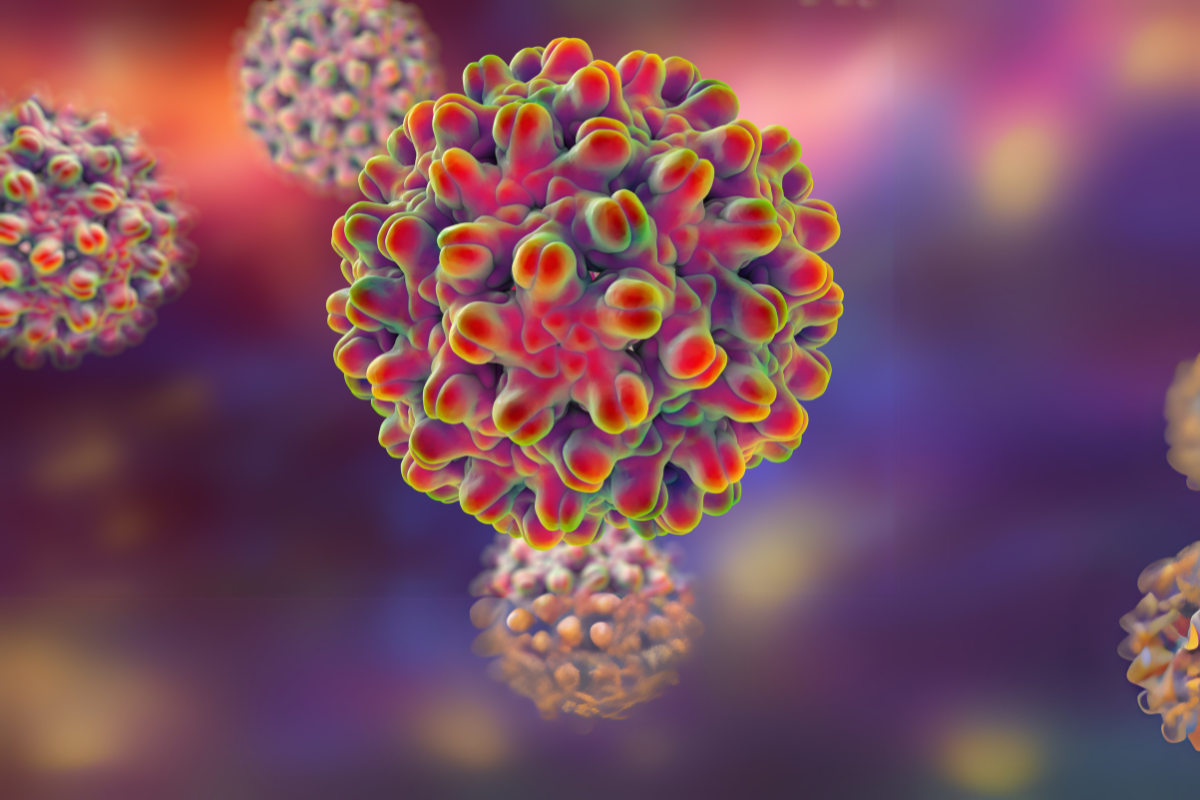
Hepatitis B is one of those infections that most people assume won’t happen to them until it does. A routine blood test before surgery. A blood donation camp. A health screening at work. That’s often how people find out they’ve been carrying the virus, sometimes for years, without a single symptom.
In India, an estimated 40 million people live with chronic HBV infection. Many don’t know it. And for a significant number of them, the first indication of a problem isn’t a positive blood test it’s a diagnosis of cirrhosis or liver cancer, decades after the infection was acquired.
Understanding how hepatitis B spreads, what it does to the liver, and what can be done about it at every stage is genuinely important. Not just for people who’ve been diagnosed, but for everyone.
What is Hepatitis B?
Hepatitis B is a viral liver infection caused by the hepatitis B virus (HBV). The virus attacks liver cells directly, triggering inflammation that, in chronic cases, drives progressive liver scarring over years and decades.
The outcome of HBV infection depends largely on when it’s acquired. Babies infected at birth have a 90% chance of developing chronic hepatitis B. Adults infected have a 5-10% chance of chronicity most clear the virus on their own within six months.
Acute hepatitis B A short-term infection lasting less than six months. In most healthy adults, the immune system clears the virus completely. Some experience symptoms; many don’t. Full recovery is the norm.
Chronic hepatitis B Infection that persists beyond six months. The immune system hasn’t cleared the virus. This is the form that causes long-term liver damage cirrhosis, liver failure, and liver cancer if not managed.
Hepatitis B carrier state Some individuals carry the virus without symptoms and with minimal liver activity. They can still transmit the infection to others. Carrier status requires regular monitoring because disease activity can change over time.
How Hepatitis B Spreads
Its transmission occurs through direct contact with infected blood or bodily fluids.
HBV is present in blood, semen, vaginal fluids, and other bodily fluids of infected individuals. It is significantly more infectious than HIV a single needlestick exposure carries a real transmission risk.
Common modes of hepatitis B transmission:
- Mother to child transmission — the most common route in India. An infected mother can pass HBV to her baby during childbirth. Without intervention vaccination and HBIG within 12 hours of birth transmission rates are high
- Unprotected sex — sexual contact with an infected person is a significant transmission route, particularly with multiple partners
- Needle sharing — sharing needles, syringes, or drug paraphernalia among people who inject drugs
- Infected blood exposure — blood transfusions before modern screening, needlestick injuries in healthcare workers, and contaminated medical or dental equipment
- Sharing razors or toothbrushes — items that may carry trace amounts of blood can transmit HBV in household settings
- Tattooing and piercing — with non-sterile equipment
HBV does not spread through casual contact hugging, sharing food, coughing, or using the same toilet.
Early Symptoms of Hepatitis B
The early symptoms of Hepatitis B are often mild and can easily be mistaken for a common viral illness. Some people may not notice any symptoms at all during the early stage of infection.
- Fatigue – Persistent tiredness that does not improve with rest.
- Loss of appetite – Reduced interest in eating, especially during the early stage of infection.
- Nausea – Feeling sick or uncomfortable in the stomach.
- Low-grade fever – Mild fever that may appear during the initial infection.
- Dark urine – Urine may become darker than usual due to increased bilirubin levels.
- Joint pain – Mild aches in the joints can occur in some people.
Symptoms of Hepatitis B
As Hepatitis B progresses, symptoms may become more noticeable. While some people continue to have no symptoms, others may experience the following:
Jaundice
Jaundice is one of the most recognizable symptoms of Hepatitis B. It causes yellowing of the skin and the whites of the eyes because the damaged liver cannot remove bilirubin properly from the body.
Fatigue and Weakness
Persistent tiredness is a common symptom of Hepatitis B. Many people feel exhausted even after getting enough rest, making everyday activities more difficult.
Upper Right Abdominal Pain
Pain or discomfort in the upper right side of the abdomen may occur because the liver becomes inflamed or enlarged during the infection.
Dark Urine
The urine may become dark brown or tea-coloured due to increased bilirubin levels. This is often one of the early visible signs of liver dysfunction.
Pale or Clay-Coloured Stools
When the liver cannot release enough bile into the digestive tract, stools may appear pale or clay-coloured.
Nausea and Vomiting
Many people experience nausea, vomiting, or a general feeling of sickness, especially during the acute stage of Hepatitis B.
Loss of Appetite
People with Hepatitis B often lose interest in eating, which may lead to unintended weight loss and weakness.
Joint Pain
Some individuals develop joint pain because the body’s immune response to the hepatitis B virus can temporarily affect the joints.
Fever
A mild fever may occur during the early stages of acute Hepatitis B as the immune system responds to the infection.
Who Is at Higher Risk?
Understanding hepatitis B risk factors helps identify who needs testing and vaccination most urgently.
- Babies born to infected mothers highest risk group globally
- Healthcare workers with regular blood exposure
- People with multiple sexual partners
- Individuals who inject drugs
- Dialysis patients
- Household contacts of someone with chronic hepatitis B
- People who received blood transfusions before modern screening protocols
Diagnosis of Hepatitis B
Several blood tests are used to diagnose, classify, and monitor HBV infection:
- HBsAg test Hepatitis B surface antigen the primary screening test. A positive result means the virus is currently present in the body. Present in both acute and chronic infection.
- Anti-HBs test Hepatitis B surface antibody indicates either successful vaccination or recovery from past infection. A positive result means immunity.
- HBV DNA test Measures the actual amount of virus in the blood the viral load. Used to assess disease activity, guide treatment decisions, and monitor response to antiviral therapy.
- Liver function tests ALT and AST levels indicate whether the liver is actively inflamed. Normal liver function tests don’t rule out liver damage they need to be interpreted alongside viral load and imaging.
- Ultrasound for liver damage Assesses liver size, texture, and early signs of cirrhosis or liver cancer. Done regularly in chronic hepatitis B patients.
- Liver biopsy When the degree of fibrosis is unclear from non-invasive tests, a liver biopsy provides a direct tissue assessment. Used when treatment decisions depend on knowing the exact stage of liver damage.
Complications of Hepatitis B
Chronic HBV infection left untreated drives progressive liver damage:
- Liver scarring and cirrhosis — repeated inflammation leads to fibrosis and eventually cirrhosis, disrupting normal liver architecture and function
- Liver failure — the liver loses its ability to perform essential functions. End-stage liver disease requiring transplant
- Liver cancer (hepatocellular carcinoma) — chronic HBV infection is one of the strongest risk factors for liver cancer globally, even in the absence of cirrhosis. Regular surveillance with ultrasound and AFP blood test is essential
- Kidney disease — HBV can cause immune-mediated kidney damage in some patients
- Long-term liver damage that may remain subclinical for decades before manifesting as cirrhosis
Treatment of Hepatitis B
Most cases in adults resolve without treatment. Management is supportive rest, adequate hydration, avoiding alcohol, and monitoring liver function. Antiviral treatment is considered in severe acute cases.
Antiviral treatment for chronic hepatitis B The goal of antiviral therapy is to suppress viral replication to undetectable levels protecting the liver from further damage and reducing the risk of cirrhosis and liver cancer. It does not eradicate the virus in most cases but keeps it controlled long-term.
- Tenofovir — the preferred first-line antiviral. Highly effective, well-tolerated, low resistance rates. Safe in pregnancy
- Entecavir — another first-line option, equally effective with an excellent resistance profile
- Lamivudine — older drug, largely replaced by tenofovir and entecavir due to higher resistance rates. Still used in some settings
Treatment is typically long-term sometimes lifelong in chronic hepatitis B. Stopping antiviral treatment without specialist guidance can cause dangerous viral rebound.
Hepatitis B immune globulin (HBIG injection) Used in specific situations newborns of infected mothers, and people with significant exposure to HBV who are unvaccinated. Provides immediate short-term antibody protection while the vaccine takes effect.
Regular monitoring Even in patients not on antiviral treatment, regular liver function tests, HBV DNA levels, and liver imaging are essential. Disease activity in chronic hepatitis B can change unpredictably, and monitoring allows treatment to start at the right time.
Prevention of Hepatitis B
- Hepatitis B vaccine The most important preventive measure. Highly effective three doses produce immunity in over 95% of recipients. Part of India’s national immunisation programme. All newborns should receive the first dose within 24 hours of birth. Adults at risk who haven’t been vaccinated should get vaccinated.
- Safe sex practices Consistent condom use reduces transmission risk significantly.
- Avoid sharing needles and razors Any item that may contact blood should never be shared.
- Sterile medical and dental equipment Ensure any procedure involving needles or instruments is done with sterile, single-use equipment.
- Screening in pregnancy All pregnant women should be screened for HBsAg. Infected mothers and their newborns need immediate intervention HBIG and vaccine within 12 hours of birth.
Lifestyle Tips for People With Hepatitis B
- Avoid alcohol completely — alcohol directly damages liver cells and accelerates fibrosis in an already-compromised liver
- Healthy diet for liver health — fruits, vegetables, whole grains, lean protein. No specific miracle foods, just consistent good nutrition
- Avoid smoking — smoking is an independent risk factor for liver cancer in hepatitis B patients
- Stay hydrated
- Exercise regularly — supports healthy weight, reduces fatty liver risk, improves overall metabolic health
- Never self-medicate — many over the counter drugs and herbal supplements are hepatotoxic. Any medication should be discussed with the treating hepatologist
Can Hepatitis B Be Cured?
Acute hepatitis B in adults resolves on its own in most cases complete cure with lasting immunity.
Chronic hepatitis B currently has no widely available cure, though research into functional cure where the virus is suppressed to levels that can’t cause damage is advancing. What current antiviral treatment does is suppress the virus effectively enough to prevent liver damage, reduce cirrhosis risk, and dramatically lower liver cancer risk. People on effective antiviral therapy live normal lifespans with normal liver function.
When Should You See a Doctor?
Seek immediate medical attention if you develop jaundice, severe abdominal pain, persistent vomiting, dark urine, abdominal swelling, or blood in vomit or stool. Get tested for hepatitis B if you are pregnant, have a family member with hepatitis B, have had unprotected sex with multiple partners, have ever shared needles, or work in healthcare with blood exposure. Book an online liver consultation through HealthPil for a hepatologist consultation from home to discuss diagnosis, treatment, monitoring, or vaccination guidance without a long wait.
How HealthPil Can Help
HealthPil connects you with experienced hepatologists and liver specialists who manage hepatitis B regularly from initial diagnosis and treatment decisions to long-term monitoring and liver cancer surveillance. Expert liver disease management is available through an online consultation, at a time that works for you.
Summary
Hepatitis B is a viral liver infection that can spread through infected blood, sexual contact, and from mother to baby during childbirth. While acute hepatitis B often resolves on its own, chronic hepatitis B can lead to serious complications such as cirrhosis, liver failure, and liver cancer if left untreated.
Early diagnosis, regular monitoring, antiviral treatment when needed, and Hepatitis B vaccination are key to preventing complications. If you have symptoms or are at risk, consult a liver specialist for timely evaluation and appropriate care.
FAQs
1. What are the early symptoms of Hepatitis B?
Many people with Hepatitis B do not have symptoms in the early stages. When symptoms occur, they may include fatigue, jaundice, dark urine, abdominal pain, nausea, loss of appetite, and fever.
2. How does Hepatitis B spread?
Hepatitis B spreads through contact with infected blood or body fluids. Common modes of transmission include unprotected sex, sharing needles, mother-to-child transmission during childbirth, and exposure to contaminated blood or medical equipment. It does not spread through casual contact such as hugging, sharing food, or coughing.
3. Can Hepatitis B be cured?
Acute Hepatitis B usually clears on its own in most healthy adults. Chronic Hepatitis B cannot usually be cured, but antiviral medications can control the virus, reduce liver damage, and lower the risk of cirrhosis and liver cancer.
4. How is Hepatitis B diagnosed?
Doctors diagnose Hepatitis B using blood tests such as the HBsAg test, Anti-HBs test, HBV DNA test, and liver function tests (LFTs). Imaging tests like ultrasound and FibroScan may also be recommended to assess liver damage.
5. Can Hepatitis B be prevented?
Yes. Hepatitis B can be prevented with vaccination, practicing safe sex, avoiding sharing needles or personal items that may contain blood, and ensuring pregnant women are screened and treated appropriately to reduce transmission to the baby.
6. When should I see a doctor for Hepatitis B?
You should consult a doctor if you develop symptoms such as jaundice, dark urine, severe abdominal pain, persistent fatigue, nausea, or if you believe you have been exposed to the Hepatitis B virus. Early diagnosis and treatment can help prevent serious liver complications.
7. Can I consult a liver specialist online for Hepatitis B?
Yes. If you have Hepatitis B, abnormal liver function tests, or concerns about vaccination, treatment, or long-term monitoring, you can book an online consultation with an experienced liver specialist through HealthPil for expert advice and personalized care.
References
- Tripathi N, Mousa OY. Hepatitis B. StatPearls Publishing. Available at:
NCBI Bookshelf - Dienstag JL. Hepatitis B Virus Infection. New England Journal of Medicine. Available at:
PubMed
Disclaimer:
This information is for educational purposes and should not replace professional medical advice. Always consult a healthcare provider for personalised recommendations.

Read our editorial policy