

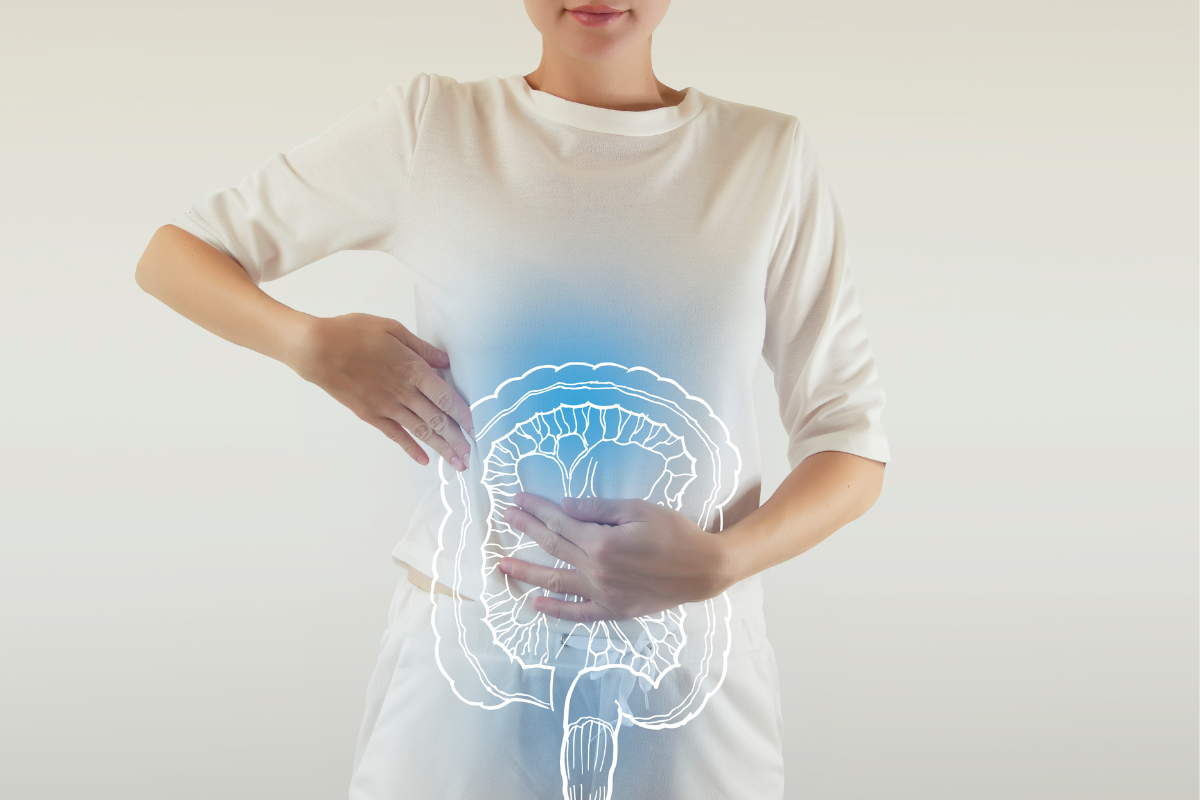
Your stomach has been off for weeks.
The diarrhoea keeps coming back. Sometimes there’s blood. You’re exhausted in a way that eight hours of sleep doesn’t fix. And somewhere along the way you started planning your entire day around bathroom access.
This isn’t just a sensitive stomach. And it isn’t stress. These are symptoms that need a proper diagnosis because they could be Inflammatory Bowel Disease.
What Is Inflammatory Bowel Disease?
Most people haven’t heard of it until they’re diagnosed with it.
Inflammatory Bowel Disease or IBD is a chronic autoimmune condition. The immune system, which is supposed to protect the body, turns on the digestive tract instead. It attacks healthy intestinal tissue. The result is ongoing gut inflammation that doesn’t switch off, damages the bowel lining over time, and comes and goes in cycles of flare-ups and remission.
It is not a food intolerance. It is not anxiety. It is a medical condition driven by immune dysfunction.
Left untreated, chronic intestinal inflammation causes progressive damage. With the right management, most people with IBD can achieve long periods where symptoms are minimal or absent.
According to research published in the Journal of Gastroenterology and Hepatology, IBD cases in India are rising particularly in cities driven by dietary shifts, reduced gut microbiome diversity, and environmental changes.
Types of IBD Crohn’s Disease and Ulcerative Colitis
Two main conditions fall under the IBD umbrella. They share symptoms but behave differently.
Crohn’s Disease
Crohn’s disease can affect any part of the digestive tract from the mouth to the anus. It most often involves the small intestine and colon. Inflammation goes deep through multiple layers of the intestinal wall and appears in patches rather than continuously.
Crohn’s disease symptoms include abdominal pain, chronic diarrhoea, weight loss, and fatigue. Complications like fistulas and bowel strictures are more common here than in the other form. Surgery removes damaged sections but doesn’t cure the disease.
Ulcerative Colitis
Ulcerative Colitis stays in the colon and rectum. The inflammation is limited to the inner lining and spreads continuously rather than in patches.
Ulcerative Colitis symptoms include bloody diarrhoea, rectal bleeding, cramping, and an urgent, difficult-to-control need to use the bathroom. In severe cases, surgical removal of the colon is the only cure for this specific form.
IBD vs IBS What’s the Difference?
People confuse these two constantly. They are not the same thing.
IBD | IBS | |
What it is | Autoimmune bowel disease | Functional digestive disorder |
Inflammation | Yes — chronic gut inflammation | None |
Bowel damage | Can happen | Never |
Bloody stools | Common | Rare |
Diagnosis | Colonoscopy, biopsy | Based on symptoms |
Treatment | Medications, sometimes surgery | Diet and lifestyle |
The difference between IBD and IBS matters because the treatments are completely different. IBD requires medical intervention to control immune-driven colon inflammation. IBS is managed through diet and stress reduction. A gastroenterologist can separate the two with proper testing.
Symptoms of IBD
IBD symptoms vary between people and between the two main types. They also shift over time worse during an IBD flare-up, better during IBD remission.
Chronic diarrhoea — persistent loose stools that don’t settle with usual remedies. One of the most consistent Inflammatory Bowel Disease symptoms in both conditions.
Bloody stool and bloody diarrhoea — blood in the stool, bright red or dark. Particularly common in Ulcerative Colitis. Always worth investigating.
Rectal bleeding — blood from the rectum, sometimes without stool.
Abdominal pain and abdominal cramping — often worse before or after bowel movements. In Crohn’s disease, typically felt in the lower right abdomen.
Bloating — persistent abdominal distension that doesn’t resolve with dietary changes.
Fatigue — not ordinary tiredness. A heavy, constant exhaustion from ongoing inflammation and often anaemia running underneath.
Weight loss — unintentional, from reduced appetite, poor nutrient absorption, and the energy demands of chronic disease.
Loss of appetite — eating often makes symptoms worse, so people eat less.
Fever — low-grade fever during active flare-up episodes.
Malnutrition — impaired absorption causes deficiencies in iron, B12, vitamin D, and calcium over time.
If any of these have been present for more than two weeks especially bloody stool, weight loss, or severe cramping see a gastroenterologist.
IBD Causes and Risk Factors
Nobody chooses to develop IBD. The exact cause isn’t fully understood. What’s clear is that it develops from a combination of genetic predisposition, immune dysfunction, gut microbiome imbalance, and environmental triggers working together.
Family history — a first-degree relative with Crohn’s disease or Ulcerative Colitis meaningfully raises risk.
Genetic predisposition — specific gene variants are associated with higher susceptibility to autoimmune bowel disease.
Gut microbiome imbalance — reduced diversity of gut bacteria is increasingly recognised as a contributing factor. Antibiotic use, processed diets, and certain environmental exposures all affect this balance.
Smoking — strongly linked to Crohn’s disease. Worsens disease activity and complication risk.
Processed or high-fat diet — diets low in fibre and high in processed foods are associated with more frequent flare-up episodes.
Previous intestinal infections — can trigger immune dysregulation that persists beyond the infection.
Chronic stress doesn’t cause IBD but consistently triggers flare-ups in people who already have it.
Autoimmune disorders — having another autoimmune condition increases the likelihood of developing digestive tract inflammation.
How Is IBD Diagnosed?
Because IBD symptoms overlap with other digestive conditions, proper testing is essential before treatment begins.
Blood tests — check for anaemia, elevated inflammatory markers, and nutritional deficiencies common in IBD.
Stool test — measures faecal calprotectin, a protein released during active intestinal inflammation. High levels suggest IBD rather than IBS.
Colonoscopy — the most important diagnostic tool. A camera passes through the entire colon and rectum, showing the intestinal lining directly, identifying colon inflammation, and allowing tissue sampling. Colonoscopy distinguishes Crohn’s disease from Ulcerative Colitis and assesses how severe and extensive the disease is.
CT scan and MRI — detailed imaging of the whole digestive tract. MRI is particularly useful for assessing small bowel Crohn’s disease and identifying fistulas or abscesses.
Biopsy — tissue samples from colonoscopy are examined under a microscope to confirm the diagnosis and assess bowel damage.
Early IBD diagnosis means treatment starts before significant bowel damage accumulates and that changes long-term outcomes significantly.
IBD Treatment Options
No permanent cure exists yet. But IBD treatment has advanced significantly and most people with the right treatment plan achieve long remission periods and live well.
Aminosalicylates — reduce colon inflammation directly. Most effective for mild to moderate Ulcerative Colitis.
Corticosteroids — powerful anti-inflammatory medications for short-term control of severe flare-ups. Not suitable long-term.
Immunosuppressants — azathioprine and methotrexate suppress the immune response that drives chronic intestinal inflammation. Used as maintenance therapy in both Crohn’s disease treatment and Ulcerative Colitis treatment.
Biologic therapy — one of the biggest advances in IBD management. Medications like infliximab and adalimumab target specific inflammatory proteins. Biologic therapy is used for moderate to severe disease that hasn’t responded to other treatments. It has transformed outcomes for many patients with difficult disease.
Antibiotics — for infections and complications like fistulas in Crohn’s disease.
Surgery — when medications aren’t enough. For Crohn’s disease, surgery removes damaged bowel sections but doesn’t cure it. For severe Ulcerative Colitis, colectomy removes the colon and can effectively cure that form of the disease.
IBD Diet What to Eat and Avoid
Diet doesn’t cause IBD but it matters significantly for managing symptoms and preventing nutritional deficiencies.
Foods to eat with IBD:
Lean proteins chicken, fish, eggs. Rice, bananas, oatmeal easy to digest during flare-ups. Yogurt and probiotics if tolerated. Plenty of fluids essential during diarrhoea.
Foods to avoid with IBD:
Spicy foods. Fried and high-fat foods. Alcohol. Carbonated drinks. Highly processed foods.
Triggers vary between individuals. A food diary helps identify personal patterns. Always work with a gastroenterologist or registered dietitian before making major changes.
Lifestyle Tips for Living with IBD
Living with IBD long-term is more manageable with consistent habits alongside medical treatment.
Exercise — even gentle activity reduces inflammation and improves energy and mood.
Stress management — a consistent IBD flare-up trigger. Meditation, yoga, and psychological support all help reduce disease activity.
Sleep — poor sleep worsens immune dysregulation. Prioritising consistent, quality sleep supports disease control.
Quit smoking — critical for Crohn’s disease specifically.
Take medications consistently — even during remission. Stopping because symptoms improve is one of the most common causes of relapse.
Regular gastroenterologist follow-up — IBD needs ongoing monitoring. Regular review tracks disease activity, adjusts treatment, and screens for complications including colon cancer risk.
IBD Complications
Without adequate treatment, IBD leads to serious complications.
Bowel obstruction — strictures from chronic scarring block the passage of food and stool.
Fistulas — abnormal tunnels between loops of bowel or between the bowel and other organs. More common in Crohn’s disease.
Severe intestinal bleeding — from deeply ulcerated bowel lining.
Malnutrition — impaired absorption leads to multiple nutritional deficiencies.
Anaemia — from chronic blood loss and nutrient deficiency.
Osteoporosis — from poor calcium and vitamin D absorption.
Colon cancer risk — people with long-standing colon inflammation face elevated colorectal cancer risk. Regular colonoscopy surveillance is essential in IBD patients with disease of more than 8 to 10 years.
Liver disorders — Primary Sclerosing Cholangitis is associated with Ulcerative Colitis.
Joint pain, skin problems, eye inflammation — IBD affects more than just the gut. These extra-intestinal manifestations affect a significant number of patients.
When Should You See a Doctor?
See a gastroenterologist if you have persistent diarrhoea for more than two weeks. Bloody stool or rectal bleeding. Severe abdominal cramping. Unexplained weight loss. Fever alongside digestive symptoms. Extreme fatigue without another clear cause.
Don’t wait for symptoms to become severe. Bowel damage from untreated IBD accumulates silently over time.
An online gastroenterologist consultation through HealthPil means you can speak with a specialist from home without waiting weeks when you’re already struggling.
How HealthPil Can Help
HealthPil connects you with experienced gastroenterologists who specialise in Inflammatory Bowel Disease from initial diagnosis and biologic therapy planning to flare-up management and long-term monitoring.Book your online gastroenterologist consultation with HealthPil today.
Summary
Inflammatory Bowel Disease is a chronic autoimmune condition causing persistent gut inflammation as Crohn’s disease and Ulcerative Colitis. Key symptoms include chronic diarrhoea, bloody stool, abdominal pain, fatigue, and weight loss. Diagnosed through colonoscopy, stool test, blood tests, and imaging. Treatment uses aminosalicylates, corticosteroids, immunosuppressants, and biologic therapy. Diet, lifestyle changes, and stress management support remission. Without treatment, complications include bowel obstruction, malnutrition, anaemia, and increased colon cancer risk.
FAQs
1. What is the difference between Crohn's disease and Ulcerative Colitis?
Crohn’s disease can affect any part of the digestive tract and involves all layers of the intestinal wall, whereas Ulcerative Colitis affects only the colon and rectum and involves the inner lining of the intestine.
2. Is Inflammatory Bowel Disease (IBD) curable?
Currently, there is no permanent cure for IBD. However, medications, dietary management, lifestyle changes, and surgery (in selected cases) can effectively control symptoms and help maintain long-term remission.
3. What are the early symptoms of IBD?
Early symptoms may include persistent diarrhoea, abdominal pain, bloating, bloody stools, fatigue, weight loss, and loss of appetite. Symptoms often develop gradually and may worsen during flare-ups.
4. What foods should people with IBD avoid?
People with IBD are generally advised to avoid spicy foods, fried foods, alcohol, carbonated beverages, highly processed foods, and other trigger foods that may worsen digestive symptoms during flare-ups.
5. How is IBD diagnosed?
Doctors diagnose IBD using a combination of medical history, physical examination, blood tests, stool tests, colonoscopy, endoscopy, biopsy, CT or MRI scans, and fecal calprotectin testing to confirm intestinal inflammation.
6. Can stress make IBD worse?
Yes. Although stress does not directly cause IBD, it can trigger flare-ups and worsen existing symptoms. Stress management techniques such as yoga, meditation, regular exercise, and adequate sleep may help improve symptom control.
7. When should I see a doctor for IBD symptoms?
You should consult a doctor if you experience persistent diarrhoea lasting more than two weeks, bloody stools, severe abdominal pain, unexplained weight loss, fever, dehydration, or any digestive symptoms that interfere with your daily life.
References
- Fakhoury M, Negrulj R, Mooranian A, Al-Salami H. Inflammatory Bowel Disease. StatPearls Publishing. Available at:
NCBI Bookshelf - Fakhoury M. Inflammatory Bowel Disease: Clinical Aspects and Established and Evolving Therapies. Available at:
PubMed
Disclaimer:
This information is for educational purposes and should not replace professional medical advice. Always consult a healthcare provider for personalised recommendations.

Read our editorial policy