


A first-time mother books her antenatal check-up at eight weeks, nervously sits in the waiting room, and walks out forty minutes later with her first ultrasound photo, a list of prenatal vitamins, and a schedule of every appointment she needs for the next seven months.
For many women, that first antenatal visit is the moment pregnancy becomes real and the moment they realise how much is being monitored, tracked, and supported throughout the journey ahead.
Antenatal care is not just routine paperwork. It is how serious problems get caught before they become dangerous, how the baby’s development is tracked week by week, and how expectant mothers get the education, support, and guidance they need to navigate pregnancy safely.
What is Antenatal Care?
Antenatal care refers to the medical care a woman receives throughout her pregnancy from the earliest weeks of the first trimester right through to delivery. These prenatal appointments cover physical check-ups, pregnancy blood tests, ultrasound during pregnancy, nutritional guidance, emotional support during pregnancy, and preparation for labour and delivery.
The purpose of antenatal care is straightforward to keep both mother and baby as healthy as possible, catch complications early when they are easier to manage, and ensure every expectant mother has the information she needs to make good decisions throughout her pregnancy.
Preconception Care: Starting Even Earlier
Ideally, antenatal care doesn’t have to wait for a positive pregnancy test. Many doctors recommend a preconception visit about a month before trying to conceive to check for any underlying health conditions, hereditary diseases, or fertility concerns in either partner. This early check-in gives couples a chance to address issues upfront, rather than discovering them mid-pregnancy when options are more limited. It’s a simple step that not every woman knows about, but one worth asking your doctor about if you’re planning a pregnancy.
When Should You Start Antenatal Care?
Antenatal care should begin as soon as pregnancy is confirmed ideally within the first six to eight weeks. First trimester care is particularly important because the baby’s major organs, brain, and nervous system are developing rapidly during this period, and conditions like folic acid deficiency, infections, and early complications need to be identified and addressed as quickly as possible.
Early prenatal checkups also allow doctors to assess existing health conditions, review medications that may not be safe during pregnancy, start iron supplements pregnancy if needed, and begin folic acid during pregnancy supplementation which significantly reduces the risk of neural tube defects.
Starting prenatal care early is one of the most important pregnancy health tips for any expectant mother.
Why is Antenatal Care Important?
Early Detection of Complications
Pregnancy complications do not always announce themselves with obvious symptoms. Gestational diabetes screening, preeclampsia screening, and blood pressure monitoring in pregnancy are all part of routine antenatal care and catching these conditions early is what makes the difference between manageable and dangerous.
Regular antenatal visits allow healthcare providers to spot warning signs before they escalate, making high-risk pregnancy care significantly more effective when intervention begins early.
The World Health Organization recommends a minimum of eight antenatal contacts throughout pregnancy for the best outcomes. This isn’t just a formality proper antenatal care can prevent up to 95 percent of maternal deaths worldwide, most of which happen due to complications that could have been caught and managed early with regular monitoring.
Monitoring Maternal Health
Maternal health during pregnancy is not just about the physical. Blood pressure, weight, haemoglobin levels, nutritional status, and emotional well-being are all assessed and tracked at each antenatal check-up. Pregnancy monitoring through these visits gives doctors the data they need to adjust care plans and catch problems before they affect either mother or baby.
Education and Support
Antenatal appointments are also where pregnancy education happens nutrition advice, guidance on safe exercise, information about what to expect during labour and delivery planning, breastfeeding guidance, and newborn care education. Many women come to these appointments with questions they feel embarrassed to ask anywhere else. A good antenatal clinic creates the space to ask all of them.
Pregnancy counselling on managing stress, emotional changes, and relationship adjustments is also part of comprehensive prenatal support that many women genuinely need.
Building a Relationship with Your Provider
Consistency matters in prenatal care. Seeing the same obstetrician consultation provider regularly or a consistent team at an antenatal clinic makes it easier to discuss sensitive concerns, notice changes over time, and feel genuinely supported rather than processed through a system.
Benefits of Regular Antenatal Check-Ups
The benefits of prenatal care extend well beyond any single visit. Across the pregnancy, regular routine pregnancy checkups help detect complications early, monitor baby development during pregnancy and fetal health, manage blood pressure and blood sugar effectively, provide practical pregnancy nutrition guidance, reduce the risk of premature birth and low birth weight, and prepare mothers for safe childbirth preparation and recovery.
Safe motherhood and safe pregnancy outcomes are not accidents they are the result of consistent, well-managed prenatal health services throughout the pregnancy journey.
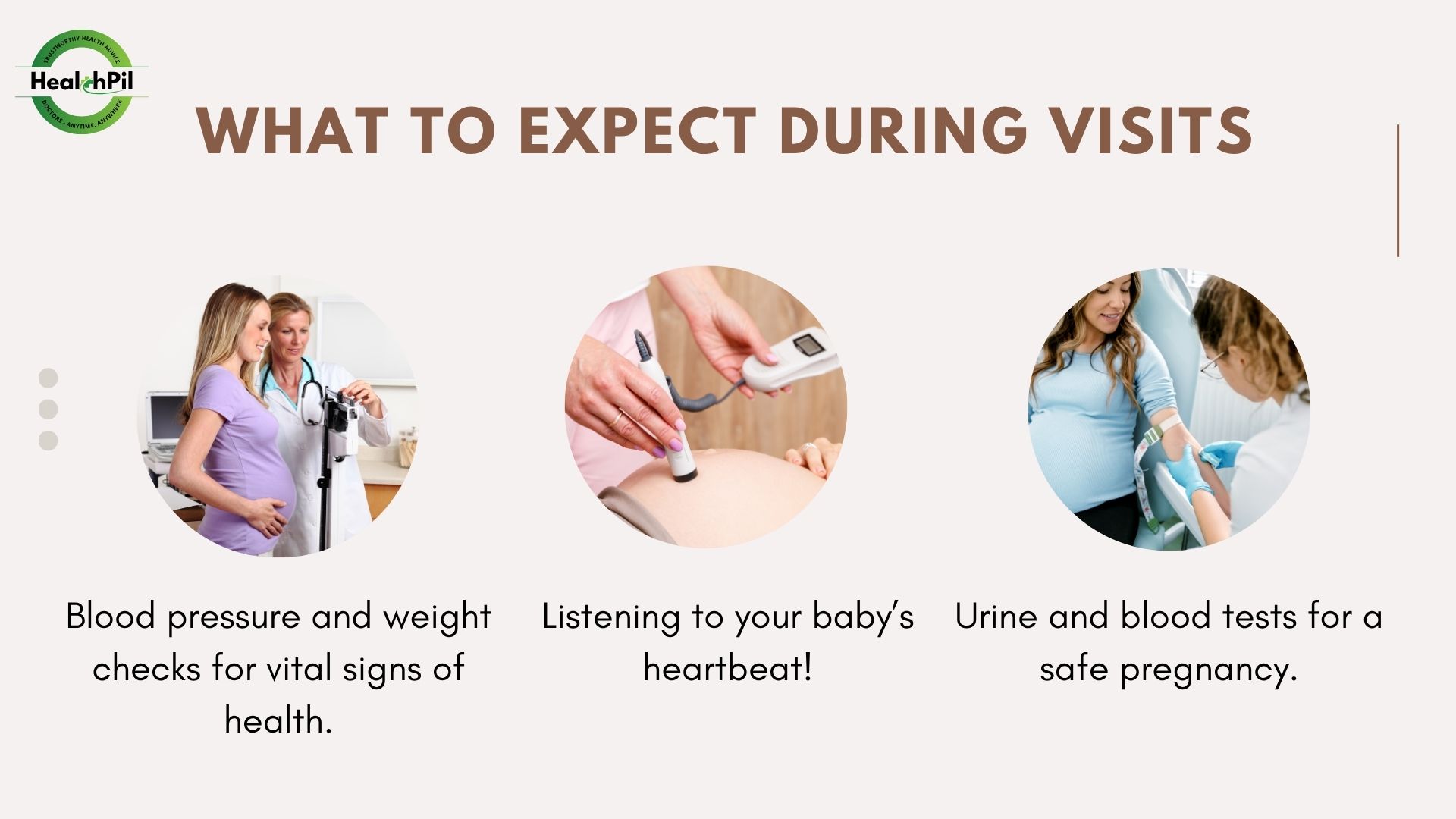
What to Expect During Antenatal Visits
The very first antenatal visit is usually the longest often 40 minutes or more since it involves a detailed review of medical history, a physical exam, and baseline tests that every future visit will be compared against.
Blood pressure monitoring in pregnancy is checked at every visit it is one of the earliest indicators of preeclampsia and gestational hypertension. Weight is tracked alongside blood pressure to monitor overall maternal well-being.
Fetal heartbeat monitoring gives parents the first reassurance at early visits and becomes part of routine tracking at every appointment thereafter. Hearing the heartbeat for the first time is often one of the most emotionally significant moments of early pregnancy.
Urine tests during pregnancy check for protein which can indicate preeclampsia as well as sugar, which flags gestational diabetes risk, and signs of urinary tract infection. Pregnancy blood tests assess haemoglobin levels for anaemia, blood type, immunity to infections, and screen for conditions like hepatitis, HIV, and syphilis.
Important Tests During Pregnancy
Doctors use different tests at different times. Each one checks something specific.
- Dating Scan This happens early in pregnancy. It confirms the pregnancy. It also tells your due date.
- NT Scan This happens between 11 and 13 weeks. It checks for Down syndrome and similar conditions.
- Anatomy Scan This happens between 18 and 20 weeks. It looks closely at the baby’s organs.
- Repeat Scan Some women get this too. It happens between 22 and 24 weeks. It checks the heart and kidneys more closely.
- Growth Scan This happens between 26 and 28 weeks. It checks how well the baby is growing. It also checks blood flow through the placenta.
- Position Check Near delivery, doctors check the baby’s position. They make sure the head is facing down.
- Blood Tests These check a few things. Haemoglobin. Blood group. And signs of infection.
- Screening Blood Tests Some women also get extra blood tests. These are called AFP and the triple marker test. They screen for neural tube defects. They also screen for chromosomal conditions. These tests are optional. Your doctor will explain what they mean.
- Urine Tests These happen at every visit. They check for infection, sugar, and protein.
- Gestational Diabetes Screening This usually happens between 24 and 28 weeks.
- Blood Pressure Check This happens at every single visit.
- Vaccines The tetanus shot and the flu shot are both recommended during pregnancy. Your doctor will tell you the right time for each.
Healthy Pregnancy Nutrition Tips
Pregnancy nutrition is discussed and reinforced at antenatal visits throughout pregnancy. Key principles include eating iron-rich foods like spinach, beans, and lean meat to prevent anaemia, including calcium in pregnancy through dairy, yogurt, and fortified foods to support the baby’s bone development, drinking enough water for hydration during pregnancy, eating fresh fruits and vegetables daily for vitamins and fibre, and avoiding processed foods, alcohol, and excess caffeine.
Iron supplements pregnancy and prenatal vitamins including folic acid during pregnancy and calcium are often prescribed at the first visit and reviewed throughout. Pregnancy diet guidance should be tailored to the individual and adjusted as the pregnancy progresses.
Frequency of Antenatal Visits
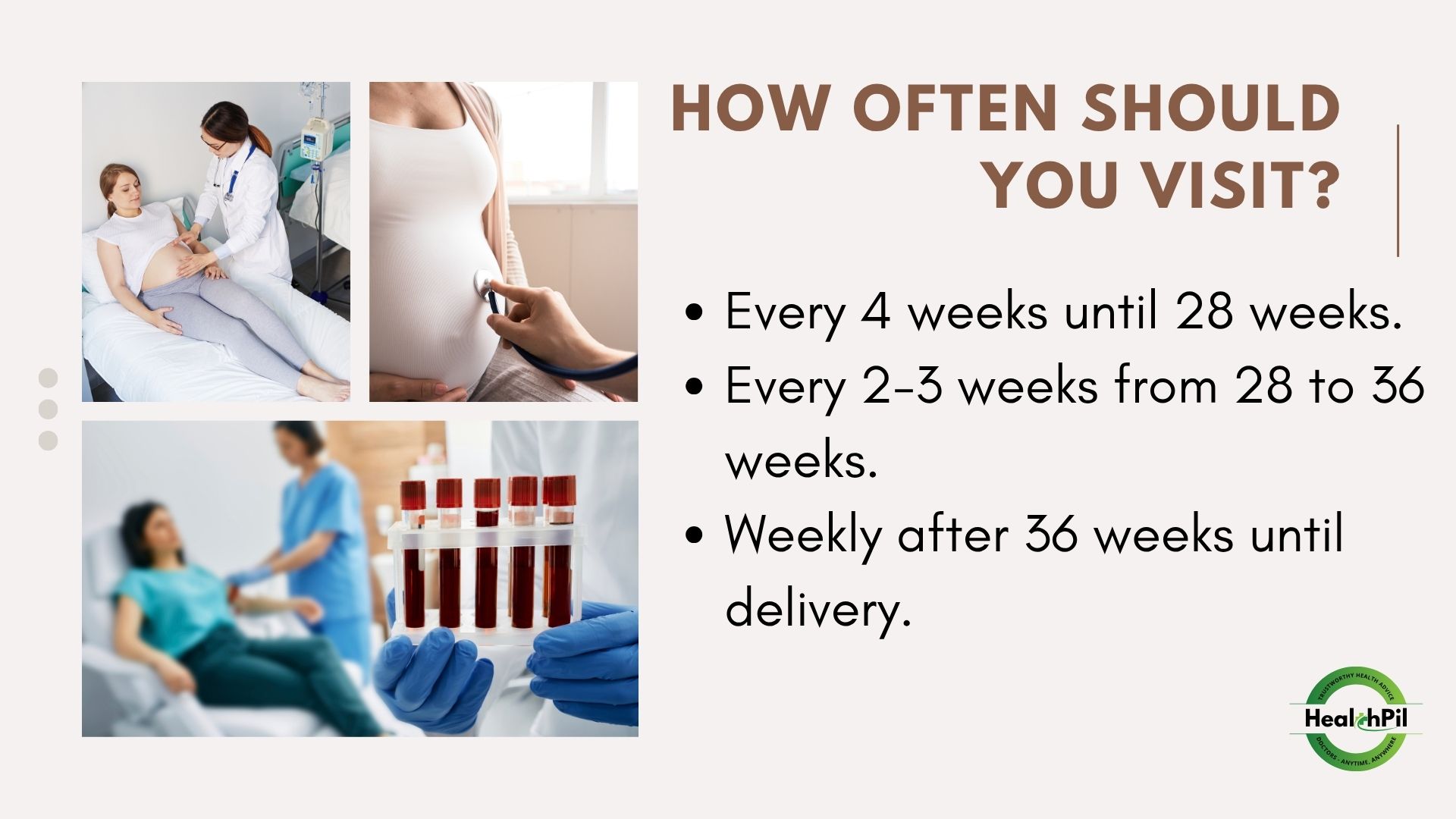
A standard pregnancy monitoring schedule typically follows this pattern. Every four weeks until 28 weeks. Every two to three weeks from 28 to 36 weeks the second trimester checkup phase. Weekly from 36 weeks onwards until delivery for the third trimester pregnancy care period.
Women with high-risk pregnancies including those with gestational diabetes, preeclampsia, multiple pregnancies, or other complications may need more frequent visits and closer monitoring throughout. High-risk pregnancy care requires a more intensive schedule, often involving specialist obstetrician consultation.
Warning Signs During Pregnancy
Seek immediate medical attention for severe abdominal pain, heavy bleeding or fluid leakage, severe headache or blurred vision which can indicate preeclampsia, reduced baby movements, swelling of the face or hands, or high fever with persistent vomiting.
These pregnancy safety tips are not meant to create anxiety they are meant to ensure that when something is genuinely wrong, expectant mothers know to act quickly rather than waiting to see if it passes.
When to See a Doctor?
Contact your healthcare provider or go to hospital if you notice high blood pressure readings on a home monitor, severe dizziness or fainting, persistent vomiting or signs of dehydration, painful contractions before 37 weeks, sudden swelling or rapid weight gain, or decreased fetal movement.
If an in-person visit is not immediately accessible, an online gynecologist consultation is a practical first step. Describe your symptoms, share any blood pressure or glucose readings if you have them, and a pregnancy doctor consultation online can advise whether the situation needs urgent in-person care or whether monitoring at home is appropriate for now.
For ongoing antenatal consultation near me searches, HealthPil can help you connect with the right specialist quickly.
How HealthPil can help?
HealthPil connects expectant mothers with experienced gynecologists, obstetricians, and prenatal health services for comprehensive antenatal care from early pregnancy through to delivery and postnatal care.
Whether you need to book a prenatal checkup, get guidance on prenatal vitamins or pregnancy nutrition, or access high-risk pregnancy care from home book an online gynecologist consultation with HealthPil today and get the expert support your pregnancy deserves.
Emotional Well-Being During Pregnancy
Pregnancy wellness is not only physical. Hormonal changes during pregnancy affect mood, sleep, and emotional responses in ways many women do not anticipate. Anxiety, low mood, relationship strain, and fear about labour are all common and all worth discussing openly with the healthcare team.
Emotional support during pregnancy whether through the obstetrician, a counsellor, a prenatal support group, or simply having questions answered honestly at each antenatal check-up is a genuine and important part of maternity care. Feeling informed and supported reduces stress, which benefits both maternal well-being and fetal health.
Summary
Antenatal care is one of the most important investments an expectant mother can make in the health of her pregnancy. Regular prenatal appointments, prenatal screening tests, consistent blood pressure monitoring in pregnancy, and open communication with healthcare providers all contribute to safer pregnancies and healthier babies.
Start early. Attend every scheduled visit. Ask questions at every appointment. And if concerns come up between visits whether about nutrition, symptoms, or how the baby is moving reach out to your pregnancy healthcare provider promptly, in person or through an online gynecologist consultation. Safe motherhood starts with showing up and continuing to show up throughout the entire pregnancy journey.
Frequently Asked Questions
1. Why is antenatal care important during pregnancy?
Antenatal care helps monitor the health of both mother and baby, detect complications early, and ensure a safer pregnancy and delivery.
2. How often should I visit the doctor during pregnancy?
Most women need monthly visits initially, then more frequent visits during the third trimester.
3. What tests are done during antenatal check-ups?
Doctors may perform blood tests, urine tests, ultrasound scans, blood pressure monitoring, and gestational diabetes screening.
4. Can I get online antenatal consultation?
Yes, many hospitals and healthcare platforms now offer online antenatal consultations for pregnancy guidance and follow-ups.
5. What foods should I eat during pregnancy?
Pregnant women should eat a balanced diet rich in iron, calcium, protein, fruits, vegetables, and whole grains.
References
- National Institute for Health and Care Excellence (NICE). Antenatal Care. Available at:
NCBI Bookshelf - Boureka E, et al. Antenatal Care: A Comparative Review of Guidelines. Available at:
PubMed
Disclaimer
The information provided in this article is for awareness purposes only and should not replace professional medical advice. Always consult your healthcare provider for personalized medical guidance.

Read our editorial policy