

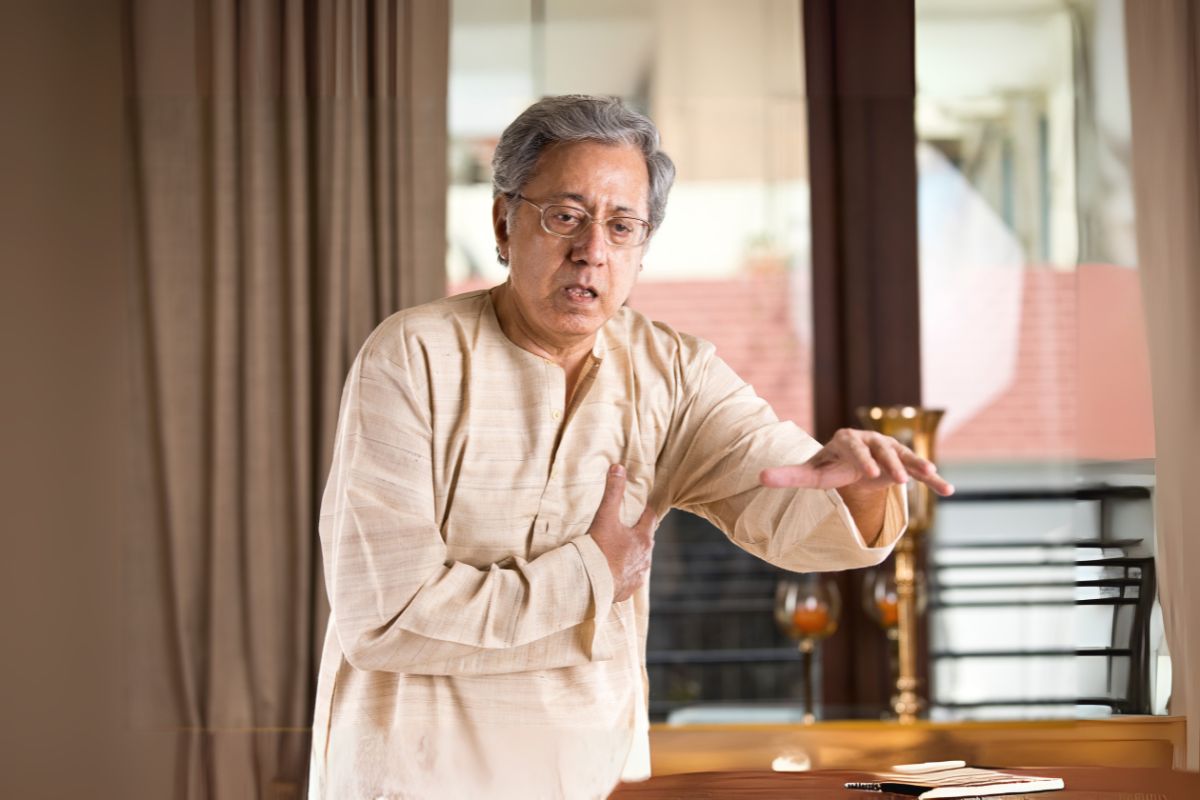
You feel a sudden tightness in your chest. For a second, you think it’s just stress or tiredness. But what if it’s a heart attack?
Many people believe a heart attack always comes with sharp, dramatic chest pain. The truth is scarier. A heart attack can strike quietly. Sometimes a person doesn’t even realise their heart is in danger.
Heart disease has become one of the leading causes of death in India. That’s why recognising the early warning signs matters so much. This article walks you through heart attack symptoms, causes, first aid, and treatment. It also clears up some dangerous myths that could cost someone their life.
What Is a Heart Attack?
Doctors call a heart attack a myocardial infarction. It happens when blood flow to part of the heart gets cut off. Most of the time, this is caused by a blockage in a coronary artery. The blockage forms from a blood clot or a fatty buildup called plaque.
The heart muscle needs a steady supply of oxygen-rich blood to survive. The moment that supply stops, heart tissue starts to die. The longer it goes without blood, the greater the damage. That’s why getting treatment early can make such a big difference to the outcome.
Heart Attack vs. Cardiac Arrest: Know the Difference
A lot of people use “heart attack” and “cardiac arrest” as if they mean the same thing. They don’t.
In a heart attack, the heart keeps beating, but it isn’t getting enough blood. In cardiac arrest, the heart stops beating altogether. These are two different emergencies, though an untreated heart attack can lead straight into cardiac arrest.
Understanding this difference matters, because the first aid steps for each situation are slightly different, which we’ll cover shortly.
Types of Heart Attacks
Not every heart attack looks the same. Doctors classify them by the type of blockage in the coronary artery.
STEMI (ST-Elevation Myocardial Infarction)
This is the most severe type. A coronary artery becomes completely blocked, cutting off blood to a large part of the heart. It needs immediate emergency treatment, such as angioplasty or clot-busting medication.
NSTEMI (Non-ST-Elevation Myocardial Infarction)
Here, the artery is only partially blocked. This is sometimes called a “mini heart attack.” It may feel less severe than STEMI, but it’s still a medical emergency that needs prompt evaluation.
Silent Heart Attack
Some heart attacks come with very mild symptoms, or none at all. A person might only notice fatigue, indigestion, sweating, or shortness of breath. These are more common in older adults and people with diabetes, and they can still cause permanent heart damage if left untreated.
Warning Signs You Should Never Ignore
Chest pain is the symptom everyone knows about, but it’s not always the loudest signal. Many heart attacks show up in quieter ways.
- Chest discomfort: Pressure, tightness, or a mild ache in the centre of the chest. It can come and go, or last several minutes.
- Shortness of breath: Struggling to breathe even while resting can be a warning sign on its own.
- Fatigue: Unexplained tiredness, even after a full night’s sleep, can point to an underlying heart problem.
- Pain in other areas: Pain spreading to the back, jaw, neck, or arms often signals a heart attack in progress.
- Sweating and dizziness: Heavy sweating, nausea, and dizziness are common too, especially in women.
It’s worth remembering that women often experience different signals — nausea, breathlessness, or plain tiredness, without any chest pain at all. Don’t wait around to see if these small symptoms pass on their own. Get medical help right away.
Other warning signs worth watching for:
Pain in the left shoulder or both arms, jaw or upper abdominal pain, cold sweats, nausea or vomiting, lightheadedness or fainting, sudden anxiety, sudden weakness, indigestion-like discomfort, and a fast or irregular heartbeat.
Myth 1: “Heart attacks always cause intense chest pain.”
Reality: Chest pain is common, but it isn’t always the main symptom. Some people feel only mild discomfort or a heavy sensation. Women often report nausea, dizziness, or breathlessness instead.
Myth 2: “Heart attacks only happen to older people.”
Reality: Age raises the risk, but younger people aren’t immune. High cholesterol, high blood pressure, smoking, and diabetes are pushing heart disease into younger age groups. Many young adults are now being diagnosed, which makes early prevention even more important.
Myth 3: “If there’s no severe pain, it’s not a heart attack.”
Reality: Many heart attacks never cause severe pain. Fatigue, indigestion, or mild discomfort can be the only clues. Silent heart attacks are just as dangerous, because they often go unnoticed until real damage has been done.
Myth 4: “I can wait and see if the pain goes away.”
Reality: Delaying treatment can be fatal. Even without severe pain, don’t hesitate to seek help. Getting a diagnosis quickly can save a life.
First Aid During a Heart Attack: What to Do
A heart attack can strike anywhere at home, in the car, or in the middle of a conversation. What you do in those first minutes can make all the difference.
- Call emergency medical services immediately.
- Help the person sit or lie down in a comfortable position.
- Loosen any tight clothing around the neck or chest.
- If the person is conscious and not allergic, they can chew one aspirin tablet (only if advised by emergency services or a doctor). Aspirin thins the blood, which can help slow the clot from growing.
- Don’t leave the person alone.
- If they become unconscious and stop breathing normally, begin CPR if you’re trained to do so.
What You Should Not Do
Certain reactions during a heart attack can make things worse, even with good intentions.
Don’t panic staying calm helps you think clearly and act fast. Don’t leave the person unattended to go get help yourself if others are around, send them to call for help while you stay put. Don’t let the person walk, drive, or run to the hospital that extra exertion puts more strain on an already struggling heart. Don’t dismiss the symptoms as gas or tiredness and wait for them to pass.
How to Use an AED
An AED, or Automated External Defibrillator, is a device that delivers an electric shock to help restore a normal heart rhythm. You’ll find these in malls, airports, and many large offices.
If someone collapses and isn’t breathing, grab the nearest AED. It talks you through every step with voice instructions, so you don’t need training to use it. The device automatically checks whether a shock is actually needed, which makes it safe even for a first-time user. Used alongside CPR, an AED significantly improves someone’s chances of survival.
The Good Samaritan Law: Don’t Be Afraid to Help
Many people hold back from helping because they’re afraid of getting caught up in legal trouble later. India has Good Samaritan guidelines for exactly this situation, put in place following Supreme Court directions and Ministry of Road Transport & Highways rules.
Under these guidelines, a person who helps someone in good faith cannot be held civilly or criminally liable if that person later suffers injury or dies. You also aren’t required to share your personal details with the police unless you choose to. The law exists so that ordinary people feel safe stepping forward during an emergency instead of walking away out of fear.
Treatment Options for Heart Attacks
Once a patient reaches the hospital, doctors move fast to limit further damage. The exact treatment depends on how severe the blockage is, how quickly help arrived, and the patient’s overall health.
Common treatment approaches:
Medications like aspirin, thrombolytics, and beta-blockers thin the blood and help break down clots. Angioplasty and stenting use a thin tube (catheter) to open the blocked artery, and a stent is placed to keep it open so blood flow can return to normal. In cases of severe blockage, bypass surgery may be needed, where a healthy blood vessel is used to create a new path around the blockage. Oxygen therapy and ICU monitoring help stabilise the patient in the critical hours after the attack. Cardiac rehabilitation supports long-term recovery through supervised exercise, diet guidance, and lifestyle coaching.
Long-term care usually includes medications to manage blood pressure, cholesterol, and blood sugar. Quitting smoking, eating better, and staying active go a long way in both recovery and preventing another attack.
How Is a Heart Attack Diagnosed?
Doctors run several tests to confirm a heart attack and figure out how much damage has occurred:
An electrocardiogram (ECG) checks the heart’s electrical activity. Blood tests, especially cardiac troponin levels, reveal signs of heart muscle damage. An echocardiogram shows how well the heart is pumping. Coronary angiography pinpoints the exact location of the blockage. A chest X-ray, and in select cases a CT coronary angiography or cardiac MRI, may also be used.
The earlier the diagnosis, the sooner blood flow can be restored, which lowers the risk of permanent damage.
Possible Complications of a Heart Attack
Even after successful treatment, complications can sometimes follow:
Heart failure happens when the heart can no longer pump effectively, leading to fatigue and breathlessness. Arrhythmia, or an irregular heartbeat, is also common. Cardiogenic shock is a serious condition where blood pressure drops suddenly because the heart can’t supply enough blood to the rest of the body. Damage to the heart valves, blood clots, and myocardial rupture (a tear in the heart wall caused by scar tissue after the attack) can also occur. Many patients experience depression after a heart attack this is a normal part of recovery for some, and staying connected with family or support groups genuinely helps. In rare cases, sudden cardiac death can occur.
Prompt treatment greatly lowers the risk of all of these complications.
Life After a Heart Attack: How Long Does Recovery Take
Recovery time varies from person to person. It depends on how severe the attack was, the person’s age, and their overall health. Initial recovery might take just a few weeks, while full recovery with cardiac rehabilitation can stretch over several months.
Your doctor will guide you on when it’s safe to resume:
Physical activity, which is usually introduced gradually, starting with walking and building up from there. Returning to work, which is often possible within a few weeks, though this depends on the nature of the job. Driving, which needs a doctor’s clearance since it requires sharp reflexes and full alertness. Sexual activity, which can also be resumed gradually it’s worth discussing the right timing directly with your doctor.
A cardiac rehabilitation programme offers supervised exercise, diet counselling, and emotional support, making the whole recovery process safer and more manageable.
Who Is at Higher Risk?
Some people have a much higher chance of developing heart disease:
Men over 45, or women over 55, people with diabetes, high blood pressure, or high cholesterol, smokers or tobacco users, people who are overweight or obese, those with a family history of heart disease, people with a sedentary lifestyle, people under chronic stress, and those with chronic kidney disease all carry higher risk.
Knowing your own risk factors is what allows for early screening and timely preventive care.
When Should You Consult a Cardiologist?
Book an online consultation or see a cardiologist right away if you experience:
Chest pain lasting more than a few minutes, shortness of breath, pain spreading to the arm, jaw, neck, or back, sudden cold sweating, nausea along with chest discomfort, unexplained dizziness or fainting, recurring chest tightness during physical activity, or new symptoms alongside a family history of heart disease.
Getting medical attention early significantly improves the odds of survival and reduces long-term damage to the heart.
Preventing Heart Attacks: Steps You Can Take Today
Prevention is the simplest way to lower your risk.
Manage blood pressure and cholesterol through a healthy diet, regular exercise, and medication where needed. Quit smoking, cut back on alcohol, and work toward a healthy weight. Relaxation techniques like yoga or meditation can help bring stress under control.
Getting 7 to 8 hours of good sleep each night matters just as much as diet and exercise poor sleep quietly puts as much strain on the heart as other major risk factors do. If you have diabetes, keeping blood sugar under control is essential for heart health too.
Regular health checkups can catch early warning signs of heart disease before symptoms even appear. If heart disease runs in your family, your doctor may recommend earlier or more frequent screening.
How HealthPil Can Help
Heart disease can feel overwhelming, but the right guidance can bring that risk down considerably. If you’re noticing symptoms, or simply want to understand your own risk better, HealthPil makes it easy to book an online consultation with trusted cardiologists.
Whether you need a second opinion or ongoing support for an existing heart condition, HealthPil is here to walk with you through it.
Summary
A heart attack happens when blood flow to part of the heart is blocked and it doesn’t always announce itself with sharp chest pain. Recognising the warning signs, knowing the right first aid steps, and getting medical help quickly can genuinely save a life. Prevention comes down to a few consistent habits: a healthy lifestyle, regular checkups, and understanding your own risk factors.
Frequently Asked Questions (FAQ)
1. What are the first warning signs of a heart attack?
The earliest warning signs may include chest pressure or discomfort, shortness of breath, pain spreading to the jaw, neck, back, or arms, unusual fatigue, dizziness, nausea, and cold sweating. Some people, especially women and people with diabetes, may have mild or no chest pain.
2. Can a heart attack happen without chest pain?
Yes. A silent heart attack may cause symptoms such as fatigue, breathlessness, indigestion, nausea, or sweating without severe chest pain. These heart attacks are just as dangerous and require immediate medical attention.
3. What should I do if someone is having a heart attack?
Call emergency medical services immediately, help the person sit comfortably, loosen tight clothing, and stay with them. If advised and appropriate, they may chew an aspirin. If they become unconscious and stop breathing normally, begin CPR if you are trained until medical help arrives.
4. How is a heart attack treated?
Treatment depends on the severity of the blockage and may include medications, angioplasty with stent placement, bypass surgery, oxygen therapy, and cardiac rehabilitation. Early treatment greatly improves recovery and reduces complications.
5. Can heart attacks be prevented?
Many heart attacks can be prevented by controlling blood pressure, cholesterol, and diabetes, avoiding smoking and tobacco, exercising regularly, maintaining a healthy weight, managing stress, eating a heart-healthy diet, and having regular medical check-ups.
References
- Ojha N, Dhamoon AS. Myocardial Infarction. Available at:
PubMed - Ojha N, Dhamoon AS. Myocardial Infarction. StatPearls Publishing. Available at:
NCBI Bookshelf
Disclaimer:
This article provides general information and is not a substitute for professional medical advice. Always consult a healthcare provider for advice regarding your heart health and any symptoms you may experience.

Read our editorial policy