
Close Menu

    Subscribe to Updates

    Get the latest creative news from FooBar about art, design and business.

    Consent(Required)

    What's Hot

    Food Poisoning and Gastroenteritis Symptoms, Treatment & Prevention Guide

    May 6, 2026

    Hyperhidrosis (Excessive Sweating): Causes, Types, and Treatment Options

    May 1, 2026

    Muscle Cramps: Causes, Treatment, and When to See a Neurologist

    April 20, 2026
    Facebook X (Twitter) Instagram
    Facebook X (Twitter) Instagram YouTube
    Healthpil
    +91 962 596 0259 Book Appointment
    • Home
    • Ask Doubts
    • About
    • Consult Doctors
    • Medicine A to Z
      • Drugs A to Z
      • Diagnostics A to Z
    • Explore
      1. Healthpil Originals
      2. Health Gatha
      3. White Coat Chronicles
      4. Myth vs. Medicine
      5. Teen Talk Unfiltered
      6. Medical Specialities
      7. Hindi
      8. View All
      9. View All

      Are Herbal Supplements Hurting Your Kidneys? What You Need to Know

      September 18, 2025

      Is Your Herbal Medicine Bad for Your Heart?

      September 18, 2025

      Are Herbal Supplements Messing Up Your Digestive Health?

      September 17, 2025

      Can Ayurvedic and TCM herbs Harm Your Lungs? The Respiratory Risks of Traditional Medicine

      September 17, 2025

      Are Herbal Supplements Hurting Your Kidneys? What You Need to Know

      September 18, 2025

      Is Your Herbal Medicine Bad for Your Heart?

      September 18, 2025

      Are Herbal Supplements Messing Up Your Digestive Health?

      September 17, 2025

      Can Ayurvedic and TCM herbs Harm Your Lungs? The Respiratory Risks of Traditional Medicine

      September 17, 2025

      Are Herbal Supplements Hurting Your Kidneys? What You Need to Know

      September 18, 2025

      Is Your Herbal Medicine Bad for Your Heart?

      September 18, 2025

      Are Herbal Supplements Messing Up Your Digestive Health?

      September 17, 2025

      Can Ayurvedic and TCM herbs Harm Your Lungs? The Respiratory Risks of Traditional Medicine

      September 17, 2025

      Are Herbal Supplements Hurting Your Kidneys? What You Need to Know

      September 18, 2025

      Is Your Herbal Medicine Bad for Your Heart?

      September 18, 2025

      Are Herbal Supplements Messing Up Your Digestive Health?

      September 17, 2025

      Can Ayurvedic and TCM herbs Harm Your Lungs? The Respiratory Risks of Traditional Medicine

      September 17, 2025

      Are Herbal Supplements Hurting Your Kidneys? What You Need to Know

      September 18, 2025

      Is Your Herbal Medicine Bad for Your Heart?

      September 18, 2025

      Are Herbal Supplements Messing Up Your Digestive Health?

      September 17, 2025

      Can Ayurvedic and TCM herbs Harm Your Lungs? The Respiratory Risks of Traditional Medicine

      September 17, 2025

      Are Herbal Supplements Hurting Your Kidneys? What You Need to Know

      September 18, 2025

      Is Your Herbal Medicine Bad for Your Heart?

      September 18, 2025

      Are Herbal Supplements Messing Up Your Digestive Health?

      September 17, 2025

      Can Ayurvedic and TCM herbs Harm Your Lungs? The Respiratory Risks of Traditional Medicine

      September 17, 2025

      Are Herbal Supplements Hurting Your Kidneys? What You Need to Know

      September 18, 2025

      Is Your Herbal Medicine Bad for Your Heart?

      September 18, 2025

      Are Herbal Supplements Messing Up Your Digestive Health?

      September 17, 2025

      Can Ayurvedic and TCM herbs Harm Your Lungs? The Respiratory Risks of Traditional Medicine

      September 17, 2025

      Are Herbal Supplements Hurting Your Kidneys? What You Need to Know

      September 18, 2025

      Is Your Herbal Medicine Bad for Your Heart?

      September 18, 2025

      Are Herbal Supplements Messing Up Your Digestive Health?

      September 17, 2025

      Can Ayurvedic and TCM herbs Harm Your Lungs? The Respiratory Risks of Traditional Medicine

      September 17, 2025

      Are Herbal Supplements Hurting Your Kidneys? What You Need to Know

      September 18, 2025

      Is Your Herbal Medicine Bad for Your Heart?

      September 18, 2025

      Are Herbal Supplements Messing Up Your Digestive Health?

      September 17, 2025

      Can Ayurvedic and TCM herbs Harm Your Lungs? The Respiratory Risks of Traditional Medicine

      September 17, 2025
    • Contact Us
    Healthpil
    Home»Cancer Prevention and Support»Autophagy and Cancer: Science, Myths & What It Means for Treatment
    Cancer Prevention and Support

    Autophagy and Cancer: Science, Myths & What It Means for Treatment

    Dr. Ayesha Ayub ShaikhBy Dr. Ayesha Ayub ShaikhMay 27, 2025Updated:June 24, 2026No Comments10 Mins Read
    Facebook Twitter WhatsApp Email
    Autophagy in Cancer: The Science, Myths, and What You Need to Know
    Autophagy in Cancer: The Science, Myths, and What You Need to Know
    Share
    Facebook Twitter Email
    Table of Content hide
    Autophagy and Cancer: What the Science Actually Says
    What Is Autophagy?
    The Social Media Claim vs. The Science
    Autophagy’s Dual Role in Cancer The Actual Science
    Autophagy and Drug Resistance
    Targeting Autophagy in Cancer Treatment Where Research Stands
    Autophagy and Fasting: What Cancer Patients Should Know
    When Should You Speak to a Doctor?
    How HealthPil Can Help
    Summary
    FAQs: Autophagy in Cancer
    References
    Disclaimer:

    Autophagy and Cancer: What the Science Actually Says

    Every few months, a new health claim goes viral. Autophagy has had its moment and it hasn’t fully passed yet. The claim, repeated across Instagram and YouTube with increasing confidence, is that fasting activates autophagy, autophagy destroys cancer cells, and therefore fasting fights cancer. Clean, simple, shareable.

    Also incomplete. And in some situations, dangerously misleading.

    Autophagy does have a real and studied relationship with cancer. Researchers are actively investigating it as a therapeutic target, and some of the findings are genuinely interesting. But the relationship is the opposite of simple the same process that may help prevent cancer in healthy cells can, in established tumours, help cancer cells survive chemotherapy. Understanding that nuance is more useful than the viral version.

    What Is Autophagy?

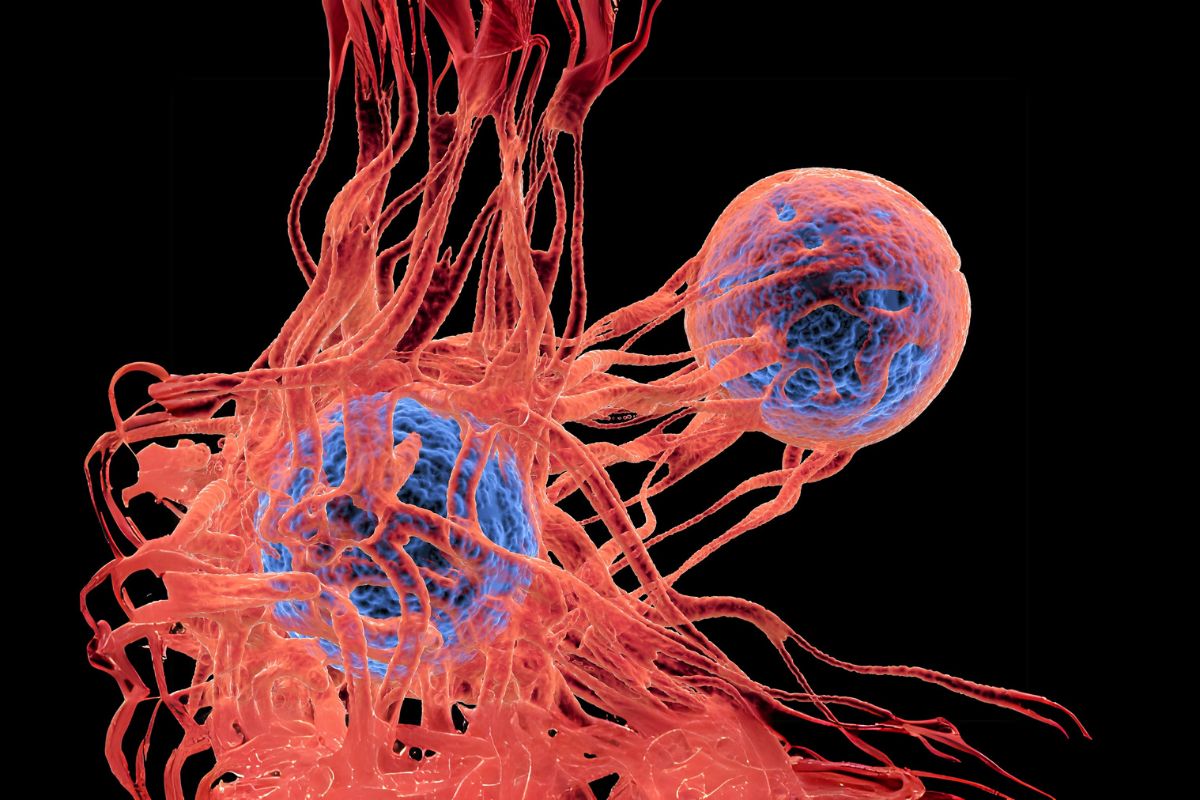
    Autophagy from the Greek for “self-eating” is the body’s cellular housekeeping system. When cells accumulate damaged proteins, worn-out organelles, or harmful waste material, autophagy packages these components into structures called autophagosomes, which then fuse with lysosomes where the contents are broken down and recycled into usable components.

    This is not a disease process. It is essential maintenance. Autophagy runs continuously at a low level in healthy cells, and ramps up under conditions of stress nutrient deprivation, infection, or cellular damage. It is how cells stay functional under difficult conditions.

    In healthy tissue, autophagy does several things worth knowing. It removes damaged proteins before they accumulate and cause harm. It clears dysfunctional organelles, particularly mitochondria that are generating excessive oxidative stress. It helps regulate inflammation. And it plays a role in immune function, helping cells recognise and respond to infections.

    The 2016 Nobel Prize in Physiology or Medicine was awarded to Yoshinori Ohsumi for his work identifying the mechanisms of autophagy which gives some sense of how fundamental and well-established this process is in cell biology.

    The Social Media Claim vs. The Science

    The viral claim is: fasting activates autophagy, autophagy kills cancer cells, therefore fasting treats cancer.

    Each step in that chain contains a grain of truth and a significant distortion.

    Fasting does stimulate autophagy this is established. Nutrient deprivation is one of the primary triggers for increased autophagic activity, because cells under stress need to recycle their own components for energy. This part is accurate.

    Autophagy can suppress cancer development in healthy cells also established, and discussed below. This part is also accurate, with important qualifications.

    Therefore fasting treats established cancer this is where the logic breaks down entirely. In established tumours, autophagy frequently operates in the opposite direction. Rather than killing cancer cells, it helps them survive the stress of nutrient deprivation and, critically, the stress of chemotherapy. The research on this is clear enough that oncologists are now investigating autophagy inhibitors drugs that block autophagy as a way to make chemotherapy more effective, not less.

    Autophagy’s Dual Role in Cancer The Actual Science

    This is where the biology becomes genuinely interesting and genuinely complex.

    In healthy cells and early cancer development, autophagy acts as a tumour suppressor. When cells accumulate DNA damage or abnormal proteins the early events in cancer development autophagy removes this cellular debris before it can drive the mutations that lead to malignancy. Research published in Molecular Cancer (Yun and Lee, 2018) confirmed that reduced autophagy activity is associated with higher rates of DNA damage accumulation and increased cancer risk. In this context, maintaining healthy autophagy function is protective.

    In established tumours, the picture reverses. Once a tumour is established, it faces significant environmental stress — limited blood supply, nutrient restriction, low oxygen levels. Autophagy becomes a survival mechanism for cancer cells under exactly these conditions. By recycling their own cellular components, tumour cells can generate the energy and building blocks they need to keep dividing even when external nutrients are scarce.

    More concerning from a treatment standpoint: research has shown that autophagy helps cancer cells resist chemotherapy. A study in Cancer Research demonstrated that in breast, lung, and pancreatic cancer models, elevated autophagy activity helped tumour cells tolerate the cellular stress caused by chemotherapy drugs effectively reducing treatment effectiveness. When autophagy was pharmacologically inhibited in the same models, cancer cells became significantly more sensitive to treatment.

    This is the double-edged sword that makes autophagy one of the more complex targets in current cancer research.

    Autophagy and Drug Resistance

    Drug resistance is one of the central challenges in oncology, and autophagy plays a documented role in it.

    When cancer cells are exposed to chemotherapy, the treatment creates significant cellular stress. Autophagy ramps up in response recycling damaged components and generating energy, effectively helping the cell ride out the treatment. A meta-analysis examining autophagy-mediated drug resistance across multiple cancer types found this pattern particularly prevalent in lung cancer, breast cancer, and glioblastoma, concluding that autophagy inhibition represents a potentially meaningful strategy for overcoming treatment resistance in these cancers.

    The clinical implication is that for certain cancer types and stages, giving a chemotherapy drug alongside an autophagy inhibitor may produce better results than chemotherapy alone. This is an active area of clinical trial investigation.

    Targeting Autophagy in Cancer Treatment Where Research Stands

    Scientists are investigating autophagy as a therapeutic target from two directions.

    The first approach is autophagy inhibition blocking the process in tumour cells to prevent them from using it as a survival mechanism during treatment. Chloroquine and hydroxychloroquine, drugs originally developed as antimalarials, inhibit autophagy at the lysosomal stage and are being studied in combination with chemotherapy in clinical trials for glioblastoma, lung cancer, and other solid tumours. Early results are mixed but sufficiently promising that research is ongoing.

    The second approach is autophagy induction stimulating the process in specific contexts where it might enhance immune recognition of cancer cells or clear pre-malignant cellular debris. Some researchers are exploring autophagy inducers in combination with immune checkpoint inhibitors, with the hypothesis that increased autophagy may help present tumour antigens more effectively to the immune system.

    Both approaches carry risks. Because autophagy is essential to normal cellular function throughout the body, broadly inhibiting or inducing it carries the potential for significant side effects. The therapeutic window the dose at which the benefit outweighs the harm is what current trials are working to define.

    Autophagy and Fasting: What Cancer Patients Should Know

    Short-term fasting does stimulate autophagy. Some early-phase human studies have looked at fasting before chemotherapy sessions not as a cancer treatment on its own, but as a potential way to protect healthy cells from chemotherapy toxicity while leaving cancer cells more vulnerable. Results have been preliminary and the research is not yet at a stage where it translates into clinical recommendations.

    What is clear is what cancer patients should not do based on the viral claims: they should not fast during cancer treatment without explicit guidance from their oncologist. The risks of fasting during active treatment are real malnutrition, muscle wasting, and fatigue are already significant challenges for most patients in treatment, and unguided fasting can worsen all three. A patient who is already nutritionally depleted from chemotherapy side effects is not in a position to safely restrict calories further without medical supervision.

    If fasting or caloric restriction is something a patient wants to explore, that conversation belongs with the oncologist and a registered dietitian who understands the specific treatment protocol not with social media.

    When Should You Speak to a Doctor?

    If you are living with cancer and have read about autophagy, fasting, or supplements that claim to influence autophagy, the right next step is a conversation with your treating oncologist not a dietary experiment. The same applies if you are experiencing unexplained weight loss, severe fatigue, persistent pain, or treatment-related side effects that are affecting your ability to eat and maintain nutrition.

    An online oncologist consultation through HealthPil is available for questions about cancer treatment, nutrition during treatment, and second opinions on treatment planning from home, without the waiting room.

    How HealthPil Can Help

    HealthPil connects cancer patients with experienced oncologists for personalised treatment guidance, second opinions, and evidence-based answers to questions like these including the complex ones that social media has made more confusing than they need to be.

    Book your online oncologist consultation with HealthPil today.

    Summary

    Autophagy is the body’s cellular recycling system essential to normal cellular health and genuinely relevant to cancer biology. In healthy cells and early cancer development, autophagy acts as a tumour suppressor by removing damaged cellular components before they drive malignant mutations. In established tumours, it frequently reverses role helping cancer cells survive nutrient stress and resist chemotherapy. Researchers are actively investigating both autophagy inhibition and induction as therapeutic strategies, with clinical trials ongoing. Fasting stimulates autophagy but should never be undertaken by cancer patients without medical supervision. The social media version of this story fasting cures cancer through autophagy is a distortion of genuinely complex science that carries real risk if acted on.

    FAQs: Autophagy in Cancer

    Does autophagy promote cancer development?

    Autophagy can prevent cancer initiation by eliminating damaged cells. However, autophagy may promote tumour survival in advanced cancers by providing nutrients to cancer cells.

    Can autophagy be targeted for cancer therapy?

    Indeed, autophagy activation and inhibition are being studied as possible ways to improve cancer treatment. Autophagy induction may boost immunological responses, whereas autophagy inhibition may increase the positive effects of chemotherapy.

    How does autophagy contribute to chemotherapy resistance?

    Autophagy helps cancer cells survive chemotherapy by recycling damaged components and maintaining energy production. Inhibiting autophagy can make cancer cells more sensitive to chemotherapy.

    Can autophagy improve cancer treatment outcomes?

    Autophagy inhibition in cancer cells has been shown to enhance chemotherapy efficacy, while autophagy induction may help improve immune responses against tumours.

    Is autophagy beneficial for cancer prevention?

    Autophagy helps eliminate damaged cells and prevent cancer initiation, but in established cancers, it may contribute to tumour growth and drug resistance.

    References

    1. Gómez-Virgilio L, et al. Autophagy: A Key Regulator of Homeostasis and Disease. Available at:
      PubMed
    2. Glick D, Barth S, Macleod KF. Autophagy: Cellular and Molecular Mechanisms. Available at:
      PubMed

    Disclaimer:

    The information provided here is for educational purposes only and should not be used as a substitute for professional medical advice, diagnosis, or treatment. Always consult your healthcare provider for medical advice tailored to your specific condition.

    Dr. Ayesha Ayub Shaikh
    Written By Dr. Ayesha Ayub Shaikh
    Dr. Rahul Chawla
    Reviewed By Dr. Rahul Chawla
    Last Updated 24 Jun 2026
    We provide you with authentic, trustworthy and relevant information.
    Read our editorial policy
    autophagy and cancer treatment autophagy cancer therapy autophagy chemotherapy resistance autophagy in cancer
    Share. Facebook Twitter WhatsApp Email
    Previous ArticleAnti-Cancer Fruits: What Science Actually Says About Each One
    Next Article Why do heart attacks happen? Are you at risk? Check it out here!

    Related Articles

    Anti-Cancer Fruits: What Science Actually Says About Each One

    May 27, 2025 Cancer Prevention and Support

    Intermittent Fasting and Cancer: Benefits, Risks & What Science Really Says

    May 27, 2025 Cancer Prevention and Support

    Cancer Diets: Myths vs Evidence-Based Nutrition Tips

    May 27, 2025 Cancer Prevention and Support

    Does Biopsy Cause Cancer to Spread? Busting the Myth

    May 27, 2025 Cancer Prevention and Support
    Leave A Reply Cancel Reply

    7 + 8 =

    I agree to the terms and privacy policy.

    Disclaimer: Please avoid sharing personal health details in comments. Comments are public and moderated. For private health queries, use the Ask A Doubt section. By commenting, you agree to our Privacy Policy.

    Health and Wellness

    Child Safety and Online Predators: Why parents should think twice before posting children’s photos and videos on social media!

    November 11, 2025

    Fake ORS Banned by FSSAI: Why a Pediatrician Fought an 8-Year Battle to Stop Sugary Drinks Mislabelled as “ORS”?

    October 24, 2025

    Are Herbal Supplements Hurting Your Kidneys? What You Need to Know

    September 18, 2025

    Is Your Herbal Medicine Bad for Your Heart?

    September 18, 2025
    Connect with Us
    • Facebook
    • Instagram
    • YouTube
    • Twitter
    Don't Miss

    Child Safety and Online Predators: Why parents should think twice before posting children’s photos and videos on social media!

    Every parent loves to capture those little moments — the first step, the first day…

    Fake ORS Banned by FSSAI: Why a Pediatrician Fought an 8-Year Battle to Stop Sugary Drinks Mislabelled as “ORS”?

    October 24, 2025

    Why Asthma Attacks are on the Rise: Unseen Influence of Air Pollution!

    May 26, 2025

    Stroke and Air Pollution: Is Your Environment Putting You at Risk?

    May 26, 2025

    Subscribe to Updates

    Get the latest creative news from SmartMag about art & design.

    Consent(Required)

    About Us
    About Us

    HealthPil: Get Your Daily Dose of Trusted Health Advice– Consult a Doctor Anytime, Anywhere!
    We're accepting new partnerships right now.

    Facebook X (Twitter) Instagram YouTube
    Contact Us
    EmailEmail Us:
    contact@healthpil.com
    whatsappContact:
    +91 962 596 0259
    Specialties
    • Neurology
    • Cardiology
    • Psychiatry
    • Orthopedics
    • Gynaecology
    • Pediatrics
    • Neurosurgery
    • Neurosurgery
    • Ophthalmology
    • ENT
    • Oncology
    Quick Links
    • Home
    • About
    • Blog
    • Ask Doubts
    • Consult Doctors
    • Contact Us
    • Disclaimer
    • Privacy Policy
    • Terms and Conditions

    Type above and press Enter to search. Press Esc to cancel.

    Book Appointment
    Copyright © 2026 HealthPil. All Rights Reserved.