

Colors looking a bit washed out lately. Headlights turning into starburst halos on your night drives. Maybe you’ve swapped your glasses prescription twice this year and you’re still squinting at the same street signs. If any of that sounds familiar, you might be dealing with cataracts, and you’re probably wondering if there’s any way around surgery.
Fair question. Let’s get into what’s actually true here, because the honest answer isn’t quite what most people want to hear, but it’s not as scary as it sounds either.
What Is a Cataract?
A cataract is a clouding of the lens inside your eye, the small, clear structure that sits behind your pupil and helps focus light onto the retina. When that lens turns cloudy instead of clear, light scatters as it passes through instead of landing where it should, and vision gets blurred, dim, or hazy as a result.
It’s an incredibly common condition. Around one in six Americans over 40 has had at least one cataract, and estimates put the total number of Americans affected well above 24 million. Early on, cataracts often cause no noticeable symptoms at all. As they progress, though, everyday activities like reading, driving, recognizing faces, or watching TV start becoming a lot harder.
How Do Cataracts Actually Develop?
The lens inside your eye is made up largely of water and protein, arranged in a very precise structure that keeps it perfectly transparent. As you age, some of those proteins start to break down and clump together. Where there was once a clear, orderly lens, small cloudy patches begin forming, and over years, those patches spread and thicken.
This clumping is what blocks light from passing through cleanly. Instead of focusing sharply on the retina, light scatters inside the eye, which is exactly why cataracts cause blur, glare, faded colors, and difficulty seeing at night.
The process is almost always slow, unfolding over several years rather than weeks or months, which is part of why so many people don’t notice the early stages.
The Four Stages of Cataract Development
Cataracts don’t appear overnight. Ophthalmologists generally describe their progression in four stages:
Stage 1: Incipient The lens starts developing small cloudy areas, sometimes around the edges, sometimes near the center. Vision usually isn’t significantly affected yet, though some people notice mild glare or slightly tired eyes.
Stage 2: Intumescent The cloudy area expands and the lens itself can swell slightly, starting to interfere more noticeably with vision.
Stage 3: Mature Cloudiness now covers the entire lens. Light has real trouble passing through to the retina, and daily tasks like reading or driving become noticeably harder.
Stage 4: Hypermature The lens becomes densely opaque and hardened, sometimes even shrinking or shifting position. This stage carries real risk, including secondary complications like increased eye pressure and glaucoma, and needs treatment without further delay.
Knowing which stage a cataract has reached helps your doctor decide whether it’s still safe to simply monitor things or whether it’s time to talk seriously about surgery.
Symptoms of Cataracts
- Blurry or cloudy vision — objects look fuzzy or washed out, especially in bright light
- Sensitivity to light and glare — this often gets noticeably worse at night, particularly around headlights
- Double vision — seeing two images instead of one, caused by how the clouded lens scatters light
- Frequent changes in glasses prescription — needing stronger lenses more often than usual
- Night blindness — real difficulty seeing in low light or after dark
- Halos around lights — bright lights, especially at night, appear surrounded by a glowing ring
Other Early Signs You Shouldn’t Ignore
- Difficulty recognizing faces, even people you know well
- Colors appearing faded or slightly yellowed
- Increased glare from sunlight or oncoming headlights
- Trouble reading in dim light that used to feel fine
- Poor contrast sensitivity, making it hard to tell similar shades apart
- One eye becoming noticeably blurrier than the other
- Reduced depth perception
- Needing brighter light than usual just to do everyday tasks
How Are Cataracts Diagnosed?
An ophthalmologist diagnoses cataracts through a comprehensive eye examination, which typically includes:
- Visual acuity test
- Slit-lamp examination, using a narrow, high-intensity beam of light to examine the eye’s internal structures closely
- Dilated retinal examination, where drops widen your pupil for a clearer view of the lens and retina (this temporarily blurs vision and makes eyes light-sensitive for a few hours, so bring sunglasses)
- Refraction test
- Tonometry, which measures eye pressure
- Contrast sensitivity testing
Early diagnosis matters because it gives you and your doctor time to plan the right treatment timing, rather than waiting until vision loss starts seriously disrupting daily life.
Can Cataracts Be Cured Without Surgery?
Here’s the honest answer, and it’s worth being direct about it: no, cataracts cannot be reversed or cured without surgery. Once the proteins in the lens have clumped and clouded, there’s no drop, supplement, or therapy currently proven to dissolve that clouding and restore a clear lens.
The only permanent fix is removing the clouded lens and replacing it with an artificial one, which happens through surgery.
Products marketed as “cataract-reversing” eye drops or natural remedies are not backed by solid clinical evidence. A widely cited 2020 review by the American Academy of Ophthalmology found that some of these drops may offer very temporary symptom relief at best, but none of them actually clear the clouded lens itself.
What Are the Non-Surgical Options, Then?
There are ways to manage cataract symptoms and delay surgery for a while, particularly in the early stages. None of them cure the condition; they simply buy time.
- Stronger Eyeglasses Updated prescriptions or magnifying lenses can meaningfully help in the early stages. As the cataract progresses, though, this becomes less and less effective, since no lens correction can compensate for light scattering inside a truly clouded eye.
- Anti-Glare Glasses These reduce sensitivity to light and glare, one of the more disruptive early cataract symptoms, and can be particularly useful for night driving.
- Brighter Lighting Simply increasing the light around you, at home or at work, can noticeably improve visibility and reduce how much the blur interferes with reading or close work.
- Eye Drops for Cataracts Despite what some marketing suggests, there are currently no FDA-approved eye drops that treat or reverse cataracts. Any product claiming otherwise deserves real skepticism.
- Lifestyle and Environmental Adjustments Using a magnifying glass for reading, increasing text size on phones and computers, and avoiding harsh direct sunlight can all help stretch out how long non-surgical management stays workable.
These measures tend to become less helpful as the cataract advances, and at some point your ophthalmologist will likely recommend moving toward surgery rather than continuing to work around the problem.
Cataract Surgery: The Only Real Cure
Cataract surgery is the gold standard, and it’s actually one of the most commonly performed and successful surgeries in the world. The cloudy lens gets removed and replaced with an artificial intraocular lens (IOL), designed to function much like a healthy natural lens.
There are a few surgical approaches, and which one applies depends on the type and stage of your cataract:
Phacoemulsification This is the standard, most widely used technique today. High-frequency sound waves are used to break the cloudy lens into tiny fragments, which are then gently suctioned out through a very small incision, before the artificial lens is placed. It’s minimally invasive, generally quick, and recovery tends to be fast.
Femtosecond Laser-Assisted Cataract Surgery A newer, laser-guided approach that softens and fragments the cataract with high precision before removal, often requiring less ultrasound energy overall. Many surgeons use it for added precision, particularly with more complex cases or advanced lens implants.
Extracapsular Cataract Extraction (ECCE) Reserved mainly for hypermature cataracts that are too hard and dense to break up with standard phacoemulsification. It requires a larger incision and removes the lens nucleus in one piece, so recovery generally takes a bit longer than with phaco.
Most procedures take somewhere between 10 and 45 minutes, are done under local anesthesia while you’re awake but comfortable, and patients typically go home the same day.
Types of Intraocular Lenses (IOLs)
Once your cloudy lens is removed, it gets replaced with an artificial lens. Standard monofocal IOLs correct vision at one distance (usually far), which still often means wearing glasses for reading afterward. Advanced lens options, sometimes called premium or multifocal IOLs, are designed to correct vision at multiple distances at once, reducing dependence on glasses for both distance and near tasks.
Your ophthalmologist can walk you through which option fits your lifestyle, since this choice does affect cost and the kind of vision you’ll wake up to after surgery.
Types of Cataracts
Cataracts are classified by where in the lens the clouding develops:
Nuclear Cataract Forms in the center of the lens and is the most common age-related type. It often starts as a normal age-related hardening called nuclear sclerosis before progressing into a true cataract.
Cortical Cataract Begins as white, wedge-shaped streaks around the outer edge of the lens, gradually extending inward like spokes on a wheel.
Posterior Subcapsular Cataract Forms at the back of the lens and tends to progress faster than the other common types. It’s more frequently seen in people with diabetes or those on long-term steroid medication.
Anterior Subcapsular Cataract Develops on the front of the lens, usually linked to prior eye injury, inflammation, or irritation.
Congenital Cataract Present at birth or developing in early childhood, sometimes linked to genetic conditions like Down syndrome, or to infections such as rubella during pregnancy. These are rare, affecting roughly 3 to 4 in every 10,000 newborns, and aren’t always obvious right away; a parent or pediatrician sometimes notices only months or years later.
Traumatic Cataract Develops after an eye injury, sometimes showing up quickly and sometimes taking months or even years to fully form.
Snowflake and Christmas Tree Cataracts Two rarer, distinctively patterned types. Snowflake cataracts mostly affect younger people with Type 1 diabetes, while Christmas tree cataracts, made of small colorful specks, are often linked to a rare muscle condition called myotonic dystrophy.
Secondary Cataract (Posterior Capsular Opacification) Not a true cataract, but a clouding that can develop on the lens capsule after cataract surgery. It’s common and generally straightforward to treat with a quick laser procedure called a YAG capsulotomy.
Risk Factors for Cataracts
- Age above 60
- Diabetes
- Smoking, including secondhand smoke exposure
- Excessive alcohol consumption
- Long-term steroid medication use
- Prolonged ultraviolet (UV) exposure without protection
- Previous eye injury or eye surgery
- Family history of cataracts
- Obesity
- High blood pressure
- Chronic eye inflammation (uveitis)
- Radiation or chemotherapy exposure
Complications If Cataracts Are Left Untreated
- Progressive, worsening vision loss
- Increased risk of falls and injuries, particularly in older adults
- Difficulty driving safely
- Reduced overall quality of life
- Complete blindness in advanced, untreated cases
- Lens swelling that can raise eye pressure
- Secondary glaucoma in severe, hypermature cases
Can Cataracts Be Prevented?
There’s no foolproof way to prevent cataracts entirely, since aging-related protein changes in the lens are essentially inevitable. Still, certain habits can meaningfully slow their development:
- Wear sunglasses with complete UV protection (look for 100% UVA/UVB or “UV 400” labeling)
- Quit smoking
- Keep diabetes well controlled
- Eat a diet rich in fruits, vegetables, and antioxidants (whole foods tend to help more than supplements, based on current research)
- Maintain a healthy weight
- Exercise regularly
- Limit alcohol intake
- Get regular comprehensive eye examinations, especially after age 40
When Should You Consult an Ophthalmologist?
Book an online consultation or visit an ophthalmologist promptly if you notice:
- Persistent blurry or cloudy vision
- Difficulty seeing at night
- Increased glare while driving
- Frequent changes in your glasses prescription
- Double vision in one eye
- Trouble performing daily activities because of poor vision
- Sudden worsening of any cataract symptom
Recovery After Cataract Surgery
Most patients notice clearer vision within just a few days after surgery, though complete healing typically takes 4 to 6 weeks. During that recovery window:
- Use prescribed eye drops exactly as directed
- Avoid rubbing your eyes
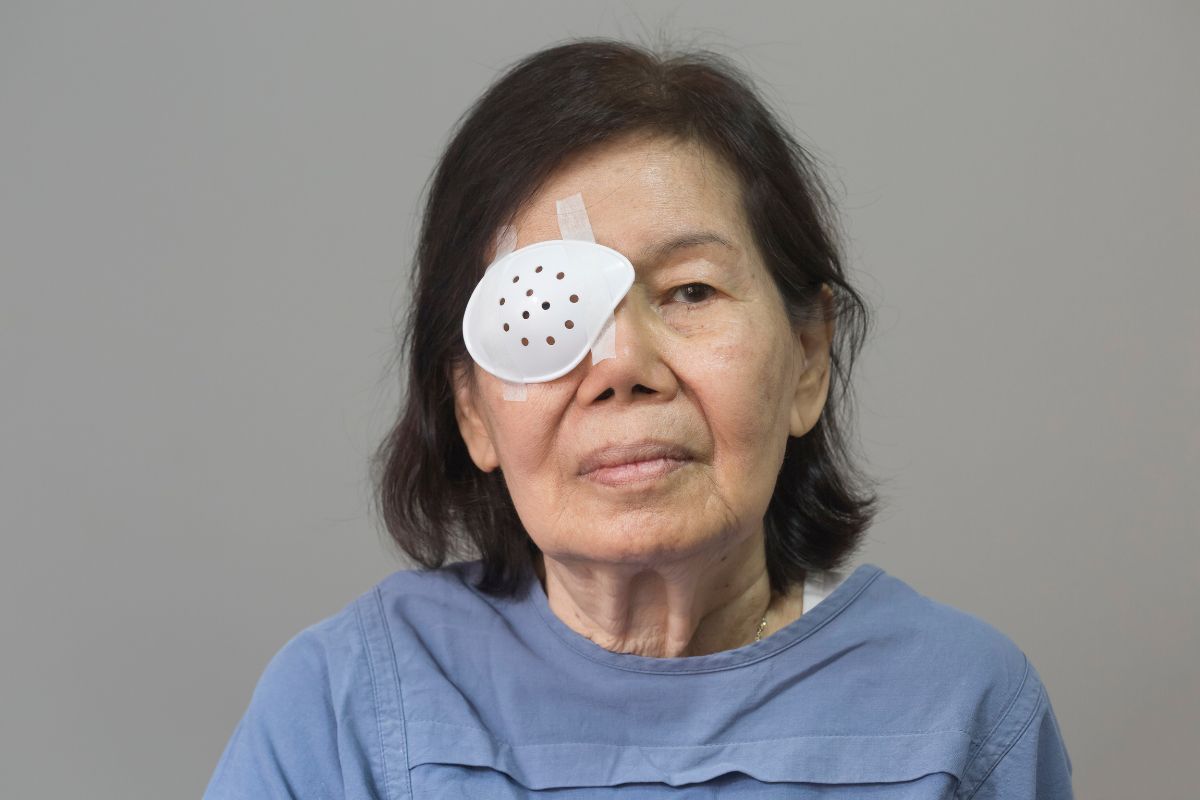
- Wear protective sunglasses outdoors, and often an eye shield at night for the first week or so
- Avoid swimming and heavy lifting for a few weeks
- Attend every scheduled follow-up appointment, since these visits are how your doctor confirms healing is on track
Myths About Cataract Treatment
Myth: Cataracts can be cured with eye drops.
Fact: No eye drops can reverse cataracts. Some may ease dryness or irritation, but none can clear a clouded lens.
Myth: You have to wait until a cataract is “ripe” before surgery.
Fact: This used to be common advice decades ago, but modern cataract surgery can be done at nearly any stage. Waiting unnecessarily can actually lead to avoidable vision loss.
Myth: Cataract surgery is risky and painful.
Fact: It’s one of the safest, most effective, and most commonly performed procedures in modern medicine, usually done under local anesthesia with patients going home the same day.
How HealthPil Can Help:
At HealthPil, we offer consultations with experienced ophthalmologists who can help you manage cataracts and guide you through your treatment options. If you’re unsure about whether cataract surgery is right for you or if you’re considering a second opinion, our team can provide the answers and expert guidance you need.
Summary
Cataracts occur when the eye’s natural lens becomes cloudy, causing blurred vision, glare, poor night vision, and difficulty performing daily activities. Although stronger glasses, brighter lighting, and anti-glare lenses may temporarily improve vision, they cannot cure cataracts. Currently, cataract surgery is the only proven and permanent treatment, where the cloudy lens is replaced with an artificial intraocular lens (IOL). Early diagnosis, regular eye examinations, and timely consultation with an ophthalmologist can help preserve vision and improve quality of life.
FAQ Section
1. Can cataracts be treated without surgery?
No. Cataracts cannot be reversed with eye drops, medicines, or home remedies. Non-surgical options may temporarily improve vision, but cataract surgery is the only permanent treatment.
2. What are the early signs of cataracts?
Early symptoms include blurred or cloudy vision, glare from lights, halos around headlights, frequent changes in glasses prescription, faded colours, poor night vision, and difficulty reading in dim light.
3. When should I consult an ophthalmologist for cataracts?
You should book an online consultation or visit an ophthalmologist if you experience persistent blurry vision, increased glare, poor night vision, double vision in one eye, frequent prescription changes, or worsening vision that affects daily activities.
4. Is cataract surgery safe?
Yes. Cataract surgery is one of the safest and most successful eye procedures. It is usually performed under local anaesthesia, takes only a short time, and most patients return home the same day.
5. Can cataracts be prevented?
Although cataracts cannot always be prevented, you can reduce your risk by wearing UV-protective sunglasses, controlling diabetes, quitting smoking, eating a healthy diet, exercising regularly, limiting alcohol, and getting regular comprehensive eye examinations.
References
- Cicinelli MV, Buchan JC, Nicholson M, Varadaraj V, Khanna RC. Cataracts. Available at:
PubMed - Nizami AA, Gurnani B, Gulani AC. Cataract. StatPearls Publishing. Available at:
NCBI Bookshelf
Disclaimer:
The information provided here is for general educational purposes and should not replace professional medical advice.

Read our editorial policy