

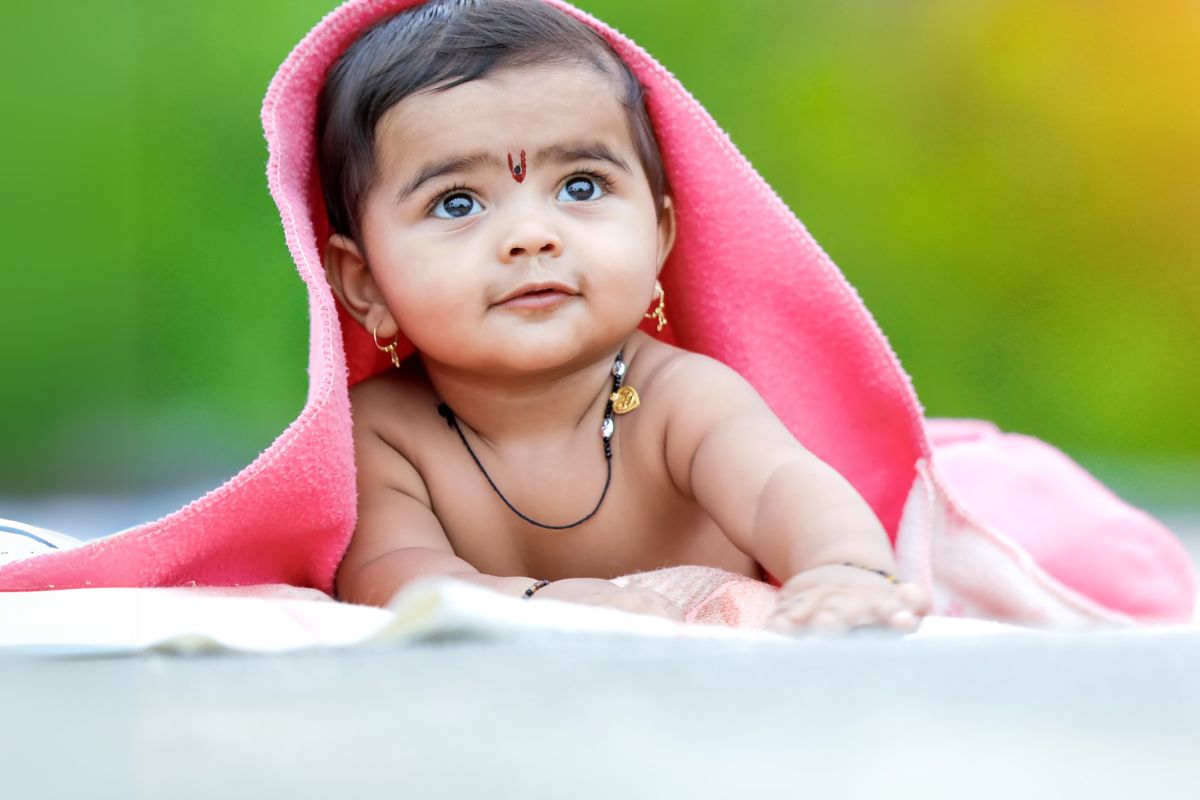
Is putting kajal on your baby’s eyes just an old, sweet tradition? Or could it be putting your child’s eye health at risk? Kajal, also called kohl or surma, has been used for hundreds of years. Many families in South Asia still use it today. But before you use it on your baby, it helps to know the real facts. This guide will walk you through everything in simple, easy words.
What Is Kajal (Kohl or Surma)?
Kajal is a dark, black eye makeup. People use it to make the eyes look bold and pretty. In many homes, kajal is put on babies from the time they are born. Families believe it protects the child or makes their eyes look better.
Traditional kajal is made from soot (the black powder left after burning something) mixed with almond oil or other natural oils. But some kajal, especially store-bought kajal, can have harmful things in it. These include lead, parabens, and phthalates. The amount depends on the brand and how it is made. So it’s smart to know what is really inside the kajal before you use it near your baby’s sensitive eyes.
Why Do Parents Apply Kajal to Children?
For many years, parents and grandparents in South Asian families have put kajal on babies. They often believe kajal can:
- Protect the child from the “evil eye” (called nazar)
- Make the eyes look bigger and more beautiful
- Improve eyesight
- Cool down the eyes
- Stop eye infections
But here’s the honest truth: there is no science that proves kajal helps eyesight or stops eye disease. In fact, many kajal products sold in shops may have harmful things in them. These can raise the risk of eye irritation, infection, and lead exposure.
Is Kajal Safe for Children’s Eyes?
This is a big question, and it does not have one simple “yes” or “no” answer. Kajal has been used for a long time, but there are real health risks that many parents don’t know about. A baby’s eyes and skin are much more delicate than an adult’s.
1. Eye Irritation and Infection
The skin around a baby’s eyes is very soft and sensitive. If kajal is used carelessly, it can cause redness, irritation, or a stinging feeling. It can also lead to eye infections like blepharitis (when the eyelids get swollen and red) or conjunctivitis, also known as pink eye.
2. Lead Exposure and Lead Poisoning
Some kajal, especially cheap or unregulated brands, has lead in it. Lead is a toxic metal. It is very dangerous for babies. Lead poisoning can cause learning problems, slow growth, and other serious health issues. Lead can build up in a baby’s body little by little over time. This can hurt the brain and nervous system. The FDA (a US health agency) has warned about lead in kajal and similar eye products. The CDC and WHO have also raised concerns about lead exposure in babies and young children around the world.
How does lead get into a baby’s body? It can happen in a few ways:
- Through the eyes, where it can be absorbed directly
- By swallowing it babies often touch their eyes, then put their fingers in their mouth
- Through the skin, in smaller amounts
Early signs of lead poisoning can look like:
- Being extra fussy or irritable
- Not wanting to eat
- Feeling tired all the time
- Stomach pain
- Constipation
Signs that show up later can be more serious:
- Trouble learning
- Slower growth and development
- Behaviour problems
- In severe cases, seizures or hearing loss
There is no amount of lead that is truly “safe” for a child. Even a small amount can cause harm over time. This is exactly why doctors tell parents to stay away from kajal products that are not tested and regulated.
What Do Health Experts and Doctors Say?
Doctors and health groups around the world have looked closely at kajal, and most agree it’s best to avoid it for babies. Here’s what different experts say:
Organisation | What They Say |
Indian Academy of Pediatrics | Advises against using kajal on babies |
American Academy of Pediatrics | Recommends not using kohl or surma on children |
FDA (US Food and Drug Administration) | Warns that kajal can carry a risk of lead poisoning |
CDC (Centers for Disease Control) | Has reported cases of lead poisoning linked to kajal use in babies |
WHO (World Health Organization) | Warns against lead exposure from cosmetics, including kajal |
This isn’t just one opinion it’s a shared message from pediatricians, child eye specialists, and public health experts everywhere.
3. Tear Duct Blockage
Kajal can get too close to the eye and block the small tear duct. This is the tiny tube that drains tears away from the eye. When this happens, it can cause excessive tearing, also called watery eyes. A blocked tear duct can also cause swelling or infection if it isn’t cared for properly.
4. Skin Allergies and Allergic Reaction
A baby’s skin is far more sensitive than an adult’s. Some ingredients in kajal can trigger an allergic reaction. This might look like mild redness or itching. In more serious cases, it can cause swelling or hives.
Other Possible Side Effects of Kajal
Besides irritation and infection, kajal use can also lead to:
- Excessive tearing (watery eyes)
- Redness and a burning feeling
- Itchy eyes
- Blurred vision from irritation
- Blocked oil glands near the eyelids
- Small scratches on the eye’s clear surface, if tiny particles get in
- A higher risk of germs spreading if kajal applicators are shared between children
Store-Bought vs Homemade vs Herbal Kajal Which Is Safer?
Many parents think homemade, natural, herbal, or Ayurvedic kajal is much safer than the kind you buy in a store. This isn’t always true.
Store-bought kajal: Cheaper and unregulated brands are the most likely to contain lead. Always check the label, and look for products that are clearly marked lead-free.
Homemade kajal: Making kajal at home (often from burnt almonds or oil-lamp soot) may lower the lead risk, but it is not always clean or germ-free. Dust, soot, or bacteria can easily get mixed in during preparation, especially if hands or tools aren’t fully clean.
Herbal or natural kajal: Even products labelled “herbal,” “natural,” or “Ayurvedic” are not automatically safe. Some of these have been tested and found to still contain heavy metals or other harmful substances.
Kajal vs Eye Safety: A Quick Comparison
Feature | Kajal | Safe for Children? |
Improves eyesight | No real evidence | Not proven |
Prevents eye disease | No proven benefit | Not recommended |
Protects from evil eye | Just a cultural belief | No scientific backing |
May contain lead | Yes, in many products | Risky |
Can cause eye infection | Yes | Increased risk |
Can cause allergic reaction | Yes | Possible in sensitive babies |
Safe for newborn eyes | Not recommended | Talk to your pediatrician first |
What If My Baby Already Has Kajal On?
Try not to panic. One single time of kajal use is unlikely to cause sudden harm. Here’s what you can do:
- Gently wipe the kajal off using clean water and a soft cotton cloth.
- Wipe from the inner corner of the eye to the outer corner.
- Avoid using kajal again in the future.
- Mention it to your child’s pediatrician at your next visit, just so it’s part of their health record.
Safe Alternatives to Kajal for Babies
If keeping the tradition matters to your family, there are gentler ways to do it:
- Put a small black dot behind the baby’s ear, instead of near the eyes
- Apply a dot on the sole of the baby’s foot
- Use a black thread as a cultural alternative, instead of kajal
- If you do use kajal on an older child, choose a certified lead-free product and keep it far from the eyes
- Avoid using kajal daily — save it for special occasions only, and never on newborns
- Keep the baby’s eyes clean using just plain water and a soft, clean cotton cloth healthy eyes don’t need any product at all
Talking to Family About Kajal Safety
Sometimes, grandparents or elders may want kajal used anyway, because “it’s always been done this way.” Here are some gentle ways to handle it:
- If they say, “We all used it and were fine,” you can explain that lead’s effects are often silent and only show up years later, in things like learning or attention problems.
- If they say, “It’s tradition,” you can offer a compromise a small dot behind the ear or on the foot keeps the tradition alive without the risk.
- If they say, “Homemade is safe,” you can share that even homemade and natural kajal have been found to carry risks in some studies.
Bringing your baby’s pediatrician into the conversation can also help ease everyone’s worries with clear, trusted advice.
Baby Eye Hygiene: Simple Everyday Care
Good baby eye hygiene doesn’t need any special products. Here’s what actually helps:
- Wipe away any eye discharge using a clean, slightly damp cotton pad, moving from the inner corner to the outer corner
- If your baby has a blocked tear duct, a gentle massage (as shown by your doctor) usually clears it up over time
- Keep hands clean before touching your baby’s face or eyes
- Don’t share eye makeup applicators between children
- Replace any eye cosmetic regularly, and never use expired products
Warning Signs You Should Never Ignore
Call your child’s doctor right away if you notice any of these:
- Red or swollen eyes
- Watery eyes that won’t stop
- Yellow or green discharge from the eye
- Your baby rubbing their eyes a lot
- Signs of eye pain
- Sensitivity to bright light
- Blurry vision or trouble opening the eyes
- Fever along with eye swelling
When Should You See an Eye Specialist?
It’s time to book an online consultation with a pediatric ophthalmologist or pediatrician if your child has:
- Eye redness that lasts more than 24 to 48 hours
- Repeated eye infections
- Watery eyes that keep coming back
- Swelling around the eyes
- Any discharge from the eyes
- Frequent eye pain or rubbing
- A suspected allergic reaction after kajal use
- Any changes in vision, or trouble opening their eyes
Catching problems early can prevent bigger issues later and helps keep your child’s eyes healthy for life.
Myth vs Fact
Myth: Kajal improves a baby’s eyesight.
Fact: There is no scientific proof that kajal makes vision better.
Myth: Homemade kajal is always safe.
Fact: Homemade kajal can still carry bacteria, soot, or other harmful particles.
Myth: Kajal protects babies from eye diseases.
Fact: Kajal does not prevent eye disease. It can actually raise the risk of irritation or infection.
Myth: Lead-free kajal is totally safe for children.
Fact: Even lead-free kajal can still cause irritation or an allergic reaction if it gets into the eyes.
How HealthPil Can Help
At HealthPil, your child’s eye health always comes first. Our pediatric ophthalmologists and child eye specialists can guide you toward safe cosmetic choices, explain proper baby eye hygiene, and help treat any irritation or infection caused by kajal or other eye products. You can easily book an online eye consultation with our specialists, right from the comfort of your home, whenever you have a concern about your baby’s eyes.
Summary
Kajal has been used for generations as a cultural tradition, but it is not proven to protect or improve a child’s eyesight. Some kajal products may contain harmful substances like lead, which can increase the risk of eye irritation, infections, watery eyes, allergies, and even lead poisoning. Whether homemade, herbal, or store-bought, no type of kajal has been proven completely safe for babies’ eyes. If your child develops redness, swelling, excessive tearing, or eye discomfort after using kajal, book an online consultation with a pediatric ophthalmologist for proper evaluation and treatment.
FAQ Section
1. Is kajal safe for babies?
No. Most pediatricians and ophthalmologists do not recommend applying kajal to babies because it may contain harmful ingredients and increase the risk of eye irritation, infections, and lead exposure.
2. Can homemade or herbal kajal be used safely?
Not necessarily. Homemade, herbal, or Ayurvedic kajal may still contain bacteria, soot, heavy metals, or other contaminants. None have been proven completely safe for babies’ eyes.
3. What are the side effects of kajal in children?
Kajal may cause eye irritation, redness, watery eyes, allergic reactions, blocked tear ducts, eye infections, and in some cases, lead poisoning from contaminated products.
4. When should I consult an eye specialist?
Book an online consultation or visit an ophthalmologist if your child develops persistent eye redness, swelling, watery eyes, discharge, pain, frequent eye rubbing, or vision changes after using kajal.
5. What is the safest alternative to kajal for babies?
The safest option is to avoid applying kajal near the eyes. If you wish to follow family traditions, consider placing a small black dot behind the ear or on the sole of the foot instead of around the eyes.
References
- Kajal (Kohl) – Clinical Review. Available at:
PubMed - Mohta A. Kajal (Kohl) – A Dangerous Cosmetic. Available at:
PMC
Disclaimer:
This article is for informational purposes only and should not replace professional medical advice. Always consult a healthcare provider for proper diagnosis and treatment for your child’s eye health.

Read our editorial policy