


Why Breastfeeding Matters
A new mother is lying in the hospital bed. Baby placed on her chest for the first time. A nurse quietly says “Try to feed now, while he’s alert.”
That first feed is often awkward. Uncertain. Nothing like what anyone imagined. But it’s also where one of the most significant things a mother can do for her baby’s health begins.
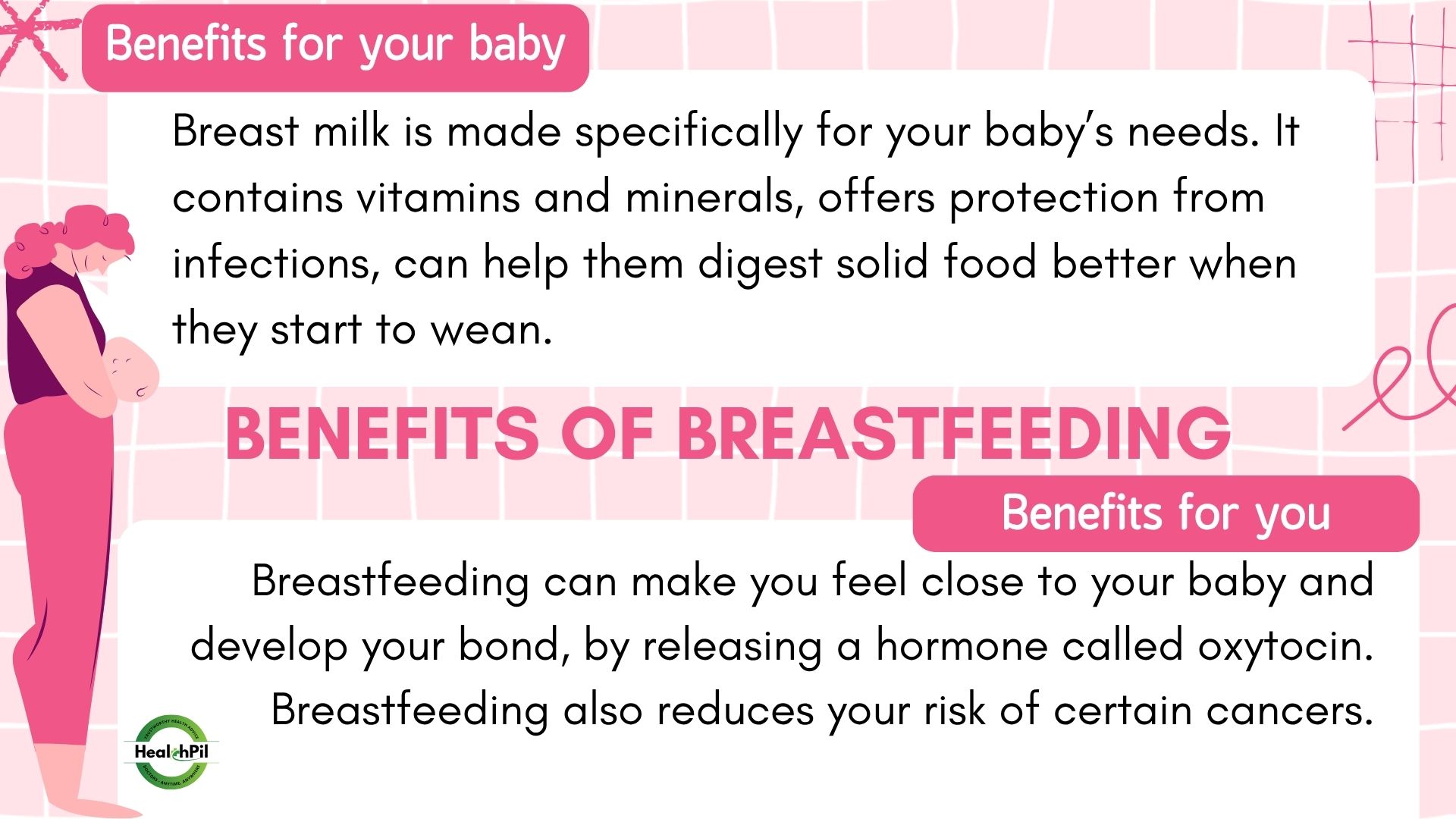
Breastfeeding is not just nutrition. The benefits of breastfeeding go well beyond basic feeding it delivers the exact combination of proteins, fats, vitamins, and carbohydrates a baby needs at every stage, and it changes composition as the baby grows. No formula can do that.
But nutrition is only part of the story. Breastfeeding and immunity are deeply connected. Breast milk is packed with antibodies, lactoferrin, lysozyme, and immunoglobulins that actively protect the baby against infections, diarrhoea, respiratory illness, and allergies. Breast milk also contains probiotic bacteria that seed the baby’s gut microbiome, supporting digestion and immune development right from the start.
The World Health Organization recommends exclusive breastfeeding for the first six months, followed by continued breastfeeding alongside complementary foods up to two years or beyond.
Types of Breastfeeding
Different mothers choose different approaches, depending on their baby’s needs and their own circumstances.
- Exclusive breastfeeding — the baby gets only breast milk for the first six months, no water, formula, or other foods. This is the gold standard for infant nutrition during this period.
- Partial breastfeeding — combines breast milk with formula, often chosen when exclusive breastfeeding isn’t possible or sustainable.
- Pumped breast milk feeding — expressed milk given through a bottle. Practical for mothers returning to work, or babies who struggle to latch directly.
- Extended breastfeeding — continues beyond infancy alongside solid foods, sometimes for two years or more.
The weaning process and weaning age are personal decisions that vary by family. There is no single correct answer.
Key Benefits of Breastfeeding
Nutritional Superiority Breast milk contains proteins and nutrients in exactly the proportions a baby needs, adjusted for their stage of development. No manufactured formula replicates this precision. Feeding directly also regulates itself naturally babies feed until satisfied, which supports healthy appetite habits from infancy.
Immune Protection Each feed delivers biological defense proteins and living immune cells that protect against infection. Breastfed babies consistently show lower rates of ear infections, gastrointestinal illness, respiratory infections, and hospitalisation.
Bonding Experience Skin-to-skin contact, proximity, and the hormone oxytocin released during feeding all build a secure bond between mother and baby. This isn’t just emotional it’s biological, and it shapes a child’s emotional development for years.
Cost-Effective Formula feeding gets expensive over months and years. Breastfeeding removes that cost entirely while giving nutrition formula cannot match. For families where budget matters and it matters for most this isn’t a small thing.
Health Benefits for Mothers
Breastfeeding and maternal health are deeply connected, in ways many women aren’t told about.
Breastfeeding supports uterine contraction after delivery, which reduces postpartum bleeding and helps the uterus return to its normal size faster. Long-term research shows meaningfully lower lifetime risk of breast cancer, ovarian cancer, high blood pressure, and type 2 diabetes in mothers who breastfed. The hormonal environment it creates also supports emotional recovery and wellbeing after birth.
Who May Need Extra Breastfeeding Support (Risk Factors)
Breastfeeding doesn’t come easily to everyone, and that’s not a failure — it’s just biology, sometimes.
- Premature babies often have a weaker suck reflex, making latching harder at first.
- Flat or inverted nipples can make positioning tricky and may need a lactation consultant’s help.
- Previous breast surgery can sometimes affect milk ducts and supply.
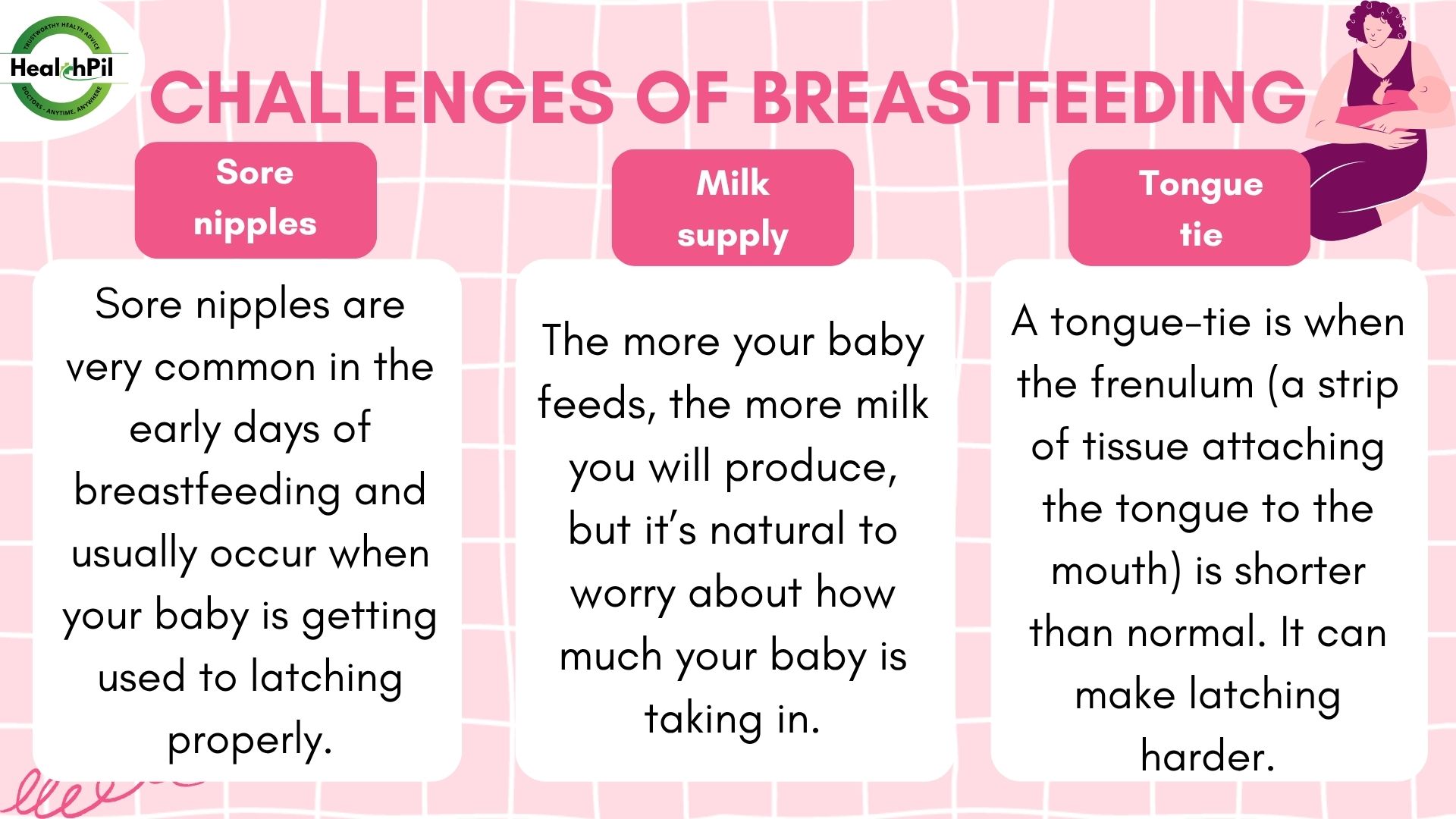
- Tongue-tie in the baby can cause poor latch and nipple pain for the mother.
- C-section delivery can delay the first feed slightly, though skin-to-skin still helps once the mother is able.
- Stress or exhaustion can affect let-down and milk flow temporarily.
None of these mean breastfeeding is impossible. They just mean a little extra support goes a long way.
Getting Started with Breastfeeding
- Educate Yourself Learning about breastfeeding before the baby arrives makes the early days easier. Classes, reading up on technique, or talking to a lactation consultant during pregnancy all of it helps. It often takes two to three weeks before it feels comfortable. Knowing that in advance stops many mothers from giving up too soon.
- Skin-to-Skin Contact Right after birth, skin-to-skin contact triggers natural feeding behaviour in both mother and baby. The baby is usually most alert in the first hour the best window for the first feed. It also steadies the baby’s temperature, heart rate, and breathing.
- Establishing a Feeding Routine Feed on demand, whenever the baby shows hunger cues, rather than watching the clock. Early feeding patterns are frequent and irregular. That’s normal, not a problem.
- How Often Should You Breastfeed a Newborn?
- Newborns typically feed every two to three hours around eight to twelve times in 24 hours. Frequent feeding supports milk supply and keeps the baby well hydrated. Watch for sucking on hands, lip smacking, rooting, and turning the head side to side. Crying is a late hunger cue feeding before that point makes for calmer, more effective feeds.
- Getting the Perfect Latch A good latch is the foundation of comfortable, effective breastfeeding. The baby should take in a large part of the areola, not just the nipple. A shallow latch is the most common reason behind sore nipples and poor milk transfer.
If latching hurts, or the baby seems unsatisfied after feeds, a lactation consultant can make an immediate difference. Getting support early is one of the most valuable things a new mother can do for herself.
Signs Your Baby Is Getting Enough Milk
- Six to eight wet nappies a day
- Steady weight gain over time
- Baby seems settled and satisfied after feeds
- Audible swallowing while nursing
- Regular bowel movements
If the baby seems excessively sleepy, isn’t gaining weight, or stays unsettled after every feed, speak to a paediatrician or lactation expert soon don’t wait it out.
Diet and Lifestyle While Breastfeeding
Making milk takes extra energy and fluids. Drink water through the day, not just when thirsty. Eat a balanced, nutrient-rich diet what the mother eats does shape milk quality, even if only a little.
A few things to go easy on:
- Caffeine — limit to one or two cups of coffee a day
- Alcohol — it passes into breast milk and can affect the baby’s sleep and development
- Certain foods — some babies react to dairy, soy, or strong spices in the mother’s diet. If the baby gets fussy, gassy, or develops a rash after feeds, it’s worth checking with a doctor about possible triggers
Common Breastfeeding Challenges
Most breastfeeding problems are solvable — but they need attention, not silent struggling through.
- Sore or cracked nipples — usually from a shallow latch
- Low milk supply concerns — often improves with frequent feeding and support
- Engorgement — breasts feel overly full when milk isn’t emptied often enough
- Blocked ducts — a firm, tender spot on the breast
- Mastitis — a breast infection with fever and flu-like symptoms, needs prompt treatment
- Nursing strikes — when a baby suddenly refuses to feed, usually temporary
These are common, not signs of failure. Most clear up quickly once addressed properly.
When to See a Doctor
Seek medical advice if:
- Breast pain or swelling feels severe
- Fever or flu-like symptoms appear (possible mastitis)
- Cracked or bleeding nipples aren’t improving
- Milk supply concerns persist despite trying
- The baby refuses feeds repeatedly
- The baby isn’t gaining weight properly
- The baby shows any signs of dehydration
- Breastfeeding pain doesn’t ease after the first few weeks
Early support from a lactation consultant or paediatrician can prevent complications and significantly improve the breastfeeding experience. If getting to a clinic isn’t immediately possible, an online consultation with a breastfeeding specialist or paediatrician is a quick, practical way to get guidance from home.
Emotional Benefits of Breastfeeding
Breastfeeding is linked to child development through more than nutrition alone. The skin-to-skin contact, eye contact, and consistent closeness all build the secure attachment that shapes how children relate to the world.
For many mothers, breastfeeding also supports their own emotional wellbeing after birth reducing anxiety, supporting maternal instincts, and giving a rhythm of closeness in the often disorienting early weeks.
How HealthPil Can Help
HealthPil connects new mothers with experienced paediatricians and lactation specialists for guidance on healthy breastfeeding practices, milk supply, latch support, and infant nutrition all from home. Whether you need help with a painful latch, want reassurance about your milk supply, or just need someone to talk through the early weeks with expert support is available through an online consultation from wherever you are. Book your lactation consultation with HealthPil today.
Summary
Breastfeeding is one of the most powerful things a mother can do for her baby’s early health and for her own. It isn’t always easy, and the early weeks test most mothers. But with good education, the right support, and the understanding that almost every challenge has a solution, most mothers who want to breastfeed can. And for those for whom it isn’t possible, partial breastfeeding or formula feeding are both valid, healthy ways to nourish a baby. What matters most is a fed baby and an informed, supported mother.
Frequently Asked Questions
How long should I breastfeed my baby?
Exclusive breastfeeding is recommended for the first six months, with continued breastfeeding alongside solid foods up to two years or beyond.
How often should a newborn breastfeed?
Newborns typically feed every 2-3 hours, around 8-12 times in 24 hours.
How do I know if my baby is getting enough milk?
Six to eight wet nappies a day, steady weight gain, and a settled baby after feeds are good signs.
What foods should I avoid while breastfeeding?
Limit caffeine and alcohol. Watch for baby’s reactions to dairy, soy, or spicy foods in your diet.
What is mastitis and how serious is it?
Mastitis is a breast infection causing fever and flu-like symptoms. It needs prompt medical attention.
Can I breastfeed after a C-section?
Mastitis is a breast infection causing fever and flu-like symptoms. It needs prompt medical attention.
What is mastitis and how serious is it?
Yes. It may take a little longer to start, but skin-to-skin contact and support can help feeding begin soon after.
References
- Kalarikkal SM, Pfleghaar JL. Breastfeeding. StatPearls Publishing. Available at:
NCBI Bookshelf - Muro-Valdez JC, Meza-Rios A, Aguilar-Uscanga BR, et al. Breastfeeding-Related Health Benefits in Children and Mothers: Vital Organs Perspective. Available at:
PubMed
Disclaimer
The information provided in this article is for awareness purposes only and should not replace professional medical advice. Always consult your healthcare provider for personalized medical guidance.

Read our editorial policy