

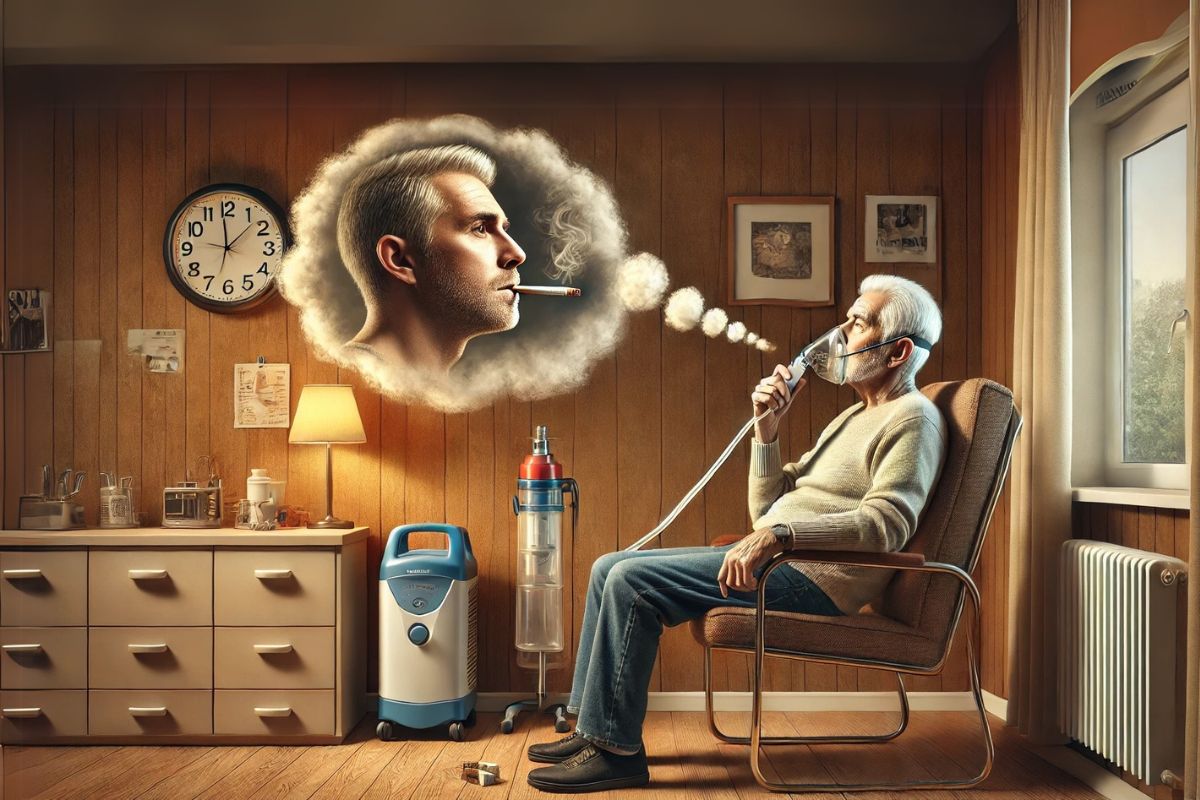
Climbing one flight of stairs shouldn’t leave you gasping. Cooking a meal shouldn’t make you feel like you’ve run a race. But for millions of people, this is everyday life.
If breathing has been getting harder slowly, quietly, over months or years your body might be trying to tell you something important. It could be COPD.
This blog explains what Chronic Obstructive Pulmonary Disease is, what the warning signs look like, why it happens, how it gets diagnosed, and what treatment actually helps. Simple words. No hard medical jargon. Just what you need to know.
What Is COPD?
COPD stands for Chronic Obstructive Pulmonary Disease. It is a long-term lung disease that makes breathing difficult. The airways the tubes that carry air in and out of your lungs get damaged or blocked over time.
COPD is not one single condition. It usually involves two main problems:
- Chronic bronchitis the airways stay inflamed and keep producing extra mucus. This causes a persistent cough that brings up sputum production every day.
- Emphysema the tiny air sacs deep inside the lungs get damaged. These air sacs are what put oxygen into your blood. When they break down, your body stops getting the oxygen it needs.
The important thing to know about COPD is this: it develops slowly. Early signs of COPD can be so mild that people ignore them for years. By the time breathing difficulty becomes obvious, the lungs have already been damaged quite a bit.
Early Signs of COPD What to Watch For
COPD symptoms don’t arrive all at once. They creep in gradually. Most people think it’s just ageing, or being unfit, or a cold that won’t go away.
Warning signs of COPD include:
- Persistent cough a chronic cough that doesn’t go away. It usually brings up mucus. This is one of the earliest and most consistent COPD symptoms.
- Shortness of breath at first only during exercise. Then during normal activities like walking or cooking. As COPD progresses, even simple things cause breathing difficulty.
- Wheezing a whistling or squeaky sound when breathing. This happens because of airflow obstruction in the narrowed airways.
- Chest tightness a heavy, pressing feeling in the chest. Like something is sitting on it.
- Mucus production coughing up thick mucus, especially in the mornings, is a common sign of chronic bronchitis.
- Fatigue feeling tired all the time. Not just sleepy. Genuinely exhausted. This happens because the body isn’t getting enough oxygen due to reduced COPD and oxygen levels.
- Recurrent lung infections getting chest infections or colds more often than normal. People with COPD are much more vulnerable to respiratory illness.
If any of these sound familiar and they’ve been going on for weeks or months please don’t ignore them. These are warning signs of COPD that deserve proper investigation.
COPD Stages How It Gets Worse Over Time
COPD is a progressive disease. It doesn’t stay still. It gets worse over time, especially without treatment.
- Early stage COPD mild cough, occasional shortness of breath. Easy to miss. Easy to excuse.
- Moderate COPD breathing difficulty during everyday activities becomes more noticeable. Fatigue increases. COPD flare-up episodes begin.
- Severe COPD frequent COPD exacerbation episodes, reduced ability to be physically active, and a noticeably worse quality of life with COPD.
- Advanced COPD breathlessness even at rest. Many patients need oxygen therapy just to get through the day. This is severe COPD symptoms at their most serious.
The earlier COPD is caught, the more can be done to slow it down.
What Exactly Is a COPD Exacerbation?
You’ll see the word “exacerbation” used a lot with COPD here’s what it actually means.
A COPD exacerbation is a sudden worsening of symptoms. More breathlessness than usual. More coughing. More mucus, sometimes changing color. It’s usually triggered by a chest infection, air pollution, cold weather, or missing your regular medicines.
Exacerbations aren’t just uncomfortable they can cause lasting lung damage if not treated quickly. The faster you get medical help during one, the lower the chance of needing hospital admission.
What Causes COPD?
- Smoking and COPD smoking is by far the most common cause. Cigarette smoke damages the airways and air sacs over years. COPD in smokers accounts for the majority of cases. But quitting smoking benefits the lungs even after years of damage it genuinely slows the disease down.
- Secondhand smoke breathing in someone else’s cigarette smoke regularly also causes lung damage over time.
- Air pollution and COPD living in areas with heavy traffic, industrial smoke, or poor air quality increases COPD risk significantly.
- Occupational dust exposure and chemical fumes exposure jobs that involve breathing in dust, chemicals, or fumes every day construction, mining, farming, factories can cause COPD in non-smokers too.
- Biomass fuel smoke cooking on wood fires or coal stoves in poorly ventilated spaces is a major cause of COPD in women in rural India.
- Genetics a rare condition called alpha-1 antitrypsin deficiency means some people are born more vulnerable to lung disease, even without any smoke exposure.
- Childhood lung infections severe respiratory infections in early childhood can affect how the lungs develop and increase long-term COPD risk factors.
Who Is at Higher Risk?
In India, COPD is a significant health concern among adults over 40 research shows it’s somewhat more common in men than women, though biomass fuel exposure from cooking on wood or coal stoves means many women without any smoking history are affected too.
COPD risk factors include:
Smokers and former smokers. People over 40. Anyone with long-term occupational dust exposure. People who cook on biomass fuel in enclosed spaces. Those with a family history of chronic lung disease. People who had frequent serious chest infections as children.
COPD in non-smokers is more common than most people realise. Air pollution and COPD, biomass fuel smoke, and workplace chemical fumes exposure all cause lung damage with or without cigarettes.
How COPD Is Diagnosed
COPD diagnosis starts with a doctor listening to your symptoms and examining your chest. Then specific tests are done.
- Spirometry test this is the main lung function test for COPD. You blow hard into a machine. It measures how much air you can blow out and how fast. Airflow limitation on the spirometry test is what confirms COPD diagnosis.
- Chest X-ray shows changes in the lungs related to emphysema or chronic bronchitis. A chest X-ray alone can’t confirm COPD but helps rule out other conditions.
- CT scan for COPD gives a detailed picture of lung damage. Particularly useful for assessing emphysema and ruling out lung cancer.
- Blood tests check oxygen levels and look for the alpha-1 antitrypsin deficiency that causes genetic COPD.
The spirometry test is the gold standard. If you have symptoms that match COPD go and get one done. Doctors look at a specific number from this test the ratio of how much air you can blow out in one second compared to your total lung capacity. If it falls below a certain level, that confirms COPD is present.
COPD vs Asthma What’s Different?
People often confuse the two. Both cause wheezing, coughing, and shortness of breath.
But COPD and asthma are different conditions. Asthma usually starts younger, is linked to allergies, and the airflow obstruction often reverses with treatment. COPD develops after years of smoking or pollution exposure, usually after age 40, and the airflow limitation is progressive it doesn’t fully reverse. A spirometry test and proper assessment by a pulmonologist for COPD can tell them apart clearly.
COPD Treatment What Actually Helps
There is no cure for COPD. But treatment genuinely helps. It reduces symptoms, slows the disease, and improves quality of life with COPD significantly.
- Bronchodilators and inhaler treatment these are the foundation of COPD management. Bronchodilators relax the airway muscles, opening them up to make breathing easier. Short-acting inhalers help during a COPD flare-up. Long-acting inhalers are used every day to keep airways open.
- Inhaled corticosteroids reduce airway inflammation. Often combined with bronchodilators in moderate to severe COPD.
- Antibiotics used during a COPD exacerbation caused by a chest infection. Recurrent lung infections are common in COPD and need prompt treatment to prevent worsening.
- Oxygen therapy when COPD and oxygen levels drop significantly, supplemental oxygen improves energy, reduces strain on the heart, and helps patients breathe through daily life.
- Pulmonary rehabilitation one of the best interventions for COPD management. A programme combining breathing exercises, physical activity, and education. It genuinely improves how patients feel and function day to day. People with COPD who do pulmonary rehabilitation have fewer hospital admissions and better quality of life.
- Quitting smoking the single most important thing any smoker with COPD can do. Quitting smoking benefits the lungs immediately and slows disease progression more than any medication. It is never too late to stop.
- Lifestyle changes staying as active as possible, eating a balanced diet, staying hydrated, and avoiding triggers all support better COPD management.
- Surgery in severe COPD, lung volume reduction surgery can remove the most damaged tissue and improve breathing. For end-stage advanced COPD, a lung transplant may be considered.
Living With COPD Practical Tips
Living with COPD is challenging. But there are things that make a real difference day to day.
- Learn breathing techniques pursed lip breathing slows the breath and helps move more air out of the lungs. Diaphragmatic breathing strengthens the breathing muscles. These are simple tools that help during breathing difficulty episodes.
- Avoid triggers smoke, strong smells, air pollution, cold air, and dust can all trigger a COPD flare-up. Knowing your triggers and avoiding them reduces how often exacerbations happen.
- Get vaccinated flu and pneumonia make COPD significantly worse. Staying up to date on vaccinations is an important part of COPD prevention of complications.
- Track symptoms keeping a simple diary of how breathing feels each day helps identify when things are getting worse before they become a crisis.
- Stay connected COPD affects mental health too. Anxiety and low mood are common alongside chronic lung disease. Talking to someone a doctor, a counsellor, a support group matters.
COPD Complications What Happens Without Treatment
Untreated chronic obstructive pulmonary disease leads to serious COPD complications. These include pneumonia and recurrent lung infections, respiratory failure, pulmonary hypertension high blood pressure in the lungs heart disease, and severe anxiety and depression.
COPD prognosis is significantly better when treatment starts early and lifestyle changes are made. Waiting makes every outcome harder.
COPD Myths Set Straight
“COPD only happens to smokers.” No. COPD in non-smokers is real. Air pollution and COPD, biomass fuel smoke, and occupational dust exposure all cause it.
“COPD is just part of getting old.” No. COPD is a specific lung disease. It is not normal ageing. It needs diagnosis and treatment.
“Nothing can be done once you have COPD.” Wrong. The best treatment for COPD inhalers, pulmonary rehabilitation, lifestyle changes, quitting smoking makes a significant difference to symptoms and quality of life with COPD.
“People with COPD shouldn’t exercise.” Incorrect. Gentle, regular activity walking, yoga, breathing exercises strengthens the lungs and improves COPD management outcomes.
When Should You See a Doctor?
See a doctor if you have a persistent cough lasting more than three weeks. If shortness of breath is getting worse. If mucus production is heavy and daily. If wheezing has started. If chest tightness is frequent. If recurrent lung infections keep happening.
See a doctor urgently if breathing becomes suddenly much worse. If lips or fingertips turn bluish. If confusion develops alongside breathing difficulty. These are signs of a serious COPD exacerbation that needs immediate care.
A COPD specialist a pulmonologist for COPD provides the most accurate assessment and the most targeted treatment plan. An online consultation with a pulmonologist through HealthPil means you can get expert respiratory disease management guidance from home.
How HealthPil Can Help
HealthPil connects you with experienced pulmonologists and COPD specialists who can assess your symptoms, interpret your spirometry test results, guide your inhaler treatment, support quitting smoking, and build a personalised COPD management plan around your specific needs.
Whether you have early signs of COPD or are managing advanced COPD expert support is available online from wherever you are.
Book your consultation with HealthPil today.
Summary
COPD is a progressive chronic lung disease that gets worse over time but treatment genuinely helps. Early signs of COPD include persistent cough, shortness of breath, wheezing, and fatigue. Smoking and COPD are strongly linked but air pollution, biomass fuel smoke, and occupational dust exposure cause it too. Spirometry test confirms COPD diagnosis. Bronchodilators, inhaled corticosteroids, oxygen therapy, and pulmonary rehabilitation are the main COPD treatment options. Quitting smoking benefits the lungs more than any medicine. The earlier COPD is caught and managed, the better the quality of life with COPD will be. If symptoms are present see a doctor. Don’t wait.
FAQ:-
Q1. What are the early signs of COPD?
Early symptoms include a persistent cough, shortness of breath, wheezing, excess mucus, and fatigue that gradually worsen over time.
Q2. Is COPD curable?
No. COPD has no cure, but early treatment, inhalers, and lifestyle changes can slow its progression and improve quality of life.
Q3. What is the main cause of COPD?
Smoking is the leading cause, but air pollution, biomass fuel smoke, and workplace dust or chemicals can also lead to COPD.
Q4. How is COPD diagnosed?
The main test is spirometry, which measures lung function. Chest X-rays and CT scans may also be used.
Q5. Can non-smokers develop COPD?
Yes. Long-term exposure to pollution, biomass smoke, and occupational dust can cause COPD even in non-smokers.
Q6. What is a COPD exacerbation?
A COPD exacerbation is a sudden worsening of symptoms, often triggered by infections or pollution, and may require urgent treatment.
Q7. Which doctor should I consult for COPD?
A pulmonologist (chest specialist) is the best doctor to diagnose and manage COPD with the right treatment plan.
References
- Kanchustambham V, Brown BD. Chronic Obstructive Pulmonary Disease (COPD). StatPearls Publishing. Available at:
NCBI Bookshelf - Kanchustambham V, Brown BD. Chronic Obstructive Pulmonary Disease (COPD). Available at:
PubMed
Disclaimer:
This article is for information only and does not replace medical advice. If you’re experiencing symptoms, please consult a doctor. Take control of your breathing today. Book an appointment with HealthPil and let us help you feel better.

Read our editorial policy