

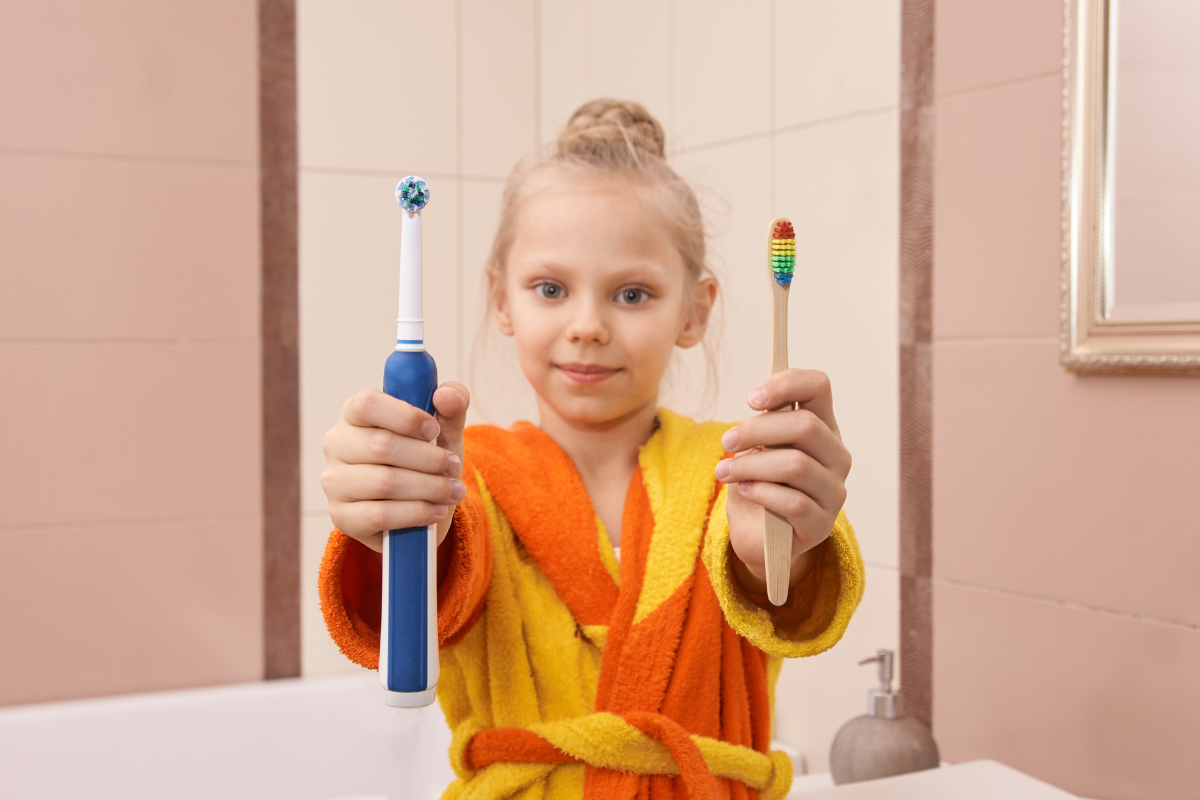
Walk into any pharmacy today and the electric toothbrush section takes up more shelf space than it did five years ago. Prices range from affordable to surprisingly expensive. The packaging makes bold claims. And somewhere in the back of your mind, the question lingers is this actually better for my teeth, or am I just paying more for something that does the same job?
The honest answer is: the research is fairly clear. Electric toothbrushes do work better for most people. But whether they’re worth it for you specifically depends on a few things worth understanding first.
What Is an Electric Toothbrush?
An electric toothbrush is a powered device either battery operated or rechargeable that moves its bristles automatically to clean teeth. Instead of your hand moving the brush back and forth, the brush does the movement for you. Your job is mainly to guide it to the right places.
How Does an Electric Toothbrush Work?
Different types work in different ways:
Oscillating-rotating toothbrush The brush head spins in one direction and then the other in rapid alternating circles. This scrubbing motion physically breaks up plaque. The most studied type, with the most research backing its effectiveness.
Sonic toothbrush Vibrates at very high speeds typically 30,000 to 40,000 strokes per minute. The vibration creates fluid dynamics that can clean slightly beyond where the bristles are physically touching.
Ultrasonic toothbrush Uses ultrasonic frequency vibrations. Less common, and the research on it compared to sonic and oscillating models is less extensive.
Battery operated toothbrush Runs on AA or AAA batteries. Usually the most affordable powered option. Less powerful than rechargeable models but still an improvement over manual for many people.
Rechargeable electric toothbrush Plugs into a charging base. More powerful, more consistent, and usually comes with more features. The kind most dentists refer to when recommending electric toothbrushes.
Do Electric Toothbrushes Really Work? What Research Says
Yes. Scientific studies show that electric toothbrushes remove more plaque and improve gum health than manual brushes. A large review found they reduced plaque by 21% and gingivitis by 11% after regular use.
Among all types, oscillating-rotating electric toothbrushes have the strongest clinical evidence. While a manual toothbrush can clean just as well with perfect technique, many people don’t brush for the recommended 2 minutes or reach every area properly. Electric toothbrushes help overcome these common mistakes with consistent brushing movements, built-in timers, and pressure sensors, making daily brushing easier and more effective.
The Benefits of Electric Toothbrushes
Better plaque removal The rapid movement of an electric toothbrush breaks up plaque more effectively than the average person’s manual brushing technique. This matters most in the areas people tend to miss the back teeth, along the gumline, and between teeth.
Gum health improvement and gingivitis prevention Regular use consistently shows reduced gum bleeding, less gum inflammation, and better gum health overall. For anyone who has been told they have gum disease or early gingivitis, this is significant.
Toothbrush with timer and two minute brushing timer Most electric toothbrushes have a built-in two minute timer — often divided into 30-second segments for each quadrant of the mouth. Studies show that most people brush for less than a minute with a manual toothbrush. The timer fixes this without any effort.
Pressure sensor toothbrush Many rechargeable models have a pressure sensor that buzzes or lights up when you’re pressing too hard. Over-brushing is a real problem it damages gum tissue and wears down enamel. A pressure sensor helps with enamel protection while brushing and prevents gum recession from happening slowly over years.
Easier brushing technique With a manual toothbrush, technique matters enormously. With electric, especially oscillating-rotating models, the brush does the mechanical work. The user just needs to move it slowly from tooth to tooth. This makes brushing habits improvement much more achievable for people who have always struggled with proper technique.
Better cleaning in hard-to-reach areas The round, small heads of most electric toothbrushes reach the back molars and the spaces along the gumline more easily than flat manual brush heads.
How to Use an Electric Toothbrush Correctly
An electric toothbrush does the movement for you but it still needs to be in the right place.
The right technique in 4 steps:
Step 1 — Apply a pea-sized amount of toothpaste
No more. Excess toothpaste creates too much foam and makes people spit and rinse too early which washes away the fluoride before it can do its job.
Step 2 — Guide, don’t scrub
Place the brush head against your teeth and let it do the work. Move it slowly from tooth to tooth about 2 seconds per tooth. You are guiding it, not scrubbing with it. This is the biggest difference from manual brushing technique.
Step 3 — Angle at 45 degrees toward the gumline
The bristles should touch both the tooth surface and the gum edge. This is where plaque builds up fastest and where most people miss.
Step 4 — Follow the timer
Two minutes, every time. Most electric toothbrushes divide this into 30-second quadrants top right, top left, bottom right, bottom left. Follow the quadrant buzzes rather than guessing.
What not to do:
Press hard. The brush head does the work pressing harder does not clean better and can damage gum tissue over time. Models with pressure sensors will alert you if you push too hard. Listen to them.
Who Should Use an Electric Toothbrush?
Electric toothbrushes are genuinely helpful for everyone, but they make the most difference for specific groups:
Electric toothbrush for elderly Older adults often have reduced grip strength and fine motor control. Moving a manual brush correctly for two minutes becomes genuinely difficult. An electric toothbrush for elderly users removes most of the effort from brushing.
Electric toothbrush for arthritis patients For anyone with arthritis, limited hand movement, or joint pain in the hands or wrists, holding and moving a manual toothbrush effectively is a real challenge. A powered toothbrush for limited mobility significantly improves oral hygiene for this group.
Electric toothbrush for children Children often rush brushing or use poor technique. A toothbrush with a timer and a smaller head designed for smaller mouths helps children brush properly without parental supervision being as critical. Some models also have smart toothbrush app connectivity that turns brushing into a game to encourage consistency.
Electric toothbrush for braces Toothbrush for orthodontic care is one of the most important uses. Cleaning around brackets and wires with a manual toothbrush is genuinely difficult. Electric toothbrushes particularly oscillating models with small round heads clean around and between the brackets more effectively.
Sensitive teeth electric toothbrush Many models have a sensitive mode that reduces speed and vibration for people with sensitive teeth or gum recession. A soft bristle electric toothbrush on a gentle mode cleans effectively without causing discomfort.
Electric Toothbrush vs Manual Toothbrush: Honest Comparison
Electric | Manual | |
Plaque removal | Better | Good if technique is correct |
Gum health | Better | Adequate with correct technique |
Ease of use | Much easier | Requires good technique |
Cost | Higher upfront | Very low |
Travel | Needs charging | No charging needed |
Children | Timer helps | Often rushed |
The bottom line: if you brush perfectly for two full minutes with a manual toothbrush using the correct technique every single time a manual brush does the job. Most people don’t. For most people, an electric toothbrush gets better results in practice, regardless of what’s theoretically possible.
The Practical Challenges
Electric toothbrush cost in India A decent rechargeable electric toothbrush in India starts from around Rs 1,500 and goes up to Rs 3,000 or more for premium models with more features. This is higher than a manual toothbrush, but spread over 3-5 years of use, the daily cost is quite small.
Replacement brush heads The heads need to be changed every 3 months — the same as replacing a manual toothbrush. Replacement heads cost Rs 300-600 depending on the brand. This ongoing cost is worth factoring in.
Battery and charging A rechargeable electric toothbrush needs to be charged — typically once a week or less with modern models. Long battery life toothbrush models exist that last 2-4 weeks on a single charge. For travel, a travel friendly electric toothbrush with a charging case or battery operated toothbrush option is practical.
Learning curve It takes a few days to get used to how an electric toothbrush feels. The vibration is different. The technique is different you move it slowly rather than scrubbing. Most people adapt within a week and find it much easier after that.
Not a complete solution A dentist recommended electric toothbrush improves brushing significantly but it doesn’t replace flossing, mouthwash, diet decisions, or regular dental check-ups. It’s the foundation of a good oral care routine, not the whole thing.
Eco Friendly Considerations
Eco friendly toothbrush options are a reasonable concern. Electric toothbrushes use plastic and require electricity or batteries. The environmental calculation depends on how long the handle lasts a rechargeable handle that lasts 5-10 years with replaceable heads uses less plastic overall than replacing a full manual toothbrush every 3 months. Some brands now offer more sustainable replacement head options.
Common Myths Cleared Up
“Electric toothbrushes are just a fad.” The research has been building for decades. Multiple independent systematic reviews confirm they outperform manual brushes for plaque removal and gum health. This is not marketing it’s consistent clinical evidence.
“You don’t need to brush as long with an electric toothbrush.” Still two minutes. Every time. The electric movement improves how well those two minutes clean it doesn’t reduce how long you need to brush.
“They damage enamel or gums.” A properly used electric toothbrush with the right pressure or one with a pressure sensor is gentler on enamel and gums than vigorous manual scrubbing. The damage comes from pressing too hard, which a pressure sensor actively prevents.
When Should You See a Dentist?
The best toothbrush in the world doesn’t replace professional dental care. See a dentist for preventive dental care every 6 months or sooner if you have bleeding gums, tooth sensitivity, or visible plaque buildup.
For oral care product guidance personalised to your teeth, gum health, and specific needs including whether an electric toothbrush is right for you book an online dental consultation through HealthPil. Getting advice from a dental professional is always better than relying on packaging claims.
How HealthPil Can Help
HealthPil connects you with dental professionals who provide personalised oral hygiene consultation whether you need guidance on the right toothbrush, help managing gum disease or gingivitis, or general advice on building a better oral care routine. An online dental consultation is available from home, without waiting for a clinic appointment.
Summary
Electric toothbrushes are more effective than manual brushes at removing plaque and improving gum health, especially oscillating-rotating models. Features like timers and pressure sensors help improve brushing technique and protect teeth. They are especially useful for children, braces wearers, older adults, and people with limited hand movement. Although they cost more upfront, rechargeable models offer better long-term value. For personalised advice, book an online dental consultation through HealthPil.
FAQs
Q1. Is an electric toothbrush better than a manual toothbrush?
Yes. Electric toothbrushes generally remove more plaque and reduce gum disease better than manual brushes, especially when used regularly.
Q2. Which type of electric toothbrush is best?
Oscillating-rotating brushes have the strongest clinical evidence, while sonic brushes are also effective and gentler for some users.
Q3. How often should I replace the brush head?
Replace the brush head every 3 months, or sooner if the bristles become worn.
Q4. Can children use an electric toothbrush?
Yes. Child-friendly electric toothbrushes with small heads and built-in timers can help improve brushing habits.
Q5. Are electric toothbrushes safe for sensitive teeth?
Yes. Choose a soft-bristle brush with a sensitive mode or pressure sensor to protect teeth and gums.
Q6. What is the ideal price range for an electric toothbrush in India?
A good electric toothbrush costs around ₹2,000–₹3,000, offering features like a timer and pressure sensor.
Q7. Do I still need to floss if I use an electric toothbrush?
Yes. An electric toothbrush cannot clean between teeth, so daily flossing or interdental brushes are still necessary.
References
- Friedenreich CM, Ryder-Burbidge C, McNeil J. Physical Activity, Obesity and Sedentary Behavior in Cancer Prevention and Survivorship. Available at:
PMC - Patel AV, Friedenreich CM, Moore SC, et al. American Cancer Society Guidelines on Nutrition and Physical Activity for Cancer Prevention. Available at:
PubMed
Disclaimer:
This information is for educational purposes only and should not replace professional dental advice. Always consult your dentist for personalised recommendations regarding your oral care.

Read our editorial policy