

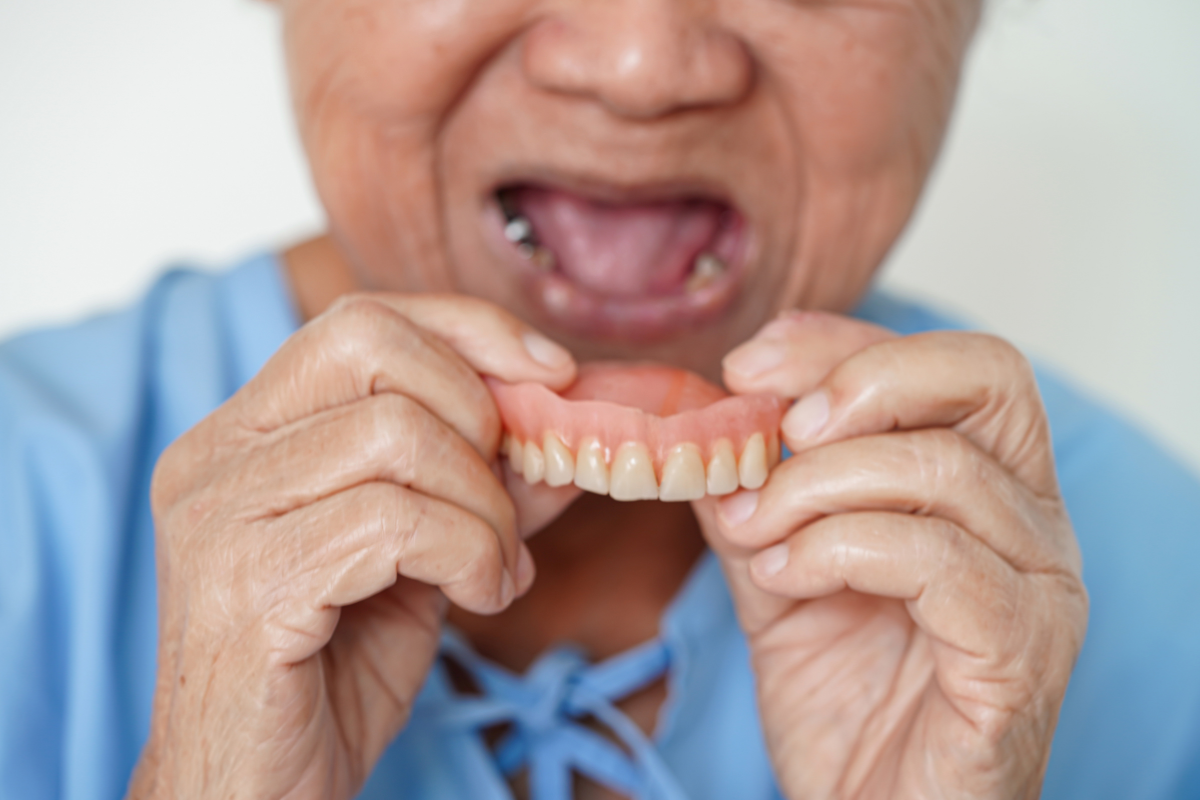
Losing a tooth as a child is exciting. Losing a tooth as an adult is something else entirely.
For many older adults, tooth loss happens gradually a tooth that starts feeling a little loose, gums that bleed more than they used to, a bite that feels slightly different. It’s easy to put off seeing a dentist when there’s no sharp pain. But by the time it hurts, the damage is often already significant.
The important thing to know is this: tooth loss in elderly adults is common but it is not inevitable. Most cases are preventable. And even when teeth are already lost, there are good options for replacing them.
What is Tooth What do you understand about it Tooth Loss?
Tooth loss happens when one or more permanent adult teeth become loose and eventually fall out. This is different from losing baby teeth as a child adult teeth are meant to last a lifetime.
When permanent teeth are lost, the effects go beyond appearance. Missing teeth affect how a person chews, how they speak, how their face looks, and how confident they feel. Over time, the jawbone where the missing tooth sat begins to shrink because the daily pressure of chewing is what keeps jawbone healthy and strong.
Common Causes of Tooth Loss
Gum Disease (Gingivitis and Periodontitis)
Gum disease is the leading cause of tooth loss in adults. It begins when plaque builds up around the teeth and gums. If plaque isn’t removed through regular brushing and flossing, the gums become red, swollen, and bleed easily—a condition called gingivitis.
Without treatment, gingivitis can progress to periodontitis, where the infection damages the gums and the jawbone supporting the teeth. As the bone weakens, teeth become loose and may eventually fall out.
The biggest concern is that gum disease often causes little or no pain in its early stages. Regular dental check-ups are the best way to detect and treat it before permanent damage occurs.
Tooth decay
Untreated cavities eat into the tooth structure. When decay reaches the inner part of the tooth the pulp infection follows. A badly decayed tooth may eventually break down or need to be removed. Regular dental checkups catch cavities when they’re small and easy to treat.
Osteoporosis
Osteoporosis weakens bones throughout the body including the jawbone. When the jawbone loses density, the support holding teeth in place weakens too. This increases tooth mobility and raises the risk of tooth loss, particularly in older women.
Poor oral hygiene
Not brushing and flossing properly allows plaque buildup to damage teeth and gums over time. This is the most preventable cause of tooth loss.
Smoking and tobacco use
Smoking weakens the immune system and reduces blood flow to the gums making gum infection harder to fight and healing slower. Smokers are significantly more likely to develop gum disease and tooth loss than non-smokers.
Diabetes
Diabetes increases the risk of gum infection and slows down the body’s ability to heal. People with poorly managed diabetes have higher rates of periodontitis and tooth loss.
Teeth grinding
Grinding or clenching teeth often during sleep puts constant pressure on teeth and supporting tissues. Over time, this can loosen teeth and damage the structures holding them in place.
Tooth Loss in India: A Bigger Problem Than Most People Realise
Tooth loss is a major oral health problem in India, especially among older adults. According to the National Oral Health Survey, more than 85% of Indians over 65 have lost at least one permanent tooth, and around one in three have lost all their natural teeth.
The biggest reasons are gum disease, tooth decay, poor oral hygiene, smoking, diabetes, and delayed dental care. Many people still believe tooth loss is a normal part of ageing, but it isn’t.
With regular dental check-ups, good oral hygiene, and early treatment, most tooth loss can be prevented. Even if teeth are already missing, modern treatments like dental implants, bridges, and dentures can restore function and improve quality of life.
Early Warning Signs of Tooth Loss
These signs often appear long before a tooth actually falls out. Catching them early makes treatment much simpler:
- Loose teeth — adult teeth should never feel loose. Any tooth mobility in a permanent tooth is a warning sign
- Bleeding gums — gums that bleed when brushing or flossing are not healthy. This is one of the earliest signs of gingivitis
- Swollen or red gums — healthy gums are pink and firm. Gums that are red, swollen, or tender indicate gum infection
- Receding gums — gums pulling back from the teeth expose the tooth roots, increasing sensitivity and decay risk
- Persistent bad breath — chronic bad breath that doesn’t go away with brushing can be a sign of bacterial infection and plaque buildup from gum disease
- Changes in bite — if your teeth suddenly feel different when biting or chewing, it may mean teeth are shifting due to bone loss
- Tooth sensitivity — exposed roots from receding gums cause sharp sensitivity to hot, cold, or sweet foods
What Happens If Tooth Loss Is Ignored?
Ignoring loose teeth, bleeding gums, or missing teeth doesn’t make the problem go away. It makes it worse:
- Difficulty chewing — missing teeth change how you eat. People often shift to softer, less nutritious food which affects overall health
- Speech problems — front teeth especially affect how certain words and sounds are formed. Missing teeth change speech in ways that affect confidence
- Jawbone loss — when a tooth is missing, the jawbone underneath it shrinks because it’s no longer being stimulated by chewing. This affects the shape of the face and makes future dental treatment harder
- Crooked teeth — nearby teeth shift into the empty space, causing bite problems and misalignment
- Loss of confidence — gaps in the smile affect self-image in ways that many people don’t anticipate until it happens
How Dentists Diagnose Tooth Loss
A dentist diagnoses the cause and severity of tooth loss through:
- Physical dental examination checking each tooth and the gums around it
- Measuring gum pockets deeper pockets around teeth indicate periodontitis
- Checking tooth mobility testing how loose each tooth is
- Dental X-rays showing bone levels around teeth. This is where bone loss from gum disease becomes visible. X-rays catch problems that can’t be seen or felt yet
- Plaque and tartar evaluation assessing the amount of buildup present
- Looking for signs of infection redness, swelling, discharge around teeth
Early diagnosis gives far more treatment options than waiting until teeth are already falling out.
Best Treatment Options for Missing Teeth
Dental implants
The gold standard for tooth replacement. A titanium post is placed into the jawbone where the missing tooth was acting as an artificial root. A crown is attached on top. Dental implants look and feel like natural teeth, last for decades with proper care, and prevent jawbone loss by stimulating the bone the way natural teeth do. Recommended for most people with good jawbone volume.
Dental bridges
A fixed replacement that bridges the gap left by a missing tooth. The teeth on either side of the gap are used as anchors. Bridges don’t require surgery and are a good option when implants aren’t suitable.
Dentures
Removable appliances that replace multiple missing teeth. Full dentures replace all teeth in an arch. Partial dentures replace several missing teeth while natural teeth remain. More affordable than implants but require regular removal and cleaning.
Periodontal treatment scaling and root planing
For gum disease that is causing loose teeth, deep dental cleaning removes plaque and bacteria from below the gumline and smooths the root surfaces so gums can reattach. This is often the first step before any restoration work.
Which Tooth Replacement Is Right for You?
Choosing between implants, bridges, and dentures depends on several factors how many teeth are missing, jawbone health, overall health, and budget. Here is an honest comparison:
Dental Implant | Dental Bridge | Denture | |
Looks like natural teeth | Best | Good | Varies |
Prevents jawbone loss | Yes | No | Ghaziabad No |
Requires surgery | Yes | No | No |
Removes for cleaning | No | No | Yes |
Affects adjacent teeth | No | Yes (anchors) | No |
Longevity | 15–25+ years | 10–15 years | 5–10 years |
Approximate cost India | Rs 25,000–60,000 per tooth | Rs 15,000–35,000 | Rs 8,000–25,000 |
Best for | Single missing tooth, good bone | 1–3 missing teeth in a row | Multiple or all teeth missing |
The honest bottom line: Dental implants are the closest thing to a natural tooth and the only option that prevents jawbone loss. But they require surgery and are the most expensive upfront. Bridges are a good middle ground. Dentures are the most accessible option when multiple teeth are missing or implants aren’t possible.
A dentist will assess your specific situation bone volume, gum health, number of missing teeth, and overall health before recommending which option is right for you. There is no universal answer.
How to Prevent Tooth Loss in Elderly
Most tooth loss is preventable with consistent daily habits:
- Brush twice daily — with a fluoride toothpaste, for two full minutes each time. This removes the plaque buildup that leads to gum disease and decay
- Floss every day — flossing cleans where a toothbrush can’t reach. This is where gum disease most often starts
- Regular dental checkups — at least once every six months. A dentist can spot early signs of gum disease and cavities before they become serious
- Healthy diet — foods rich in calcium, vitamin D, and vitamins C and K support bone density and gum health. Reduce sugary and acidic foods and drinks
- Quit smoking — one of the most impactful changes for gum health. Gum tissue heals better and infection risk drops significantly after quitting
- Manage diabetes — keeping blood sugar controlled reduces gum infection risk
- Treat teeth grinding — a dentist can provide a night guard to protect teeth from grinding during sleep
Tooth Loss Myths Cleared Up
“Tooth loss is a normal part of ageing.” It’s common but it’s not normal or inevitable. Many people keep their natural teeth well into their 80s and 90s with good oral hygiene and regular dental care. Age alone doesn’t cause tooth loss. Disease does.
“Once a tooth is lost, nothing can be done.” There are several good options for replacing missing teeth dental implants, bridges, and dentures each suit different situations. A missing tooth is not the end but the sooner it’s addressed, the better the options available.
When to See a Dentist
Don’t wait for pain before booking an appointment. See a dentist immediately if you notice:
- Any loose tooth
- Bleeding or swollen gums
- Persistent bad breath that doesn’t improve with brushing
- Pain while chewing
- Gum recession gums pulling away from the teeth
- Tooth sensitivity that wasn’t there before
- A change in how your bite feels
Tooth loss caught early is far easier and far less expensive to treat than tooth loss that has been progressing for years.
How HealthPil Can Help
HealthPil connects you with dental professionals who specialise in elderly dental care and senior oral health from managing gum disease and periodontitis to planning tooth replacement with implants, bridges, or dentures. Whether you need a first opinion, a second opinion, or ongoing dental support expert help is available through an online dental consultation from home.
Summary
Tooth loss in older adults is common but often preventable. The main causes include gum disease, tooth decay, diabetes, smoking, and poor oral hygiene. Early signs such as bleeding gums, loose teeth, receding gums, and persistent bad breath should never be ignored. Timely treatment and good oral care can help save natural teeth. If replacement is needed, dental implants, bridges, and dentures are effective options. For expert guidance, book an online dental consultation through HealthPil.
FAQs
Q1. At what age does tooth loss usually start?
Tooth loss becomes more common after 35–40 years, mainly due to untreated gum disease. The risk increases with age.
Q2. Can a loose tooth be saved?
Yes, if treated early. Mild gum disease can often be managed, but severe bone loss may require tooth removal.
Q3. Is tooth loss treatment covered by health insurance in India?
Most standard health insurance plans do not cover routine dental treatments. Check your policy for dental benefits.
Q4. Are dental implants safe for older adults?
Yes. Most healthy older adults can safely get dental implants after a dentist evaluates their oral and overall health.
Q5. How long do dental implants take?
The complete process usually takes 3–6 months, depending on healing and whether bone grafting is needed.
Q6. Can gum disease be reversed?
Gingivitis can be reversed with proper treatment and oral hygiene. Advanced periodontitis can be controlled but not fully reversed.
Q7. What foods help prevent tooth loss?
Calcium-rich foods, vitamin C-rich fruits, vitamin D, and crunchy vegetables support healthy teeth and gums, while limiting sugary foods helps reduce the risk of tooth loss.
References
- Gerritsen AE, Allen PF, Witter DJ, Bronkhorst EM, Creugers NHJ. Tooth Loss and Oral Health-Related Quality of Life: A Systematic Review and Meta-analysis. Available at:
PubMed - Lakshmi DV, et al. Tooth Loss Among Adults With and Without Presence of Chronic Diseases. Available at:
PMC
Disclaimer:
This information is for educational purposes and should not replace professional dental advice. Always consult your dentist for tailored recommendations regarding tooth loss.

Read our editorial policy