

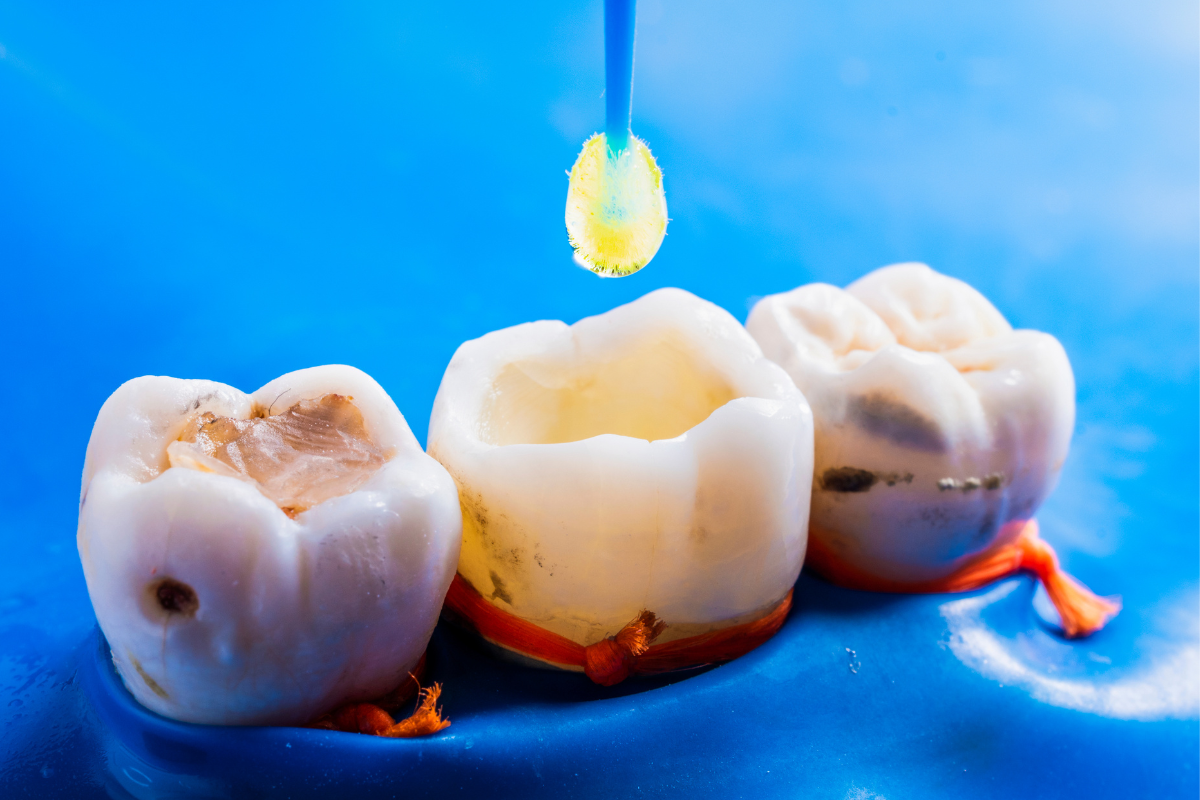
Your tooth has a hole in it. A small one, maybe but a hole the tooth cannot fix on its own. That is where a dental filling comes in.
Dental fillings are a restorative dental treatment used to repair teeth damaged by cavities, decay, cracks, or minor fractures. The filling goes into the cleaned-out cavity, restores the tooth’s shape and strength, and stops the damage from spreading further.
A simple way to think about it you patch a crack in a wall before water gets in and ruins the whole thing. Same idea.
Dental cavities are among the most common health problems in India the Indian Dental Association estimates that over 50% of the population has some form of tooth decay. A filling is the most straightforward way to treat it before it becomes a root canal.
What Are Dental Fillings?
Your tooth has a hole in it. A small one, maybe but a hole the tooth cannot fix on its own. That is where a dental filling comes in.
Dental fillings are a restorative dental treatment used to repair teeth damaged by cavities, decay, cracks, or minor fractures. The filling goes into the cleaned-out cavity, restores the tooth’s shape and strength, and stops the damage from spreading further.
A simple way to think about it you patch a crack in a wall before water gets in and ruins the whole thing. Same idea.
Why Are Dental Fillings Needed?
Dental cavity treatment through fillings is for cases where decay has started but has not gone deep enough yet to need a root canal. Fillings treat tooth decay, repair cavities in teeth, fix chipped or cracked teeth, stop infection from spreading, bring down tooth sensitivity, and get chewing function back to normal.
Here is the thing about cavities they do not stay the same size. Leave one alone for six months and it will be bigger, deeper, and far more painful to deal with.
Symptoms That May Indicate You Need a Dental Filling
Not every cavity announces itself. Some cause obvious discomfort. Others sit quietly until a dentist finds them on an X-ray during a routine check.
Watch for tooth sensitivity to hot, cold, or sweet foods, dark spots or visible holes on the tooth, a toothache that comes and goes, pain when chewing, food that keeps getting stuck in the same spot, a chipped or cracked tooth, or bad breath that comes back even after brushing.
Tooth sensitivity treatment through a filling is actually one of the most common reasons people visit a dentist and most of them had no idea decay was behind it.
Types of Dental Fillings
No single filling works for every tooth or every person. The right one depends on where the cavity is, how big it is, and what the patient needs.
Composite Fillings
Composite fillings tooth-coloured fillings made from resin are matched to the natural shade of the tooth. Once placed, they are nearly invisible. They are the go-to choice for front teeth fillings and anywhere appearance matters. They also work well for everyday cavity repair and cosmetic dental fillings.
Composite fillings bond directly to the tooth structure, which means less healthy tooth needs to be removed during preparation compared to amalgam. The trade-off is durability they wear faster under heavy chewing pressure and can stain over time with tea, coffee, or tobacco. For front teeth and visible areas, they remain the standard choice.
Amalgam Fillings
Amalgam fillings the silver fillings most people recognise have been around for over 150 years. They are made from a mix of metals including silver, mercury, tin, and copper. Strong, reliable, and built to handle pressure, they are the standard choice for back teeth fillings where the tooth takes the most force during chewing. Among the most long-lasting dental fillings available.
The strength advantage of amalgam is real no other common filling material handles the grinding pressure of back molars as reliably over 10 to 15 years. The downsides are equally real: the silver colour is visible, placement requires removing slightly more healthy tooth structure than composite, and some patients prefer to avoid the mercury content, though regulatory bodies including the WHO consider amalgam fillings safe for most adults.
Glass Ionomer Fillings
Glass ionomer fillings release fluoride after placement, which means they keep working to protect the tooth from further decay. They are commonly recommended for children, small cavities, and spots that do not take heavy chewing pressure. Their anti-cariogenic property makes them useful in situations where preventing future decay matters as much as treating the current one.
The fluoride release is a genuine advantage in patients with higher cavity risk children, those with dry mouth, or anyone whose diet is difficult to control. The limitation is durability glass ionomer wears faster than composite or amalgam and is not suitable for surfaces that take direct biting force.
Gold Fillings
Gold dental fillings are built to last often 15 years or more. Made from a gold alloy and custom-fitted in a lab, they are one of the most durable tooth fillings available. Less popular today because of cost and appearance, but for patients who want maximum longevity, they are hard to beat.
Gold is the most biocompatible filling material available it does not corrode, does not cause allergic reactions, and does not expand or contract with temperature changes the way some other materials do. The two practical barriers are cost, which is significantly higher than other options, and aesthetics gold is visible and not to everyone’s preference.
Ceramic or Porcelain Fillings
Ceramic dental fillings and porcelain fillings look close to real teeth, resist staining, and hold up well over time. Popular for cosmetic dental fillings and front teeth restoration. Like gold fillings, these are lab-made and usually require more than one appointment.
Ceramic fillings combine the appearance advantage of composite with better stain resistance and a longer lifespan. The limitation is cost ceramic restorations require lab fabrication and typically two appointments, making them one of the more expensive filling options. For patients who want both durability and natural appearance, they are worth the investment.
Best Dental Filling Material: Which One Is Right for You?
There is genuinely no single best dental filling material it depends on the person, the tooth, and the situation.
A composite filling makes sense for a front tooth where appearance matters. An amalgam or gold filling may hold up better on a back molar that handles heavy chewing every day. Budget, durability, and cosmetic preference all play a role.
Your dentist will walk you through the options. If you want to understand your choices before the appointment, an online dental consultation is a practical starting point.
Tooth Filling Procedure Step-by-Step
Most standard fillings are done in a single visit and take less time than people expect.
Diagnosis and X-rays
The dentist examines the tooth and takes dental X-rays for cavities to check how deep the decay goes and confirm a filling is the right approach.
Local Anesthesia
Local anesthesia for fillings numbs the area before anything starts. Most patients feel pressure during the procedure but very little actual pain.
Removal of Decay
The decayed part of the tooth is removed completely. Nothing is filled until all damaged material is gone.
Cleaning the Cavity
The cavity cleaning procedure clears out bacteria and debris from the prepared area so nothing is sealed inside the tooth.
Filling Placement
The filling material is applied and shaped. For composite fillings, a special light hardens each layer light-cured composite fillings are built up gradually to create a strong, bonded result.
Polishing and Bite Check
Polishing after dental fillings smooths the surface. The dentist then checks the bite if the filling sits even slightly too high, it gets adjusted until everything feels right.
How Long Do Dental Fillings Last?
It depends on the material and how well the tooth is looked after. Composite fillings typically last 5 to 10 years. Amalgam fillings run 10 to 15 years. Ceramic fillings are similar. Gold dental fillings often go 15 years or longer.
These are averages. A filling in someone who grinds their teeth at night may not last as long. One in a well-maintained tooth may last longer than expected. Regular dental check-ups are the best way to catch wear before it turns into a problem.
Dental Filling Aftercare Tips
Care after tooth filling is not complicated, but the first 24 hours matter.
Wait until the numbness fully wears off before eating biting your cheek without realising it is easier than it sounds. Brush twice a day, floss daily, and keep the usual hygiene routine going. Cut back on sugary foods. And see your dentist regularly fillings need checking over time just like anything else.
Foods to Avoid After Dental Fillings
Aftercare for dental fillings includes watching what you eat for the first couple of days. Foods to avoid after fillings sticky candies, hard foods like nuts or crusty bread, chewing ice, and very hot or cold foods while the tooth is still settling.
Side Effects and Risks of Dental Fillings
Most people feel fine after a filling. Some notice temporary tooth sensitivity to temperature, mild aching for a day or two, or in rare cases a reaction to the filling material. Over years, fillings can also wear or crack and may eventually need replacing.
If sensitivity keeps going beyond two to three weeks, mention it at the next visit. It is usually easy to sort out.
Consequences of Untreated Cavities
Cavities in teeth do not pause and wait. A small cavity today that gets a filling is a one-appointment fix. That same cavity left for a year can reach the nerve, cause a tooth abscess, and land you in the chair for a root canal or cost you the tooth entirely.
Untreated cavities complications go beyond the mouth too. Oral infections can affect overall health in ways people do not always connect back to a tooth. Treating it early costs less, hurts less, and takes less time.
When Is a Root Canal Needed Instead of a Filling?
A filling handles decay that is still in the outer layers of the tooth. When it gets deep enough to reach the pulp the soft inner tissue with the nerve and blood vessels bacteria infect it and the pain becomes severe. That is when root canal after cavities becomes necessary. The infected tissue is removed, the canal is cleaned and sealed, and a crown usually goes on top.
Catch the decay before it gets that far, and a filling is all that is needed. Which is exactly why regular check-ups exist.
Cost of Dental Fillings in India
Dental filling cost in India varies based on the material, cavity size, clinic location, and the dentist’s experience. Composite and glass ionomer options are generally on the more affordable end. Gold and ceramic fillings cost more because of the materials and lab work involved.
Ask for a cost estimate before the procedure any good dentist will give you one.
As a general guide, composite fillings in India typically range from ₹800 to ₹3,000 per tooth depending on cavity size and clinic location. Amalgam fillings are generally at the lower end of the cost range. Glass ionomer falls similarly to composite. Ceramic and gold fillings involve lab work and cost significantly more often ₹5,000 to ₹15,000 or above depending on the restoration size and the clinic. Government dental hospitals and dental college clinics offer fillings at subsidised rates for those on tighter budgets.
Myths
Myth 1: Fillings are only for children. Tooth decay happens at any age. Adults need dental fillings regularly sometimes more than children do.
Myth 2: Once I get a filling, I will not have to worry about that tooth again. Fillings are durable, not permanent. They wear down, crack, and sometimes come loose. Regular check-ups catch these issues early.
The Future of Dental Fillings
One development worth knowing about: self-healing dental composites are currently in advanced research stages. The concept involves embedding tiny capsules of a healing agent within the composite material. When a microscopic crack forms, the capsules break and release the agent, sealing the damage before it spreads. If this technology reaches clinical use at scale, it could significantly extend composite filling lifespans and reduce the number of replacement visits patients need over their lifetime.
How to Prevent Cavities Naturally
The simplest truth about cavity filling treatment the best one is the one you never need. Brush twice daily with fluoride toothpaste, floss every day, cut back on sugar and acidic drinks, stay hydrated, avoid tobacco, and keep up with dental check-ups. None of this is complicated. It just needs to be consistent.
When Should You See a Dentist?
Do not sit on tooth pain hoping it sorts itself out. See a dentist if you have sensitivity that keeps returning, dark spots or visible holes in a tooth, a broken or missing filling, pain while chewing, or swollen gums near any tooth. Tooth decay treatment works best when it starts early.
If getting to a clinic is not easy right now, an online dental consultation is a sensible first step. Describe your symptoms, share photos of the tooth, and get an initial assessment from a dentist from home. They will let you know whether an in-person visit is urgent or can wait.
Online Dental Consultation for Tooth Fillings
Been told you need a filling and want to understand what that actually means before you go in? An online dental consultation lets you ask about the types of dental fillings, understand the tooth filling procedure, and get a clear picture of what to expect all before stepping into a clinic.
How HealthPil Can Help
HealthPil connects you with experienced dentists for cavity evaluation, filling consultations, and ongoing dental care. Book an online dental consultation today and get the right guidance for your dental health.
Summary
Dental fillings repair teeth damaged by cavities, decay, cracks, or minor fractures. Treating tooth decay early with a filling prevents it from progressing to a root canal or extraction.
Common types include composite fillings for visible teeth, amalgam fillings for back molars, glass ionomer for children, and ceramic or gold fillings for those prioritising durability. Your dentist will recommend the best dental filling material based on cavity size, location, and budget.
The tooth filling procedure is completed in a single visit under local anaesthesia with minimal discomfort. Fillings last 5 to 15 years depending on material and aftercare.
Brush twice daily, floss regularly, reduce sugar intake, and attend routine dental check-ups to prevent cavities and extend filling life.
FAQs
1. Are dental fillings painful?
Dental fillings are usually performed under local anesthesia, making the procedure comfortable.
2. Which filling material is best for teeth?
Composite fillings are popular because they match natural tooth color, while amalgam fillings are highly durable.
3. How long do dental fillings last?
Dental fillings may last from 5 to 15 years depending on the material and oral hygiene.
4. Can cavities come back after fillings?
Yes, poor oral hygiene may lead to new decay around existing fillings.
5. Can I book an online dental consultation for fillings?
Yes, online dental consultations can help patients understand filling options, costs, aftercare, and treatment planning.
References
- Yengopal V, Mickenautsch S. Dental Fillings for the Treatment of Caries in Primary Teeth. Available at:
PubMed - National Institute of Dental and Craniofacial Research (NIDCR). Dental Fillings. Available at:
NIDCR
Disclaimer:
This content is for informational purposes only and should not replace professional dental advice. Always consult your dentist regarding your specific dental needs.

Read our editorial policy