

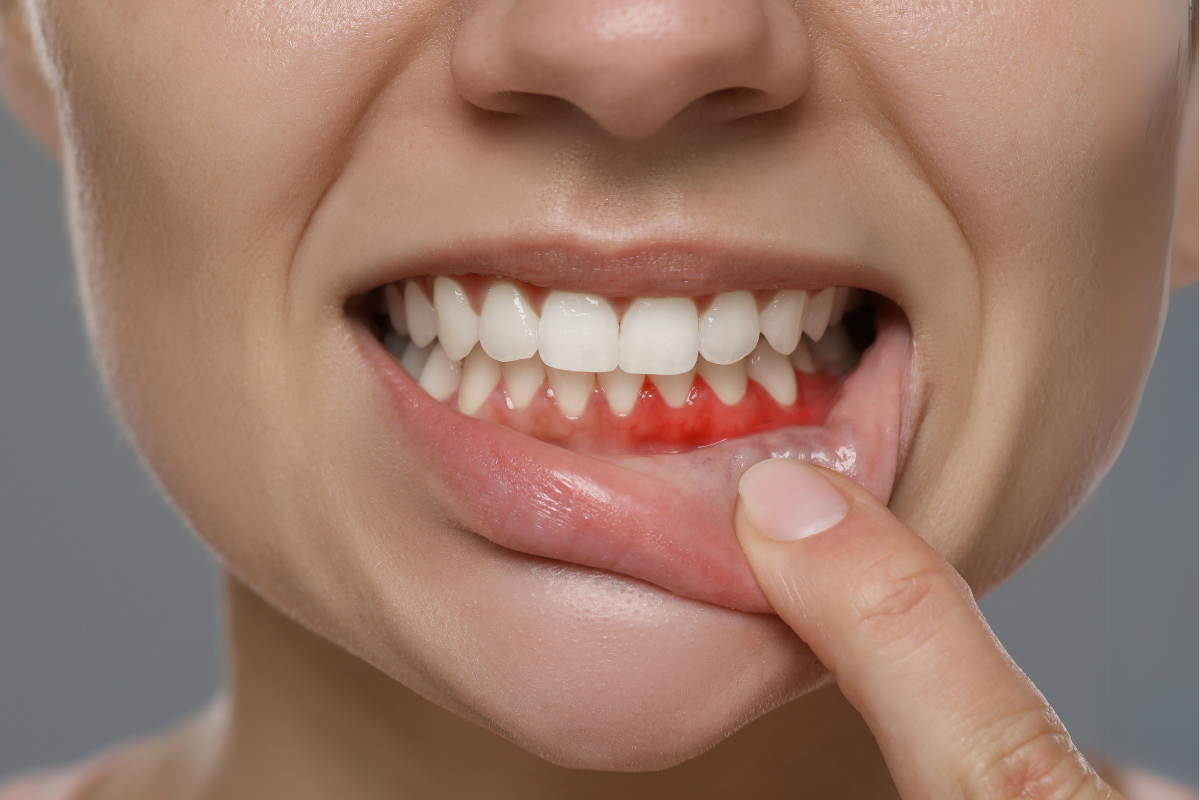
Most people do not realise they have gum disease until a dentist points it out. There is no dramatic moment no single day when something clearly goes wrong. It starts quietly, with gums that look a little red, bleed a little when brushing, or feel slightly tender. Easy to dismiss. Easy to ignore.
But periodontal disease gum disease is one of the most common causes of tooth loss in adults. And the part that makes it particularly dangerous is that it rarely hurts in its early stages. By the time it does, significant damage has often already happened.
What Is Gum Disease?
Gum disease, also called periodontal disease, is a bacterial infection that affects the gums and the bone and tissue that hold the teeth in place. It starts at the gumline, where plaque buildup creates conditions for bacteria to grow, and it progresses from there slowly, steadily, and usually without much warning.
Left untreated, gum disease leads to gum recession, loose teeth, and eventually tooth loss due to gum disease.
Types of Gum Disease
Gingivitis
Gingivitis is the earliest stage of gum disease. At this point the infection is limited to the gums themselves the bone and supporting tissue have not yet been affected. Bleeding gums when brushing, swollen gums, redness, and tender gums are the main signs. Gingivitis is reversible with proper treatment and an improved oral hygiene routine.
Periodontitis
When gingivitis is not treated, it can progress to periodontitis a more serious stage of periodontal disease where the infection spreads below the gumline and begins damaging the bone and tissue that support the teeth. Gum recession, loose teeth, persistent bad breath, and deep gum pockets are common at this stage. Periodontitis requires professional periodontal treatment and cannot be reversed the same way gingivitis can.
Gum Disease in India More Common Than Most People Know
Gum disease is one of the most common oral health problems in India. Studies show that over 90% of adults experience some form of gum disease, while 40–50% have moderate to severe periodontitis.
The biggest risk factors are poor oral hygiene, tobacco use (gutka, khaini, pan masala, cigarettes), high-sugar diets, and Vitamin C deficiency. Many people ignore bleeding gums, thinking it’s normal, when it’s actually an early sign of gum disease.
If left untreated, gum disease can lead to loose teeth and tooth loss. The good news is that early treatment and good oral hygiene can prevent most cases.
What Causes Gum Disease?
The root cause of gum disease in most cases is dental plaque a sticky film of bacteria that forms on the teeth every day. When plaque is not removed properly through brushing and flossing, it hardens into tartar buildup that cannot be removed at home. The bacteria in plaque and tartar irritate the gums, causing gum inflammation that, over time, leads to infection.
Poor oral hygiene is the biggest driver. But other factors play a significant role too smoking and gum disease are closely linked, diabetes and gum disease affect each other in both directions, dry mouth and gum disease are connected because saliva helps control bacterial growth, and hormonal changes and gums are linked during pregnancy, puberty, and menopause.
Risk Factors for Gum Disease
Some people are more likely to develop gum disease regardless of how well they brush. Gum disease risk factors include smoking and tobacco use, diabetes, pregnancy and gum disease, stress and gum disease, poor nutrition, dry mouth, a weak immune system, and poor oral hygiene.
Smoking and gum disease is one of the strongest connections smokers are significantly more likely to develop periodontal disease and less likely to respond well to treatment. Pregnancy and gum disease is also well documented hormonal changes make the gums more sensitive to bacteria during pregnancy, which is why dental check-ups during pregnancy are important.
Early Signs of Gum Disease
Bleeding Gums
Bleeding gums during brushing or flossing is often the first thing people notice and the first thing they explain away. Healthy gums do not bleed when brushed normally. Treatment for bleeding gums starts with understanding the cause, and gum infection is one of the most common ones. Do not assume bleeding gums are normal just because they have been happening for a while.
Persistent Bad Breath
Bad breath from gum disease is caused by bacteria living in the pockets between the teeth and gums, producing odour that does not go away with brushing or mouthwash. Halitosis that keeps returning despite good oral hygiene is one of the signs that gum infection may be present.
Receding Gums
Gum recession happens when the gums pull away from the teeth, exposing more of the tooth surface and sometimes the root. Receding gums make teeth look longer than they used to and can increase sensitivity. Treatment for receding gums depends on how advanced the recession is in some cases deep cleaning is enough, in others surgical options may be needed.
Loose Teeth
Loose teeth are a sign of advanced gum disease. When the bone and tissue supporting the tooth have been damaged significantly by periodontitis, the tooth loses its stable foundation. Tooth loss due to gum disease is preventable when treated early but at this stage, treatment becomes more complex and less predictable.
Stages of Gum Disease
Gum disease usually moves through four stages. Gingivitis is the first and most treatable. Early periodontitis follows when infection begins reaching below the gumline. Moderate periodontitis involves more significant bone loss and gum damage. Advanced periodontitis is the most serious stage, where major bone loss, very loose teeth, and severe gum recession can occur.
How Is Gum Disease Diagnosed?
A dentist or periodontal specialist diagnoses gum disease through an oral examination, measuring the depth of the gum pockets around each tooth, taking dental X-rays to assess bone levels, and evaluating the amount of plaque buildup and tartar buildup present. Gum pocket measurements are one of the most reliable ways to track how far the disease has progressed.
Deep Cleaning for Gum Disease
Deep cleaning (scaling and root planing) is the most common non-surgical treatment for gum disease. It removes plaque and tartar from above and below the gumline, while smoothing the tooth roots to prevent bacteria from building up again.
In some cases, antibiotics may be prescribed to help control the infection. If gum disease is severe and deep pockets remain, gum surgery may be needed to restore gum health and protect the supporting bone around the teeth.
Can Gum Disease Be Reversed?
Gingivitis can be fully reversed. With a professional dental cleaning, an improved oral hygiene routine, and consistent brushing and flossing at home, the gums can return to a healthy state.
Periodontitis cannot be fully reversed the bone and tissue lost do not regenerate on their own. But with the right periodontal treatment, the disease can be stopped from progressing further, and most patients are able to keep their teeth with proper ongoing care.
Complications of Untreated Gum Disease
Gum disease that is not treated does not stay in one place. It progresses to tooth loss, bone damage, worsening gum recession, loose teeth, and persistent bad breath. Beyond the mouth, unhealthy gums have been linked to serious systemic health conditions which is why how gum disease affects overall health is something dentists take seriously.
How to Prevent Gum Disease
Gum disease prevention is straightforward in principleit just requires consistency. Brush twice daily with a soft-bristled toothbrush, floss every day to remove bacteria in gums between teeth, avoid smoking, visit a dentist for gum disease check-ups regularly, eat a balanced diet that supports healthy gums, and get professional dental cleanings to remove tartar that brushing cannot shift.
Nutrition and Gum Health What You Eat Matters
Diet affects gum health more than most people realise. What goes into the mouth directly influences how resilient the gum tissue is and how well it resists infection.
Vitamin C
is the most important nutrient for gum health. It supports collagen production the structural protein that holds gum tissue together and attaches gums to teeth. Low Vitamin C intake is directly associated with weakened gums and slower healing after gum infection. Good sources in Indian diets: amla, guava, citrus fruits, capsicum, and raw tomatoes.
Calcium and Vitamin D
support jawbone density the bone that holds teeth in place. When the jawbone weakens, it loses the ability to anchor teeth securely. Dairy, ragi, sesame seeds, and leafy greens provide calcium. Sunlight remains the most effective source of Vitamin D.
Antioxidants
from fruits, vegetables, and green tea reduce inflammation in the gum tissue, helping it resist bacterial infection more effectively.
What to reduce: Refined sugar feeds the bacteria responsible for plaque formation and gum disease. Sticky sweets, sugary drinks, and refined carbohydrates that stay on the teeth feed bacterial growth. This does not mean never eating sugar it means being aware of frequency and cleaning the teeth properly afterward.
The overall dietary pattern matters more than any single food. A diet rich in vegetables, fruits, lean protein, and dairy the kind of balanced Indian diet that many families already eat provides most of what the gums need to stay healthy.
Oral Hygiene Tips for Healthy Gums
Healthy gums come from daily habits. Use a soft-bristled toothbrush and replace it every three months. Clean the tongue daily it holds bacteria that contribute to gum inflammation and bad breath from gum disease. Use an antibacterial mouthwash to reach areas brushing misses. Stay hydrated dry mouth and gum disease are linked, and water helps keep saliva production up. And keep up with the oral hygiene routine even on days when it feels like an effort consistency is what makes the difference.
How Gum Disease Affects Overall Health
The mouth and the rest of the body are more connected than most people realise. Bacteria from gum infection can enter the bloodstream and affect other parts of the body. Gum disease has been linked to heart disease, diabetes and gum disease working in both directions making each condition harder to manage pregnancy complications, and other systemic health problems.
Taking care of inflamed gums is not just about keeping teeth. It is about overall health.
When Should You See a Dentist for Gum Disease?
See a dentist if you have bleeding gums, swollen or painful gums, persistent bad breath, receding gums, loose teeth, or pain while chewing. These are common signs of gum disease and should not be ignored.
Early treatment is much simpler and more effective than treating advanced periodontitis. If you can’t visit a clinic immediately, an online dental consultation can help you understand your symptoms and whether you need urgent in-person care.
Myths
Myth 1: Only older adults get gum disease. Gum disease can affect anyone including teenagers. Age is a risk factor but not a requirement. Poor oral hygiene, smoking, and hormonal changes can all cause gum infection at any age.
Myth 2: If my gums do not bleed, I am fine. Not always. Gum disease can exist without noticeable bleeding particularly in smokers, where reduced blood flow to the gums can mask bleeding even when infection is present. Regular dental check-ups are the only way to know for certain.
How HealthPil Can Help
HealthPil connects you with experienced dentists and periodontal specialists who can diagnose and treat gum disease effectively. Book an online dental consultation today and get the right care before the problem goes further.
Summary
Teeth whitening can effectively remove stains, but results vary by the type of discoloration. Professional whitening offers faster results, while OTC products help with mild stains. Temporary sensitivity is common, and home remedies like charcoal or baking soda may damage enamel. Whitening does not work on crowns, veneers, or fillings. For safe and effective treatment, book an online dental consultation through HealthPil.
FAQs
Can gum disease cause tooth loss?
Yes. Advanced gum disease can damage supporting tissues and lead to tooth loss.
Is gum disease contagious?
The bacteria associated with gum disease may spread through saliva.
Can gum disease be cured permanently?ontagious?
The bacteria associated with gum disease may spread through saliva.
Does gum disease cause bad breath?
Yes. Persistent bad breath is a common symptom of gum disease.
Can I consult a dentist online for gum disease?
Yes. Online dental consultations can help assess symptoms and guide further treatment.
References
- Gasner NS, Schure RS. Periodontal Disease. StatPearls Publishing. Available at:
NCBI Bookshelf - Gasner NS, Schure RS. Periodontal Disease. Available at:
PubMed
Disclaimer:
This information is for educational purposes only and should not replace professional dental advice. Always consult your dentist for diagnosis and treatment options.

Read our editorial policy