

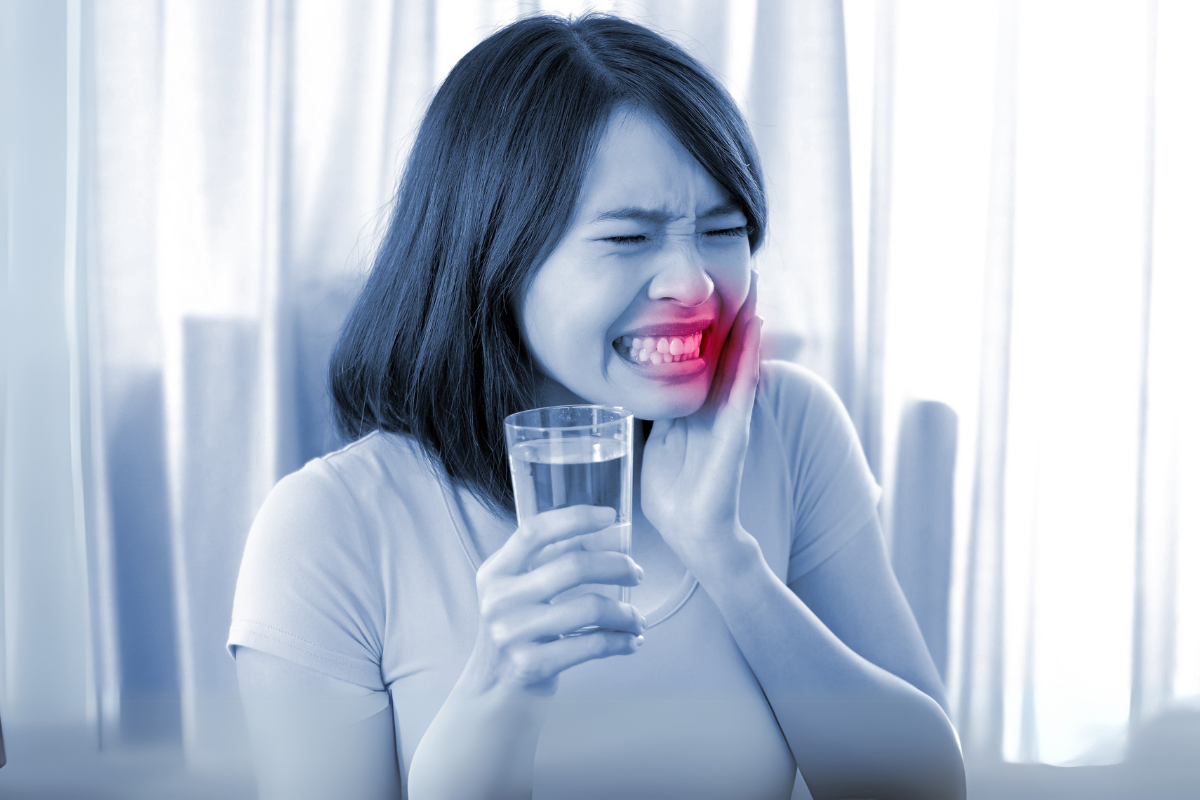
You take a sip of cold water. And there it is. That sharp little zing through your tooth, gone in a second, but enough to make you wince.
Maybe it happens with chai too hot to drink fast. Or that gulab jamun you were enjoying until your tooth said no. Or just standing outside on a December morning in Delhi, breathing in, and feeling it in your back teeth.
If this sounds familiar, you’re dealing with tooth sensitivity. And you’re definitely not the only one. It’s one of the most common dental problems people quietly live with for months sometimes years before they actually do something about it.
This article walks through what causes it, what it feels like, how dentists treat it, and when it’s time to stop ignoring it.
What Is Tooth Sensitivity?
Tooth sensitivity, also called dentin hypersensitivity, is when your teeth react with pain to certain triggers. Hot food. Cold drinks. Sweet things. Acidic things. Even cold air.
The pain usually comes fast, feels sharp, and fades quickly. But not always. For some people it lingers a bit longer. For others, it slowly starts affecting daily life eating, drinking, even brushing becomes something to dread.
It’s common. It’s manageable. But it’s also worth understanding properly, because sensitivity is rarely random.
Why Does Tooth Sensitivity Happen?
Every tooth has a hard outer shield called enamel. Underneath sits a softer layer called dentin. And inside that dentin are tiny tubes microscopic channels that connect straight to the tooth’s nerve.
As long as enamel stays intact and gums stay healthy, those channels remain covered. Protected. Quiet.
But when enamel wears down, or gums pull back and expose the root, those channels are suddenly out in the open. Temperature changes, pressure, certain foods they all reach the nerve directly now. That’s the sudden sharp pain almost everyone describes the same way.
Common Causes of Tooth Sensitivity
There’s usually a specific reason behind sudden tooth sensitivity. It rarely just appears out of nowhere.
The most common causes include:
- Enamel erosion from acidic foods or drinks
- Gum recession that exposes the tooth root
- Tooth decay
- Teeth grinding, which slowly wears down enamel over months and years
- Cracked teeth
- Brushing too hard, or using a hard-bristled toothbrush
- Teeth whitening sensitivity, from certain products or in-clinic treatments
- Gum disease
- Temporary sensitivity after dental procedures like fillings or cleanings this usually settles down within four to six weeks on its own
In a lot of cases, more than one of these is happening at the same time. Someone who grinds their teeth at night and drinks a lot of nimbu paani might be dealing with two causes layered together, not one.
Tooth Sensitivity and Indian Eating Habits
Indian eating habits can sometimes increase tooth sensitivity. Frequent intake of pickles (achaar), tamarind (imli), lemon, spicy chaat, and hot tea exposes teeth to acids that gradually wear down enamel.
Sugary sweets like gulab jamun, barfi, and other mithai can also increase the risk of enamel damage and tooth decay if good oral hygiene isn’t maintained. In addition, frequently switching between very hot and very cold foods or drinks can trigger sensitivity in already weakened teeth.
You don’t have to avoid these foods completely. Enjoy them in moderation, rinse your mouth with water afterward, and maintain good oral hygiene to help protect your enamel and reduce sensitivity.
Symptoms of Tooth Sensitivity
Sensitive teeth don’t feel the same for everyone. Symptoms depend on the cause, and how far along it already is.
Sharp pain
A sudden, brief jolt while eating or drinking something hot, cold, sweet, or acidic. This is the most common complaint dentists hear. It comes on fast and fades within a few seconds.
Dull ache
Some people don’t get sharp pain at all. Instead, there’s a low, hard-to-pinpoint discomfort while eating. This kind of ongoing ache deserves attention it can sometimes mean something beyond surface sensitivity.
Sensitivity to air
Many people notice this in winter, or sitting under an AC for too long. Breathing in through the mouth and feeling a twinge in one or more teeth usually points to exposed dentin or an exposed root.
Other symptoms include pain while brushing, pain while flossing, and a sharp reaction specifically to sweet or acidic foods.
The most common triggers, in order people usually mention them: ice-cold drinks and ice cream, hot tea or coffee, citrus fruits, sweets, cold air, and alcohol-based mouthwash. Switching to an alcohol-free mouthwash, by the way, is one of the easiest first changes anyone can make.
Risk Factors for Tooth Sensitivity
Several everyday habits can increase the risk of tooth sensitivity. Common causes include poor oral hygiene, brushing too hard, frequent acidic foods and drinks, plaque buildup, gum disease, and enamel wear.
Teeth grinding (bruxism), often linked to stress, can gradually wear down enamel and expose the sensitive inner layer of the tooth. As people age, enamel naturally becomes thinner, making sensitivity more common.
The good news is that most risk factors can be managed with proper brushing, regular dental check-ups, and early treatment before sensitivity becomes severe.
Tooth Sensitivity vs Toothache vs Cavity Pain
People often use “sensitivity” and “toothache” interchangeably. They’re not the same thing and knowing the difference can save you a lot of unnecessary worry, or push you to act faster when it actually matters.
| Tooth Sensitivity | Toothache | Cavity Pain | |
|---|---|---|---|
| Pain type | Sharp, sudden | Deep, lingering | Throbbing, often constant |
| Trigger needed? | Yes — hot, cold, sweet, sour, air | Not always | Not always |
| Duration | Seconds | Minutes to hours | Can last for hours, worsens over time |
| Location | Can affect multiple teeth | Usually one specific tooth | One specific tooth |
| Goes away when trigger removed? | Yes, quickly | Often no | Often no |
| Usual cause | Worn enamel, gum recession | Infection, crack, deep decay | Untreated decay |
| Urgency | Manageable, but worth checking | See a dentist soon | See a dentist soon |
If the pain fades within seconds once the trigger is gone, it’s likely sensitivity. If it lingers, throbs, or shows up even without you eating or drinking anything that’s your sign to stop self-managing and get it looked at.
How Dentists Diagnose Tooth Sensitivity
Dentists diagnose sensitivity by examining the teeth and gums, checking for enamel wear or exposed roots, going through your symptoms in detail, and taking X-rays when needed.
The real goal isn’t just confirming you’re sensitive you already know that. It’s finding why. Because sensitivity is almost always a symptom of something else. Rarely a standalone problem.
Best Treatments for Tooth Sensitivity
Desensitizing toothpaste
This works by blocking those tiny dentin channels, reducing the signal that reaches the nerve. Most dentists recommend toothpaste with potassium nitrate, stannous fluoride, or fluoride as the first line of defence. Give it two to four weeks of consistent use before judging whether it’s working.
Fluoride treatment
Applied directly in the clinic, this strengthens enamel and protects exposed dentin faster than toothpaste alone. Good option when home care isn’t quite cutting it.
Dental bonding
A tooth-coloured resin gets applied over exposed roots or worn spots, sealing the surface. Especially useful when sensitivity is concentrated in just one or two teeth rather than spread across the mouth.
Gum grafting
For more serious gum recession where roots are badly exposed, this involves placing tissue over the receded area to cover the root long-term.
Root canal treatment
Reserved for severe cases when nerve damage is involved and nothing else has resolved the pain. It’s the last step, not the first.
Home Remedies and Foods to Avoid
Home remedies won’t replace actual dental treatment. But they help, and they slow things down while you figure out next steps.
Use a soft toothbrush, and go gentle. Hard brushing is one of the most common reasons enamel wears thin in the first place. Switch to fluoride toothpaste and stick with it daily not occasionally. Use alcohol-free mouthwash. Cut back on acidic foods and drinks where you can. And if you grind your teeth at night, ask your dentist about a mouthguard it genuinely makes a difference.
As for what to avoid: ice-cold drinks, citrus fruits, fizzy drinks, sticky sweets, and very hot beverages. You don’t need to cut these out forever. Even a short break helps your teeth calm down while treatment takes effect.
Complications of Ignoring Tooth Sensitivity
Sensitivity that keeps getting worse, left untreated, usually points to something bigger underneath.
Ignore it long enough and tooth decay can progress. Gum disease can worsen. Cracks can widen. Enamel erosion continues unchecked. In severe cases, nerve damage develops, and that’s a much harder problem to fix than where you started.
Sensitive teeth are rarely just about sensitivity. Often, it’s the first sign that something needs attention before it becomes bigger.
When Should You See a Dentist
Mild sensitivity that comes and goes can often be managed at home right toothpaste, a few habit changes, some patience.
But some signs need a proper dental visit, not a wait-and-see approach. Watch for:
- Pain that’s getting worse over time, not better
- Pain that lasts several minutes after the trigger is gone
- Swelling around a tooth or in the gums
- A tooth that has visibly changed colour
- Fever along with tooth pain
- Pus near a tooth
- Pain severe enough that eating or drinking has become genuinely difficult
Any of these especially swelling, fever, or pus are red flags. They can point to an infection or abscess, and that’s not something home remedies can fix.
If getting to a clinic right away isn’t easy, an online dental consultation is a solid first step. You describe your symptoms, explain what triggers the pain, and get an initial read from a dentist without leaving home. They’ll tell you whether home care is enough, or whether you need an in-person visit and how soon.
How HealthPil Can Help
HealthPil connects you with experienced dentists who can diagnose what’s actually causing your tooth sensitivity and guide you toward the right fix. Whether you need help choosing the right toothpaste, want a second opinion before committing to a procedure, or you’re dealing with pain that just won’t settle down expert support is available through an online consultation from wherever you are. Book your dental consultation with HealthPil today.
Summary
Tooth sensitivity happens when worn enamel or receding gums expose the dentin underneath, letting hot, cold, sweet, or acidic triggers reach the nerve directly. It’s common, it’s manageable, and in most cases it responds well to the right toothpaste, gentler brushing, and a few diet tweaks.
But if the pain is getting worse, lingers long after the trigger is gone, or comes with swelling or fever that’s not something to sit on. See a dentist, in person or online, and find out exactly what’s behind it.
FAQs
What is the main cause of tooth sensitivity?
Tooth sensitivity is most commonly caused by worn enamel or receding gums that expose the dentin underneath. This allows hot, cold, sweet, or acidic triggers to reach the nerve directly, causing a sharp, sudden pain. Teeth grinding, aggressive brushing, acidic foods, and gum disease are among the most frequent contributing factors.
Can sensitive teeth be permanently cured?
It depends on the cause. Sensitivity from early enamel erosion or gum recession can be managed very effectively with desensitising toothpaste, fluoride treatment, or dental bonding. More advanced cases involving significant gum recession or nerve damage may need gum grafting or root canal treatment. Most people see meaningful improvement with the right treatment.
How long does it take for desensitising toothpaste to work?
Most desensitising toothpastes with potassium nitrate or stannous fluoride take two to four weeks of consistent daily use before noticeable improvement. Using it occasionally will not produce results consistency is what makes the difference.
Is tooth sensitivity a sign of a cavity?
Not always, but it can be. Sensitivity and cavity pain feel different sensitivity causes a sharp, brief jolt that fades within seconds when the trigger is removed, while cavity pain tends to throb, linger, and worsen over time. If you are unsure, a dental check-up and X-ray will confirm whether decay is involved.
Which foods and drinks make tooth sensitivity worse?
Ice cold drinks, hot chai or coffee, citrus fruits, fizzy drinks, sticky sweets, and alcohol based mouthwash are the most common triggers. You do not need to avoid them permanently, but cutting back temporarily while treatment takes effect helps teeth settle down faster.
Can I consult a dentist online for tooth sensitivity?
Yes. If getting to a clinic is not immediately possible, you can book an online dental consultation through HealthPil and get expert guidance from home. Describe your symptoms, explain your triggers, and share photos if needed a HealthPil dentist will assess whether home care is sufficient or whether an in-person visit is required. Early advice often prevents a small sensitivity issue from becoming a bigger dental problem.
References
- Lazin MAM, et al. Factors Influencing Tooth Sensitivity: Insights From the Literature. Available at:
PMC - West NX, et al. Dentin Hypersensitivity: Etiology, Diagnosis and Management. Available at:
PMC
Disclaimer:
This information is educational and should not be construed as professional dental advice. Always consult your dentist for an accurate diagnosis and tailored treatment plan.

Read our editorial policy