

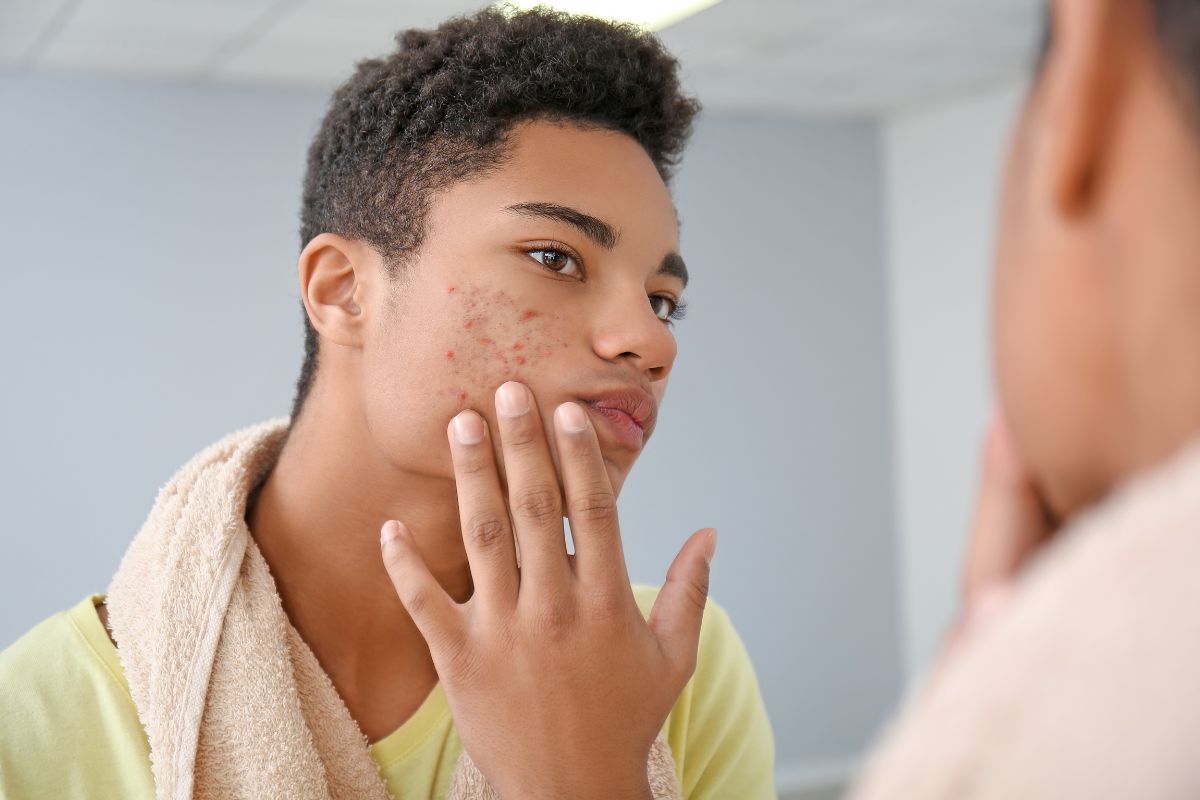
Is acne wearing down your teenager’s confidence, no matter how many creams or face washes they’ve tried? Is it time to consider seeing an actual dermatologist rather than the next product on the shelf? Here’s a complete, honest look at why teenage acne happens and what genuinely helps clear it.
What Is Acne in Teenagers?
Acne is one of the most common skin conditions of adolescence and for good reason. As hormones surge during puberty, the skin’s oil glands become more active, producing excess sebum. This oil, combined with dead skin cells and sometimes bacteria, clogs pores and shows up as pimples, blackheads, and whiteheads.
It commonly appears on the face, neck, back, chest, and shoulders, and if left untreated, it can leave lasting scars which is exactly why early, proper treatment matters more than most families realise.
How Common Is This, Really?
This is worth knowing up front, because it changes how alarming a breakout should feel: roughly 8 in 10 teenagers develop some form of acne, and around 3 in 10 have it severe enough to need active treatment to prevent scarring.
Left completely untreated, acne typically runs its course over 4 to 5 years before settling on its own which is exactly the argument for treating it properly now rather than just waiting it out.
What Actually Happens Under the Skin
Every pore connects to a sebaceous gland that produces sebum a normal, healthy oil that keeps skin moisturised. The trouble starts when puberty hormones push that gland into overdrive.
Excess sebum mixes with dead skin cells, blocks the pore, and creates exactly the environment bacteria need to thrive leading to the inflammation, swelling, and pus that show up as a pimple.
A Simple Way to Think About Acne Type
Beyond the individual bump types below, dermatologists sometimes group acne more simply into two categories: comedogenic and non-comedogenic .
This matters because inflamed acne usually needs a treatment approach that targets bacteria and inflammation directly, while purely comedogenic acne mainly needs pore-clearing ingredients.
Causes of Teenage Acne
1. Hormonal Changes
Puberty triggers a rise in androgens hormones that directly increase oil production. This is the single biggest driver of teen acne, and it’s not something a teenager is doing “wrong.”
2. Stress
Exams, social pressure, sleep disruption stress doesn’t cause acne from nothing, but it does stimulate hormonal fluctuations that can trigger flares or make existing acne worse. It’s a genuinely underrated factor in teens juggling school and social pressure simultaneously.
3. Diet
For some teenagers, diets heavy in sugar and dairy appear to worsen acne, though this varies significantly from person to person it’s worth teens noticing their own patterns rather than assuming a blanket dietary rule applies to everyone.
4. Genetics
A family history of acne especially if a parent had moderate-to-severe acne as a teen meaningfully raises a teenager’s own risk and can be a useful signal for starting proactive care earlier.
5. Harsh Skin Care Products
Overcleaning, scrubbing too hard, or using oil-based/comedogenic cosmetics can clog pores or irritate skin, ironically worsening the very problem they’re meant to fix.
6. Everyday Habits Worth Knowing About
A few less obvious contributors are genuinely common in teenagers specifically: frequently touching the face, or resting it against phones, helmets, or pillowcases, transfers oil and bacteria directly onto the skin.
Environmental factors pollution, humidity, and sweating can also clog pores and irritate already sensitive skin. Simple habits like wiping down a phone screen or changing pillowcases more often genuinely help, even though they sound minor.
Home Remedies Worth Trying (For Mild Acne)
Not every breakout needs medication right away. For mild, occasional pimples, these gentler options used with care and patience can help manage symptoms:
- Ice application: wrapped in a clean cloth and pressed gently against a pimple for a few seconds reduces swelling and redness by constricting blood vessels. Never apply ice directly to skin.
- Honey and cinnamon paste: honey’s natural antibacterial properties combined with cinnamon’s anti-inflammatory compounds can work as a spot treatment mix, apply for 10–15 minutes, then rinse.
- Aloe vera gel: fresh gel applied directly cools and soothes inflamed skin without clogging pores leave on 15–20 minutes.
- Diluted tea tree oil: a natural antiseptic, but strong enough that it must be diluted with a carrier oil (coconut or almond) before spot-application never applied undiluted.
- Multani mitti (Fuller’s earth): a clay mask that absorbs excess oil, especially useful for oily teen skin, though it shouldn’t be overused since it can dry skin out.
- Turmeric paste: its anti-inflammatory and antibacterial properties can calm active pimples mixed with water or honey, left on 10–15 minutes.
- Neem paste: long used in Indian skincare specifically for its antibacterial effect and ability to help manage oil production.
- Green tea (cooled, applied topically): rich in antioxidants, can calm redness and reduce oiliness when applied with a cotton ball or used tea bag.
- Steam treatment: opens pores and loosens trapped oil and debris, making follow-up cleansing more effective 5–8 minutes over a bowl of hot water is enough.
- Apple cider vinegar toner (heavily diluted, one part vinegar to three parts water): can help rebalance skin pH, but should be used cautiously and avoided on sensitive or already irritated skin.
A few ground rules for using any of these: always patch-test a new ingredient on the inside of the arm first, stick to one or two remedies at a time rather than combining several, be patient (results take days, not hours), and stop immediately if skin becomes more red, swollen, or painful rather than better.
Medical Treatment for Teenage Acne
1. Topical Treatments
Products containing benzoyl peroxide, salicylic acid, or retinoids reduce oil production, unclog pores, and calm inflammation. These are usually the first step for moderate acne that hasn’t responded to home care and gentle skincare alone.
2. Oral Medications
For more severe or persistent cases, a doctor may prescribe antibiotics to control bacterial growth, or for teenage girls specifically oral contraceptives to help regulate the hormonal fluctuations driving breakouts.
One nuance worth knowing: not every type of contraceptive helps in the same way progestogen-only options can sometimes worsen acne rather than improve it, so this is worth discussing specifically with a doctor rather than assuming any contraceptive pill will help.
3. Laser and Light Therapies
Blue light therapy specifically targets and reduces the bacteria responsible for acne, offering a non-medication option for teens who haven’t responded well to topical treatments or want to avoid oral medication.
4. Good Skin Care as an Ongoing Foundation
A gentle cleanser, an oil-free moisturiser, and non-comedogenic makeup (for teens who wear it) form the daily baseline that supports whatever active treatment is being used skipping this step undermines even the best medical treatment.
5. Dietary Adjustments
If a teen notices a genuine personal pattern linking sugar or dairy intake to breakouts, gradually reducing those specific foods is a reasonable, low-risk experiment though it’s not a universal fix and shouldn’t replace medical treatment for moderate-to-severe acne.
A Crucial Point on Patience
Acne treatment is slow by design most options take around a month, sometimes up to eight weeks, of consistent use before showing real improvement.
The single most common reason treatment “doesn’t work” is stopping too early, not the treatment itself failing. This is especially worth explaining to teenagers directly, since it’s genuinely hard to stay patient with a visible skin concern at that age.
Myths About Teenage Acne Worth Busting Early
Myth 1: “Acne means you’re not washing your face enough.”
Fact: Acne isn’t a hygiene problem it’s driven by hormones, oil production, and genetics. Over-washing or scrubbing harder actually tends to irritate skin and worsen breakouts.
Myth 2: “Popping pimples gets rid of them faster.”
Fact: Popping pushes bacteria and inflammation deeper into the skin, significantly raising the risk of scarring and dark marks the opposite of a faster fix.
Myth 3: “Tanning or sun exposure clears up acne.”
Fact: There’s no real evidence for this, and it comes with its own long-term skin risks not a trade worth making for a temporary, often illusory improvement.
Myth 4: “Blackheads are just trapped dirt.”
Fact: The dark tip of a blackhead is oxidised dead skin and natural pigment reacting with air not dirt which is exactly why scrubbing harder doesn’t clear it.
Myth 5: “Only teens with ‘bad’ skin get acne it reflects on how you take care of yourself.”
Fact: With around 80% of teenagers experiencing some acne, this is closer to a universal part of puberty than a personal failing worth saying directly to a teen who’s feeling self-conscious about it.
Preventing Scars: Why This Matters More for Teens Specifically
Teenagers are, understandably, more prone to picking, popping, or over-treating active pimples out of frustration and this is exactly what turns temporary acne into permanent scarring or dark marks.
Encouraging a teen to leave active spots alone, stick to a consistent routine, and use sunscreen daily does more for long-term skin than any single “miracle” product.
How HealthPil Can Help:
At HealthPil, we connect teenagers and adults with skincare specialists who can recommend the best acne treatment options. From topical treatments to more advanced therapies, our dermatologists can help clear up acne and improve skin health.
When Should You Take Your Teenager to a Dermatologist?
Consider a dermatologist visit if:
- Acne is painful, deep, or cystic rather than surface-level
- Breakouts keep returning despite 6–8 weeks of consistent OTC treatment and gentle skincare
- Pimples are leaving scars or dark marks behind
- Acne is spreading to the back, chest, or shoulders, or seems unusually widespread for a typical teen breakout
- Your teenager’s confidence, social life, or mental wellbeing is visibly affected by their skin
- You suspect a hormonal cause beyond typical puberty particularly relevant for teenage girls with very irregular periods or other signs that might suggest PCOS
Early treatment genuinely reduces the risk of permanent scarring, and often works faster with less aggressive intervention than acne that’s been left to progress for years. If arranging an in-person visit is difficult around school schedules, an online consultation can be a genuinely convenient first step a dermatologist can review your teenager’s skin concern, ask about their history, and recommend a treatment plan without needing a clinic visit first.
Summary
Teenage acne is a common skin condition caused mainly by hormonal changes during puberty that increase oil production and clog pores. While mild acne can often be managed with proper skincare and home remedies, persistent or severe breakouts may require medical treatments such as topical medications, oral medicines, or light therapy. Following a consistent skincare routine, avoiding pimple picking, maintaining a healthy lifestyle, and consulting a dermatologist early can help prevent acne scars and improve skin health.
Frequently Asked Questions
1. What causes acne in teenagers?
Teenage acne is primarily caused by hormonal changes during puberty that increase sebum production. Stress, genetics, diet, and improper skincare can also contribute to breakouts.
2. Can teenage acne be cured?
Yes. Most teenage acne can be effectively managed with the right skincare routine, medications, and lifestyle changes. Early treatment also helps reduce the risk of acne scars.
3. How long does acne treatment take to work?
Most acne treatments require 4–8 weeks of consistent use before noticeable improvement is seen. Stopping treatment too early may reduce its effectiveness.
4. What are the best treatments for teenage acne?
Common treatments include benzoyl peroxide, salicylic acid, retinoids, oral medications (when prescribed), and blue light therapy, depending on the severity of acne.
5. Can home remedies help treat acne?
Yes. Mild acne may improve with remedies such as aloe vera, honey, diluted tea tree oil, neem, turmeric, and Multani mitti, but persistent acne should be evaluated by a dermatologist.
6. How can teenagers prevent acne scars?
Avoid squeezing or picking pimples, follow a gentle skincare routine, use sunscreen daily, and seek treatment early if acne becomes severe or persistent.
7. When should a teenager see a dermatologist for acne?
Consult a dermatologist if acne is painful, cystic, leaving scars, spreading to the chest or back, or not improving after 6–8 weeks of proper skincare and treatment.
References
- Sutaria AH, Masood S, Saleh HM, Schlessinger J. Acne Vulgaris. StatPearls Publishing. Available at:
NCBI Bookshelf - Vasam M, Korutla S, Bohara RA. Acne vulgaris: A review of the pathophysiology, treatment, and recent nanotechnology based advances. Available at:
PMC
Disclaimer:
This article is for informational purposes only. Always consult a doctor for an accurate diagnosis and treatment of acne.

Read our editorial policy