

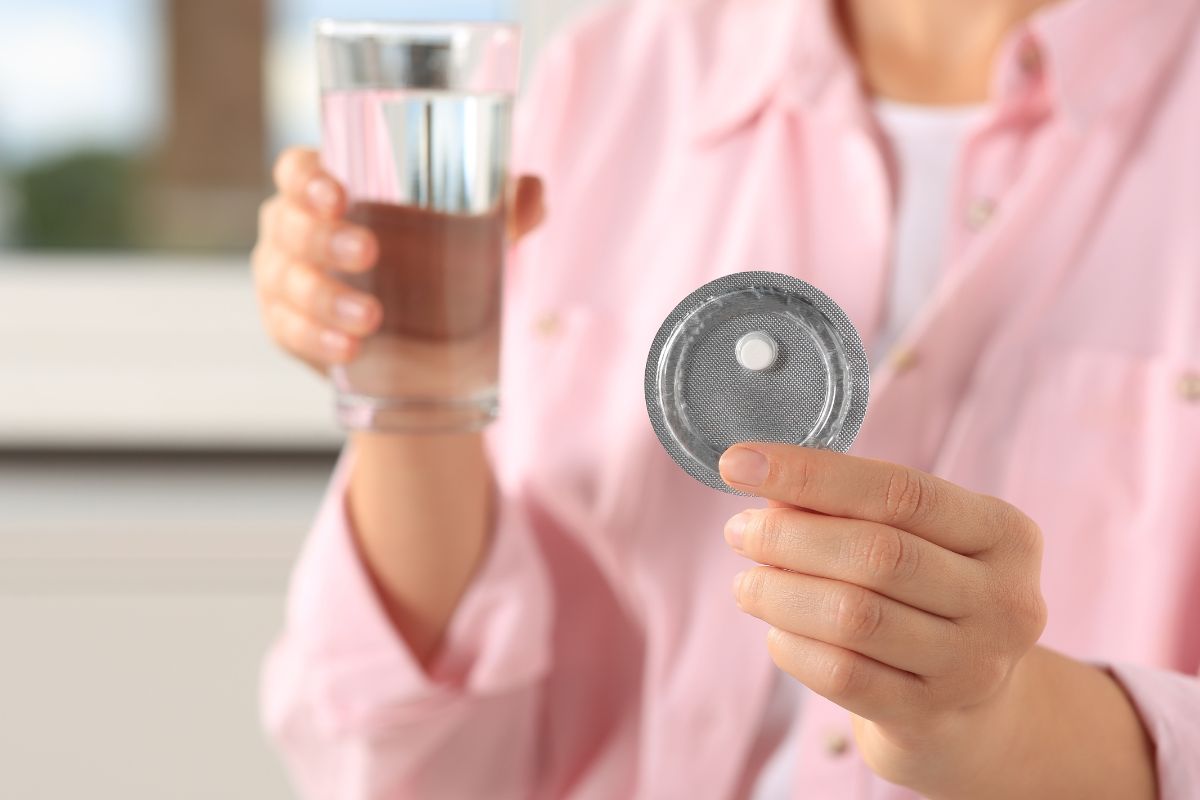
Ever been in a situation where the condom broke, or things happened without protection before anyone really thought it through? If so take a breath. It happens more often than most people admit, and there’s a reasonable next step: the emergency contraceptive pill (ECP). A lot of people reach for post-coital emergency pills to prevent an unplanned pregnancy after moments like this, but the questions that follow are just as common are they actually safe? What should you know about side effects or risks before taking one? Let’s go through what’s actually known about ECPs how they work, how safe they are, and what’s worth thinking about afterward.
The Real Issue
Emergency Contraceptive Pills have become a go-to solution after unprotected sex whether that’s a contraceptive failure like a broken condom, or simply forgetting regular contraception. When taken within the recommended window, they’re genuinely effective at preventing pregnancy, but their convenience often raises questions about safety and what repeated use might mean for long-term health.
In a country like India, where ECPs are widely available without a prescription, that same accessibility can work against people some end up leaning on emergency contraception as a routine method rather than reaching for regular, ongoing birth control. ECPs are safe for occasional, emergency use, but frequent reliance on them isn’t the same as regular contraception, and it can come with its own downsides.
What Are Emergency Contraceptive Pills?
Emergency contraceptive pills (ECPs) are a form of birth control that can prevent pregnancy after unprotected sex has already happened. They contain hormones typically levonorgestrel or ulipristal acetate that work through a few mechanisms:
- Delaying or suppressing ovulation: preventing the egg from being released from the ovary in the first place
- Interfering with sperm movement: making it harder for sperm to travel and reach the egg, reducing the chance of fertilisation
- Altering the uterine lining: in theory, this may make implantation of a fertilised egg less likely, though this mechanism is less established than the effect on ovulation
It’s worth being clear about what ECPs don’t do: they don’t work by disrupting an already-implanted pregnancy. If an embryo has already implanted in the uterus, taking an ECP won’t affect it these pills work before pregnancy begins, not after.
Timing is everything here. The sooner you take it, the better your odds it’s most effective within 24 hours of unprotected sex, though it can still offer meaningful protection up to 72 hours later, with effectiveness dropping the longer you wait.
Types of Emergency Contraceptive Pills
Emergency contraception isn’t a single option the right choice partly depends on how much time has passed since unprotected sex.
Levonorgestrel is most effective when taken within 72 hours (3 days) of unprotected intercourse. Studies suggest it prevents roughly 69–90% of pregnancies that would otherwise have occurred in that window, though real-world effectiveness is genuinely hard to pin down precisely, since not every act of unprotected sex results in pregnancy to begin with.
Ulipristal acetate has a longer window up to 120 hours (5 days) after unprotected intercourse and tends to stay more effective later in that window compared to levonorgestrel. Estimates suggest it prevents around 60–80% of pregnancies that would otherwise occur, and it’s generally considered more reliable than levonorgestrel specifically in the 3–5 day window.
Copper Intrauterine Device (Copper IUD): Often overlooked, but genuinely the most effective form of emergency contraception available. Inserted by a healthcare provider within five days of unprotected sex, it’s over 99% effective — far higher than either pill option and comes with the added benefit of providing ongoing contraception for years afterward if left in place. If ovulation has already happened, or if you weigh more than what the pills are calibrated for, the copper IUD becomes the more reliable choice.
When Should You Use an Emergency Contraceptive Pill?
ECPs are meant for genuine emergencies, including:
- After unprotected sexual intercourse
- If a condom breaks or slips during intercourse
- If you’ve missed one or more of your regular birth control pills
- After any contraceptive failure
- If contraception was used incorrectly
- Following sexual assault, ideally under the guidance of a healthcare provider
ECPs aren’t meant to replace regular contraception they’re a backup plan for when something’s gone wrong, not a routine method for pregnancy prevention.
How Effective Are Emergency Contraceptive Pills?
Effectiveness drops the longer you wait, which is why speed matters more than almost anything else here.
- Levonorgestrel works best within 72 hours, with effectiveness declining noticeably after that.
- Ulipristal acetate stays effective for up to 120 hours, and outperforms levonorgestrel specifically in the later part of that window.
- The copper IUD remains the single most reliable emergency option, largely unaffected by timing within its five-day window or by body weight.
None of these guarantee complete protection they meaningfully reduce the risk of pregnancy, but “reduce” isn’t the same as “eliminate.”
When Might Emergency Contraceptive Pills Fail?
A few scenarios make ECPs less reliable:
- Taken too late after unprotected sex
- Ovulation has already occurred by the time the pill is taken
- Vomiting shortly after taking the pill, without a repeat dose
- Certain medications reducing the pill’s effectiveness
- A higher body weight or BMI, which can reduce effectiveness of the pill forms (this doesn’t apply to the copper IUD)
- Unprotected sex happening again after the pill was taken ECPs don’t provide ongoing protection for future encounters
If pregnancy is still a concern after any of these, it’s worth speaking with a healthcare provider promptly rather than waiting to see what happens.
Drug Interactions
Certain medications can reduce how well ECPs work, including those used to treat epilepsy, HIV infection, tuberculosis, and fungal infections. Herbal supplements like St. John’s Wort can also interfere with effectiveness. Always mention any medicines or supplements you’re taking to your healthcare provider before using emergency contraception — this is one of those details that’s easy to overlook but genuinely changes the calculation.
What Should You Do After Taking an Emergency Contraceptive Pill?
- Go back to using a reliable regular contraceptive method for any future sexual activity the ECP’s protection ends the moment it’s taken.
- If you vomit within 2–3 hours of taking it, contact your healthcare provider, since another dose may be needed.
- If your next period is more than a week late, take a pregnancy test.
- Seek medical attention if you experience severe abdominal pain or persistent heavy bleeding while rare, this combination can occasionally signal an ectopic pregnancy, which needs prompt medical attention.
Who Can Use Emergency Contraceptive Pills?
Most women of reproductive age can safely use ECPs when they need emergency pregnancy prevention after unprotected sex or a contraceptive failure. That said, certain medical conditions or medications that interact with ECPs mean it’s worth a quick conversation with a healthcare provider before use, particularly if you’re on regular medication for another condition.
Are Post-Coital Emergency Pills Really Safe?
Yes, for occasional emergency use but there’s nuance worth understanding.
Hormonal Side Effects
The most commonly reported side effect is nausea, which can lead to vomiting in some cases. Other possible effects include irregular bleeding or spotting, fatigue, headaches, dizziness, and breast tenderness. These are generally mild and pass on their own within a few days.
Impact on the Menstrual Cycle
ECPs can temporarily shift your cycle some women get their next period earlier than usual, others later, and some experience heavier bleeding than normal. This is usually a one-cycle disruption rather than a lasting change.
Long-Term Health Considerations
Used occasionally, ECPs are considered safe. But relying on them repeatedly, as a substitute for regular contraception, is a different story — frequent use can disrupt hormonal balance, contribute to menstrual irregularities, and doesn’t offer the same consistent protection that ongoing methods like birth control pills or IUDs provide. It’s also simply less reliable per use than regular contraception, so repeated reliance means a higher cumulative chance of an unplanned pregnancy over time.
Not Equally Effective for Everyone
Effectiveness can be reduced in people with a higher body weight (generally cited around 70kg and above for levonorgestrel, with ulipristal acetate showing reduced reliability at somewhat higher weights too) or those on certain medications, including some antibiotics and anticonvulsants. If this applies to you, it’s worth discussing alternatives — including the copper IUD with a healthcare provider rather than assuming the pill will work as expected.
Myths About Post-Coital Emergency Pills
Myth: “ECPs are harmful and shouldn’t be used at all.”
Fact: Used as directed, ECPs are safe and effective for emergency contraception. They just shouldn’t become a routine method.
Myth: “ECPs cause permanent infertility.”
Fact: No evidence supports this. Overuse can cause temporary menstrual disturbances and hormonal imbalances, but there’s no established link to lasting fertility problems.
Myth: “Taking more ECPs improves protection.”
Fact: Doubling up doesn’t improve effectiveness it just increases the risk of side effects, with no added benefit.
Myth: “ECPs can substitute for regular contraception.”
Fact: They’re built for emergencies, not routine use. Condoms, birth control pills, and IUDs remain the more reliable, sustainable options for ongoing pregnancy prevention.
When Should You Consult a Doctor?
It’s worth booking an online consultation with a healthcare provider if:
- Your period is delayed by more than a week
- You experience severe lower abdominal pain
- You notice heavy or prolonged vaginal bleeding
- Side effects are persisting longer than expected
- You suspect the ECP may not have worked
- You want guidance on choosing a long-term contraceptive method instead
Severe abdominal pain combined with abnormal bleeding in the weeks following ECP use deserves prompt medical attention, since while uncommon it can be an early sign of an ectopic pregnancy, which needs to be ruled out quickly.
You don’t need to wait for a crisis to reach out, either. You can book an online consultation with a HealthPil gynaecologist to talk through what happened, get clarity on next steps, or simply plan a more reliable long-term method all from home, privately.
How HealthPil Can Help
At HealthPil, we offer teleconsultations with gynaecologists, urologists, and sexologists who can guide you on the safe use of emergency contraceptive pills and help you choose a regular contraception method that actually fits your life. Our team is here to answer questions about sexual and reproductive health without judgment. If you’ve had unprotected sex or need guidance on emergency contraception, speak to a trusted expert today.
Summary
Emergency contraceptive pills (ECPs) help reduce the risk of pregnancy after unprotected sex or contraceptive failure when taken within the recommended time. They work by delaying or preventing ovulation and do not affect an existing pregnancy. While generally safe, ECPs are meant for emergency use only and should not replace regular contraception. If your period is delayed, you experience severe pain or heavy bleeding, book an online consultation with a qualified gynaecologist through HealthPil for expert advice and personalised contraceptive guidance.
FAQ Section:
1. How soon should I take an emergency contraceptive pill?
Take it as soon as possible after unprotected sex. The earlier you take it, the more effective it is.
2. Can emergency contraceptive pills fail?
Yes. They may fail if taken too late, after ovulation, or if certain medicines reduce their effectiveness.
3. Do emergency contraceptive pills affect fertility?
No. They do not cause permanent infertility, but frequent use may temporarily affect your menstrual cycle.
4. Do emergency contraceptive pills protect against STIs?
No. They help prevent pregnancy but do not protect against sexually transmitted infections (STIs).
5. When should I book an online consultation?
Book an online consultation if your period is delayed, you have severe pain, heavy bleeding, or need advice on emergency or long-term contraception.
References
- Rudzinski P, Łopuszyńska I, Pazik D, et al. Emergency Contraception – A Review. Available at:
PubMed - Rudzinski P, Łopuszyńska I, Pazik D, et al. Emergency Contraception – A Review. Available at:
PubMed
Disclaimer:
The information provided in this article is for educational purposes only. It is not intended to diagnose or treat any health condition. Please consult a qualified healthcare provider for personalised advice.

Read our editorial policy