

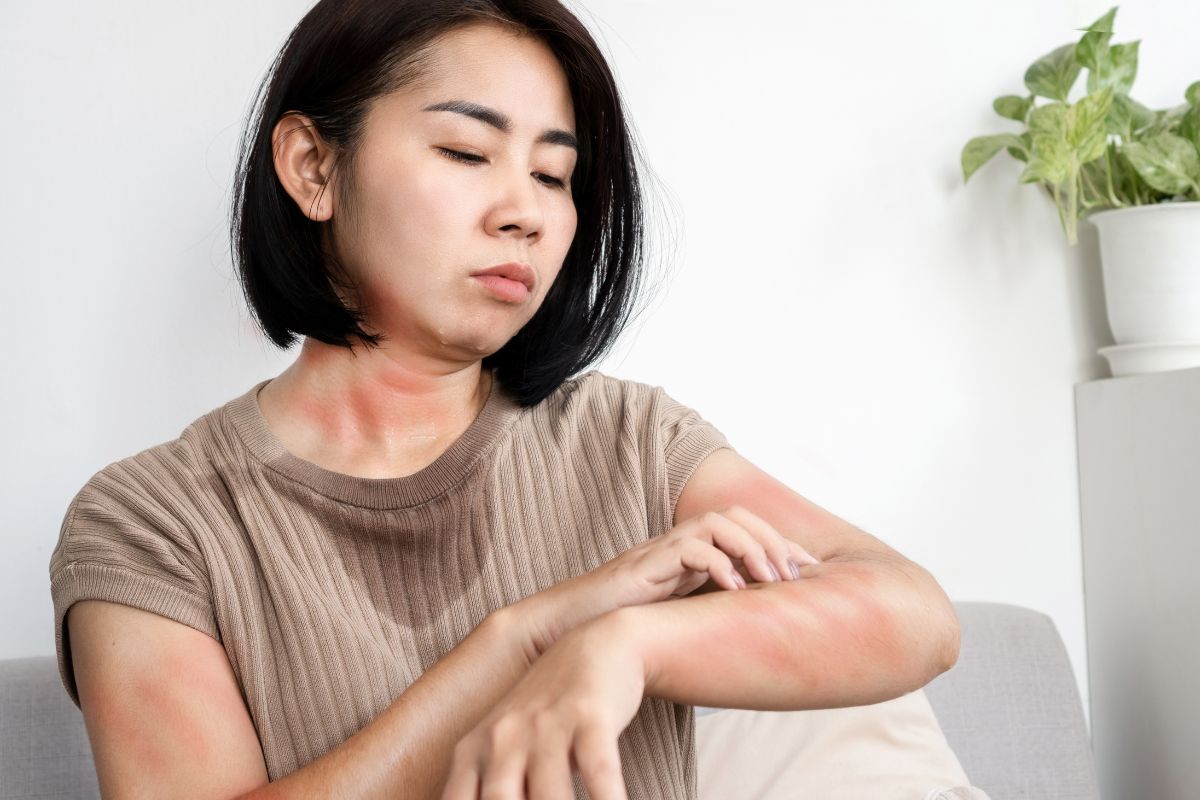
Are rashes and skin allergies making your life miserable? You’ve tried the creams, the lotions, the antihistamines and they keep coming back anyway. It’s time to actually get to the root cause rather than treating the same flare-up on repeat. Here’s a complete, practical breakdown of what’s really going on and how to manage it for good.
What Are Skin Rashes and Allergies?
A skin rash is any area of skin that’s become inflamed, irritated, or discoloured it might indicate an allergic reaction, an infection, or a chronic skin condition. Rashes can show up as red patches, bumps, blisters, or scales, and often come with discomfort like itching or pain.
Skin allergies happen when your immune system reacts to something it’s mistakenly identified as a threat an allergen like pet dander, dust mites, or pollen. When that allergen touches the skin directly, it can trigger contact dermatitis; when it’s something you’ve eaten, inhaled, or been injected with, the reaction can show up elsewhere on the body as hives.
How Common Is This, Really?
Skin rashes are one of the single most common reasons people visit a dermatologist. Anyone can develop one, but certain groups are genuinely more prone: infants and young children (sensitive skin, frequent exposure to diaper moisture and food allergens), people with known allergies, those with chronic skin conditions like eczema or psoriasis, people with weakened immune systems (including those on immunosuppressive medication), and people in occupations with frequent irritant exposure healthcare workers, hairdressers, and construction workers among them.
The Different Types of Rashes (This Matters More Than It Sounds)
Knowing which type of rash you’re actually dealing with changes everything about treatment a steroid cream that helps eczema can make a fungal rash worse, for instance. Here’s a rundown of the most common types:
Contact Dermatitis
Triggered by direct skin contact with an irritant or allergen. Specific culprits worth knowing: nickel (jewellery, belt buckles, some phone casings), poison ivy, oak, and sumac (oily plant resins causing intensely itchy, blistering rashes), and fragrances or preservatives in cosmetics, soaps, and detergents. The rash typically appears only where the allergen actually touched the skin.
Eczema (Atopic Dermatitis)
A chronic inflammatory condition causing dry, itchy, inflamed patches commonly in the creases of elbows and knees, on the neck, wrists, and ankles. People with eczema have a naturally compromised skin barrier, making irritants and allergens more likely to trigger a flare. Intense nighttime itching is a hallmark symptom, and repeated scratching can thicken and leather the skin over time a change called lichenification. There’s no outright cure, but emollients, topical corticosteroids, and trigger avoidance manage it well for most people.
Hives (Urticaria)
Raised, red, intensely itchy welts that can appear anywhere on the body and distinctively, they often move around, disappearing from one spot and reappearing elsewhere within minutes to hours. Unlike contact dermatitis, hives are usually a systemic reaction triggered by something eaten, inhaled, or otherwise entering the body, not just touched.
Fungal Infections
Thrive in warm, moist environments and are genuinely common, often contagious through direct contact or shared items like towels:
- Ringworm (Tinea Corporis): not caused by a worm at all a circular, red, itchy rash with a raised edge and clearer centre, resembling a ring
- Athlete’s Foot (Tinea Pedis): itching, redness, and scaling between the toes or on the soles
- Jock Itch (Tinea Cruris): an itchy, red, sometimes scaly rash in the groin, extending down the inner thighs
- Yeast Infections (Candidiasis): occur in warm, moist skin folds (under breasts, in the groin or armpits), causing bright red, intensely itchy patches, often with small “satellite” spots surrounding the main rash
Heat Rash and Dry Skin (Xerosis)
Heat rash develops when blocked sweat glands trap perspiration under the skin, common during hot, humid weather or heavy sweating. Dry skin (xerosis) is a genuinely underrated cause of persistent itching especially in colder climates, winter months, or with frequent hot showers and can cause itching even without an obvious rash mark at first, though ongoing scratching eventually creates one.
Insect Bites and Stings
Different insects produce distinctly different reactions worth recognising:
- Mosquito bites: small, itchy, red bumps appearing shortly after the bite
- Flea bites: small, intensely itchy bumps, often clustered around the ankles and lower legs
- Bed bug bites: itchy welts, frequently in a line or cluster, on skin exposed during sleep
- Spider bites: usually mild irritation, though some cause more significant localised swelling and pain
- Bee and wasp stings: sharp pain followed by redness and swelling and for those with severe allergies, a genuine risk of life-threatening anaphylaxis
Shingles (Herpes Zoster)
Worth knowing about specifically because it’s often mistaken for a “regular” rash: shingles is a reactivation of the same virus that causes chickenpox, appearing as a painful stripe of blisters typically confined to one segment of the body or face. It’s triggered by stress or a weakened immune system reactivating a dormant virus in anyone who’s previously had chickenpox and antiviral medication works best when started early, which is exactly why recognising it (rather than treating it as a generic rash) matters.
Skin Rashes in Children A Different Picture
Children’s skin is more sensitive, and rashes in this age group often have distinct causes worth knowing separately:
- Cradle cap (Seborrheic Dermatitis): yellow, greasy, scaly patches on an infant’s scalp, sometimes extending to the face or diaper area
- Diaper rash: irritation from prolonged moisture, friction, and contact with urine or faeces keeping the area clean, dry, and using barrier creams helps prevent and treat it
- Impetigo: a highly contagious bacterial infection causing red sores that burst and form honey-coloured crusts, typically around the nose and mouth
- Viral exanthem: widespread rashes from viral infections like measles, rubella, roseola, or hand-foot-and-mouth disease, usually accompanied by fever
Causes of Skin Rashes and Allergies
- Allergens: pollen, pet dander, certain foods, and plants like poison ivy
- Skin irritants: harsh chemicals, fragrances, or certain fabrics
- Infections: bacterial, viral, or fungal including conditions like eczema-adjacent infections or ringworm
- Environmental factors: temperature swings, sweating, dry air
- Chronic conditions: eczema, psoriasis, and rosacea can all cause recurring rashes and inflammation
Possible Complications Worth Taking Seriously
Most rashes are minor and resolve with basic care, but it’s worth knowing what can go wrong if a rash is ignored or mismanaged:
- Secondary infection: broken, scratched skin lets bacteria in, sometimes leading to cellulitis (infection of deeper skin layers) requiring antibiotics
- Anaphylaxis: a severe allergic reaction involving difficulty breathing, facial/throat swelling, rapid heartbeat, and a dangerous drop in blood pressure a genuine medical emergency requiring immediate attention, not a “wait and see” situation
- Scarring: particularly from rashes involving blistering, scratching, or infection
- Psychological impact: chronic or visible rashes can genuinely affect self-esteem, sleep, and daily functioning
- Spread to others: infectious rashes (chickenpox, impetigo, ringworm) can spread through close contact, particularly relevant in schools or shared households
What to Do for Skin Rashes and Allergies
1. Avoid Known Triggers
If you’ve identified your allergen or irritant, avoiding it is the single most effective step more effective than any cream.
2. Hydrate and Moisturise Properly
Look specifically for moisturisers containing ceramides, urea, glycerin, or shea butter these ingredients genuinely support the skin’s barrier function rather than just sitting on the surface. Apply within minutes of bathing to lock in moisture, and limit showers to 5–10 minutes in lukewarm (not hot) water, since hot water strips natural skin oils and can worsen dryness-related itching.
3. Topical Steroids
Hydrocortisone and similar topical corticosteroids reduce inflammation and ease discomfort for many rash types though as noted above, they’re not the right choice for fungal infections, where an antifungal cream is needed instead.
4. Antihistamines
Oral antihistamines (diphenhydramine, cetirizine, loratadine) reduce itching and swelling, particularly useful for hives and allergic reactions, and can help with nighttime itching that disrupts sleep.
5. Cold Compresses and Gentle Home Care
A cool, damp cloth reduces itching and inflammation. Choose fragrance-free, gentle cleansers over scented soaps, wear loose, breathable clothing (cotton over synthetic fabrics), and keep nails short to minimise damage from scratching.
6. Consult a Dermatologist
Essential for an accurate diagnosis if rashes are recurring self-treating the wrong type of rash (steroid on a fungal infection, for instance) can actively make things worse rather than better.
How to Prevent Future Flare-Ups
- Manage stress — genuinely linked to flares in eczema, psoriasis, and even shingles reactivation
- Choose soft, breathable fabrics like cotton over scratchy materials like wool
- Avoid harsh soaps, detergents, and solvents — opt for fragrance-free products designed for sensitive skin
- Avoid sudden temperature or humidity swings where possible, and consider a humidifier in dry conditions
- Prevent overheating and excess sweating with loose clothing and staying cool in hot weather
- Wash immediately after contact with a known allergen — soap and water on the affected area can meaningfully reduce reaction severity
- Use broad-spectrum sunscreen (SPF 30+) to prevent sunburn and photoallergic reactions
- Follow a diet rich in fruits, vegetables, and omega-3 fatty acids, which support skin health and lower baseline inflammation
How HealthPil Can Help:
HealthPil connects you with qualified dermatologists who will provide you with a customized treatment plan if you are regularly dealing with skin allergies or rashes. Our experts are here to help you regain your best self, whether that means a skin allergy test or a prescription for topical medications.
When Should You See a Dermatologist?
- The rash is widespread, covers a large body area, or is spreading rapidly
- Itching is severe enough to interfere with sleep or daily activities
- The rash is accompanied by fever, joint pain, or difficulty breathing
- You notice signs of infection pus, increasing pain, warmth, or spreading redness
- The rash hasn’t improved with home care or OTC treatment after a few days to a week
- Rashes keep recurring despite consistent avoidance of suspected triggers
- Any signs of anaphylaxis (facial/throat swelling, breathing difficulty) this needs emergency care immediately, not a scheduled appointment
Getting an accurate diagnosis is genuinely the most important step here the right treatment depends entirely on knowing whether you’re dealing with an allergy, an infection, or a chronic condition, since the wrong treatment can actively worsen the problem. If arranging an in-person visit is inconvenient, an online consultation is a practical way to start you can describe your rash, its pattern, and any known triggers, and get guidance on next steps without waiting for an appointment. HealthPil connects you with qualified dermatologists who can provide a customised treatment plan, whether that means allergy testing, a prescription topical, or a referral for further evaluation.
Summary
Skin rashes and allergies are common conditions that can result from allergens, infections, irritants, environmental factors, or chronic skin diseases such as eczema and psoriasis. Since different types of rashes require different treatments, identifying the underlying cause is essential for effective management. Proper skincare, avoiding known triggers, using appropriate medications, and seeking timely dermatological care can help relieve symptoms, prevent complications, and reduce the recurrence of skin rashes.
Frequently Asked Questions
1. What causes skin rashes and allergies?
Skin rashes and allergies can be caused by allergens, skin irritants, bacterial, viral or fungal infections, environmental factors, insect bites, or chronic skin conditions like eczema and psoriasis.
2. How can I identify different types of skin rashes?
The appearance, location, and symptoms of a rash help identify its type. For example, contact dermatitis develops where an allergen touches the skin, while fungal infections often appear as ring-shaped or scaly patches.
3. What is the best treatment for skin rashes?
Treatment depends on the cause and may include moisturisers, topical corticosteroids, antifungal creams, antihistamines, cold compresses, and avoiding known triggers. Persistent or severe rashes should be evaluated by a dermatologist.
4. Can skin rashes be prevented?
Yes. Preventive measures include avoiding allergens and irritants, keeping the skin moisturised, wearing breathable clothing, managing stress, maintaining good hygiene, and using gentle, fragrance-free skincare products.
5. Are all skin rashes contagious?
No. Rashes caused by allergies or chronic skin conditions are generally not contagious, whereas some fungal, bacterial, and viral infections such as ringworm, impetigo, and chickenpox can spread through direct contact.
6. When should I see a dermatologist for a skin rash?
Consult a dermatologist if the rash is severe, widespread, painful, keeps recurring, shows signs of infection, is accompanied by fever or breathing difficulty, or does not improve with home care or over-the-counter treatment.
7. Can recurring skin rashes indicate an underlying health condition?
Yes. Frequent or persistent rashes may be linked to chronic skin disorders, allergies, autoimmune conditions, or infections. An accurate diagnosis is important to identify the underlying cause and provide appropriate treatment.
References
- Kang JH. Febrile Illness with Skin Rashes. Available at:
PubMed - Bjekić M, et al. Analysis of Types of Skin Lesions and Diseases in Everyday Infectious Disease Practice—How Experienced Are We? Available at:
PMC
Disclaimer:
This article is for informational purposes only. Always consult a healthcare provider for accurate diagnosis and treatment of skin rashes or allergies.

Read our editorial policy