

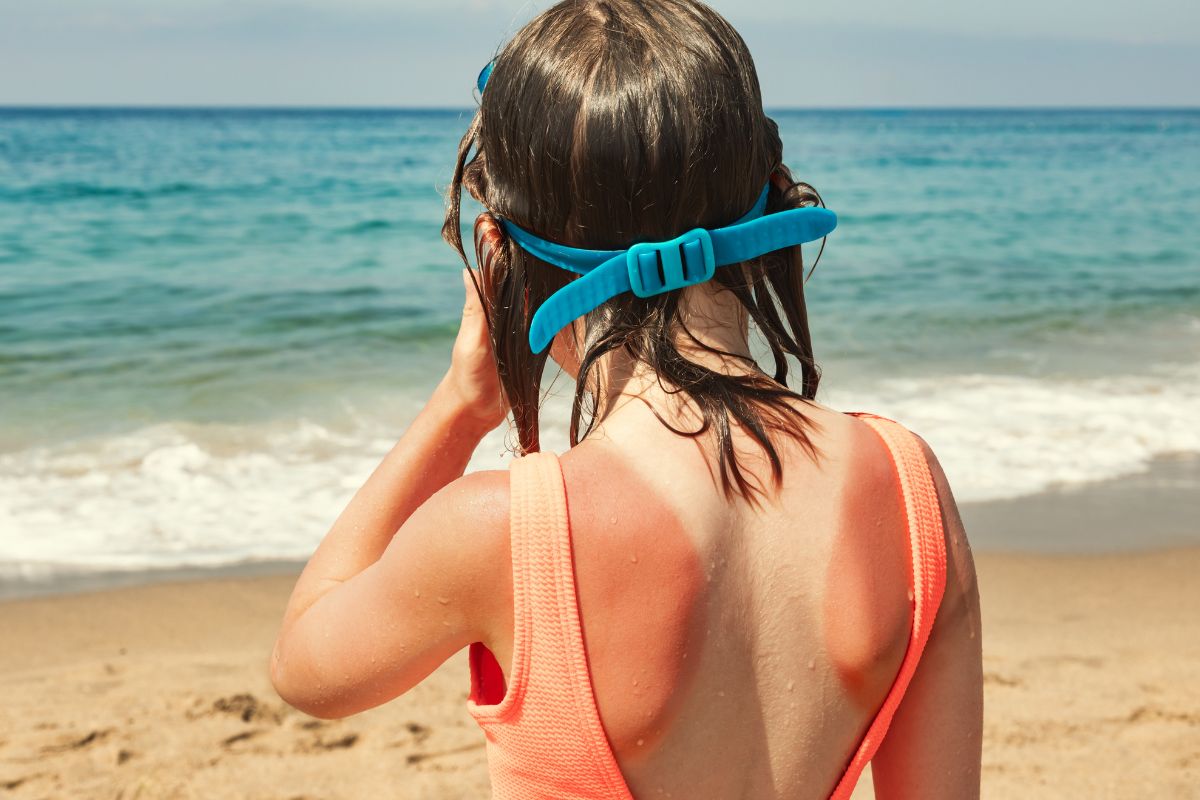
Planning a beach getaway? Worried about sunburn ruining your fun in the sun? Here’s a complete, practical guide to sunburn how it happens, exactly how to prevent it, how to treat it if it happens anyway, and when it’s serious enough to need a doctor.
What Is Sunburn?
Sunburn is skin damage caused by overexposure to ultraviolet (UV) radiation from the sun or artificial sources like tanning beds. It damages the outer layers of skin, leading to redness, pain, and inflammation, and in more severe cases, blistering, peeling, and longer-term effects like premature ageing and increased skin cancer risk. UV radiation actually damages the DNA in skin cells directly sunburn is, functionally, a type of radiation burn.
Why Does Sunburn Happen?
Two types of UV rays are responsible, and they don’t do the same thing:
- UVB rays are absorbed by the skin’s outer layer (the epidermis) and are the main direct cause of sunburn and tanning.
- UVA rays penetrate deeper into the dermis the layer containing the elastic tissue that keeps skin firm contributing to premature ageing, wrinkles, and long-term skin damage, though they play a smaller role in the immediate burn itself.
Both raise your long-term risk of skin cancer sunburn specifically is estimated to be behind the large majority of skin cancer cases, with roughly 8 to 9 out of every 10 cases linked to sun damage.
What About Melanin and Tanning?
When skin is exposed to UV light, it produces more melanin (skin pigment) as a defence mechanism this is what causes a tan. Melanin does reduce how easily your skin burns, but it does not reduce your skin cancer risk. Worth remembering: a tan is your skin’s visible response to damage, not a sign of health there’s no such thing as a “healthy” tan.
The Three Degrees of Sunburn
Sunburn severity is classified similarly to other burns, based on how deep the skin damage goes:
First-Degree Sunburn
- Redness, warmth to the touch
- Pain and tenderness, especially when touched
- Itching as the skin begins to heal
- Minor swelling
Second-Degree Sunburn
- Fluid-filled blisters
- More intense pain than first-degree
- More pronounced swelling
- Peeling skin after a few days, as it heals
Third-Degree Sunburn (Rare, but Serious)
- Deep tissue damage extending past the outer skin layers
- Severe, often extreme pain
- Skin discolouration white, black, or charred appearance
- Numbness, from nerve damage
First-degree sunburn can generally be managed at home; second-degree and especially third-degree sunburn warrant medical attention (see the “When to See a Doctor” section below).
Who Is More Likely to Get Sunburn?
Anyone can get sunburnt, but risk is higher if you:
- Have fair skin, blonde or red hair, or light-coloured eyes (less natural melanin protection)
- Spend long hours outdoors
- Live or travel to high-altitude areas (UV intensity increases with altitude)
- Visit beaches, where sand and water reflect UV rays
- Use tanning beds or sun lamps
- Take medications that increase sunlight sensitivity
- Forget to apply or reapply sunscreen
- Have a history of previous sunburns
Worth knowing: men more commonly develop sun damage on the neck, shoulders, and back, while women tend to see more sun damage on the legs and arms a useful cue for where to focus sun protection.
How to Prevent Sunburn
1. Use Sunscreen the Right Way
Apply broad-spectrum sunscreen with an SPF of at least 30 (SPF 50 for children) to protect against both UVA and UVB rays.
- Apply 20–30 minutes before sun exposure sunscreen needs time to absorb into the skin and start working
- Use enough: roughly two teaspoons of sunscreen for the head, neck, and arms; around two tablespoons for the whole body in a swimsuit most people apply far less than this
- Check the UVA star rating on the bottle (0–5 stars in some labelling systems) aim for at least 4 stars for strong UVA protection alongside the SPF number, which only measures UVB protection
- Reapply every two hours, and immediately after swimming, sweating, or towelling off even “water-resistant” sunscreen
- Don’t forget commonly missed spots: lips, ears, around the eyes, neck, scalp (especially if balding or thin-haired), backs of hands, and tops of feet
- Check the expiry date sunscreen typically has a 2–3 year shelf life and loses effectiveness afterward; avoid bottles that have been sitting in direct heat or sunlight, as this degrades the active ingredients faster
Sunscreen vs. sunblock: sunblock (usually containing titanium dioxide or zinc oxide) is more opaque and blocks a higher proportion of both UVA and UVB rays than typical sunscreen. Both should be used in addition to shade and clothing, not as a replacement for them.
2. Seek Shade
Limit direct sun exposure, especially between 10 a.m. and 4 p.m., when UV rays are strongest. Use beach umbrellas, trees, or canopies.
3. Wear Protective Clothing
- Choose UPF-rated clothing where possible
- A wide-brimmed hat with a brim that goes all the way around protects the face and neck far better than a baseball cap, which shades the face but leaves the neck, ears, and lower face exposed
- Wear wrap-around sunglasses labelled as UV-protective (look for a CE mark or equivalent certification) eyes can sustain sun damage too
- Choose tightly woven fabric if you can see light through it when held up, UV rays can pass through it too
- Wet clothing lets through significantly more UV light than dry clothing pack a dry change of clothes if you’ll be in water
4. Avoid Tanning
Skip tanning beds and sun lamps entirely they’re just as damaging as direct sunlight, and studies link sunbed use to a meaningfully higher risk of all types of skin cancer. If you want colour without sun exposure, self-tan or bronzer is the safer routebut remember, fake tan is not a sunscreen, so you’ll still need separate sun protection if you’re going to be outdoors.
5. Stay Hydrated
Drink plenty of water to maintain hydration and prevent your skin from drying out in the sun.
Can You Get Sunburn on Cloudy Days or in Water?
Yes to both, and both are commonly underestimated:
- Even on cloudy days, up to 80% of UV rays can pass through cloud cover. Thin clouds in particular offer a false sense of protection.
- You can burn while swimming in a pool or the sea even when you feel cool and don’t notice the sun as intensely.
- Water, sand, concrete, and snow all reflect UV rays, which is why you can still get sunburnt sitting in the shade near these surfaces.
Why Does the UV Index Matter?
The UV Index indicates how strong ultraviolet radiation is on a given day, typically on a scale from 1 to 10 or higher. The higher the number, the greater your sunburn and skin damage risk. When the UV Index is 3 or above, it’s recommended to wear sunscreen, protective clothing, and sunglasses, and to seek shade when possible.
What to Do After Getting Sunburned
- Cool baths or compresses: soak in a cool bath or apply a cool compress to reduce pain and inflammation avoid hot water, which worsens irritation
- Aloe vera: apply pure aloe vera gel to soothe skin and reduce redness
- Cucumber slices: chilled cucumber slices (or a blended cucumber paste) offer natural cooling relief
- Oatmeal baths: colloidal oatmeal added to a cool bath has anti-inflammatory properties and helps with itching — gentle enough for all ages
- Coconut oil: contains fatty acids and antioxidants that can help hydrate sunburned skin and support healing, though it’s best applied once the initial heat has subsided rather than immediately on hot, inflamed skin
- Moisturise: use a gentle, fragrance-free, hydrating lotion ingredients like hyaluronic acid or glycerin help lock in moisture and support repair
- Avoid tight clothing: wear loose, soft clothing to prevent further irritation to sunburned areas
- Drink plenty of water: sunburn draws fluid toward the skin’s surface and away from the rest of the body, raising dehydration risk
- Antioxidant-rich foods: berries, citrus fruits, leafy greens, and nuts can support skin healing from within by helping neutralise free radicals generated by UV damage
- OTC pain relief: NSAIDs like ibuprofen or naproxen can help with pain, swelling, and inflammation if appropriate for you check with a pharmacist or doctor first, especially if you have any existing health conditions
- Topical hydrocortisone cream (OTC strength) can help reduce inflammation and itching apply a thin layer as directed
- Do not pop blister they protect the healing skin underneath and reduce infection risk
- Avoid further sun exposure entirely until the skin has fully healed
Possible Complications of Sunburn
Severe or repeated sunburn can lead to:
- Skin infections
- Severe dehydration
- Heat exhaustion or heatstroke
- Premature skin ageing, wrinkles, and dark spots
- Increased long-term risk of skin cancer
Sunburn vs. Heat Exhaustion vs. Heatstroke Know the Difference
These three are often confused but require very different responses:
- Sunburn is localised skin damage from UV radiation painful and uncomfortable, but generally not a medical emergency unless severe.
- Heat exhaustion occurs when core body temperature rises to around 40°C (104°F). Symptoms include feeling sick, headache, excessive sweating, and faintness. Move to a cool, shaded place and drink plenty of cool fluids recovery usually happens within 30 minutes. If it doesn’t improve, treat it as urgent.
- Heatstroke occurs when core body temperature rises above 40°C (104°F) this is a genuine medical emergency. Symptoms include vomiting, confusion, rapid shallow breathing, and loss of consciousness. Cellular breakdown and organ failure can follow if untreated. Call for emergency medical help immediately if you suspect heatstroke don’t wait to see if it resolves on its own.
The key distinction: sunburn is skin damage; heatstroke is a dangerously high core body temperature. Sunburn can occur alongside heat exhaustion or heatstroke (since both happen in similar conditions), but one doesn’t cause the other directly.
The Case for Sensible Sun Exposure: Vitamin D and Wellbeing
It’s worth balancing sunburn prevention against the genuine benefits of moderate sun exposure:
- Vitamin D: sunlight is the primary source of vitamin D for most people, since very little comes from food. Vitamin D supports bone health (via calcium absorption) and broader body function. Severe deficiency can lead to rickets in children and osteomalacia in adults. A commonly cited target is 2–3 short sun exposures per week, 20–30 minutes each, to bare arms and face well short of tanning or burning, and not through window glass, which blocks most UV.
- Mood and wellbeing: sunlight exposure is linked to increased serotonin production, which is part of why time outdoors tends to improve mood and general wellbeing.
The goal isn’t avoiding the sun entirely it’s getting brief, deliberate exposure for vitamin D and mood benefits while actively preventing burning through the measures above.
When to See a Doctor
Seek medical attention if you experience:
- Large or fluid-leaking blisters
- Severe pain that isn’t managed by OTC pain relief
- High fever (above 102°F / 39°C)
- Dizziness or confusion
- Signs of dehydration
- Sunburn covering more than roughly 20% of your body
- Sunburn in infants or young children this should always be treated as needing same-day medical attention, not home care
- Any suspected heatstroke (vomiting, confusion, rapid breathing, loss of consciousness) this needs emergency care immediately, not a routine appointment
- Sunburn that isn’t improving, or you’re simply unsure how it’s healing
If arranging an in-person dermatology visit isn’t convenient, an online consultation is often the fastest way to get a professional opinion especially useful for judging whether a sunburn needs in-person treatment or can be safely managed at home. HealthPil connects you with dermatologists for online consultations, so you can get personalised advice and treatment guidance without needing to leave home.
Summary
Sunburn is caused by excessive exposure to ultraviolet (UV) radiation and can lead to redness, pain, blistering, peeling, premature skin ageing, and an increased risk of skin cancer. Protecting your skin starts with using a broad-spectrum sunscreen (SPF 30 or higher), wearing protective clothing, seeking shade during peak sunlight hours, and staying hydrated.
If sunburn occurs, cool compresses, aloe vera, moisturisers, and adequate hydration can help relieve symptoms. However, severe sunburn with large blisters, fever, dehydration, or persistent pain requires prompt medical attention. With the right sun protection habits, you can safely enjoy your beach holiday while keeping your skin healthy.
Frequently Asked Questions
1. What are the first signs of sunburn?
The earliest signs of sunburn include redness, warmth, tenderness, pain, and mild swelling. In more severe cases, blistering and peeling may develop within 24–48 hours.
2. How can I prevent sunburn while on a beach holiday?
Use a broad-spectrum sunscreen with SPF 30 or higher, reapply it every two hours, wear protective clothing, seek shade during peak sunlight hours, and stay well hydrated.
3. How long does sunburn usually take to heal?
Mild sunburn typically heals within 3–7 days, while more severe sunburn with blisters or extensive skin damage may take up to two weeks or longer.
4. Can I get sunburn on a cloudy day?
Yes. Up to 80% of ultraviolet (UV) rays can pass through clouds, meaning your skin can still burn even when the sun isn’t clearly visible.
5. Does aloe vera help treat sunburn?
Yes. Pure aloe vera gel may help soothe irritated skin, reduce redness, and keep the affected area moisturised, making it a commonly recommended home remedy for mild sunburn.
6. When should I see a doctor for sunburn?
Seek medical attention if you develop large blisters, severe pain, high fever, dizziness, dehydration, confusion, or if the sunburn covers a large area of your body.
7. Can I consult a dermatologist online for sunburn?
Yes. If you’re unsure whether your sunburn requires medical treatment or need personalised advice, you can book an online dermatologist consultation through HealthPil. An online consultation can help assess the severity of your sunburn, recommend appropriate treatment, and advise whether an in-person examination is necessary.
References
- Guerra KC, Crane JS. Sunburn. StatPearls Publishing. Available at:
NCBI Bookshelf - Guerra KC, Crane JS. Sunburn. Available at:
PubMed
Disclaimer:
This article is for informational purposes only. Always consult a healthcare provider for proper treatment and advice regarding sunburn.

Read our editorial policy