

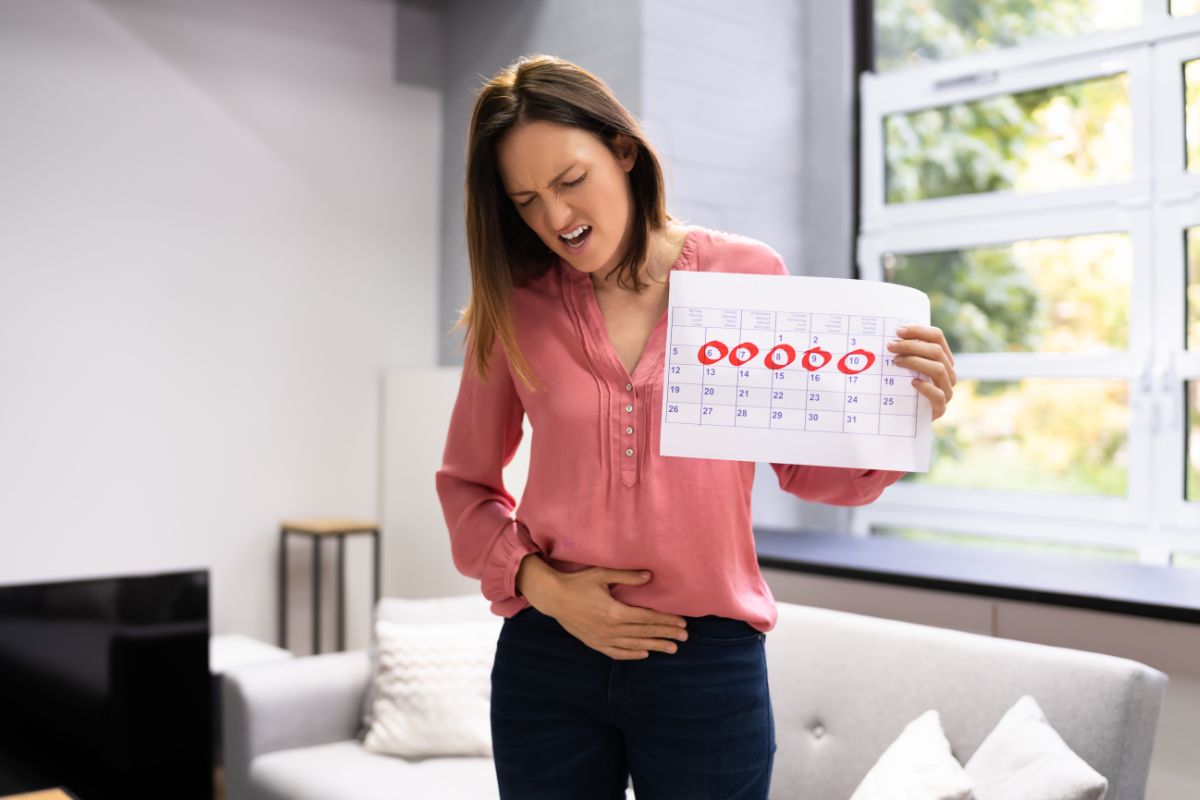
Are you having trouble becoming pregnant, dealing with irregular periods, or noticing excess hair growth in places you didn’t expect? These could all be signs of Polycystic Ovary Syndrome (PCOS) a condition affecting around 1 in 5 women globally. HPCOS can affect your fertility, metabolism, and confidence, but with the right knowledge and treatment, it’s entirely possible to take back control. Let’s walk through what PCOS actually is, how it shows up, and how to manage it effectively.
What Is PCOS?
PCOS is a hormonal condition where the ovaries produce higher-than-normal levels of androgens (male hormones), leading to irregular periods, ovarian cysts, and sometimes infertility. It’s closely linked with insulin resistance too and that connection is a big deal, because it raises the long-term risk of type 2 diabetes, obesity, and heart disease alongside the more visible symptoms.
What Causes PCOS?
The exact cause of PCOS isn’t fully understood, but experts believe it develops from a combination of genetic, hormonal, metabolic, and lifestyle factors working together not any single cause on its own.
- Hormonal imbalance: Excess androgen production interferes with normal ovulation.
- Insulin resistance: This is far more common than most people realise research suggests 65% to 95% of women with PCOS have some degree of insulin resistance. When cells stop responding properly to insulin, the body produces even more of it, and that extra insulin pushes the ovaries to make more androgens.
- Genetics and family history: PCOS tends to run in families, though having a relative with it doesn’t guarantee you’ll develop it too.
- Chronic low-grade inflammation: This has been linked to higher androgen production in several studies.
- Lifestyle factors: Poor diet, physical inactivity, obesity, chronic stress, and inadequate sleep can all contribute to worsening symptoms.
Symptoms of PCOS
Symptoms vary quite a bit from woman to woman, and some notice them right from their very first period, while others only discover PCOS years later, often while trying to conceive.
- Irregular periods: Fewer than eight periods a year, or sometimes none at all, since disrupted ovulation prevents the uterine lining from shedding regularly.
- Excessive hair growth (hirsutism): Elevated androgen levels can cause hair growth on the face, chest, or back — this affects up to 70% of women with PCOS.
- Acne and oily skin: Hormonal shifts commonly trigger breakouts, especially on the face, chest, and upper back.
- Weight gain: Insulin resistance makes weight loss genuinely harder for many women with PCOS, affecting roughly 4 in 5 women with the condition.
- Hair thinning or male-pattern baldness: Hair on the scalp can thin out, even while facial and body hair increases.
- Darkening of the skin (acanthosis nigricans): Dark, velvety patches can appear in skin folds — commonly the neck, groin, or under the breasts — and are actually a visible sign of insulin resistance.
- Headaches: Hormonal fluctuations can trigger these, though they’re often overlooked as a PCOS symptom.
- Infertility: Disrupted ovulation makes conceiving more difficult, though far from impossible.
Risk Factors for PCOS
- Family history of PCOS
- Obesity or excess body weight
- Insulin resistance
- Type 2 diabetes
- Sedentary lifestyle
- Poor dietary habits
- Hormonal imbalance
- Chronic inflammation
It’s worth remembering that women at a healthy weight can develop PCOS too weight is a contributing factor, not a requirement.
How Is PCOS Diagnosed?
Diagnosis is based on your medical history, symptoms, a physical exam, and specific tests. Doctors commonly use the Rotterdam Criteria, where PCOS is confirmed if at least two of the following three are present:
- Irregular or absent ovulation
- High androgen levels
- Polycystic ovaries visible on ultrasound
Diagnostic tests typically include:
- Pelvic ultrasound
- Hormone blood tests (LH, FSH, testosterone)
- Blood sugar testing (HbA1c)
- Fasting insulin
- Lipid profile
- Thyroid function tests
Complications of PCOS
Left unmanaged, PCOS can raise the risk of:
- Type 2 diabetes and prediabetes
- High blood pressure and high cholesterol
- Heart disease and metabolic syndrome
- Sleep apnea
- Endometrial hyperplasia, which in rare cases can progress to endometrial cancer, since a uterine lining that doesn’t shed regularly can thicken over time
- Infertility
- Anxiety and depression studies have found meaningfully higher rates of both among women with PCOS compared to those without it
PCOS vs PCOD
These terms are often used interchangeably, but they’re not quite the same condition.
PCOS is a hormonal and metabolic disorder that affects ovulation, fertility, and overall health it generally needs long-term medical management.
PCOD is a condition where the ovaries release immature or partially mature eggs, and it typically has a milder impact, often improving well with lifestyle changes alone.
Managing PCOS: Effective Treatment Options
Diet and exercise: A low-glycemic, high-fibre diet paired with regular exercise helps with weight control, insulin sensitivity, and getting your cycle more regular. Even modest, consistent changes tend to show results over a few months.
Medications: Oral contraceptives are commonly prescribed to manage irregular periods, acne, and hirsutism. Metformin improves insulin sensitivity and can support both weight management and ovulation.
Hormonal therapy: Spironolactone can help reduce excess hair growth and improve acne by blocking androgen effects on the skin.
Hair growth management: For hirsutism specifically, options include eflornithine cream (a prescription option that slows hair growth), along with laser hair removal or electrolysis — both help manage unwanted hair, though some regrowth is expected over time with either method.
Supplements: Inositol (particularly myo-inositol) has shown promise in several studies for improving insulin sensitivity and ovulation in women with PCOS. Vitamin D deficiency is also common among women with PCOS and correcting it may support hormonal balance though it’s worth discussing dosing with your doctor rather than self-supplementing.
Surgery: If other treatments haven’t restored ovulation, laparoscopic ovarian drilling a minor procedure using heat or a laser to make tiny punctures in the ovary can sometimes help kickstart regular ovulation.
Lifestyle Changes to Manage PCOS
Lifestyle modification is genuinely the first-line treatment for PCOS, and it makes a measurable difference for most women:
- Maintain a healthy weight
- Follow a balanced, low-glycemic diet
- Exercise for at least 150 minutes each week
- Sleep 7–9 hours nightly
- Reduce stress through yoga, meditation, or mindfulness
- Avoid smoking and excessive alcohol
- Stay consistent with follow-up appointments
PCOS and Pregnancy
Many women with PCOS find it harder to conceive because irregular ovulation reduces the number of eggs released over time PCOS-related infertility is estimated to affect around a third of women with the condition. That said, “harder” doesn’t mean “impossible.” Many women successfully become pregnant through lifestyle changes, ovulation-inducing medications, fertility treatments, or assisted reproductive technologies like IVF.
One point worth flagging clearly: it’s still possible to get pregnant even with irregular or absent periods. If you’re not trying to conceive, use contraception consistently rather than assuming PCOS rules out pregnancy on its own.
Planning your pregnancy journey early and consulting a gynaecologist can significantly improve outcomes.
Can PCOS Be Prevented?
PCOS can’t always be prevented, since genetics plays a real role. But maintaining a healthy lifestyle can reduce symptoms and lower complication risk:
- Exercise regularly
- Maintain a healthy body weight
- Eat a balanced diet
- Manage stress
- Sleep adequately
- Have regular health check-ups
Can PCOS Be Cured?
There’s currently no permanent cure for PCOS. But symptoms can be effectively managed through lifestyle changes, medications, and consistent medical follow-up. Many women go on to achieve regular menstrual cycles, improved fertility, a healthier weight, and long-term symptom control with the right, ongoing treatment plan.
Myths About PCOS
Myth: “PCOS makes pregnancy impossible.”
Truth: While PCOS can make conception more difficult, many women still conceive with medications like clomiphene citrate or through assisted reproductive techniques like IVF.
Myth: “PCOS only affects overweight women.”
Truth: PCOS affects women of all body types. It’s insulin resistance and hormonal imbalance driving the symptoms, not weight alone, and these can be managed with proper care regardless of body size.
Myth: “PCOS is caused by stress or poor diet.”
Truth: Stress and diet can worsen symptoms, but PCOS is primarily driven by genetics and hormonal imbalance. Treatment should focus on these underlying factors, not just diet changes.
How HealthPil Can Help
At HealthPil, we connect you with experienced gynaecologists and endocrinologists who specialise in PCOS management. Our experts offer personalised care plans that combine medical treatment with lifestyle recommendations to help you live a healthier, happier life.
When to See a Doctor
Consult a healthcare provider if you experience:
– Irregular or absent menstrual periods.
– Excessive facial or body hair growth.
– Persistent acne or oily skin that does not improve.
– Difficulty getting pregnant after trying to conceive.
– Rapid weight gain or difficulty losing weight.
– Hair thinning or male-pattern baldness.
– Dark, velvety patches of skin on the neck, underarms, or groin.
– Symptoms of high blood sugar, such as excessive thirst or frequent urination.
– Severe pelvic pain or unusual vaginal bleeding.
Early diagnosis and treatment can help regulate hormones, improve fertility, reduce long-term complications, and enhance your overall quality of life. If you notice any symptoms of PCOS, book an online consultation with a HealthPil gynecologist or endocrinologist for expert evaluation and personalized care.
Summary
Polycystic Ovary Syndrome (PCOS) is a common hormonal disorder that can cause irregular periods, infertility, acne, excessive hair growth, and weight gain. Although there is no permanent cure, early diagnosis and proper management through lifestyle changes, medication, and regular medical care can help control symptoms and reduce the risk of long-term complications. If you have symptoms of PCOS or are planning a pregnancy, book an online consultation with a HealthPil specialist for personalised care.
FAQ
Can PCOS go away on its own?
No, PCOS is a long-term condition, but symptoms can be very well managed with the right treatment and lifestyle changes.
Does PCOS mean I can't lose weight?
Weight loss is genuinely harder with PCOS due to insulin resistance, but it’s not impossible a low-glycemic diet and consistent exercise do help, even if progress feels slower than expected.
Is PCOS the same as having ovarian cysts?
Not exactly. PCOS involves multiple small follicles in the ovaries along with hormonal imbalance it’s a broader condition, not the same as an isolated ovarian cyst.
Can I still get pregnant with PCOS?
Yes. Many women with PCOS conceive naturally or with treatment support like ovulation induction, IUI, or IVF.
Does PCOS affect mental health?
Yes studies show higher rates of anxiety and depression among women with PCOS, likely linked to both hormonal changes and the day-to-day impact of symptoms. It’s worth mentioning this to your doctor if it’s affecting you.
References
- Shukla A, Rasquin LI, Anastasopoulou C. Polycystic Ovary Syndrome (PCOS). StatPearls Publishing. Available at:
NCBI Bookshelf - Azziz R, et al. Polycystic Ovary Syndrome: Etiology, Current Management, and Future Therapeutics. Available at:
PMC
Disclaimer:
This information is for educational purposes only and should not be considered a substitute for professional medical advice. Always consult a healthcare provider for a diagnosis and personalised treatment plan.

Read our editorial policy