

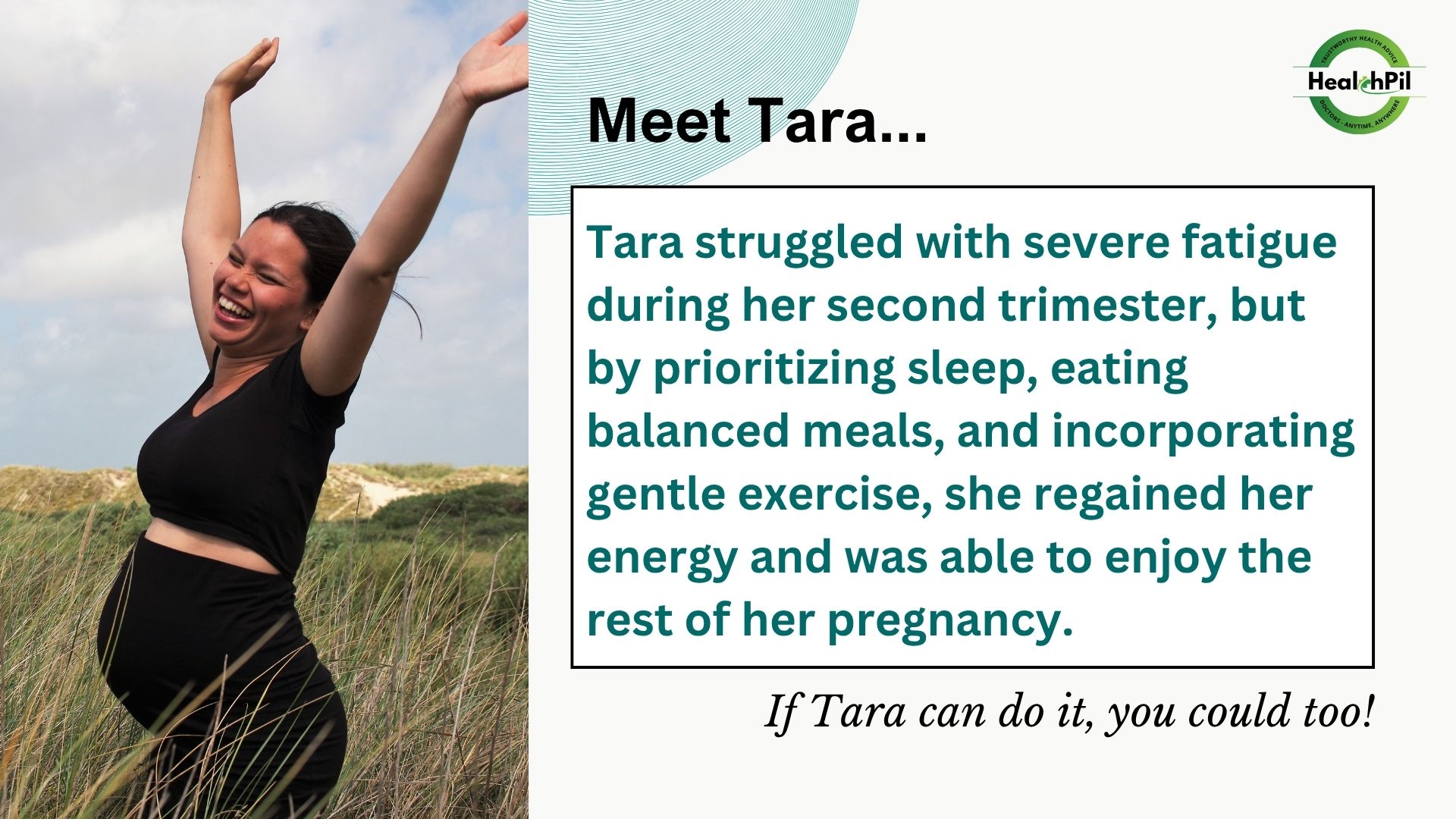

What Is Pregnancy Fatigue, Really?
“Main subah uthte hi thak jaati hoon.” If you’ve said this or thought it even before your first missed period, you’re not imagining things. Pregnancy fatigue is one of the earliest and most universal symptoms of pregnancy, and for a lot of women, it shows up before they even get a positive test.
It’s not laziness. It’s not “just in your head.” Your body is quite literally building a placenta, adjusting your hormones, and expanding your blood volume all before you’ve even started showing. That takes energy. A lot of it.
The good news? For most women, this exhaustion eases up considerably once the second trimester begins. The tricky part is getting through the first few weeks without burning out completely.
Why Does Fatigue Hit So Hard? The Real Causes
There isn’t one single reason you’re tired it’s usually a mix of things happening at once.
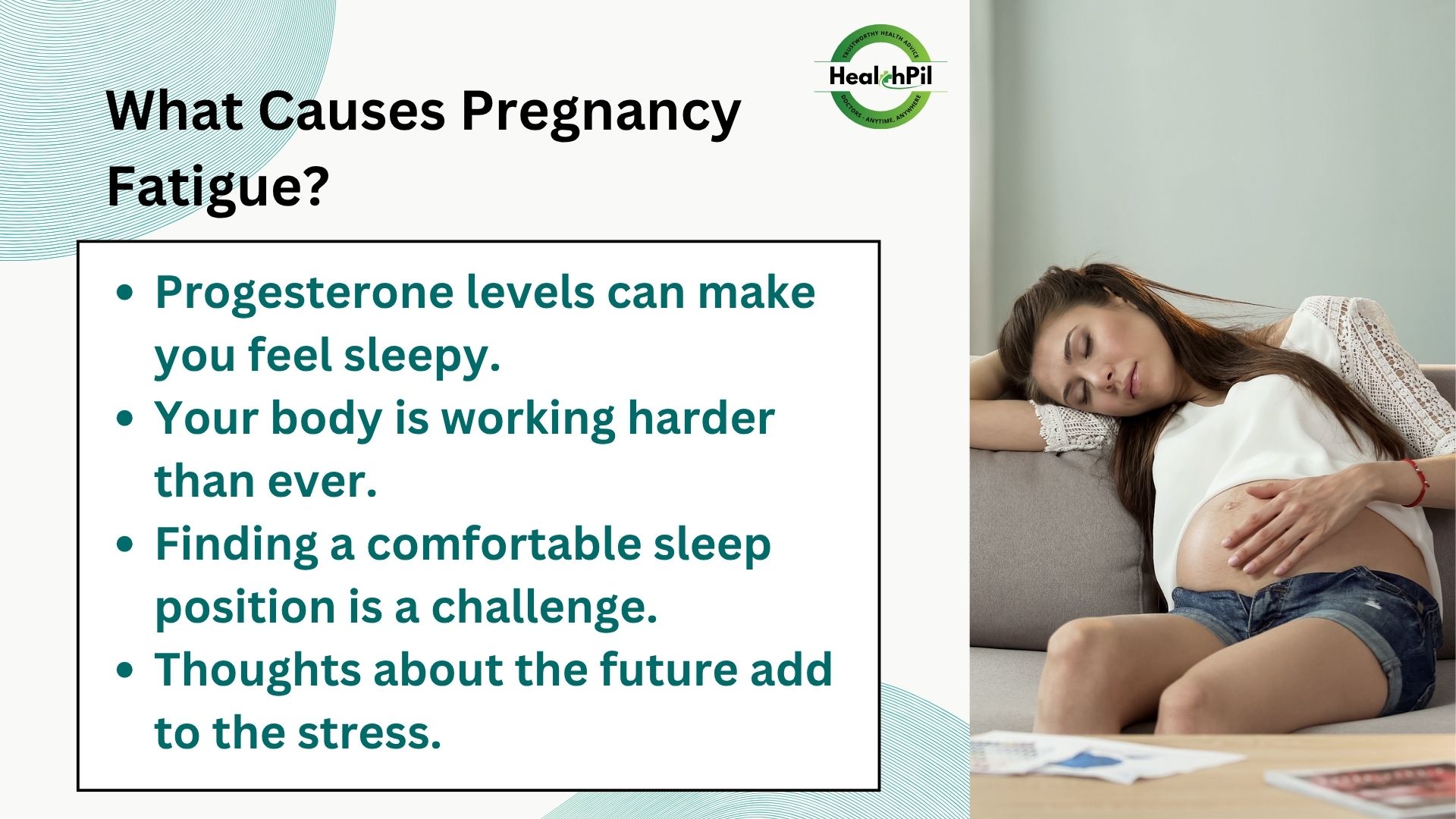
Progesterone surge. Right after conception, progesterone levels shoot up fast. This hormone helps your uterus prepare for pregnancy, but it also has a sedating effect on the brain. Basically, it makes you sleepy on purpose.
Placenta-building. During the first trimester, your body is constructing an entirely new organ from scratch. That’s serious physical work, even though you can’t see or feel it happening.
Dropping blood pressure and blood sugar. Hormonal shifts can cause your blood pressure and blood sugar to dip lower than usual, which often shows up as tiredness, light-headedness, or that woozy feeling when you stand up too fast.
Morning sickness. Nausea and vomiting drain your energy reserves directly and if you’re barely managing to eat or drink, there’s simply less fuel going in.
Disturbed sleep. As your bump grows, finding a comfortable sleeping position gets harder. Frequent bathroom trips at night don’t help either. Even if you’re in bed for 8 hours, the quality of that sleep often drops.
Emotional load. Pregnancy brings a flood of new thoughts about the delivery, about the baby’s health, about how life is going to change. This mental load is real, and it tires your body out just as much as physical exertion does.
Feeling overheated. Increased blood flow to your skin during pregnancy can leave you feeling warmer than usual, and that heat and sweating adds to the general sense of being drained.
Who Is More Likely to Experience Pregnancy Fatigue?
Pregnancy fatigue may be more common if you:
- Are carrying twins or multiple babies
- Have iron deficiency or anaemia
- Experience severe morning sickness
- Have thyroid disorders
- Have gestational diabetes
- Sleep poorly
- Have high stress or anxiety levels
- Continue physically demanding work during pregnancy
Fatigue Timeline First, Second, and Third Trimester
One thing most first-time mothers don’t realise: pregnancy fatigue doesn’t stay constant. It comes in waves.
- First trimester: This is usually when fatigue hits hardest, thanks to the progesterone spike and the demands of placenta formation.
- Second trimester: Many women get a genuine energy boost here. The placenta is established, hormone levels stabilise a bit, and nausea often fades.
- Third trimester: Fatigue tends to creep back as your body carries extra weight, sleep gets more disrupted, and you’re preparing physically and mentally for labour.
If your tiredness doesn’t follow this pattern, or feels far more intense than “normal pregnancy tired,” it’s worth flagging to your doctor more on that below.
Symptoms You Might Notice
Fatigue doesn’t look the same for everyone. Some common signs include:
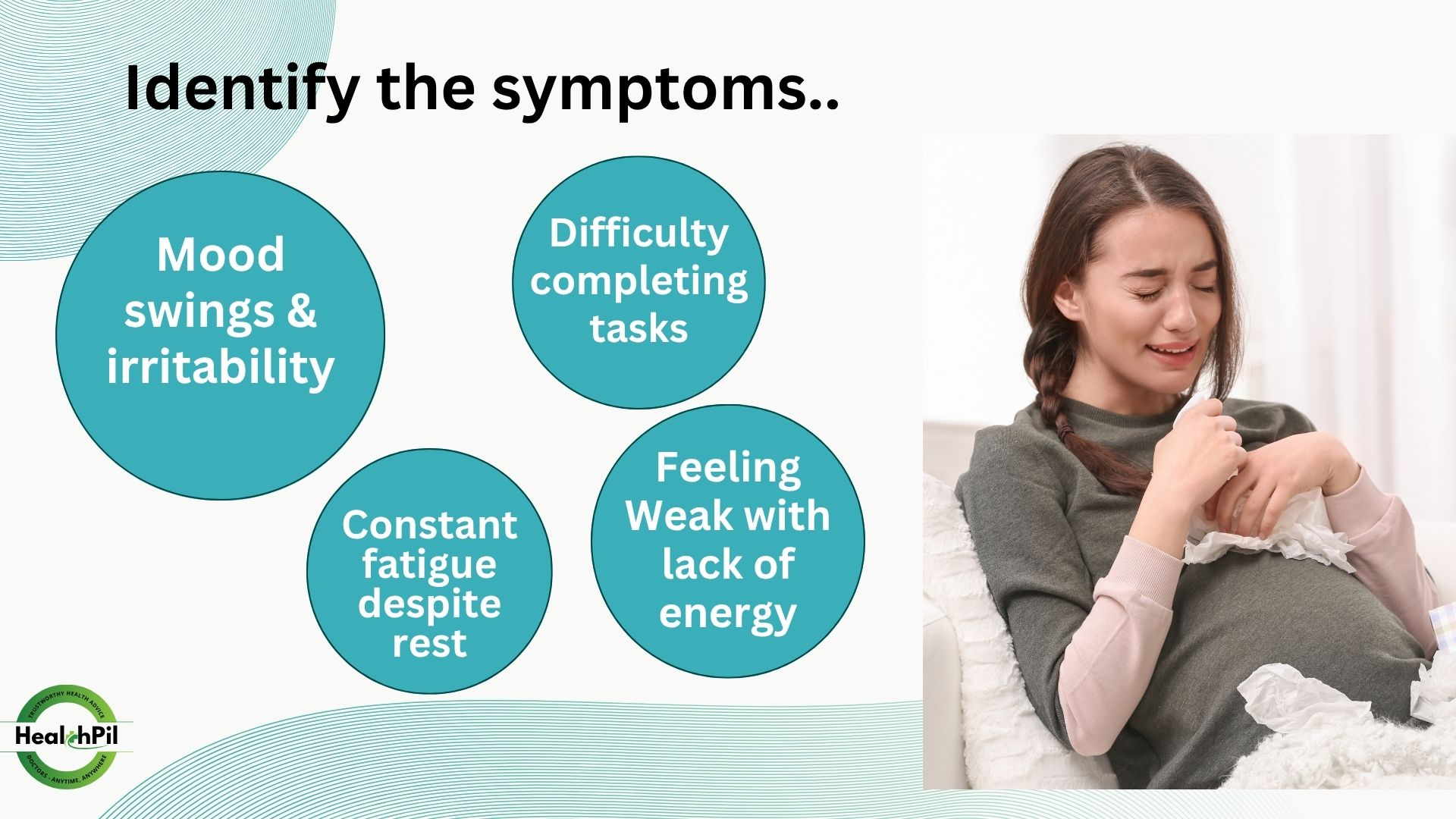
- Persistent tiredness that doesn’t go away with rest
- Trouble concentrating or finishing simple tasks (pregnancy brain fog is real)
- Irritability or mood swings
- Feeling sluggish even after a full night’s sleep
- Dizziness or a faint feeling, especially when standing up quickly or getting off the toilet seat
That last one deserves a specific mention occasional light-headedness is common due to lower blood pressure. But if dizziness comes along with vaginal bleeding or sharp abdominal pain, especially early in pregnancy, see a doctor immediately this combination can sometimes point to an ectopic pregnancy and needs prompt medical attention.
Can Fatigue Actually Harm the Baby?
This is one of the most common worries expecting mothers bring to their doctor, and the reassuring answer is: mild to moderate fatigue on its own does not harm your baby. It’s simply a sign of the normal physical changes happening hormonal shifts, blood volume expansion, and the effort of building the placenta.
Where it’s worth paying attention is when fatigue becomes extreme or doesn’t improve with rest. In rarer cases, that level of exhaustion can be linked to iron-deficiency anaemia, a thyroid imbalance, or prenatal depression conditions that do need proper diagnosis and treatment, both for your comfort and your baby’s wellbeing.
Simple, Doctor-Approved Ways to Manage It
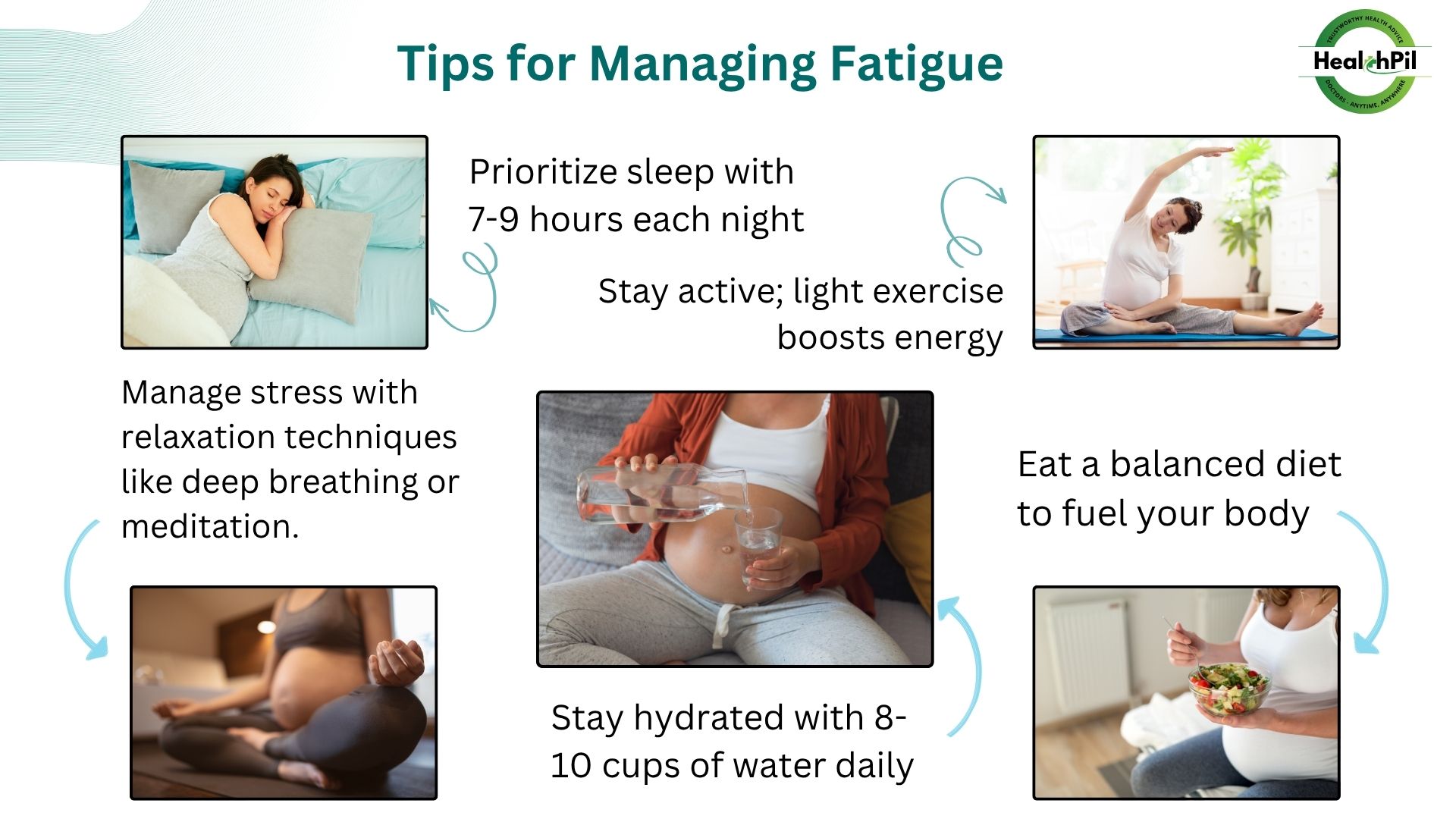
Prioritise sleep, but be flexible about it. Aim for 7–9 hours at night, and don’t feel guilty about a daytime nap if your body is asking for one. Use a pregnancy pillow or a soft cushion between your knees to make side-sleeping more comfortable.
Stay gently active. It sounds counterintuitive when you’re exhausted, but light movement genuinely boosts energy it improves circulation and helps you sleep better at night too. A 15–20 minute walk or a short prenatal yoga session is enough.
Eat smaller, more frequent meals. Instead of three heavy meals, try five to six smaller ones with a mix of protein, complex carbs, and healthy fats this keeps blood sugar steady and prevents the energy crashes. Think roti with dal and sabzi, a handful of nuts, or curd with fruit as snacks.
Hydrate consistently. Your blood volume increases substantially during pregnancy, and water is central to building that volume. Aim for 8–10 glasses a day; keeping a bottle nearby also gives you a natural reason to get up and move every hour or so.
Manage stress actively. Deep breathing, short meditation sessions, or a prenatal class can meaningfully lower the mental load that’s adding to your tiredness.
Go easy on caffeine and sugar. Both give a quick lift followed by a crash not ideal when you’re already running low. Whole foods offer steadier, longer-lasting energy.
Ask for help without guilt. Split tasks with your partner or family, take breaks between chores, and keep your feet elevated when you’re sitting for long stretches.
How Can You Prevent Pregnancy Fatigue?
Although pregnancy fatigue cannot always be prevented, you can reduce its impact by:
- Following a healthy, balanced diet
- Drinking enough water every day
- Sleeping for 7–9 hours each night
- Taking short daytime naps when needed
- Staying physically active with doctor-approved exercises
- Managing stress through relaxation techniques
- Avoiding excessive caffeine and sugary foods
- Asking for help with physically demanding tasks
Gentle Exercises That Actually Help
You don’t need an intense workout a few minutes of gentle movement can noticeably lift your energy:
- Seated diaphragmatic breathing — calms the nervous system and increases oxygen flow
- Cat-cow stretch — eases back tension that builds up as your bump grows
- Seated pelvic tilts — gently activates core muscles without strain
- Child’s pose — a restful stretch that also relieves lower back pressure
Always check with your doctor before starting any new exercise routine, especially if you have a high-risk pregnancy.
When Fatigue Isn’t “Just Pregnancy” Anymore
Most fatigue is completely normal. But talk to your doctor if you notice:
- Extreme tiredness that interferes with daily functioning
- Shortness of breath
- Frequent dizziness or fainting spells
- Heart palpitations
- Persistent insomnia despite being exhausted
- Low mood, sadness, or feelings of hopelessness that don’t lift
These symptoms can sometimes point to gestational diabetes, anaemia, thyroid dysfunction, prenatal depression, or an underlying infection all manageable once identified, but they do need a proper diagnosis rather than more rest.
When Should You See a Doctor?
While pregnancy fatigue is usually normal, consult your doctor immediately if you experience:
- Extreme fatigue that doesn’t improve with rest
- Shortness of breath
- Frequent dizziness or fainting
- Heart palpitations
- Persistent insomnia
- Heavy vaginal bleeding
- Severe abdominal pain
- Fever or signs of infection
- Persistent low mood, anxiety, or depression
- Swelling of the face or hands with severe headache or blurred vision
- Reduced fetal movements (after your doctor has advised you to monitor them)
These symptoms may indicate conditions such as anaemia, gestational diabetes, thyroid disorders, preeclampsia, infections, or other pregnancy-related complications that require medical evaluation.
How HealthPil Can Help
Pregnancy fatigue is common, but you don’t have to just push through it alone.
- Need guidance? Connect with HealthPil’s healthcare experts to understand what’s normal for your trimester and what needs attention.
- Join our community for support and real tips from mothers going through the same thing.
- Don’t wait it out if your fatigue feels unusual, reach out to HealthPil today and get the clarity you need for a healthier pregnancy.
Summary
Pregnancy fatigue is a normal and common part of pregnancy, especially during the first and third trimesters. Hormonal changes, placenta development, increased blood volume, poor sleep, and the physical demands of pregnancy can all contribute to feeling tired. While this exhaustion usually improves during the second trimester, maintaining a healthy diet, staying hydrated, getting enough sleep, managing stress, and doing gentle exercise can help improve your energy levels. However, if fatigue becomes severe, persistent, or is accompanied by symptoms such as dizziness, shortness of breath, heavy bleeding, or severe abdominal pain, seek medical advice promptly to rule out underlying pregnancy-related complications.
Frequently Asked Questions
Is it normal to feel extremely tired during pregnancy?
Yes, fatigue is common, especially in the first and third trimesters.
When should I be concerned about fatigue?
If fatigue is severe or accompanied by other concerning symptoms, consult your healthcare provider.
Can I take supplements to combat fatigue?
Consult your healthcare provider before taking any supplements, as some may not be safe during pregnancy.
What lifestyle changes can help improve energy levels?
Prioritize sleep, engage in regular physical activity, and maintain a balanced diet.
How can I improve my sleep quality during pregnancy?
Create a relaxing bedtime routine, use supportive pillows, and try to sleep in a comfortable position.
References
- Lee KA. Sleep During Pregnancy and Early Parenthood. Available at:
PubMed - Khazaie H, et al. Fatigue and Sleep Quality in Different Trimesters of Pregnancy. Available at:
PMC
Disclaimer
The information provided in this article is for awareness purposes only and should not replace professional medical advice. Always consult your healthcare provider for personalized medical guidance.

Read our editorial policy