

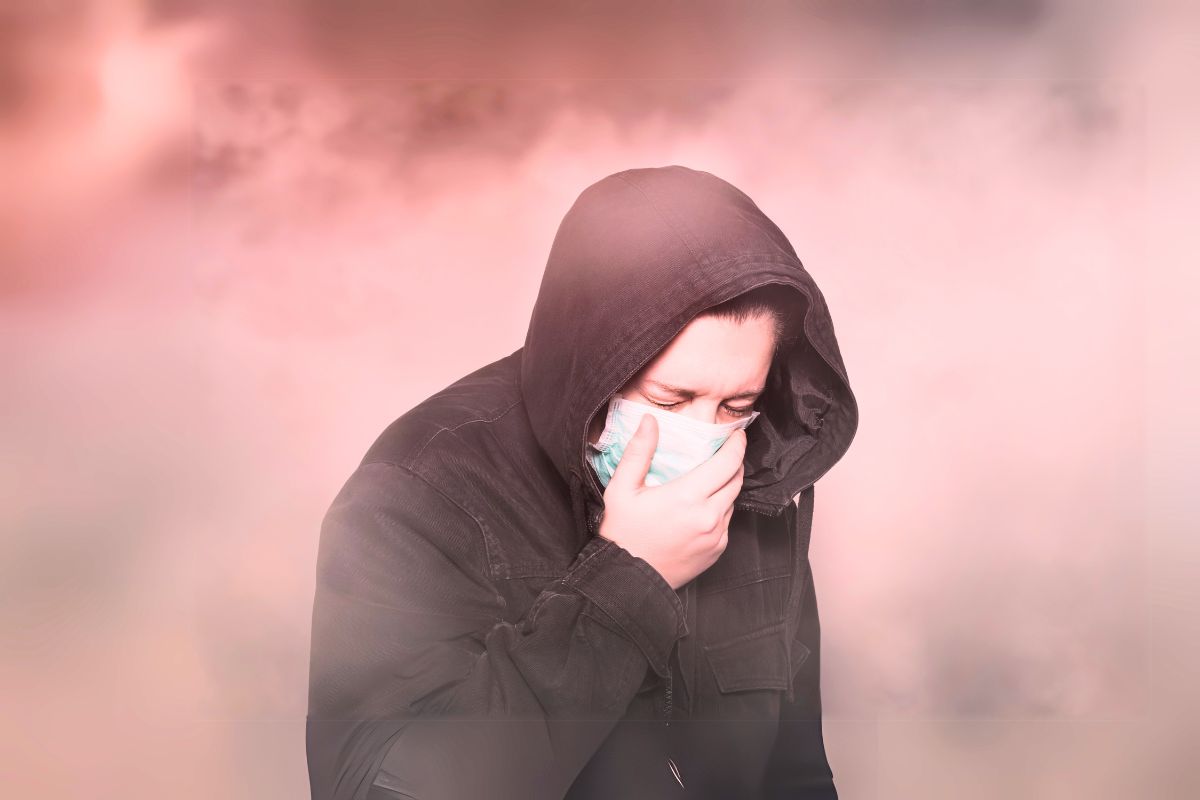
Asthmatic airways are sensitive to a lot of what’s floating in the air around us and today, air pollution has become one of the most common triggers behind rising asthma attacks. This article breaks down exactly how air quality and asthma are connected, what’s actually happening inside the airways when pollution strikes, and what genuinely helps manage the risk.
How Pollution Affects Asthma
Research consistently points to air pollution as a major trigger for asthma flare-ups. A 2023 study in The Lancet Respiratory Medicine found that people living in areas with high PM2.5 and nitrogen dioxide (NO₂) levels were 40% more likely to experience asthma attacks than those in cleaner areas a gap large enough that where you live genuinely shapes how well-controlled your asthma is likely to be.
1. Inflammation of the Airways
Airborne pollutants don’t just pass through the lungs they actively inflame the airway lining, making it more sensitive and reactive than it should be. This matters because an inflamed airway responds more dramatically to triggers that wouldn’t normally cause a problem dust, cold air, even mild exertion. A 2022 study in the American Journal of Respiratory and Critical Care Medicine confirmed that PM2.5 exposure directly induces airway inflammation and contributes to asthma’s progression over time, not just isolated flare-ups.
2. Pollution Makes Allergens Worse
Air pollution doesn’t just act alone it amplifies the effect of allergens already present in the air, like pollen and dust. A 2022 study in Environmental Health Perspectives found that high pollutant exposure increased the likelihood of allergic reactions specifically in people with asthma, essentially lowering the threshold at which an allergen triggers a reaction. This is part of why allergic asthma tends to feel noticeably worse during high-pollution periods, even when pollen counts alone haven’t changed.
3. Long-Term Changes to Lung Function
This isn’t only about individual bad days. Chronic pollution exposure gradually reshapes how the lungs function over time. A 2023 study in the European Respiratory Journal found that children exposed to high pollution levels face a real risk of developing persistent asthma and permanently reduced lung capacity meaning the damage doesn’t always reverse once exposure drops, particularly if it happened during childhood lung development.
Which Air Pollutants Trigger Asthma?
The major pollutants known to worsen asthma include:
- PM2.5 (Fine Particulate Matter) — small enough to travel deep into the lungs, well past the airway’s natural filtering defences
- PM10 — larger particles that still irritate the upper and mid airways
- Nitrogen Dioxide (NO₂) — mainly from vehicle exhaust, known to directly inflame airway tissue
- Ground-level Ozone (O₃) — forms when other pollutants react in sunlight, and is particularly damaging to lung tissue
- Sulphur Dioxide (SO₂) — from industrial and fuel combustion, triggers rapid airway narrowing
- Carbon Monoxide (CO) — reduces how much oxygen reaches the bloodstream, compounding breathlessness
- Volatile Organic Compounds (VOCs) — released from various chemical and combustion sources, irritating sensitive airway linings
Each of these pollutants works through a slightly different pathway, but they converge on the same outcome irritated airways, more inflammation, reduced lung function, and worse asthma symptoms.
Types of Asthma Worth Knowing About
Asthma isn’t a single, uniform condition, and understanding the type at play helps explain why pollution affects people differently.
Allergic asthma is triggered specifically by allergens pollution doesn’t cause the allergy itself, but it lowers the threshold at which the allergic response kicks in, as covered above.
Bronchial asthma, the term often used interchangeably with general asthma, refers to the airway inflammation and narrowing pattern common to most cases.
Childhood asthma deserves particular attention, since children’s airways and lungs are still developing meaning pollution exposure during these years can shape lung capacity well into adulthood, not just cause temporary symptoms.
Severe or persistent asthma describes cases where symptoms occur frequently despite treatment pollution exposure is one of the more common, and more modifiable, factors that can push someone from mild or moderate asthma into this harder-to-control category.
Who’s Most at Risk?
Air pollution affects everyone’s airways to some degree, but certain groups face a steeper risk and for identifiable reasons:
- Children — smaller airways mean the same volume of pollutant causes proportionally more obstruction, and their lungs are still developing, making early exposure more consequential long-term.
- Older adults — lung function naturally declines with age, leaving less reserve capacity to absorb the added strain pollution places on breathing.
- Pregnant women — pollution exposure during pregnancy has been linked to effects on fetal lung development, extending the risk beyond the mother herself.
- People with asthma or allergies — an already sensitised, reactive airway responds more dramatically to the same pollutant dose that a healthy airway would barely register.
- Individuals with COPD — pollution adds inflammatory burden on top of already compromised lung tissue, often triggering exacerbations more easily.
- Smokers — cigarette smoke and air pollution damage the airways through overlapping pathways, so the combined effect is worse than either alone.
- Outdoor workers — sustained, daily exposure without the option to limit time outside means a cumulative dose far higher than the average person.
- People living near busy roads or industrial areas — proximity means consistently higher pollutant concentrations, day after day, rather than occasional peak exposure.
How Air Pollution Actually Triggers an Asthma Attack
When pollutants like PM2.5, PM10, ozone, NO₂, SO₂, and VOCs enter the lungs, they irritate the airway lining and set off inflammation almost immediately. From there, a specific chain reaction unfolds: the muscles wrapped around the airways tighten, the airway lining produces excess mucus in response to the irritation, and the combination physically narrows the passage air needs to move through which is exactly what makes breathing feel harder during an attack.
With repeated exposure over time, this cycle also raises oxidative stress in airway tissue and increases what’s known as airway hyperresponsiveness essentially, the airways become primed to overreact even to minor triggers going forward. This is part of why people with poorly controlled, pollution-exposed asthma often find their attacks becoming more frequent and more severe over time, not just staying at a stable baseline.
Symptoms: When to Seek Treatment
People with asthma should watch for signs that suggest a flare-up is building:
- Increased frequency of wheezing (a whistling sound during breathing)
- Shortness of breath or a tightening feeling in the chest
- Persistent coughing, especially at night or early morning often the first sign symptoms are creeping upward before a full attack
If these symptoms show up, it’s worth consulting a healthcare provider promptly for proper management, rather than waiting to see if things settle on their own.
Long-Term Effects of Air Pollution on Asthma
Repeated pollution exposure, left unmanaged, can lead to:
- More frequent asthma attacks
- Reduced lung function over time
- Persistent airway inflammation that doesn’t fully settle between flare-ups
- Poorer overall asthma control despite treatment
- Increased hospital admissions
- A higher risk of emergency asthma attacks
- Permanent airway remodelling physical changes to airway structure that make future attacks more likely
- Reduced quality of life overall, from limited activity to disrupted sleep
Tools for Managing and Monitoring Asthma
Beyond medication, a few practical tools help track and manage asthma proactively:
Asthma Action Plan — a written plan, created with your doctor, that spells out exactly what to do as symptoms shift from mild to worsening to severe. Having this in place before a flare-up happens tends to lead to faster, calmer decision-making in the moment.
Peak flow meter — a simple handheld device that measures how fast you can exhale, offering an early warning sign of narrowing airways, often before symptoms are even noticeable.
Spirometry — a more detailed lung function test used by doctors to measure how much air you can breathe out and how quickly, helping track whether asthma control is improving or declining over time.
How to Protect Yourself from Air Pollution
A few consistent habits meaningfully reduce pollution-related asthma risk, each addressing a different part of the exposure chain:
- Monitor the Air Quality Index (AQI) before going outdoors, so you can plan activity around lower-pollution windows rather than being caught off guard.
- Avoid outdoor exercise when pollution levels are high — deeper, faster breathing during exercise pulls in significantly more pollutant volume than breathing at rest.
- Wear a properly fitted N95 mask outdoors, which filters out a meaningful share of fine particulate matter before it reaches the airways.
- Use a HEPA air purifier indoors, since indoor air can carry a real pollutant load too, especially in urban homes.
- Keep windows closed during severe pollution, limiting how much outdoor air infiltrates indoor spaces.
- Avoid cigarette smoke and second-hand smoke, which compounds the inflammatory load pollution already places on the airways.
- Take controller inhalers exactly as prescribed, since consistent use keeps baseline airway inflammation lower, making pollution exposure less likely to trigger a full attack.
- Always carry your rescue inhaler, so you’re prepared if symptoms escalate unexpectedly.
- Stay hydrated and eat antioxidant-rich foods, which support the body’s ability to manage the oxidative stress pollution generates.
When Should You Book an Online Consultation?
It’s worth booking an online consultation if you experience:
- Frequent asthma attacks
- Wheezing that’s getting worse
- Shortness of breath during normal, everyday activities
- Chest tightness that isn’t improving
- Persistent coughing, especially at night
- Increased reliance on your rescue inhaler
- Asthma symptoms clearly triggered by exposure to polluted air
HealthPil connects you with experienced pulmonologists who can evaluate your symptoms, adjust your asthma treatment plan, and help you manage asthma all from the comfort of home.
How Can HealthPil Help?
HealthPil makes it easy to connect with experienced neurologists online for timely evaluation of stroke symptoms and risk factors. Whether you have high blood pressure, diabetes, frequent headaches, a history of stroke or TIA, or have recently experienced weakness, dizziness, or speech problems after exposure to air pollution, HealthPil can help you receive expert medical advice from the comfort of your home. Early consultation, proper diagnosis, and personalised treatment can significantly reduce the risk of serious complications and improve long-term brain health.
Myths vs Facts About Air Pollution and Asthma
Myth: “Air pollution only affects people with severe asthma.”
Fact: Even mild or well-controlled asthma can flare up noticeably during high-pollution periods pollution lowers everyone’s threshold, not just those with severe disease.
Myth: “Staying indoors completely protects you from pollution.”
Fact: Indoor air can carry its own pollutant load, from cooking smoke to VOCs off-gassing from furniture and cleaning products which is exactly why ventilation and air purification matter indoors too, not just outdoor precautions.
Myth: “Wearing a mask cures asthma.”
Fact: An N95 mask reduces how much pollutant reaches your airways, but it doesn’t replace asthma medication or address the underlying airway inflammation it’s a layer of protection, not a treatment.
Summary
Air pollution is one of the leading triggers of asthma attacks. Pollutants such as PM2.5, PM10, ozone, and nitrogen dioxide inflame the airways, worsen asthma symptoms, and reduce lung function over time. Monitoring air quality, limiting exposure to pollution, following your asthma treatment plan, and seeking timely medical care can help prevent severe asthma attacks and improve long-term lung health.
FAQ
1. Can air pollution trigger an asthma attack?
Yes. Pollutants such as PM2.5, PM10, ozone (O₃), and nitrogen dioxide (NO₂) can irritate the airways, causing inflammation and triggering asthma attacks.
2. Which air pollutants are most harmful for people with asthma?
The main pollutants include PM2.5, PM10, nitrogen dioxide (NO₂), ozone (O₃), sulphur dioxide (SO₂), carbon monoxide (CO), and volatile organic compounds (VOCs).
3. How can I protect myself from air pollution if I have asthma?
Monitor the Air Quality Index (AQI), wear a well-fitted N95 mask outdoors, use a HEPA air purifier indoors, avoid outdoor activities during high pollution, and take your asthma medications as prescribed.
4. Can long-term exposure to air pollution make asthma worse?
Yes. Long-term exposure can lead to frequent asthma attacks, persistent airway inflammation, reduced lung function, and poorer asthma control over time.
5. When should I book an online consultation for asthma?
Book an online consultation if you have frequent asthma attacks, worsening wheezing, persistent cough, chest tightness, increasing use of your rescue inhaler, or asthma symptoms that worsen after exposure to polluted air.
Disclaimer:
This article is for informational purposes only and should not be considered medical advice. Always consult a healthcare professional for a proper diagnosis and personalised treatment plan.

Read our editorial policy