

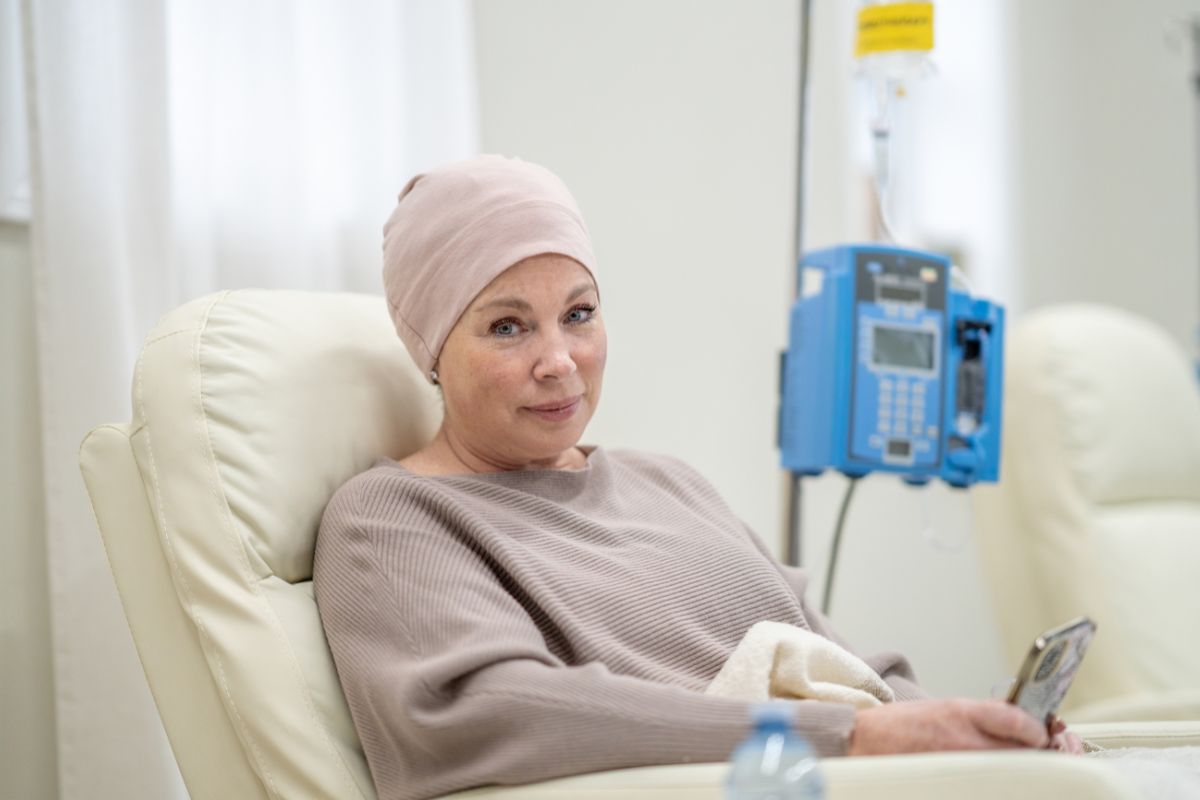
Every year, India records over 14 lakh new cancer cases according to ICMR data and a significant number are detected only after the disease has already progressed. Not because the warning signs weren’t there. But because most people don’t recognise them, or recognise them and wait too long to act.
A persistent cough dismissed as the changing weather. Weight dropping without explanation, assumed to be stress. A lump that’s been there for weeks but keeps getting pushed to the bottom of the to-do list. These are the gaps through which early cancer slips through undetected and they are gaps that knowledge can close.
This article covers what the early warning signs of cancer actually look like, who is at higher risk, when to screen, and how cancer is diagnosed and treated. Because the earlier cancer is found, the more treatable it almost always is.
What Is Cancer?
Cancer begins when the DNA in a normal cell gets damaged in a way that disrupts the body’s usual controls on cell growth. Healthy cells divide, do their job, and die in a regulated cycle. A cancerous cell breaks that cycle it divides uncontrollably and refuses to die. Over time, these cells accumulate and can form a mass, invade surrounding tissue, and in more advanced cases, travel through the bloodstream or lymphatic system to distant organs. This spread is called cancer metastasis, and it is what makes late-stage cancer significantly harder to treat than cancer found early.
Benign vs Malignant Tumours
Not every tumour is cancer. A benign tumour is a non-cancerous growth that doesn’t invade nearby tissue and doesn’t spread to other parts of the body. A malignant tumour is cancerous it can grow into surrounding tissue and, if left untreated, may spread through the bloodstream or lymphatic system. This spread cancer metastasis is what makes the difference between an early-stage diagnosis and a late-stage one, and why acting on warning signs promptly matters so much.
Common Types of Cancer
Cancer is not a single disease. There are hundreds of types, but they broadly fall into a few major categories. Carcinoma which starts in the cells lining organs or skin is the most common type overall and includes lung, breast, and colorectal cancers. Sarcoma affects bones, muscles, and connective tissue and tends to be less common but can be aggressive. Leukaemia is a blood cancer that disrupts the production of normal white blood cells, impairing the body’s ability to fight infection. Lymphoma affects the lymphatic system, most often presenting first as swollen lymph nodes. Melanoma is a serious form of skin cancer arising from pigment-producing cells and is strongly linked to UV exposure.
Cancer Symptoms and Warning Signs You Shouldn’t Ignore
Many early cancer symptoms are easy to dismiss as stress, ageing, or a passing illness. That’s exactly why they need to be named clearly.
Unexplained weight loss
Is one of the most significant cancer warning signs there is. Losing several kilograms without any change in diet or activity particularly when it happens rapidly is associated with cancers of the digestive system, lungs, and pancreas. The word “unexplained” matters: weight loss that follows a clear change in eating or exercise habits is different from weight that simply disappears without reason.
Persistent fatigue
Is not the tiredness that a good night’s sleep fixes. Cancer-related fatigue is bone-deep exhaustion that doesn’t improve with rest, affects daily functioning, and has no obvious explanation. It’s particularly common in leukaemia, lymphoma, and other blood-related cancers where the disease directly interferes with the production of normal blood cells.
Unusual lumps or swelling
A breast lump, a swollen lymph node in the neck or armpit, or any lump that appears and doesn’t go away within two to three weeks needs medical evaluation. Not every lump is cancer. Most have benign explanations. But every persistent lump that grows, hardens, or feels fixed rather than movable under the skin deserves attention.
Skin changes
Are among the most visible early warning signs. Moles that change in shape, colour, or size, skin lesions that bleed without injury, or sores that simply won’t heal over several weeks are not cosmetic concerns they are melanoma symptoms and signs of other skin cancers that need a dermatologist’s assessment.
Blood where it shouldn’t be
Is one of the clearest red flags of cancer and should never be rationalised away. Blood in stool, blood in urine, rectal bleeding, abnormal vaginal bleeding, or nipple discharge all need prompt medical assessment. These are among the most common early signs of cancer in the digestive, urinary, reproductive, and breast systems and critically, cancer-related bleeding often presents without pain in its early stages, which makes it easy to dismiss and dangerous to ignore.
A chronic cough or breathlessness
That has been present for more than three weeks without a clear respiratory infection, that worsens progressively, or that produces blood-tinged mucus is a potential symptom of lung cancer. Hoarseness of voice that persists beyond two weeks particularly without obvious laryngitis can point to cancers of the larynx or thyroid, or to a tumour pressing on the nerve controlling the vocal cords.
Difficulty swallowing
A sensation of food sticking in the throat or chest that doesn’t resolve can indicate cancers of the oesophagus, stomach, or throat. It’s one of the most commonly delayed symptoms because people adapt around it, changing their diet rather than seeing a doctor. Any difficulty swallowing that is progressively worsening needs prompt investigation.
Changes in bowel habits
That persist for more than three to four weeks new constipation, alternating constipation and diarrhoea, stools that are consistently narrower than usual, or a persistent feeling that the bowel hasn’t emptied fully warrant evaluation for colorectal cancer, particularly in anyone over 45 or with a family history of bowel cancer.
Unexplained pain
That doesn’t have an obvious cause and doesn’t respond to usual treatment abdominal pain and bloating that persists, deep bone pain, or new headaches accompanied by vision problems can point to underlying malignancy depending on the location and character of the pain.
Persistent fever and night sweats
Returning repeatedly without an obvious infection especially alongside unexplained weight loss and fatigue is a classic cluster of symptoms in lymphoma. Fever in this context isn’t the high temperature of an acute illness; it’s low-grade, recurring, and accompanied by drenching night sweats that require changing clothes or bedding.
Who Is at Higher Risk for Cancer?
Anyone can develop cancer, but some factors increase the risk. Tobacco use is the biggest cause and raises the risk of cancers of the mouth, throat, lungs, bladder, and several other organs. Heavy alcohol use also increases the risk of cancers of the mouth, liver, oesophagus, throat, and breast.
Being overweight, eating a diet high in processed foods and low in fruits and vegetables, and not exercising regularly can increase the risk of several cancers. Long-term sun exposure without protection raises the risk of skin cancer.
A family history of cancer or inherited gene mutations such as BRCA1 and BRCA2 can increase the risk of breast and ovarian cancer. Certain infections, including HPV and hepatitis B or C, are also linked to cervical and liver cancers.
Having one or more risk factors does not mean you will develop cancer. However, it does mean regular screening, a healthy lifestyle, and early medical advice are especially important.
Cancer Screening: Who Should Get Tested and When
Cancer screening helps detect cancer before symptoms appear, when treatment is most effective.
- Breast cancer: Women aged 50–74 should have a mammogram every 2 years. Women with a strong family history may need to start screening around 40 years or earlier after medical advice.
- Cervical cancer: Women should begin Pap smear screening at age 21 and continue regularly until 65 years. This is one of the most effective ways to prevent cervical cancer.
- Colorectal cancer: Colonoscopy is recommended from 45 years, or earlier for people with a family history or other risk factors.
- Prostate cancer: Men over 50 years should discuss the PSA blood test with their doctor to decide if screening is appropriate.
- Lung cancer: A low-dose CT scan is recommended every year for adults aged 50–80 with a heavy smoking history.
- Skin cancer: People with many moles, frequent sun exposure, or a family history of skin cancer should have regular skin examinations.
Diagnostic Tests: How Cancer Is Confirmed
If screening or symptoms suggest cancer, doctors use several tests to confirm the diagnosis.
- CT scan, MRI, and PET scan help locate tumours, measure their size, and check if cancer has spread.
- Biopsy is the only test that can confirm cancer. A small tissue sample is examined under a microscope.
- Blood tests and tumour markers such as PSA and CEA help support diagnosis and monitor treatment but cannot diagnose cancer on their own.
- Colonoscopy allows doctors to examine the colon and take a biopsy during the same procedure if needed.
- Genetic testing may be recommended for people with a strong family history or inherited gene mutations such as BRCA1 or BRCA2.
Cancer Stages: What They Mean
Staging tells the treating team how far a cancer has progressed, and it shapes every treatment decision that follows.
Stage 1
Cancer is small and localised to its point of origin. It is the most treatable stage, with the highest survival rates across almost all cancer types.
Stage 2
Cancer is larger but still relatively contained within the original tissue or organ.
Stage 3
Cancer has spread to nearby lymph nodes or surrounding tissues.
Stage 4
Cancer also called metastatic cancer has spread to distant organs. Metastatic cancer symptoms vary depending on where the disease has travelled: bone pain if it has reached the bones, breathlessness if the lungs are involved, jaundice if the liver is affected, and neurological changes if it has reached the brain.
The survival difference between Stage 1 and Stage 4 is dramatic across almost every cancer type. This is the entire argument for cancer screening and for acting on cancer warning signs rather than waiting them out.
Cancer Treatment Options
Cancer treatment depends on the type of cancer, its stage, where it has spread, and the patient’s overall health. Many patients receive a combination of treatments to achieve the best possible outcome.
Surgery
Surgery is often the first treatment for solid cancers that have not spread. The surgeon removes the tumour along with a small margin of healthy tissue. In some cases, nearby lymph nodes are also removed to check whether the cancer has spread.
Chemotherapy
Chemotherapy uses powerful medicines to destroy cancer cells throughout the body. It may be given before surgery to shrink a tumour, after surgery to reduce the risk of recurrence, or as the main treatment for advanced cancers.
Radiation Therapy
Radiation therapy uses high-energy X-rays or other radiation to destroy cancer cells in a targeted area. It is commonly used after surgery or together with chemotherapy while limiting damage to nearby healthy tissue.
Immunotherapy
Immunotherapy helps the body’s immune system recognise and attack cancer cells. It has become an important treatment for cancers such as melanoma, lung cancer, kidney cancer, and some head and neck cancers.
Targeted Therapy
Targeted therapy blocks specific genes, proteins, or mutations that help cancer grow. Because it targets cancer cells more precisely, it often causes fewer side effects than traditional chemotherapy.
Hormone Therapy
Some cancers, especially breast cancer and prostate cancer, grow in response to hormones. Hormone therapy blocks these hormones or lowers their levels to slow or stop cancer growth.
Bone Marrow Transplant
Also called a stem cell transplant, this treatment replaces damaged bone marrow with healthy stem cells. It is mainly used for blood cancers such as leukaemia, lymphoma, and multiple myeloma.
Cryoablation and Radiofrequency Ablation
These minimally invasive treatments destroy cancer cells using extreme cold (cryoablation) or heat (radiofrequency ablation). They are suitable for selected liver, kidney, lung, and other small tumours when surgery is not the best option.
Your oncologist will recommend a personalised treatment plan based on your cancer type, stage, overall health, and treatment goals.
Cancer Myths and Facts
Is cancer hereditary? Some cancers have a meaningful genetic component, but most are not simply inherited. The majority of cancer cases arise from a combination of lifestyle, environmental, and chance factors. Having a family history raises your risk and is a reason to screen earlier it is not a guarantee you will develop cancer.
Is cancer a death sentence? It is not, particularly when caught early. Survival rates for many cancers have improved dramatically over the past two decades with advances in early detection and treatment. Early-stage breast cancer, colorectal cancer, and cervical cancer, for example, have very high survival rates with timely treatment.
Does cancer only affect older people? Cancer risk increases with age, but cancer can and does develop at any age. Certain cancers including some leukaemias, bone cancers, and testicular cancer are actually more common in younger adults.
Can natural remedies treat cancer? They cannot. A healthy lifestyle supports overall wellbeing and may reduce long-term cancer risk, but no natural remedy can treat an established cancer. Delaying proven medical treatment in favour of unproven alternatives consistently worsens outcomes this is one of the most dangerous consequences of cancer misinformation in India, where a significant number of patients seek alternative treatment first and arrive at oncology units late.
Can stress cause cancer? Chronic stress may contribute to behaviours and physiological changes that indirectly raise cancer risk over time, but stress alone does not cause cancer.
Is cancer contagious? No. Cancer cannot be transmitted from one person to another.
When Should You See a Doctor?
If any of the following have been present for more than two to three weeks unexplained weight loss, persistent fatigue, an unusual lump or swelling, blood in stool or urine, rectal bleeding, abnormal vaginal bleeding, a chronic cough, hoarseness of voice, difficulty swallowing, persistent skin changes, or abdominal pain and bloating that won’t resolve see a doctor. Don’t wait for symptoms to stack up or for something to feel urgent enough to act on.
If getting to a clinic is difficult, or if you want a specialist’s view before deciding on next steps, an online oncologist consultation through HealthPil is a practical first option. And if you’ve already received a cancer diagnosis and want to understand your options fully, getting a second opinion for cancer before committing to a treatment plan is always a medically sound decision.
How HealthPil Can Help
Whether you need an oncologist consultation to investigate concerning symptoms, guidance on which cancer screening tests are appropriate for your age and risk profile, a second opinion on a diagnosis or treatment plan, or simply a qualified doctor to speak to about something that’s been worrying you HealthPil connects you with experienced specialists who provide accurate, personalised advice.
Book your online oncologist consultation today.
Summary
Cancer is serious but it is also, in many cases, very treatable when found early. Recognising the early warning signs, understanding your personal risk factors, attending the recommended cancer screening tests for your age, and acting on symptoms rather than waiting them out are what separate an early diagnosis from a late one. The warning signs are there. The question is whether you pay attention to them when they appear.
FAQs
What are the most common signs of cancer?
Unexpected weight loss, tiredness, lumps, abnormal bowel or bladder habits, a chronic cough, and skin changes.
Who should get cancer screening?
Depending on the type of cancer, screening is advised for those over 45 or younger people with a family history or high-risk factors.
How is cancer diagnosed?
Cancer is diagnosed using imaging tests, biopsies, blood tests, and genetic testing, along with a thorough medical history and physical exam.
What is the survival rate for cancer?
Early discovery greatly improves the prognosis, though survival rates can differ based on the type and stage of the cancer.
Can cancer be prevented?
A healthy lifestyle that includes frequent screening, exercise, maintaining a normal weight, and quitting smoking can reduce your risk of developing some cancers. Still, not all of them can be prevented.
What should I do if I suspect I have cancer?
Get in contact with a healthcare provider right away if you have symptoms that keep occurring. Early detection greatly improves results.
References
- Crosby D, Bhatia S, Brindle KM, et al. Early Detection of Cancer: Progress, Challenges, and Future Directions. Available at:
PMC - Qaseem A, Wilt TJ, Kansagara D, et al. Cancer Screening in Average-Risk Adults: A Guidance Statement. Available at:
PMC
Disclaimer:
All information presented here is meant only for educational purposes and should not be used in place of expert medical advice, diagnosis, or treatment. For medical advice unique to your condition, always seek the advice of your healthcare professional.

Read our editorial policy